May You Always Have a Song Cover Image

May You Always Have a Song: SATB Choral Octavo

$2.25 USD
Sale price  $2.25 USD Regular price 
Skip to product information
May You Always Have a Song Cover Image

May You Always Have a Song: SATB Choral Octavo

Music by Sally K. Albrecht and Jay Althouse

Item: 00-21203

makemusic Cloud badge

Need it now?

Buy Digital Version
$2.25
Shipped

One moment…

Description
"May your life be filled with song. And may your friends all sing along." These two simple sentences begin the heartfelt text of this lovely choral ballad. The melodies are equally beautiful in their simplicity. Easy piano accompaniment and conventional vocal writing make this piece an excellent choice for any concert. Use it as a concert closer throughout the year; by spring it will be a meaningful work for your graduating students.

Don't just read it, hear it, play along with it, and watch your students grow with it. In MakeMusic Cloud, May You Always Have a Song: SATB Choral Octavo comes alive with professional accompaniment, adjustable tempo, and built-in practice tools that turn solo practice into real progress.

Sample Pages

Sample Audio
0:00
0:00
Sample Video
Additional Details
Series: Alfred Archive Edition: Alfred Choral Designs
Publisher: Alfred Music
Page Count: 8
UPC: 038081201238
SKU: 00-21203

More about this title

About the Composer: Sally K. Albrecht
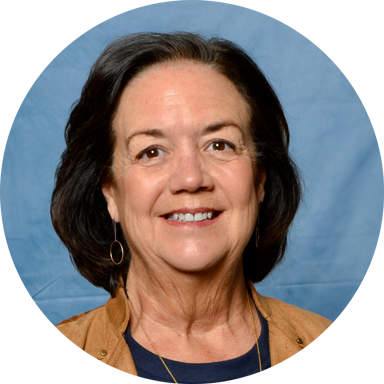
Sally K. Albrecht

Sally K. Albrecht has shaped American choral music for over four decades as a composer, conductor, and clinician with a particular gift for creating pieces that move singers physically and emotionally. Since 1987, she has received the ASCAP Special Music Award annually, and her catalog now includes more than 600 choral works alongside 75 published musicals and songbooks. Her conducting has taken her across the country to honor choirs and major venues including Lincoln Center, Carnegie Hall, and The Kennedy Center.

Albrecht spent over 30 years directing school choral and vocal publications at two major educational publishers, including her tenure at Alfred Music, where she developed resources specifically for classroom and performance contexts. She holds degrees from Rollins College (B.A. in Music and Theater, 1976), the University of Miami (M.A. in Drama, 1977, and M.M. in Accompanying, 1979), and has taught at Oakland University, Jersey City State College, and Meredith College. She is recognized as a Distinguished Alumna by both the University of Miami Frost School of Music and Rollins College, where she serves on the Board of Trustees.

Why we love this

This piece functions beautifully as a season-long anchor, growing deeper in meaning with each performance until it becomes a natural and emotionally resonant closing number for your year-end concert. The uncomplicated vocal writing and accessible piano part mean your singers can focus on expression and community rather than technical hurdles, which is exactly what graduation-season repertoire should demand. The text itself does the heavy lifting—simple, sincere, and impossible to sing without genuine feeling.

What to expect

Warmth and sincerity emerge from every measure. The melody unfolds with the unhurried confidence of a genuine wish, supported by harmonies that feel like friends singing along, just as the text promises. There is nothing showy here, only the kind of beauty that comes from clear writing and honest sentiment.

Who it's for

SATB choirs of any age or ability level looking for a graduation piece that requires minimal technical demand but delivers maximum emotional impact. Directors seeking repertoire that grows more meaningful with repeated performance throughout the year will find this especially useful as a concert bookend.

How to get the most out of it

  • Shape the melodic phrases with subtle dynamic swells rather than dramatic contrasts; the power of this piece lives in its restraint and clarity of line.
  • Let the piano accompany rather than lead; keep the tempo flexible enough to breathe with the singers' phrasing, especially at phrase endings.
  • Encourage singers to listen across voice parts in the harmonies; the beauty emerges when all four voices lock together with intention, not just accuracy.
  • By spring concert, this piece should feel like it belongs entirely to your group; rehearse it frequently enough that the words become second nature and the emotional intention takes center stage.

How to use it

Open with this piece in fall concerts to plant it in your singers' memories, then reprise it as the closing number for your spring graduation concert so that by then it has become a meaningful farewell. The direct simplicity also makes it an excellent standalone concert piece at any ceremony or community celebration honoring transitions and new beginnings.

Skills your students will build

  • Expressive singing in a secular ballad style
  • Blending four-part harmony in conventional SATB voicing
  • Sustained legit phrasing with breath placement
  • Singing sustained notes and long phrases with consistent tone production
  • Ensemble listening and tuning in a slower, lyrical context

You May Also Like
