
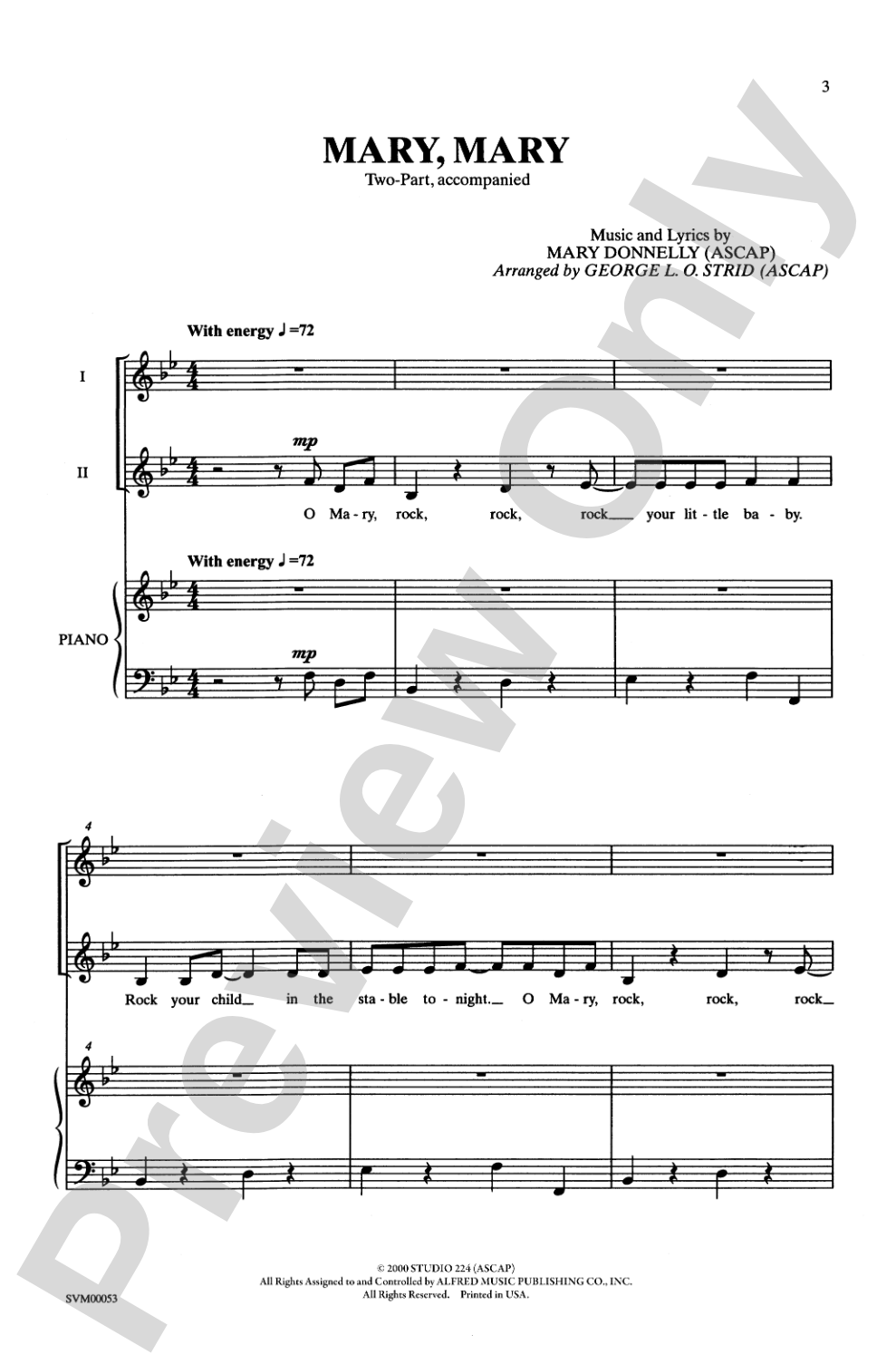
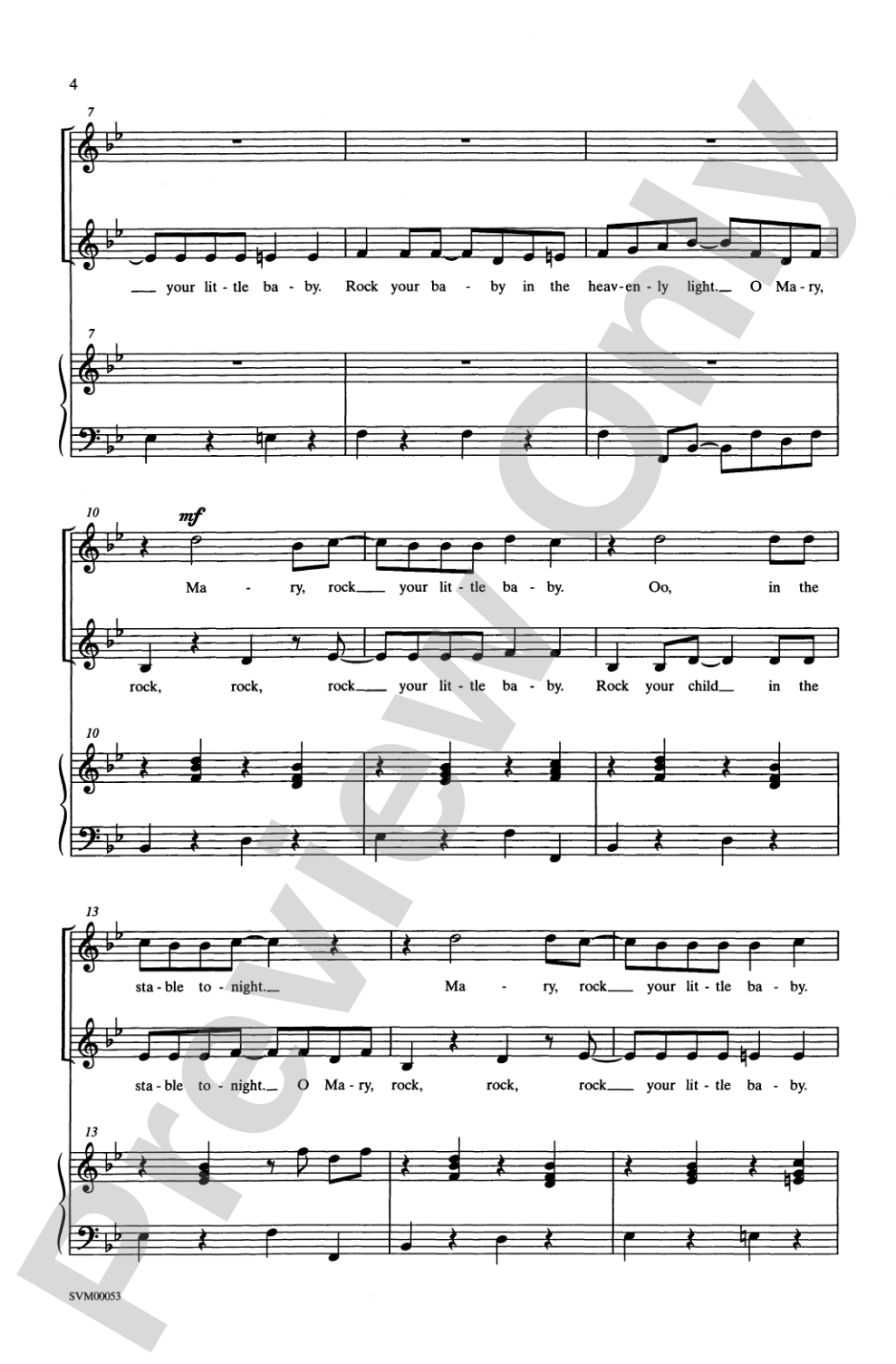

Mary, Mary: 2-Part Choral Octavo
Music and lyrics by Mary Donnelly and George L. O. Strid
Item: 00-PO-0005324
$2.25
Minimum order quantity: 20 copies
Pickup currently not available
Related Items
Mary, Mary: SATB Choral Octavo |
$2.95
|
View | |
Mary, Mary: SAB Choral Octavo |
$2.95
|
View | |
Mary, Mary: SSA Choral Octavo |
$2.95
|
View | |
Mary, Mary: SATB Choral Octavo |
$2.95
|
View | |
Mary, Mary: SAB Choral Octavo |
$2.95
|
View | |
Mary, Mary: SSA Choral Octavo |
$2.95
|
View | |
Mary, Mary: 2-Part Choral Octavo |
$2.25
|
View | |
Mary, Mary: Choral Octavo SoundTrax CD |
$27.99
|
View |
Description
Your choir will love to sing this gospel-rock winner! The multiple voicings of this upbeat original make this fantastic title available to all choirs. This is another great piece from Mary Donnelly and George Strid!


Mary, Mary: 2-Part Choral Octavo isn't in MakeMusic Cloud just yet...but it could be. Let us know you'd like to see it, and you'll help shape what comes next. In the meantime, start a free trial and dive into thousands of interactive titles your students can play along with today.
Request This Title
Tell us you want it.
Start Your Free Trial
Explore everything that's ready to play right now.
Sample Audio
No sample audio found.
Sample Video
No sample videos found.
Additional Details
Series:
Alfred Archive Edition: Studio PR Catalog
Publisher:
Alfred Music
Page Count:
12
SKU:
00-PO-0005324
More about this title
About the Composer: Mary Donnelly
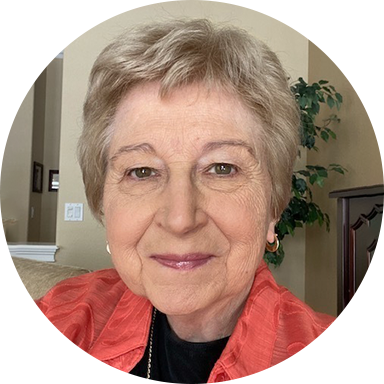
Mary Donnelly grew up in Reno, Nevada, and earned degrees in English and French from the University of Nevada, Reno before returning to graduate school for music education certification. She completed a Master's Degree in Education at Lesley College in Cambridge, Massachusetts, with coursework focused on arts integration across the curriculum. Over thirty years, she taught general music and choir in elementary and middle schools throughout Washoe County, Nevada.
In 1985, Donnelly began collaborating with George Strid when they were asked to compose a musical for a Reading Week event at their school. That partnership yielded "The Million Dollar Mystery" and has since produced over two hundred songs and twenty-five musicals. She remains active in ACDA, NEA, and ASCAP.
Why we love this
Donnelly and Strid understand exactly what makes a piece work for middle and elementary choirs: infectious energy, smart voicing that sits comfortably in young voices, and lyrics that feel genuinely singable rather than imposed. The gospel-rock idiom gives your singers permission to perform with joy and drive, which translates to engaged rehearsals and confident performances. A piece this accessible and this fun doesn't sacrifice musical substance.
What to expect
The piece radiates warmth and celebration without ever feeling sentimental. The gospel-rock groove gives it contemporary energy, while the simplicity of the voicing keeps the focus on the joy of singing together. Listeners hear a choir having fun, and that authenticity is contagious.
Who it's for
This octavo belongs in any middle or elementary choir, whether your singers are sight-reading specialists or newcomers to choral music. The 2-part voicing means you can integrate students at varied experience levels without sacrificing balance or blend. Smaller ensembles will also find this manageable and rewarding.
How to get the most out of it
- Let the rhythm section lock in first. The gospel-rock groove lives in the precision of your accompaniment, so spend early rehearsals building that foundation before layering the choir in.
- Balance the two parts so neither dominates. Even with simpler voicing, the interplay between parts creates energy; make sure both parts can be heard.
- Encourage relaxed, conversational articulation on the text. This piece thrives when singers treat the words like speech, not opera.
- Shape the dynamic arc across the full piece rather than treating sections in isolation. Gospel music builds through accumulation and release.
How to use it
This works beautifully as a winter or holiday concert closer when you want to send the audience out energized. It also pairs well on programs that blend sacred and secular repertoire, providing a modern counterpoint to traditional hymn settings. The recorded accompaniment availability makes it an excellent choice for smaller ensembles that lack instrumental support.
Skills your students will build
- Gospel-rock rhythm and groove conventions
- Two-part voice independence and blend
- Text expression in contemporary sacred idiom
- Singing with accompaniment tracks
- Syncopation and rhythmic precision in ensemble context