
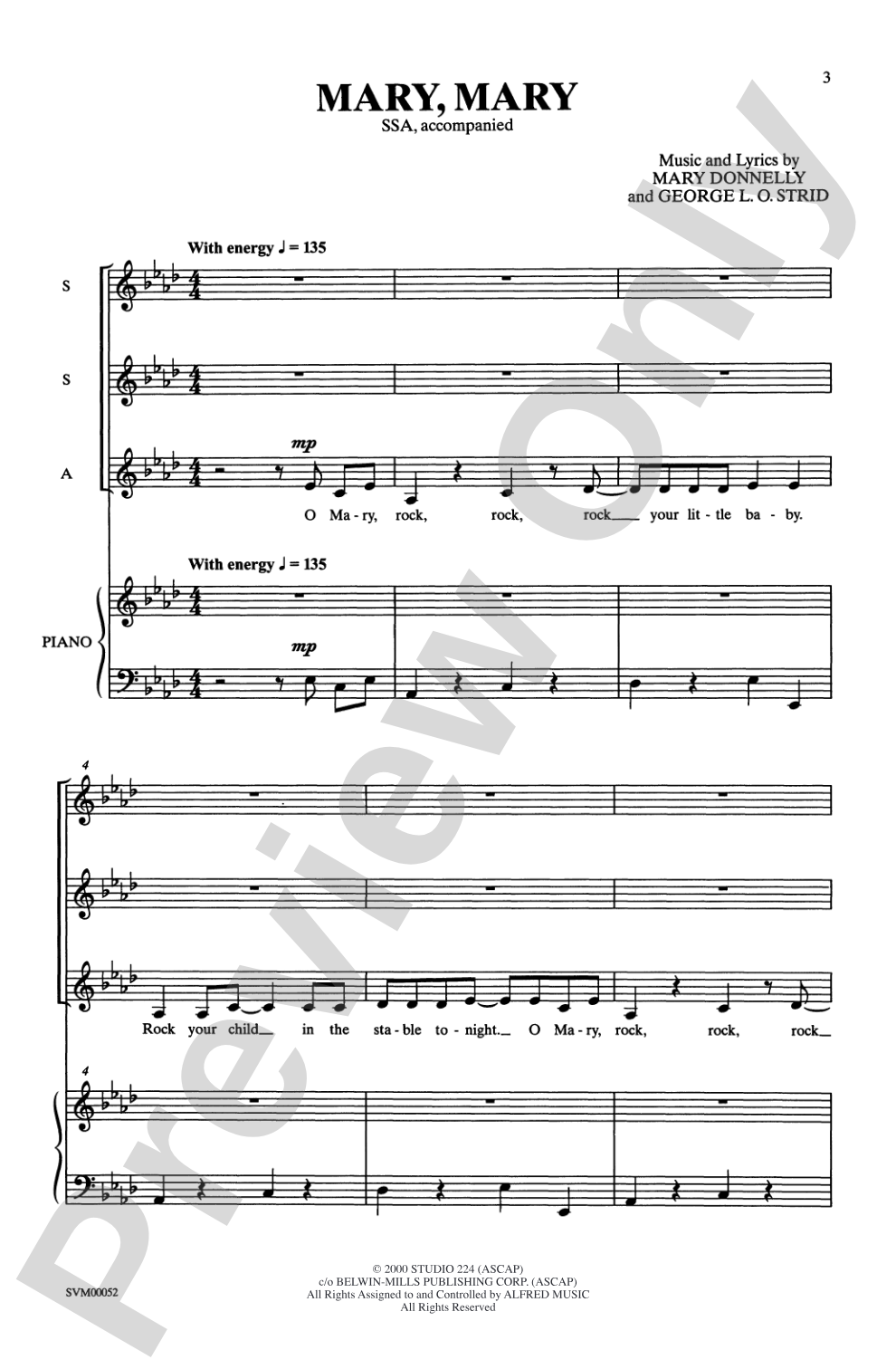
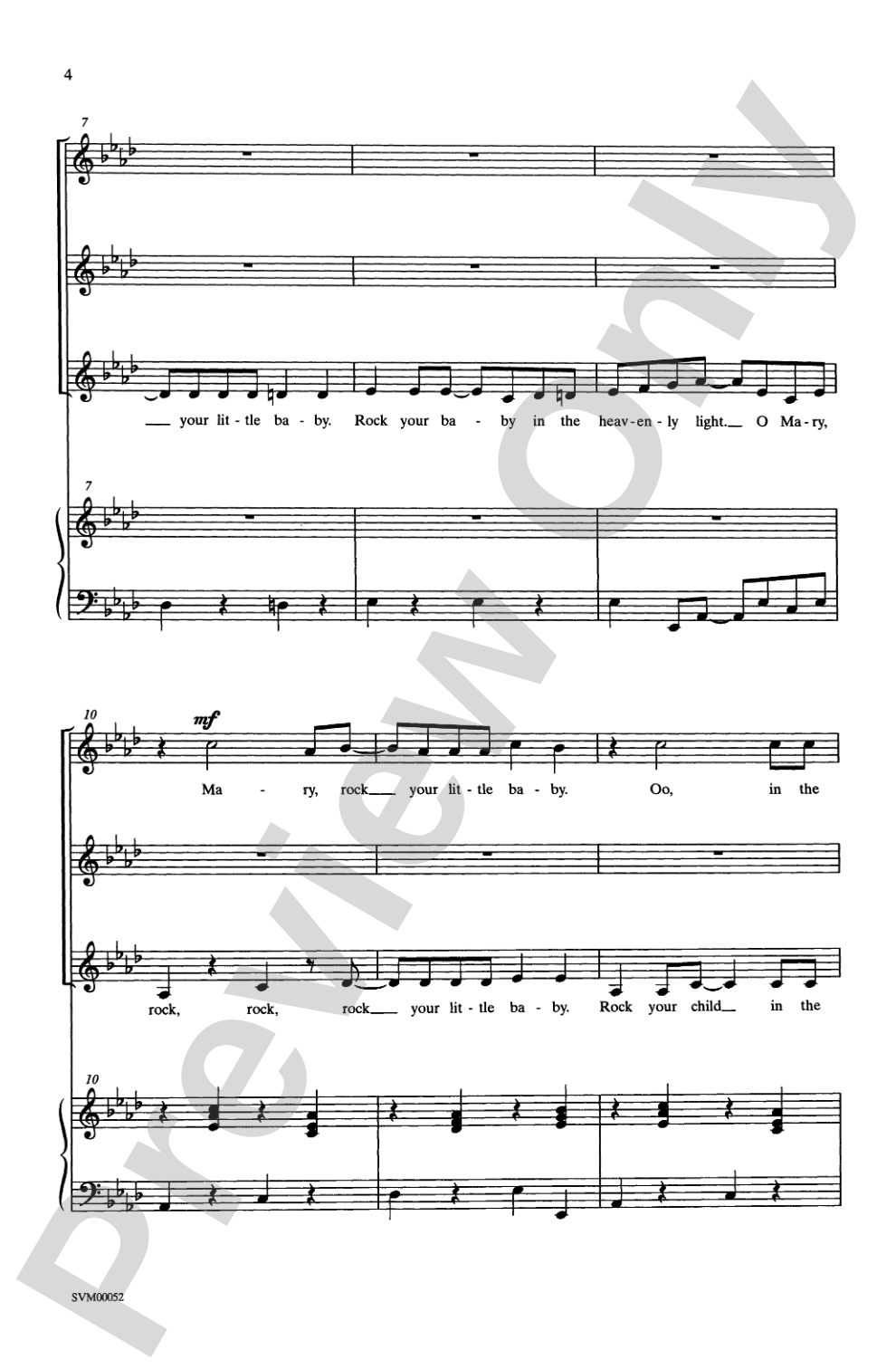
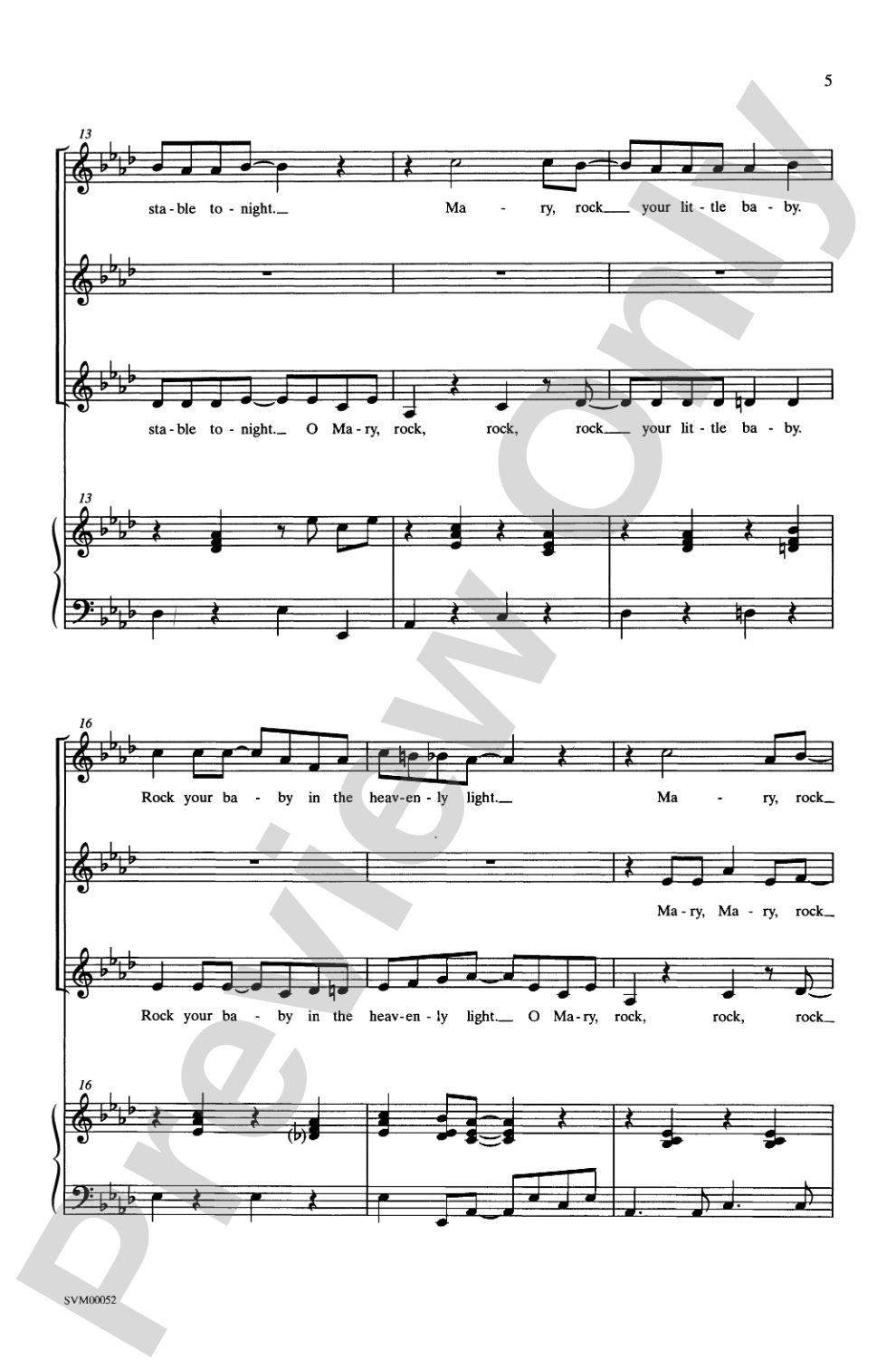

Mary, Mary: SSA Choral Octavo
Music and lyrics by Mary Donnelly and George L. O. Strid
Item: 00-PO-0005323
$2.95
Minimum order quantity: 20 copies
Pickup currently not available
Related Items
Mary, Mary: SATB Choral Octavo |
$2.95
|
View | |
Mary, Mary: SAB Choral Octavo |
$2.95
|
View | |
Mary, Mary: 2-Part Choral Octavo |
$2.25
|
View | |
Mary, Mary: SATB Choral Octavo |
$2.95
|
View | |
Mary, Mary: SAB Choral Octavo |
$2.95
|
View | |
Mary, Mary: SSA Choral Octavo |
$2.95
|
View | |
Mary, Mary: 2-Part Choral Octavo |
$2.25
|
View | |
Mary, Mary: Choral Octavo SoundTrax CD |
$27.99
|
View |
Description
Your choir will love to sing this gospel-rock winner! The multiple voicings of this upbeat original make this fantastic title available to all choirs. This is another great piece from Mary Donnelly and George Strid!


Mary, Mary: SSA Choral Octavo isn't in MakeMusic Cloud just yet...but it could be. Let us know you'd like to see it, and you'll help shape what comes next. In the meantime, start a free trial and dive into thousands of interactive titles your students can play along with today.
Request This Title
Tell us you want it.
Start Your Free Trial
Explore everything that's ready to play right now.
Sample Audio
No sample audio found.
Sample Video
No sample videos found.
Additional Details
Series:
Alfred Archive Edition: Studio PR Catalog
Publisher:
Alfred Music
Page Count:
16
SKU:
00-PO-0005323
More about this title
About the Composer: Mary Donnelly
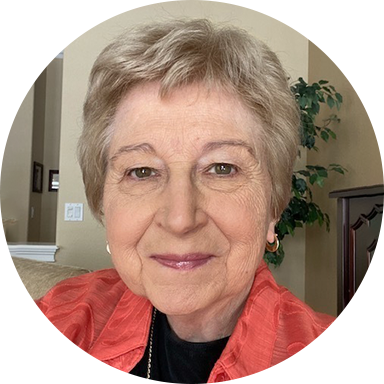
Mary Donnelly grew up in Reno, Nevada, and studied English and French at the University of Nevada before discovering her passion for music education. During her undergraduate years, she organized children's choruses, which inspired her to pursue formal training in music pedagogy. She earned a Master's Degree in Education from Lesley College in Cambridge, Massachusetts, where she focused on integrating arts across the curriculum. Over thirty years, she taught general music and choir in elementary and middle schools throughout Washoe County, Nevada, while remaining active in ACDA, NEA, and ASCAP.
In 1985, Donnelly began collaborating with George Strid when they team-taught a sixth grade general music class. Their principal's request to write a musical for Reading Week launched a prolific partnership that has produced over two hundred songs and twenty-five musicals. Since then, Donnelly and Strid have become recognized voices in accessible choral and musical theater composition, consistently crafting works that engage young singers and diverse skill levels.
Why we love this
This piece delivers genuine energy without sacrificing musicality. The SSA/SSAA flexibility means you're not locked into one voicing for your ensemble, so singers at different experience levels get to participate meaningfully in the same piece. Gospel-rock arrangements from this writing team consistently find that sweet spot between infectious fun and genuine musical substance.
What to expect
Upbeat and celebratory, with the rhythmic momentum of contemporary gospel infused into an original tune. The writing balances rhythmic vitality with moments of melodic clarity, so singers feel the forward motion while staying connected to the musical line.
Who it's for
This works beautifully for middle and high school choirs, particularly those with mixed experience levels or smaller sections. The multiple voicing options let you program ambitious, modern repertoire without forcing a one-size-fits-all arrangement on your ensemble.
How to get the most out of it
- Anchor the rhythm section (especially if using the recorded accompaniment) to maintain the groove; this style demands precision with the backbeat rather than subtle rubato.
- Keep the vowel shapes consistent across the choir when moving between the rhythmic figures and sustained notes, since the mix of styles can easily fragment the sound.
- Emphasize the syncopated hits in the arrangement; they give the piece its personality and keep the gospel-rock character sharp and spirited.
- Layer your rehearsals strategically: block out the full voicing early, then isolate each voice part to secure the independence before putting it back together.
How to use it
Program this for a holiday concert or spring concert that wants contemporary energy alongside traditional pieces. It pairs well with other modern sacred or gospel-influenced titles and works equally well as a standalone showstopper or part of a thematic set.
Skills your students will build
- Singing syncopated rhythms while maintaining ensemble precision
- Balancing rhythmic independence across voice parts
- Gospel-inflected phrasing and articulation
- Shifting between rhythmic and sustained vocal production
- Adapting to multiple voicing options (SSA and SSAA)