

Make a Joyful Noise: SATB Choral Octavo
Music by Sally K. Albrecht
Item: 00-PO-0006513
$2.25
Minimum order quantity: 20 copies
Pickup currently not available
Related Items
Make a Joyful Noise: 3-Part Mixed Choral Octavo |
$2.25
|
View | |
Make a Joyful Noise: 2-Part Choral Octavo |
$2.25
|
View | |
Make a Joyful Noise: Choral SoundPax |
$30.00
|
View | |
Make a Joyful Noise: SATB Choral Octavo |
$2.25
|
View | |
Make a Joyful Noise: 3-Part Mixed Choral Octavo |
$2.25
|
View | |
Make a Joyful Noise: 2-Part Choral Octavo |
$2.25
|
View | |
Make a Joyful Noise: Choral Octavo SoundTrax CD |
$27.99
|
View | |
Make a Joyful Noise: Choral SoundPax |
$30.00
|
View |
Description
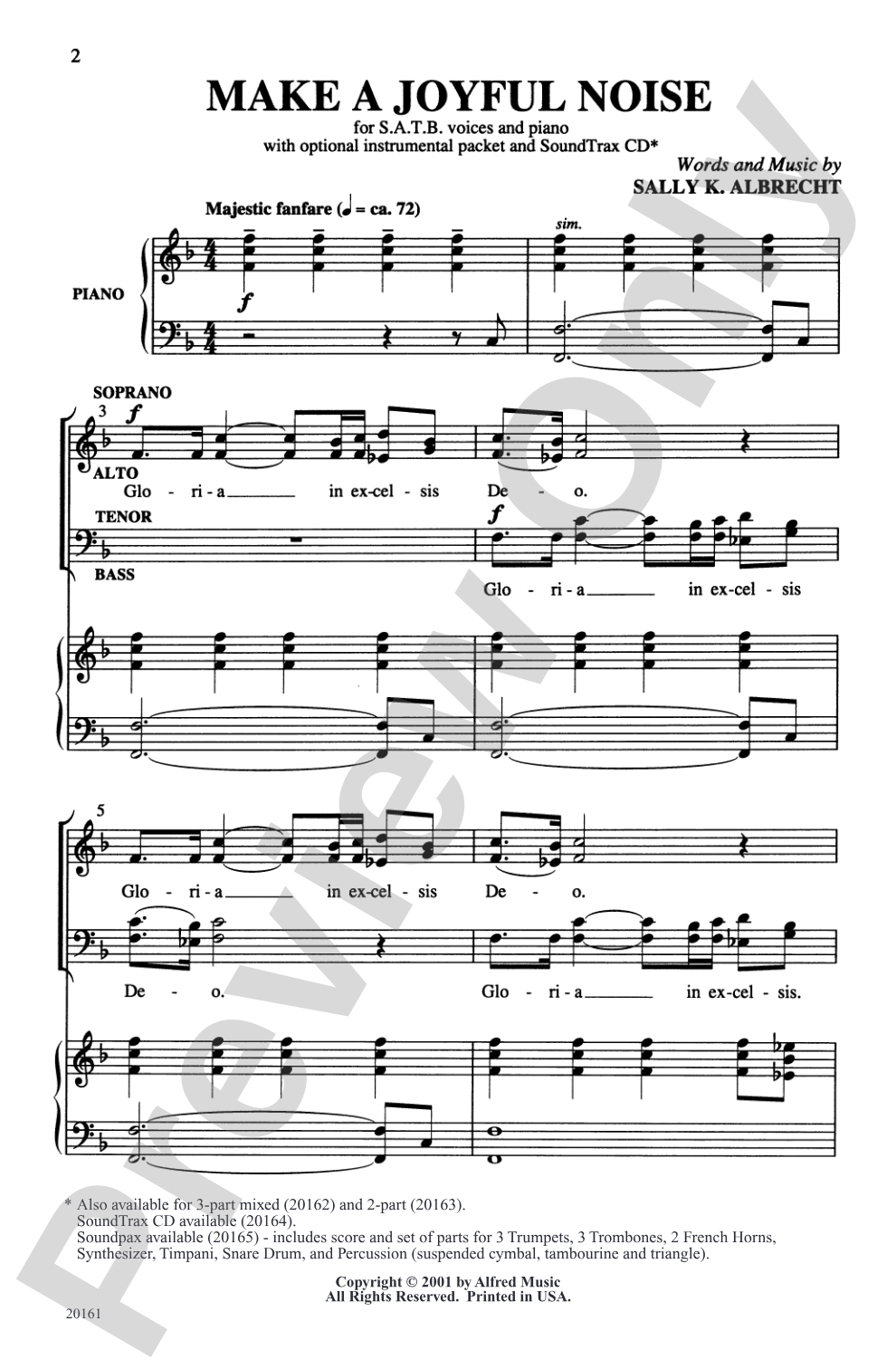
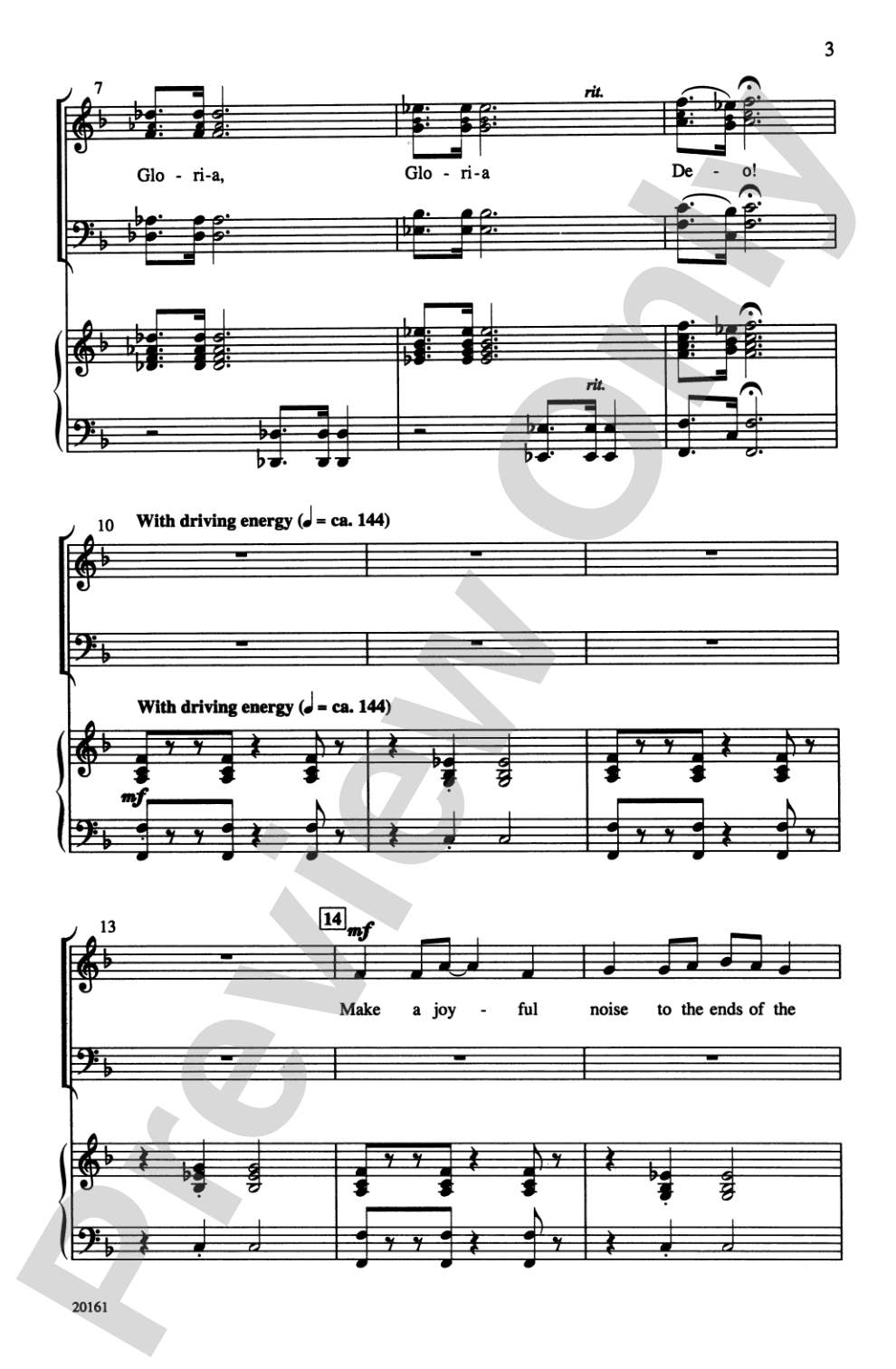
A majestic fanfare-like echo section opens this exceptional choral work by Sally K. Albrecht. The strong opening melody gives way to a driving contrapuntal section with handclaps. A descant powers the piece to a brilliant finish. The text is not sacred so it's ideal for school groups, but also suitable for church. Appropriate for general, Christmas, or festival use.


Make a Joyful Noise: SATB Choral Octavo isn't in MakeMusic Cloud just yet...but it could be. Let us know you'd like to see it, and you'll help shape what comes next. In the meantime, start a free trial and dive into thousands of interactive titles your students can play along with today.
Request This Title
Tell us you want it.
Start Your Free Trial
Explore everything that's ready to play right now.
Sample Audio
1
Audio File
--:--
0:00
0:00
Sample Video
No sample videos found.
Additional Details
Series:
Alfred Choral Designs
Publisher:
Alfred Music
Page Count:
12
SKU:
00-PO-0006513
More about this title
About the Composer: Sally K. Albrecht
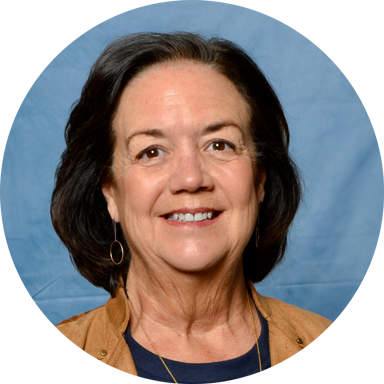
Sally K. Albrecht has shaped American choral music for decades as a composer, conductor, and clinician with a particular gift for integrating movement into choral performance. Since 1987, she has received annual ASCAP Special Music Awards and maintains over 600 choral publications in print, alongside 75 larger works including full musicals and songbooks. Her conducting has been sought after for honor choirs and festivals nationwide, from Lincoln Center to Carnegie Hall to The Kennedy Center.
Albrecht spent more than thirty years directing school choral and vocal publications for major educational music publishers, most recently as Director of School Choral, Vocal, and Elementary Publications at Alfred Music. She holds degrees from Rollins College (B.A. in Music and Theater, 1976) and the University of Miami (M.A. in Drama, 1977; M.M. in Accompanying, 1979), and has taught in music departments at Oakland University, Jersey City State College, and Meredith College. A Cleveland native, she now lives in North Carolina with her husband, composer and arranger Jay Althouse, and has received the Distinguished Alumna Award from both the University of Miami Frost School of Music and Rollins College.
Why we love this
Albrecht's gift for structural drama shines here: the fanfare opening immediately signals that this is event-worthy repertoire, while the contrapuntal section with handclaps brings your singers into physical collaboration without requiring choreography expertise. The descant carries genuine emotional weight rather than serving as mere textural garnish, making this piece feel substantial enough for a festival or holiday concert while remaining accessible to school choirs.
What to expect
The opening fanfare-like section establishes an air of celebration and pageantry, inviting the listener into something grand and purposeful. Once the contrapuntal writing takes hold alongside the handclaps, the piece shifts into something vital and driving, with human rhythm at its core; the descant finale lifts everything toward brightness and affirmation.
Who it's for
This piece suits school and community choirs seeking repertoire with dramatic flair and contemporary energy. Its non-sacred text and flexible programming appeal equally to general concerts, Christmas programs, and winter festivals, while the moderate technical demands make it accessible to choirs with mixed experience levels.
How to get the most out of it
- Shape the opening fanfare with clear articulation and dynamic contrast; the echo effect relies on precise attacks and releases to land its architectural impact.
- Emphasize the handclap section's rhythmic precision during rehearsal by removing voices and letting only the clapping speak until the pattern feels inevitable, then layer voices back in gradually.
- Balance the descant carefully in the final section so it soars without drowning the harmonic foundation; mark dynamic targets in rehearsal and test the blend from different positions in the room.
- If using the recorded accompaniment, run full rehearsals with it well before the performance so singers internalize its tempo and energy rather than fighting against it.
How to use it
Open a winter concert with this piece to set an energetic, celebratory tone immediately. Pair it with other Albrecht works or contrasting a cappella selections to let its accompaniment and movement elements stand out, or program it as the closing number of a Christmas concert where its joyful momentum sends the audience out on a high note.
Skills your students will build
- Sustaining ensemble blend across contrasting textures (fanfare, counterpoint, descant harmony)
- Rhythmic precision in synchronized handclap parts while singing
- Balancing a descant line aurally within a four-part harmonic context
- Responding to dynamic architectural shifts across distinct sections
- Coordinating physical ensemble movement (handclaps) with vocal production