

Make a Joyful Noise: 2-Part Choral Octavo
Music by Sally K. Albrecht
Item: 00-PO-0004216
$2.25
Minimum order quantity: 20 copies
Pickup currently not available
Related Items
Make a Joyful Noise: SATB Choral Octavo |
$2.25
|
View | |
Make a Joyful Noise: 3-Part Mixed Choral Octavo |
$2.25
|
View | |
Make a Joyful Noise: Choral SoundPax |
$30.00
|
View | |
Make a Joyful Noise: SATB Choral Octavo |
$2.25
|
View | |
Make a Joyful Noise: 3-Part Mixed Choral Octavo |
$2.25
|
View | |
Make a Joyful Noise: 2-Part Choral Octavo |
$2.25
|
View | |
Make a Joyful Noise: Choral Octavo SoundTrax CD |
$27.99
|
View | |
Make a Joyful Noise: Choral SoundPax |
$30.00
|
View |
Description
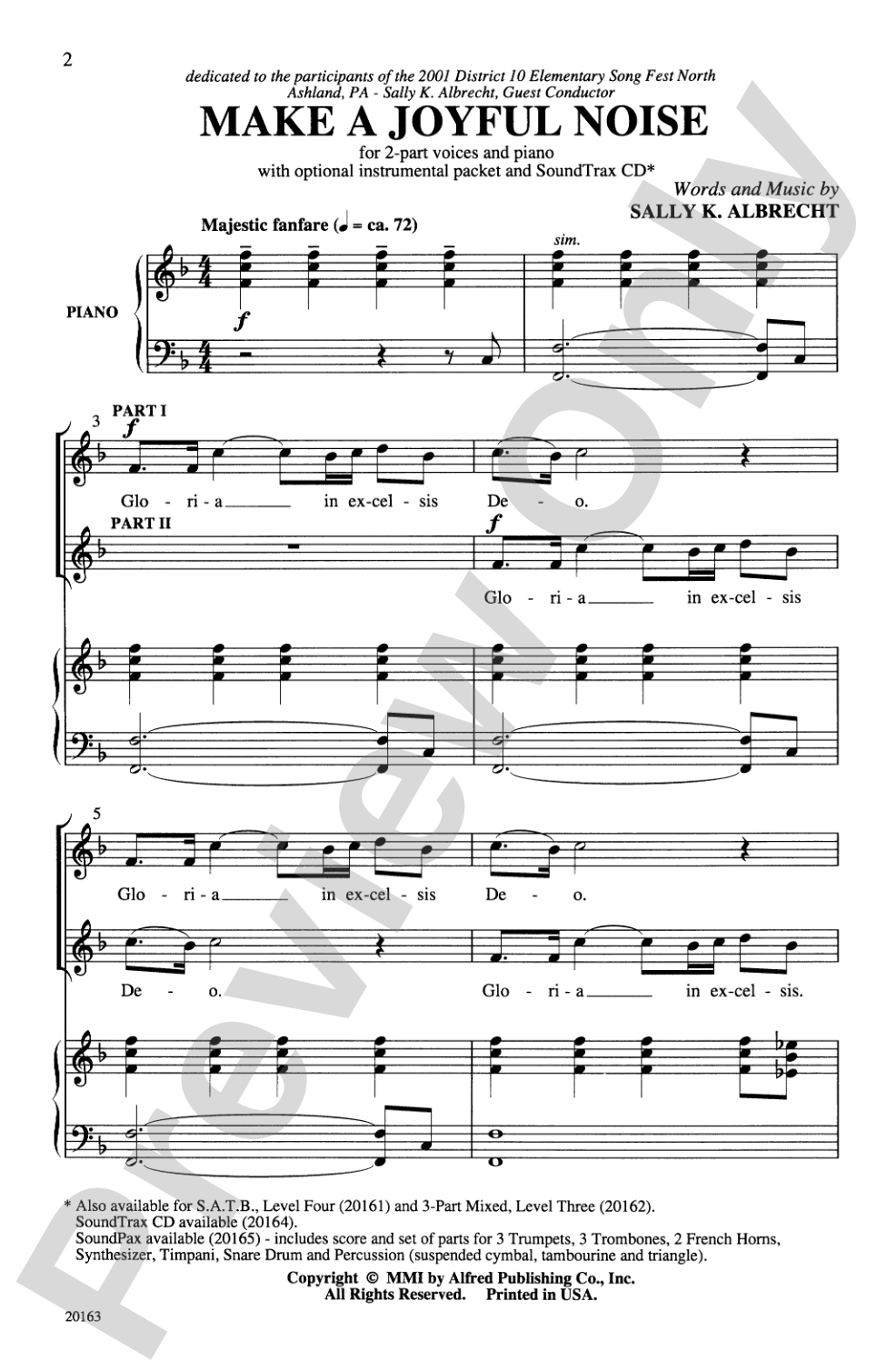
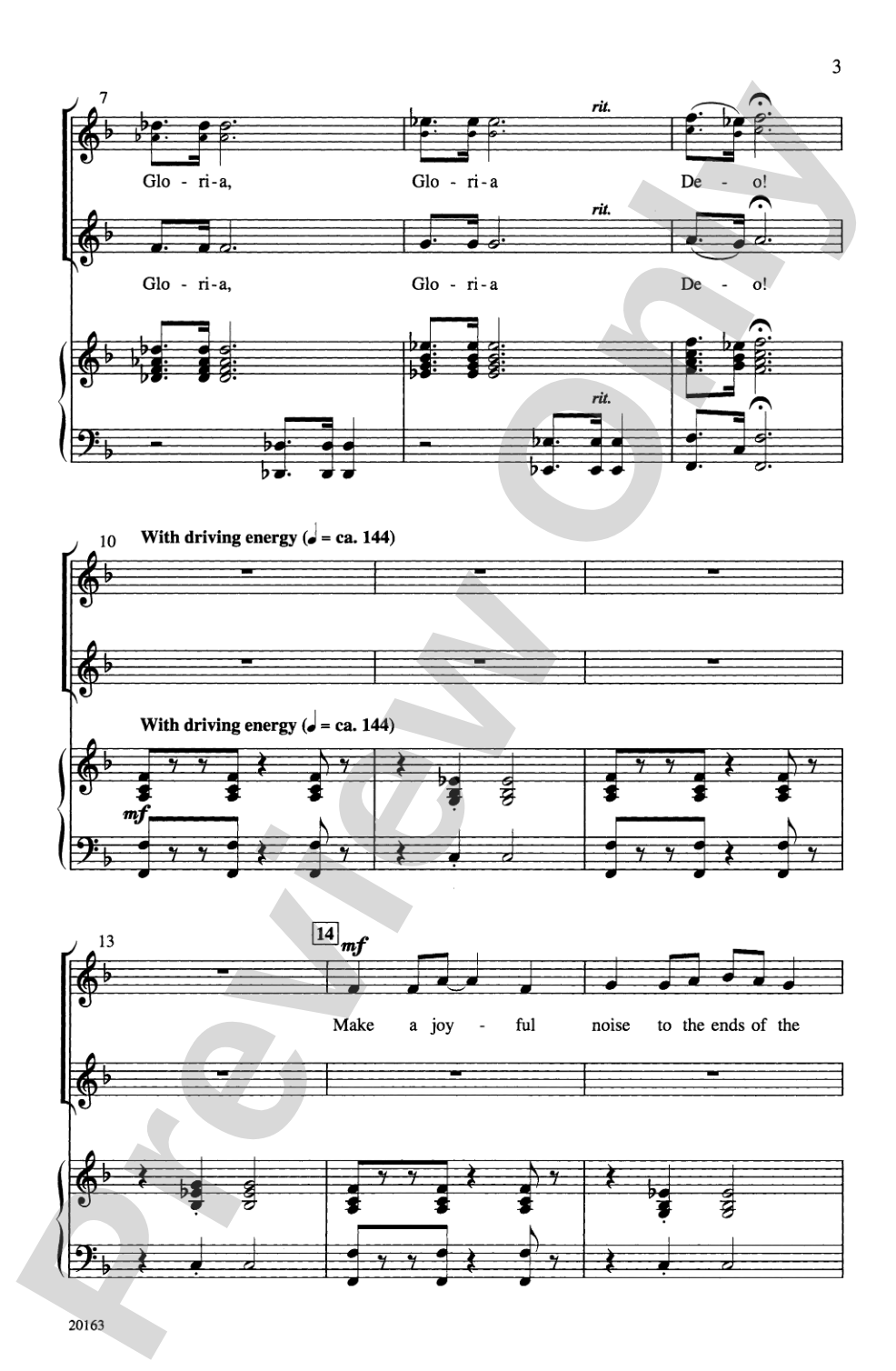
A majestic fanfare-like echo section opens this exceptional choral work by Sally K. Albrecht. The strong opening melody gives way to a driving contrapuntal section with handclaps. A descant powers the piece to a brilliant finish. The text is not sacred so it's ideal for school groups, but also suitable for church. Appropriate for general, Christmas, or festival use.


Make a Joyful Noise: 2-Part Choral Octavo isn't in MakeMusic Cloud just yet...but it could be. Let us know you'd like to see it, and you'll help shape what comes next. In the meantime, start a free trial and dive into thousands of interactive titles your students can play along with today.
Request This Title
Tell us you want it.
Start Your Free Trial
Explore everything that's ready to play right now.
Sample Audio
1
Audio File
--:--
0:00
0:00
Sample Video
No sample videos found.
Additional Details
Series:
Alfred Archive Edition: Alfred Choral Designs
Publisher:
Alfred Music
Page Count:
12
SKU:
00-PO-0004216
More about this title
About the Composer: Sally K. Albrecht
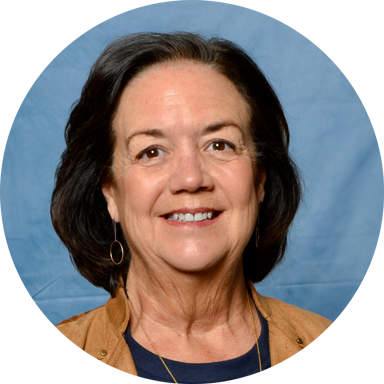
Sally K. Albrecht has shaped American school choral music for decades as a prolific composer, conductor, and clinician with a special focus on movement-integrated choral performance. Her catalog includes over 600 choral works and 75 musicals and songbooks; since 1987, she has been a regular recipient of the ASCAP Special Music Award. She has led honor choirs at major venues including Lincoln Center, Carnegie Hall, and The Kennedy Center, and spent more than 30 years directing school choral and vocal publications for Alfred Music and other leading educational publishers.
Holding degrees from Rollins College (B.A. in Music and Theater, 1976), the University of Miami (M.A. in Drama, 1977; M.M. in Accompanying, 1979), Albrecht has taught at Oakland University, Jersey City State College, and Meredith College. She served as Chair of the Board of Trustees for the Omicron Delta Kappa National Leadership Honor Society and received their Pillar of Leadership award. In 2021, she was named Distinguished Alumna by both the University of Miami Frost School of Music and Rollins College, where she serves on the Board of Trustees. She resides in Wake Forest, North Carolina, with her husband, composer and arranger Jay Althouse.
Why we love this
The opening fanfare immediately signals sophistication while remaining accessible to young singers; the shift into contrapuntal writing with handclaps creates genuine rhythmic energy that students find satisfying to execute. The descant finale rewards singers with a soaring moment that feels earned, and the secular text means you can program it confidently across school concerts, winter festivals, and holiday celebrations without restriction.
What to expect
The piece opens with ceremonial grandeur, then shifts into propulsive, almost playful energy as the rhythm section kicks in with handclaps driving the contrapuntal writing. A sense of building momentum carries through to the descant, which lifts the entire piece skyward in its final moments—joyful and assured.
Who it's for
Middle school and high school choirs seeking accessible yet musically substantial repertoire for winter concerts and festivals. The 2-part voicing makes it ideal for younger ensembles or groups with limited soprano-alto separation, while the musical sophistication and structural variety will hold the attention of more experienced singers.
How to get the most out of it
- Shape the opening fanfare with clarity and precision; treat it as an orchestral gesture that sets the tone for the entire piece, even though it's sung.
- Drill the contrapuntal section slowly at first, isolating each voice part before combining them, so singers hear their individual lines and understand how they interlock.
- Keep the handclaps crisp and synchronized; they're not decoration but rhythmic foundation, so coordinate them as seriously as you would a percussion section.
- Bring out the descant in the final section with confidence; it should soar above the supporting harmony without sounding thin or strained.
How to use it
Position this as an opener or early-program number to energize an audience with its fanfare beginning and sustained forward motion. Its festive character makes it perfect for December concerts, winter festivals, or holiday-themed programs, and the non-sacred text offers flexibility for school settings or inclusive concert contexts.
Skills your students will build
- Singing independent contrapuntal lines while hearing other voice parts
- Rhythmic precision in ensemble contexts with added handclap accompaniment
- Reading and performing descant lines with control and projection
- Dynamic contrast between fanfare openings and more intricate middle sections