

Make a Joyful Noise: 3-Part Mixed Choral Octavo
Music by Sally K. Albrecht
Item: 00-PO-0004215
$2.25
Minimum order quantity: 20 copies
Pickup currently not available
Related Items
Make a Joyful Noise: SATB Choral Octavo |
$2.25
|
View | |
Make a Joyful Noise: 2-Part Choral Octavo |
$2.25
|
View | |
Make a Joyful Noise: Choral SoundPax |
$30.00
|
View | |
Make a Joyful Noise: SATB Choral Octavo |
$2.25
|
View | |
Make a Joyful Noise: 3-Part Mixed Choral Octavo |
$2.25
|
View | |
Make a Joyful Noise: 2-Part Choral Octavo |
$2.25
|
View | |
Make a Joyful Noise: Choral Octavo SoundTrax CD |
$27.99
|
View | |
Make a Joyful Noise: Choral SoundPax |
$30.00
|
View |
Description
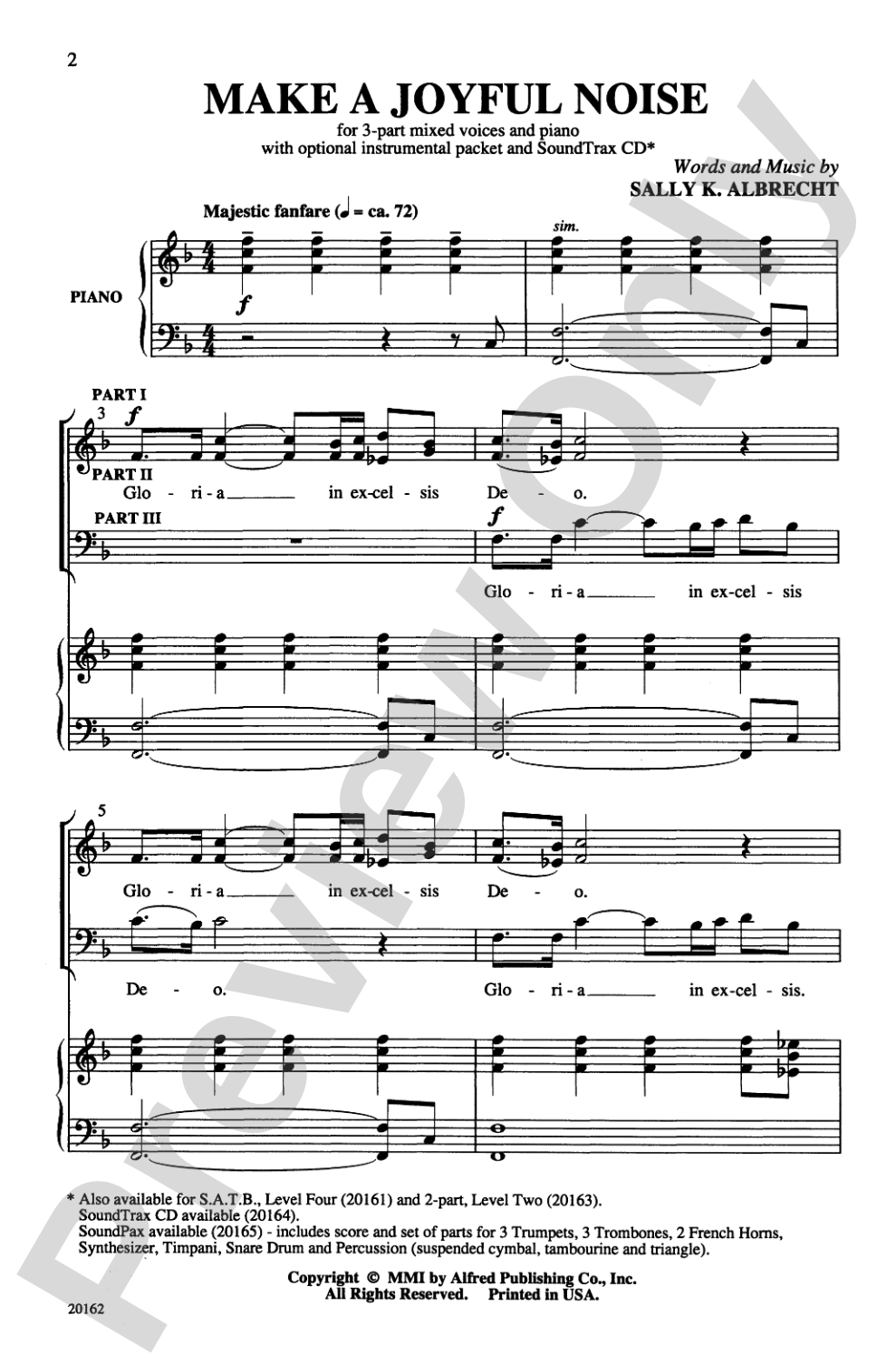
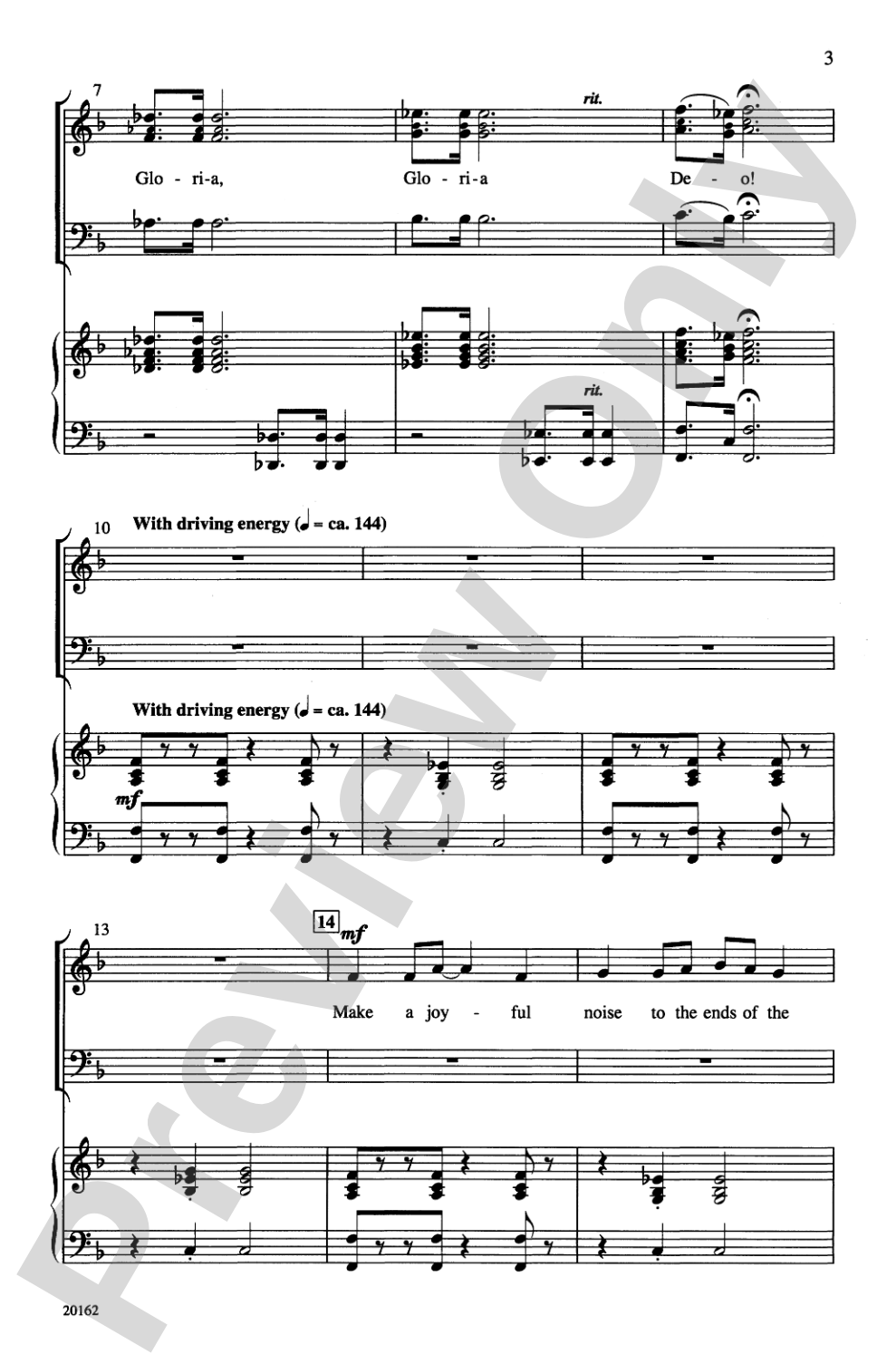
A majestic fanfare-like echo section opens this exceptional choral work by Sally K. Albrecht. The strong opening melody gives way to a driving contrapuntal section with handclaps. A descant powers the piece to a brilliant finish. The text is not sacred so it's ideal for school groups, but also suitable for church. Appropriate for general, Christmas, or festival use.


Make a Joyful Noise: 3-Part Mixed Choral Octavo isn't in MakeMusic Cloud just yet...but it could be. Let us know you'd like to see it, and you'll help shape what comes next. In the meantime, start a free trial and dive into thousands of interactive titles your students can play along with today.
Request This Title
Tell us you want it.
Start Your Free Trial
Explore everything that's ready to play right now.
Sample Audio
1
Audio File
--:--
0:00
0:00
Sample Video
No sample videos found.
Additional Details
Series:
Alfred Archive Edition: Alfred Choral Designs
Publisher:
Alfred Music
Page Count:
12
SKU:
00-PO-0004215
More about this title
About the Composer: Sally K. Albrecht
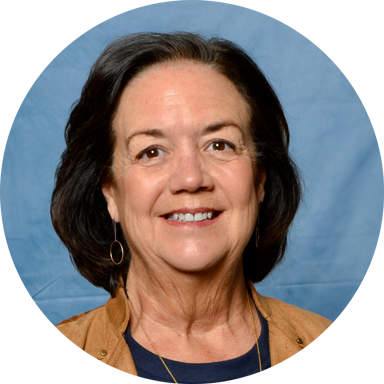
Sally K. Albrecht stands among the most prolific voices in American choral music, with more than 600 published works and 75 larger musicals and songbooks in circulation. Since 1987, she has been an annual recipient of the ASCAP Special Music Award in recognition of her contributions to music education and composition. Her career has spanned three decades as Director of School Choral, Vocal, and Elementary Publications at major educational publishers, including Alfred Music, while simultaneously building a reputation as a conductor and clinician at premier festivals and honor choirs held at Lincoln Center, Carnegie Hall, and The Kennedy Center.
Albrecht holds degrees from Rollins College (B.A. in Music and Theater, 1976), the University of Miami (M.A. in Drama, 1977), and the University of Miami Frost School of Music (M.M. in Accompanying, 1979). Her expertise in choral movement and contemporary pedagogical approaches has shaped generations of student singers and directors. In 2021, she received the Distinguished Alumna Award from both the University of Miami Frost School of Music and Rollins College, where she serves on the Board of Trustees. She currently resides in Wake Forest, North Carolina, with her husband, composer and arranger Jay Althouse.
Why we love this
The opening fanfare immediately captures attention with its majestic echo section, while the shift into contrapuntal writing keeps singers engaged throughout. The addition of handclaps grounds the middle section in rhythmic precision, and the descant finale delivers the kind of soaring moment that reminds your singers exactly why they love performing together.
What to expect
The piece radiates festive energy from its opening, with the majestic fanfare establishing a sense of celebration and grandeur. As the contrapuntal section unfolds with hand claps driving the rhythm, the texture becomes playful and engaging, building momentum that culminates in a brilliant, soaring finish.
Who it's for
This piece works beautifully for school choirs at the middle or high school level seeking an energetic secular choral work with strong visual and kinesthetic appeal. Its accessibility in 3-part voicing makes it suitable for mixed ensembles of varying experience, while the secular text and festive character also serve church choirs looking for contemporary material beyond traditional sacred repertoire.
How to get the most out of it
- Shape the fanfare opening with clear articulation and controlled dynamics; the echo effect demands rhythmic precision from both groups, so lock the opening gestures in rehearsal before layering in expression.
- Keep the handclap rhythm crisp and consistent during the contrapuntal section. Mark the beat clearly and consider having your singers practice clapping independently first, then integrate it with their vocal line.
- Bring out the descant in the final section by balancing your voicing so it cuts through without overwhelming the harmonic foundation; a brief rehearsal with just the descant singers will help them own the line.
- Use the recorded accompaniment to establish tempo and harmonic stability, especially through the contrapuntal middle section where independent vocal lines need harmonic grounding.
How to use it
Program this as a concert opener or closer during winter concerts, holiday performances, or spring festivals where you want to set a joyful, energetic tone. Its secular text makes it equally fitting for secular and sacred contexts, so consider pairing it with both traditional carols and contemporary pieces depending on your concert theme.
Skills your students will build
- Balancing independent melodic lines in contrapuntal writing
- Maintaining rhythmic precision while singing and executing body percussion (handclaps)
- Reading and performing three-part mixed voicing (SAB)
- Shaping ensemble dynamics across contrasting sections (fanfare, contrapuntal, descant)
- Coordinating vocal and physical expression in ensemble performance