
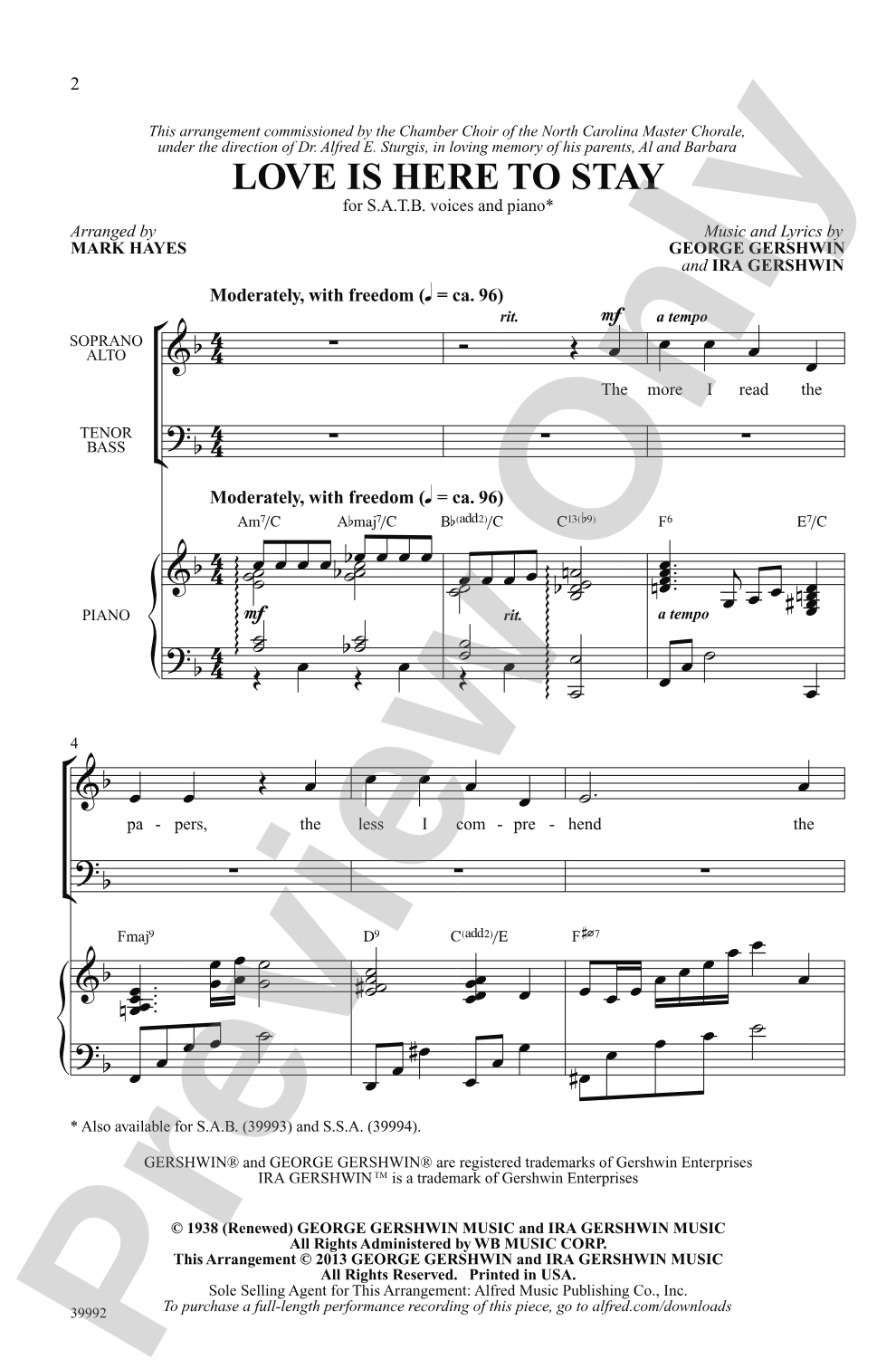

Love Is Here to Stay: SATB Choral Octavo
Music and lyrics by George Gershwin and Ira Gershwin / arr. Mark Hayes
Item: 00-PO-0001731
$2.10
Minimum order quantity: 20 copies
One moment…
Description
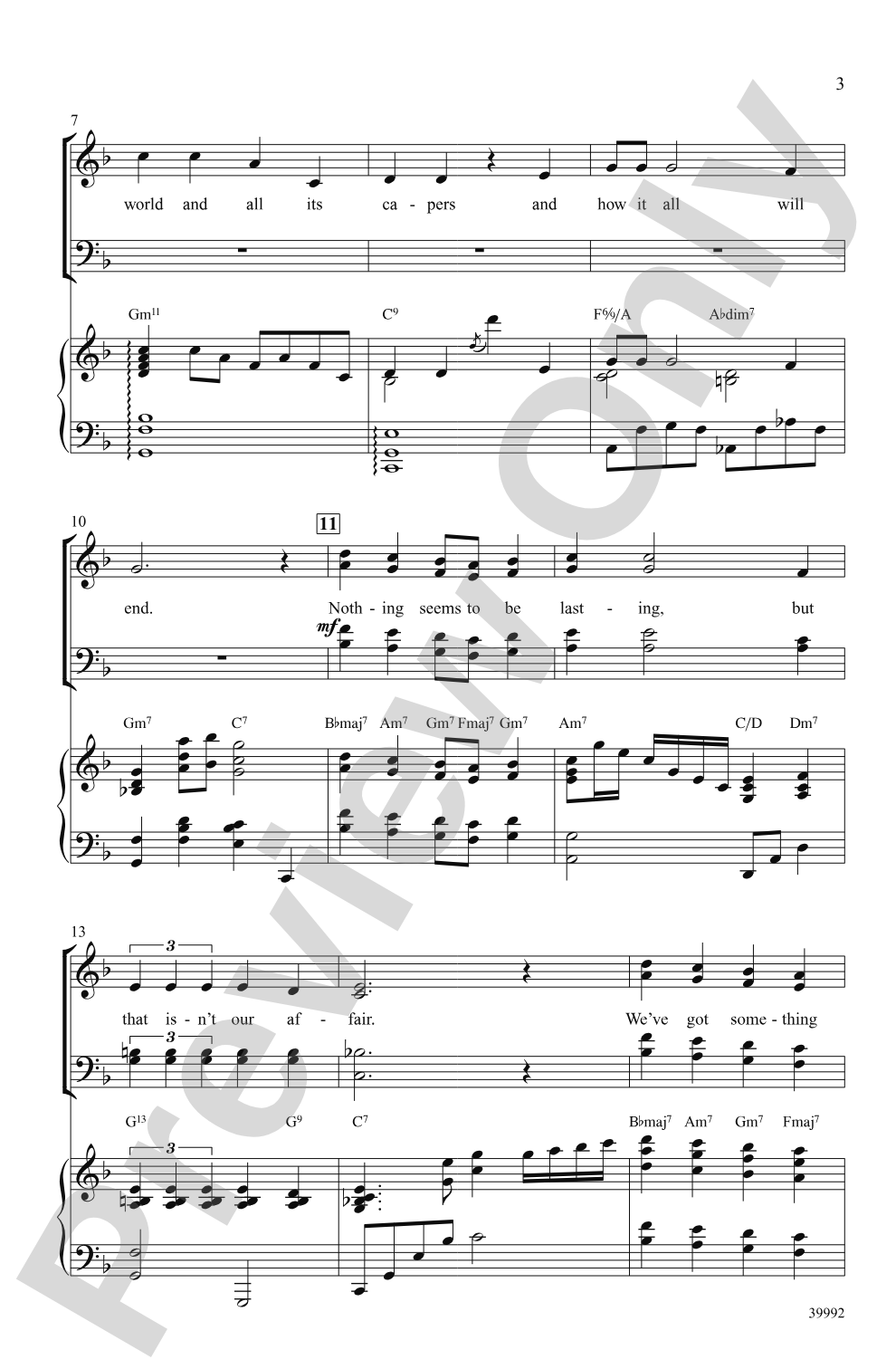
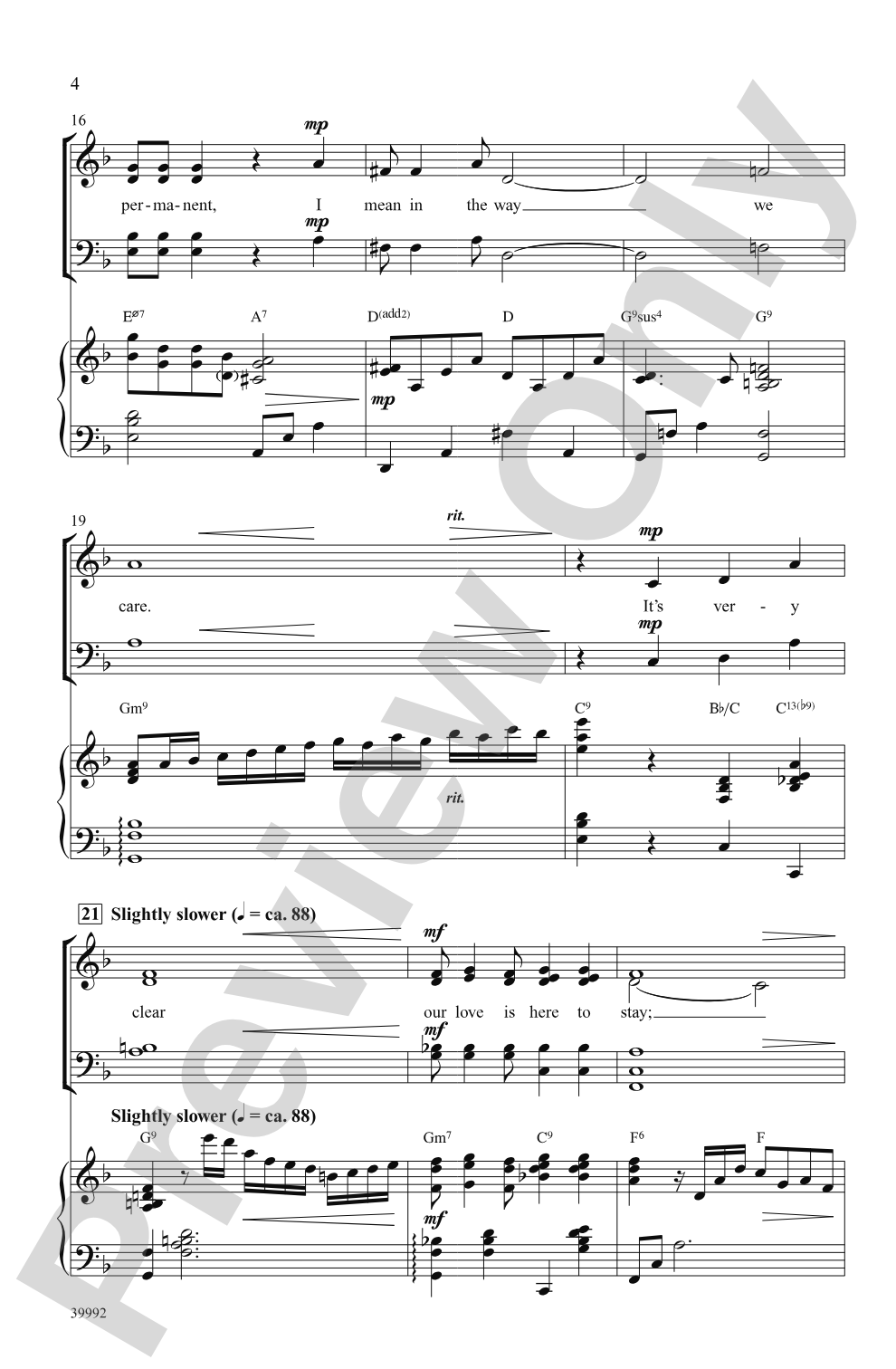
A developed piano accompaniment carries the voices on a sentimental journey from the lush opening to the light swing ending. This is Mark Hayes at his best!


Love Is Here to Stay: SATB Choral Octavo isn't in MakeMusic Cloud just yet...but it could be. Let us know you'd like to see it, and you'll help shape what comes next. In the meantime, start a free trial and dive into thousands of interactive titles your students can play along with today.
Request This Title
Tell us you want it.
Start Your Free Trial
Explore everything that's ready to play right now.
Sample Audio
1
Audio File
--:--
0:00
0:00
Sample Video
No sample videos found.
Additional Details
Series:
Alfred Pop Choral Series
Publisher:
Alfred Music
Page Count:
12
SKU:
00-PO-0001731
More about this title
About the Composer: George Gershwin
George Gershwin (1898-1937) bridged classical and popular music with a fluency that few composers have matched. His melodies became the soundtrack to American life, and his harmonic language shaped how generations of musicians understood the relationship between jazz idioms and concert music.
Why we love this
Mark Hayes knows how to honor a standard without getting precious about it. His piano writing here is substantial enough to engage musicians but never overshadows the voices, and that swing ending gives choirs permission to smile and have fun with a masterpiece.
What to expect
The arrangement unfolds like a conversation between old friends, beginning in a space of genuine tenderness and moving gently toward brightness. There is no cynicism here, no irony, just the pleasure of a perfect melody supported by thoughtful, generous harmony.
Who it's for
Any SATB choir looking to program a beloved standard with sophistication and warmth. This works equally well for community choirs, church choirs, and college ensembles seeking accessible repertoire with real musical substance.
How to get the most out of it
- Shape the opening with a generous rubato. The lush accompaniment invites flexibility; let the piano establish atmosphere before the voices enter.
- Balance the harmony so inner voices support the melody without muddying the texture. This arrangement has harmonic depth that only works if each part is heard.
- Approach the swing section with rhythmic precision. The lighter feel should feel easy and natural, not stiff or overly syncopated.
- Listen carefully to the accompaniement for harmonic motion cues. Hayes uses the piano part to signal phrasing and emotional turning points.
How to use it
Pair this with other Gershwin arrangements or American standards to build a cohesive set, or use it as a closer to a concert where you want to leave the audience in a reflective but ultimately uplifted mood. The swing ending makes it an excellent encore choice.
Skills your students will build
- Singing jazz harmony and altered chords in context
- Balancing melody with complex inner-voice movement
- Transitioning between rubato and rhythmic precision
- Interpreting a lyrical melody with stylistic authenticity