Let All Nations Sing Cover Image

Let All Nations Sing: SAB Choral Octavo

$2.25 USD
Sale price  $2.25 USD Regular price 
Skip to product information
Let All Nations Sing Cover Image

Let All Nations Sing: SAB Choral Octavo

Words and music by Sally K. Albrecht

Item: 00-35515

makemusic Cloud badge

Need it now?

Buy Digital Version
$2.25
Shipped

One moment…

Description
This joyous and majestic fanfare features lots of echoes for effective singing (and easy learning). Appropriate for general and holiday use, school and church.

Don't just read it, hear it, play along with it, and watch your students grow with it. In MakeMusic Cloud, Let All Nations Sing: SAB Choral Octavo comes alive with professional accompaniment, adjustable tempo, and built-in practice tools that turn solo practice into real progress.

Sample Pages

Sample Audio
0:00
0:00
Sample Video
Additional Details
Series: Alfred Choral Designs
Publisher: Alfred Music
Page Count: 8
UPC: 038081397115
SKU: 00-35515

More about this title

About the Composer: Sally K. Albrecht
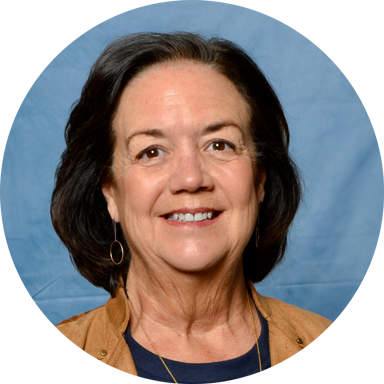
Sally K. Albrecht

Sally K. Albrecht brings three decades of experience as a choral composer, conductor, and clinician to everything she writes. Since 1987, she has received the ASCAP Special Music Award annually and maintains over 600 published choral works in print, alongside 75 larger musicals and songbooks. She has led honor choirs at major venues including Lincoln Center, Carnegie Hall, and The Kennedy Center, and served as Director of School Choral, Vocal, and Elementary Publications for Alfred Music and other leading educational publishers.

Albrecht holds degrees from Rollins College (B.A. in Music and Theater, 1976), the University of Miami (M.A. in Drama, 1977; M.M. in Accompanying, 1979), and has taught at Oakland University, Jersey City State College, and Meredith College. In 2021, she received the Distinguished Alumna Award from both the University of Miami Frost School of Music and Rollins College, where she now serves on the Board of Trustees. A native of Cleveland, Ohio, she lives in Wake Forest, North Carolina, with her husband, composer and arranger Jay Althouse.

Why we love this

The architectural use of echoes serves double duty here: it creates immediate musical sophistication while making the learning curve forgiving for singers at all levels. Albrecht's gift for writing accessible yet genuinely joyful music means you'll hear genuine enthusiasm rather than forced energy, and the fanfare character gives your choir a moment of pure celebration.

What to expect

Radiant and ceremonial, this fanfare opens ears and hearts with its bright character and bold gestures. The interplay of echoing sections creates a sense of joyous conversation, as if one voice calls out and others joyfully answer back.

Who it's for

Directors programming general concerts, holiday services, or both will find this piece immediately useful. SAB voicing makes it accessible to school and community choirs with evolving ranges and abilities, and the eight-page length fits comfortably into rehearsal schedules without demanding extensive preparation time.

How to get the most out of it

  • Shape the echo sections with clarity by having singers commit fully to the initial phrase, then pull back slightly on the echo to create sonic space and definition.
  • Maintain a steady, confident tempo throughout to let the majestic character breathe without dragging; the echoes work best when they land on solid rhythmic ground.
  • Balance the SAB voicing carefully in rehearsal, particularly where lower voices sustain under upper voice movement, so no single line disappears into the texture.

How to use it

Open a holiday concert with this piece to set an uplifting tone immediately, or use it to close a spring concert when you want the audience to leave with genuine brightness. Its versatility across sacred and general contexts makes it a strong anchor for any program seeking celebratory material.

Skills your students will build

  • Singing sustained, supported tones in three-part mixed voicing
  • Executing echo/call-and-response patterns with rhythmic precision
  • Blending upper and lower voices while maintaining line independence
  • Reading and performing in major key tonality at a moderate tempo

You May Also Like
