
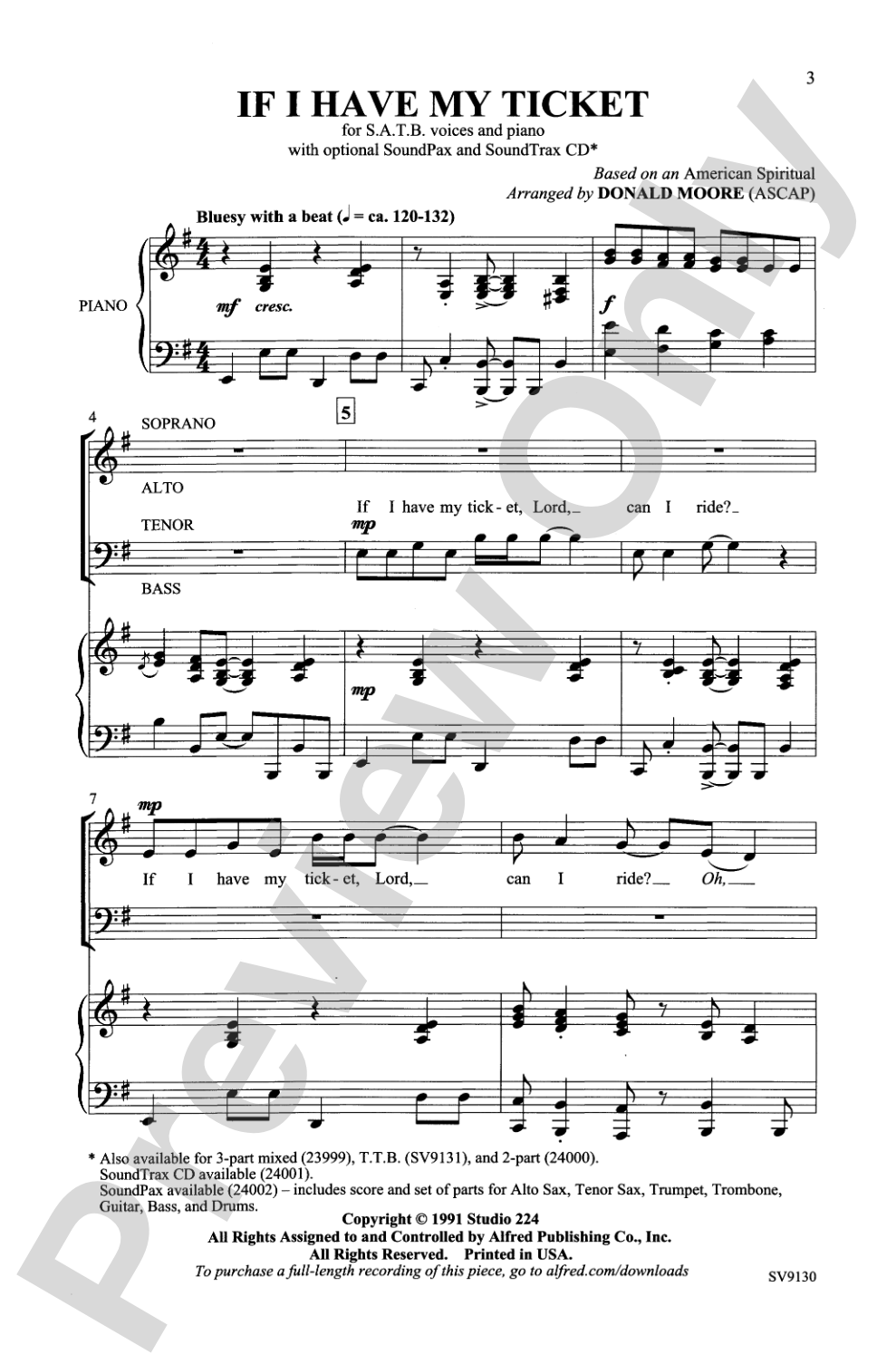
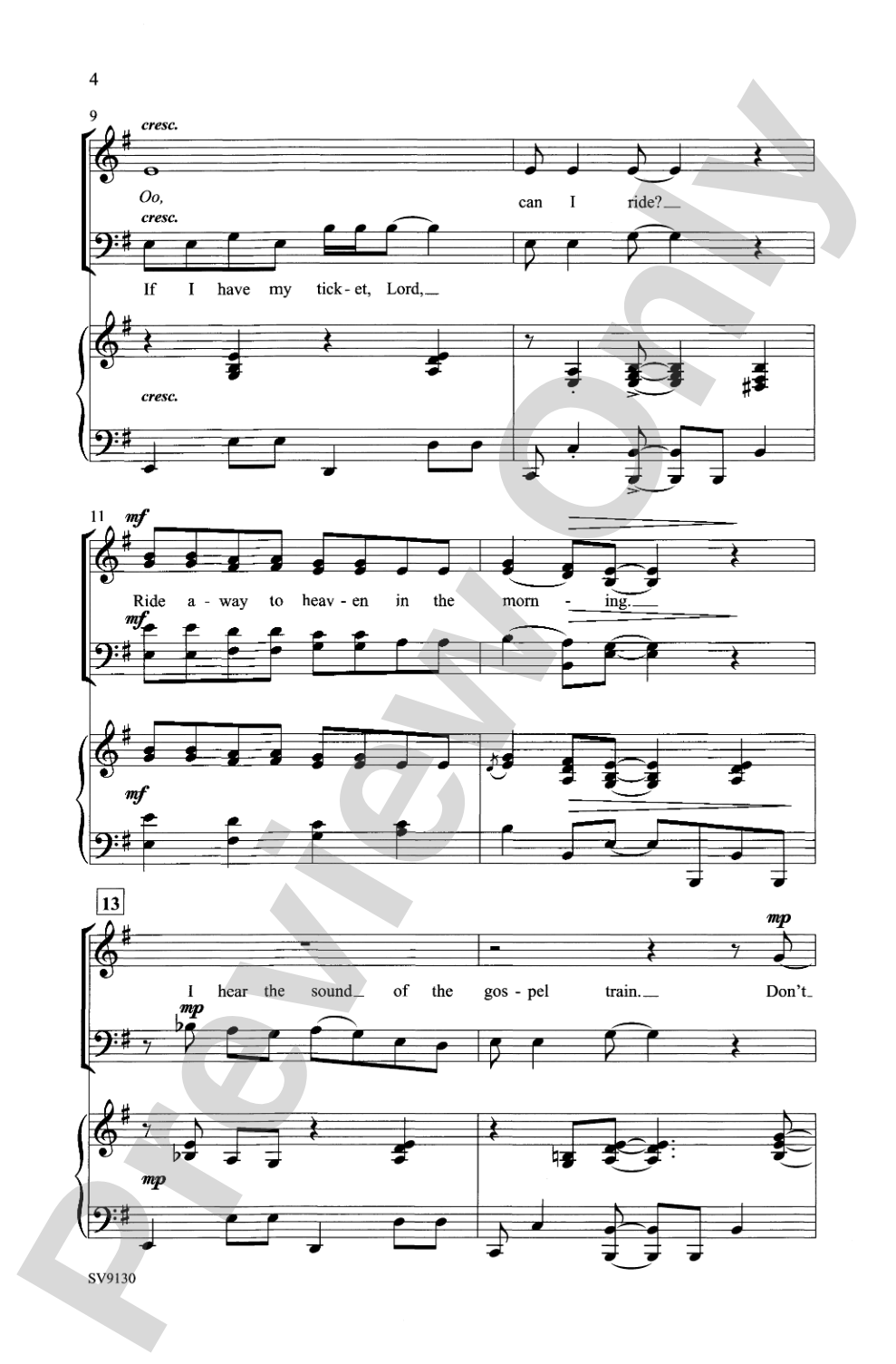

If I Have My Ticket: SATB Choral Octavo
Based on an American Spiritual / arr. Donald Moore
Item: 00-PO-0002742
$2.25
Minimum order quantity: 20 copies
Pickup currently not available
Related Items
If I Have My Ticket: 3-Part Choral Octavo |
$1.65
|
View | |
If I Have My Ticket: TTB Choral Octavo |
$2.25
|
View | |
If I Have My Ticket: 2-Part Choral Octavo |
$1.65
|
View | |
If I Have My Ticket: Choral SoundPax |
$25.00
|
View | |
If I Have My Ticket: SATB Choral Octavo |
$2.25
|
View | |
If I Have My Ticket: 3-Part Choral Octavo |
$1.65
|
View | |
If I Have My Ticket: TTB Choral Octavo |
$2.25
|
View | |
If I Have My Ticket: 2-Part Choral Octavo |
$1.65
|
View | |
If I Have My Ticket: Choral Octavo SoundTrax CD |
$27.99
|
View | |
If I Have My Ticket: Choral SoundPax |
$25.00
|
View |
Description
This rollicking rendition of an American spiritual is up-beat and the rhythmic drive creates an excitement to the very last note. Great dynamic contrast. The TTB setting is superb for young men's voices.


If I Have My Ticket: SATB Choral Octavo isn't in MakeMusic Cloud just yet...but it could be. Let us know you'd like to see it, and you'll help shape what comes next. In the meantime, start a free trial and dive into thousands of interactive titles your students can play along with today.
Request This Title
Tell us you want it.
Start Your Free Trial
Explore everything that's ready to play right now.
Sample Audio
1
Audio File
--:--
0:00
0:00
Sample Video
No sample videos found.
Additional Details
Series:
Alfred Archive Edition: Alfred Choral Designs
Publisher:
Alfred Music
Page Count:
12
SKU:
00-PO-0002742
More about this title
About the Arranger: Donald Moore
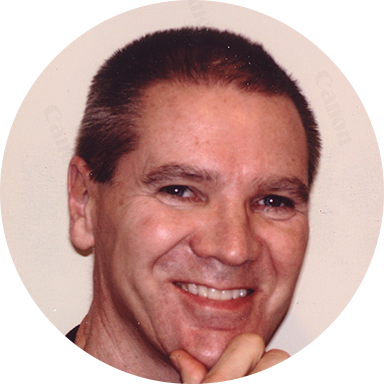
Donald Moore earned his Bachelor of Music in organ performance and Master of Arts in Teaching from Kent State University. He has served as Organist-Choirmaster at Pilgrim United Church of Christ in Cuyahoga Falls, Ohio, and has established himself as a prolific composer and arranger across multiple genres and media.
With over 500 published works, Moore's output spans sacred and secular choral music, educational pieces, organ and piano repertoire, and instructional books. His compositions appear regularly at state and regional festivals, and he has received the ASCAP Composers Standard Award seventeen times. The American Choral Directors Association recognized him among 400 elite composers significant to American choral music history.
Why we love this
Moore captures the infectious energy of the spiritual form without sacrificing the deeper resonance these texts deserve. The rhythmic architecture keeps singers engaged throughout while the dynamic contrasts give singers genuine interpretive choices that make each rehearsal and performance feel fresh.
What to expect
This arrangement bounces with genuine joy, the kind that comes from a familiar hymn tradition meeting contemporary rhythmic urgency. The energy builds naturally across the piece, pulling singers and audiences forward through dynamic peaks and valleys that feel earned rather than imposed.
Who it's for
This octavo works well for mixed choirs with solid reading skills and some rehearsal time to develop rhythmic precision. The spiritual tradition and uplifting character make it equally suitable for church choirs, community ensembles, and high school programs looking for repertoire with both accessibility and depth.
How to get the most out of it
- Balance the rhythmic drive across all four parts so the forward momentum comes from ensemble cohesion, not just from one section pushing the tempo.
- Shape the dynamic contrasts deliberately; mark your scores with specific rehearsal targets so singers understand which sections need restraint and which invite full commitment.
- Lock in the rhythmic figures early in rehearsal by having sections tap their parts independently, then layer them together to hear how the patterns interlock.
- The recorded accompaniment can anchor your early rehearsals, but pull back the volume as the choir gains security so singers rely on each other's voices rather than the track.
How to use it
Program this alongside other spirituals or gospel-influenced works to build a thematic concert segment, or use it as a finale to lighten the mood after more introspective pieces. The upbeat character and accessible harmonic language also make it a solid choice for youth choir performances or community outreach concerts where you want audiences to leave energized.
Skills your students will build
- Rhythmic precision in syncopated and syncopated patterns
- Dynamic shaping and contrast across phrase structures
- Blending and balance within four-part mixed voicing
- Stylistic interpretation of spirituals and gospel idiom
- Ensemble cohesion when navigating rhythmic complexity