I Ku Mau Mau Cover Image

I Ku Mau Mau: TBB Choral Octavo

$2.05 USD
Sale price  $2.05 USD Regular price 
Skip to product information
I Ku Mau Mau Cover Image

I Ku Mau Mau: TBB Choral Octavo

(Stand Up Together)

Words from a Traditional Hawaiian Chant, music by Ruth Morris Gray

Item: 00-47191

makemusic Cloud badge

Need it now?

Buy Digital Version
$2.05
Shipped

One moment…

Description
This traditional Hawaiian chant was used when master canoe builders called for people to bring trees down from the mountains to the ocean side so that canoes could be built. Now set to music, the words teach us to stand up together and work as a team. An upbeat hook, a spoken word section, and a contrasting countermelody combine at the end to create the ultimate multicultural experience. Download the digital ChoreoTrax for even more fun!

Don't just read it, hear it, play along with it, and watch your students grow with it. In MakeMusic Cloud, I Ku Mau Mau: TBB Choral Octavo comes alive with professional accompaniment, adjustable tempo, and built-in practice tools that turn solo practice into real progress.

Sample Pages

Sample Audio
0:00
0:00
Sample Video
Additional Details
Series: Alfred Choral Designs
Publisher: Alfred Music
Page Count: 12
UPC: 038081540078
SKU: 00-47191

More about this title

About the Composer: Ruth Morris Gray
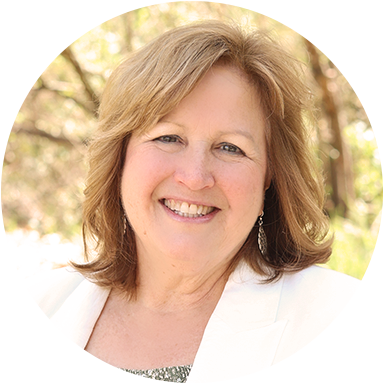
Ruth Morris Gray

Ruth Morris Gray directs choirs at Rosemead High School in California, a position she has held since 2004 alongside teaching piano. She holds a Bachelor of Music in Piano Performance and Composition from Biola University and a Master of Arts in Music Composition from UC Santa Barbara, credentials that anchor her work as both educator and composer.

With over 100 published choral compositions to her name, Gray has established herself as a prolific voice in choral music. Beyond the rehearsal room and composition studio, she is an active performer and traveler who brings a curiosity about music and culture into every project she undertakes.

Why we love this

Gray has crafted an arrangement that honors the source material while making it genuinely engaging for singers. The layering of an upbeat hook, spoken word section, and countermelody gives your singers multiple entry points and keeps the energy moving from start to finish, which is exactly what you need when teaching students about collaboration and collective purpose.

What to expect

The energy builds from communal work song to something more complex and layered. There's an infectious momentum in the hook that gets listeners invested, while the spoken section grounds you in the story of collaboration and the countermelody sections create a richness that feels earned rather than decorative.

Who it's for

Tenor and bass choirs at middle school, high school, and adult levels who want repertoire with cultural substance and built-in engagement. This works especially well for singers who respond to pieces with rhythmic drive and a purpose beyond the concert hall.

How to get the most out of it

  • Lean into the rhythm of the spoken word section. Work it like a rhythmic drill first, then gradually layer in the melody and harmony so each voice part understands exactly where they fit within the spoken pulse.
  • The hook is your anchor. Once singers own it completely, the countermelody will land with much more clarity because they have a solid foundation to push against.
  • Use the recorded accompaniment during rehearsal to help singers hear how the arrangement sits with full orchestration, then gradually remove it as confidence builds so the choir carries the weight independently.
  • Movement and staging transform this piece from a choral octavo into theater. Block the spoken section and countermelody sections early so singers understand the visual storytelling happening alongside the music.

How to use it

Program this alongside other world music or multicultural repertoire to create a thematic set that celebrates different musical traditions. It also works powerfully as a concert opener because the hook and rhythmic drive pull an audience in immediately and set a celebratory tone for the rest of the evening.

Skills your students will build

  • Rhythmic precision in layered ensemble textures
  • Spoken word integration with singing
  • Countermelody independence while maintaining harmonic awareness
  • Cultural context and storytelling through music
  • Ensemble cohesion through call-and-response and collaborative musical structures

You May Also Like
