
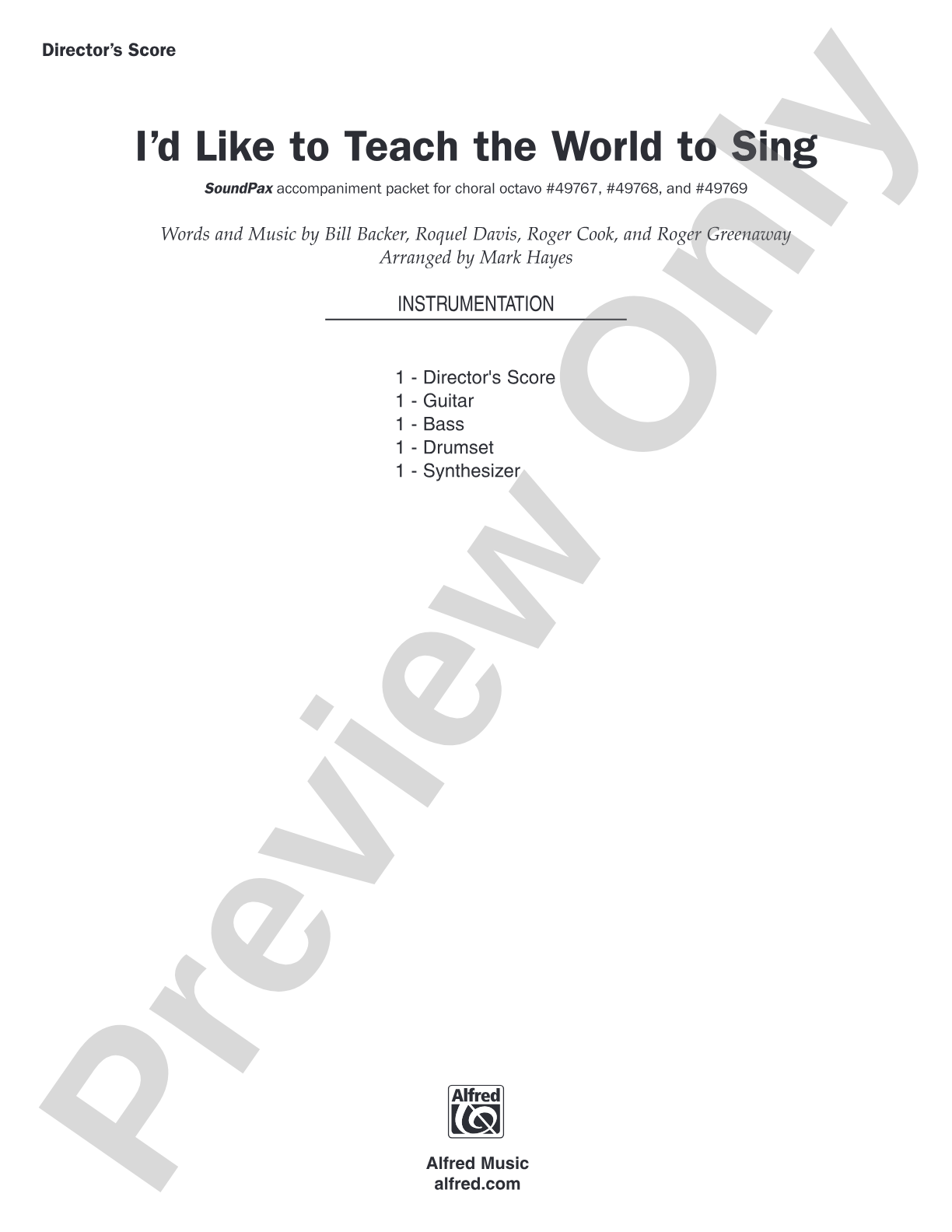
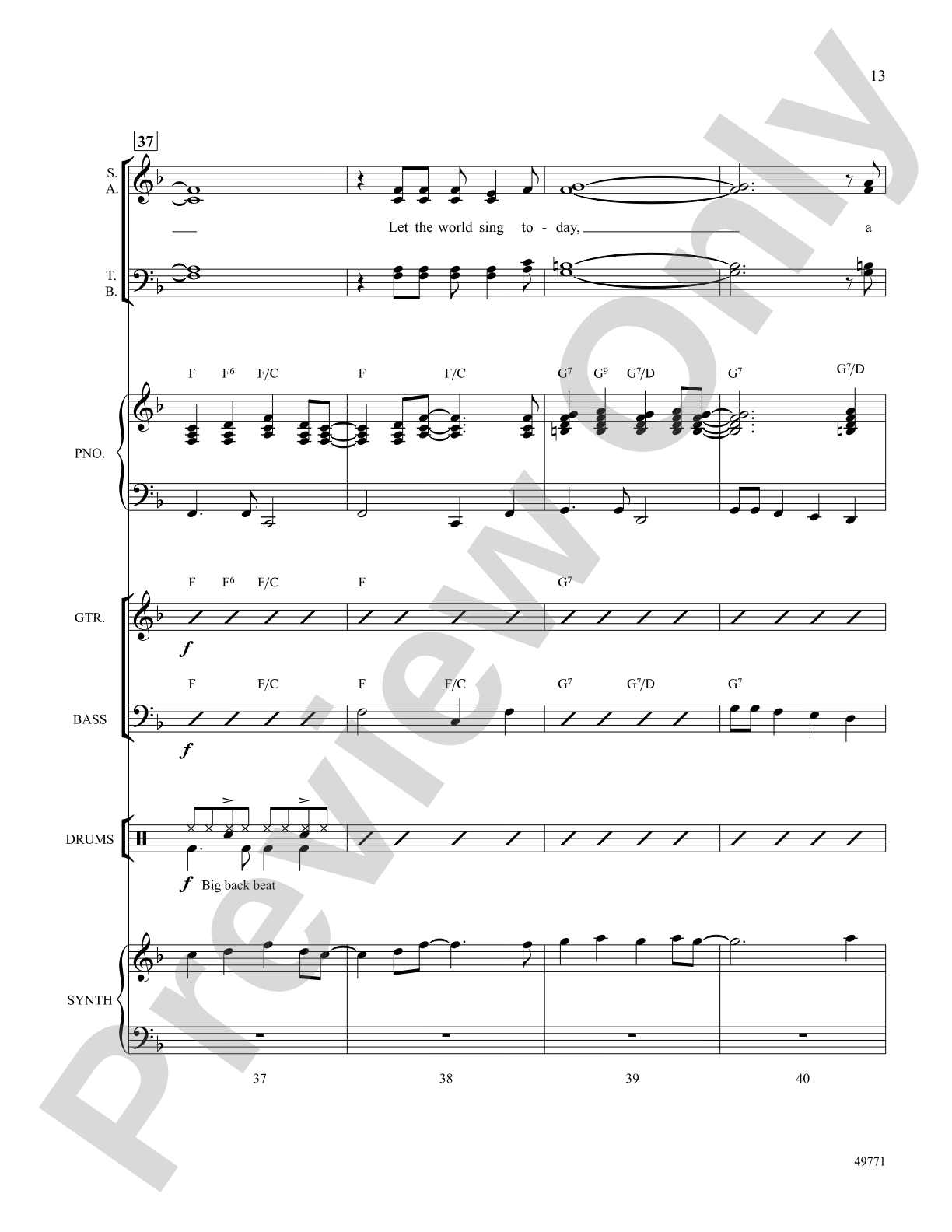
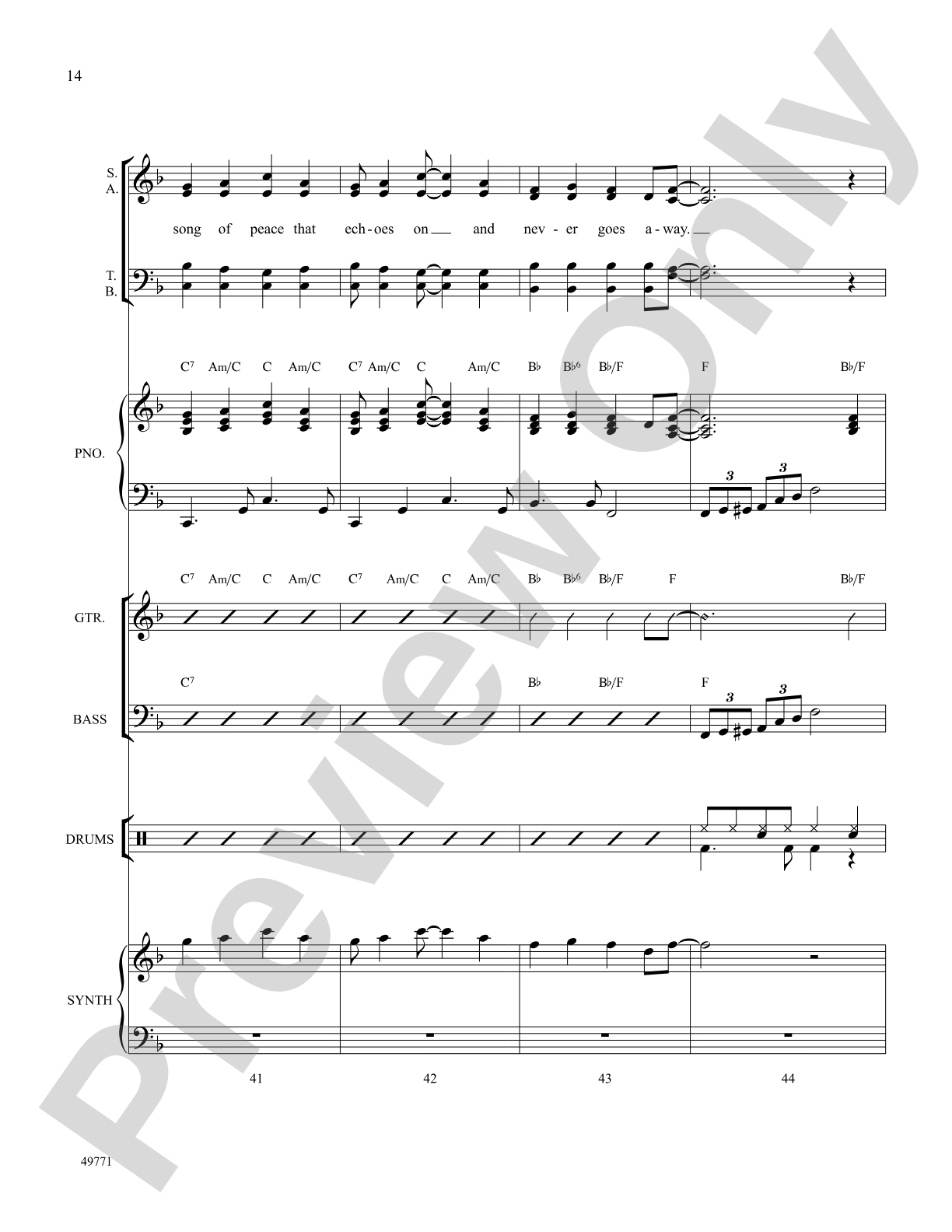
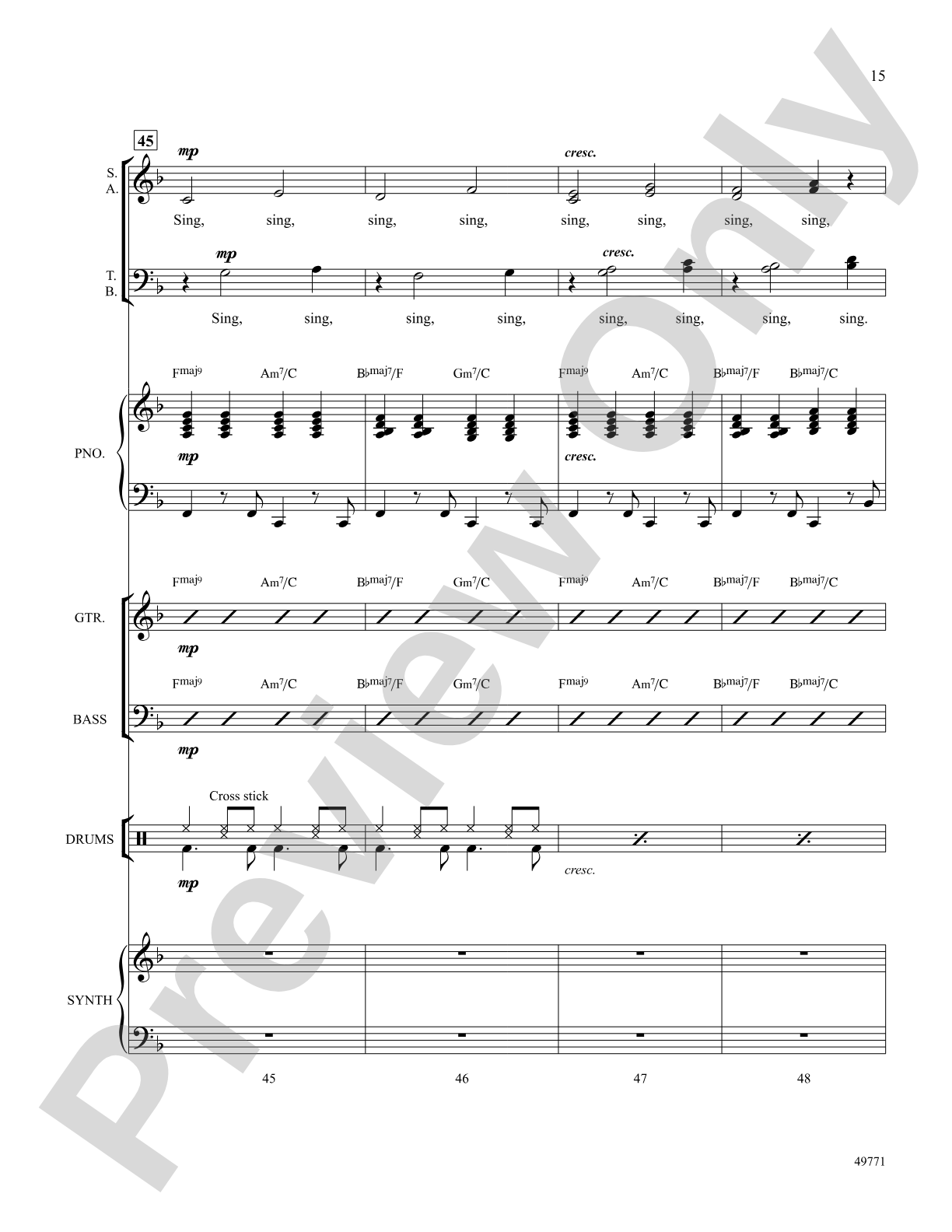
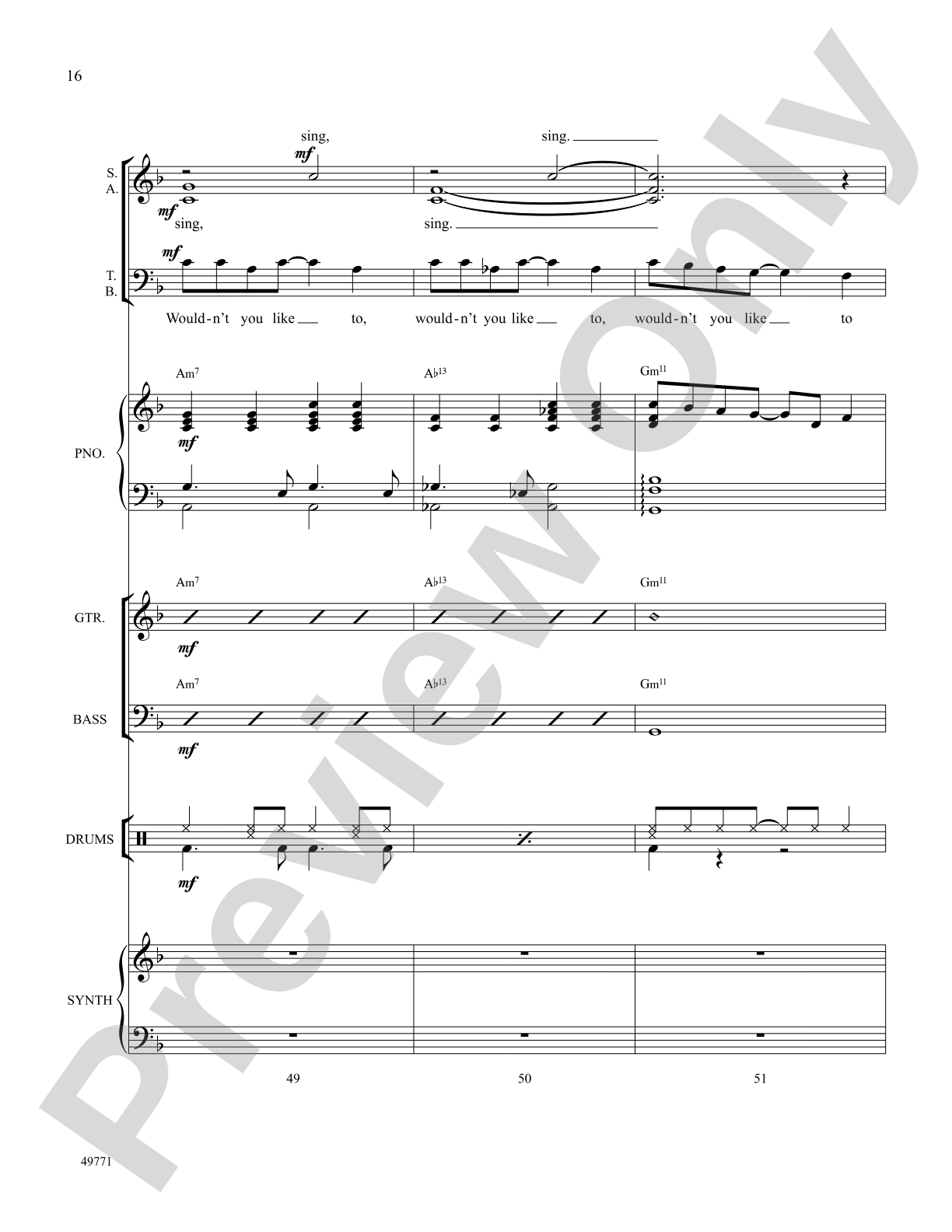
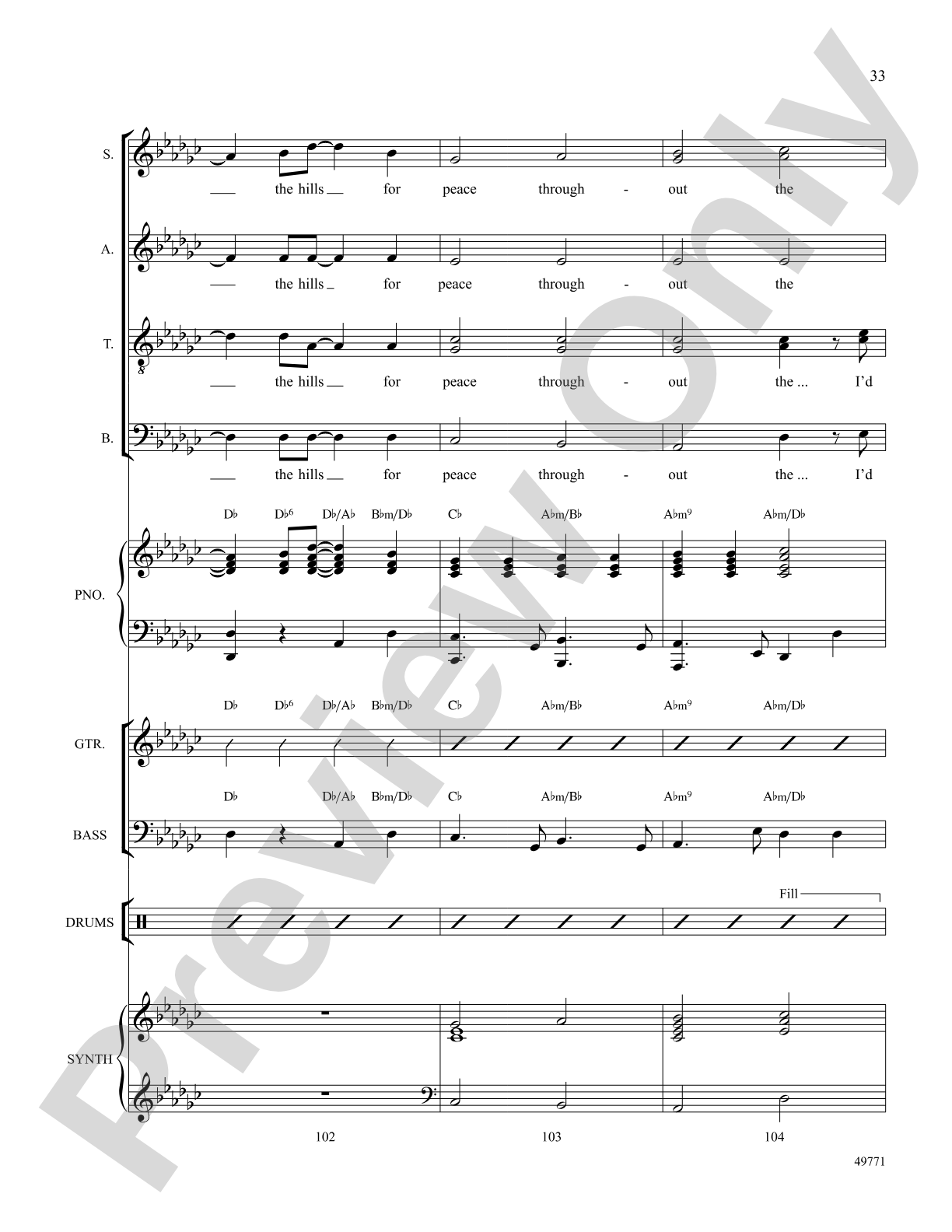
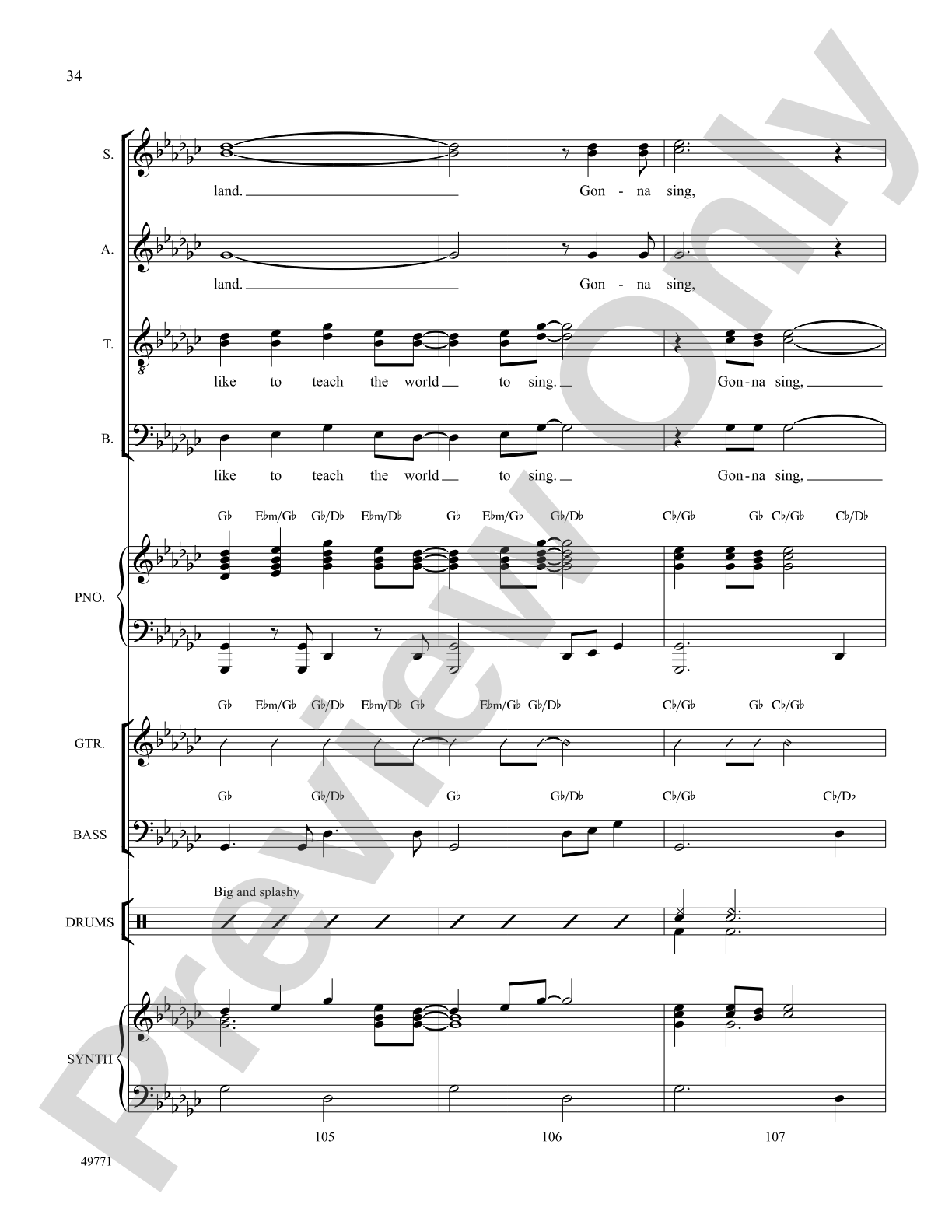
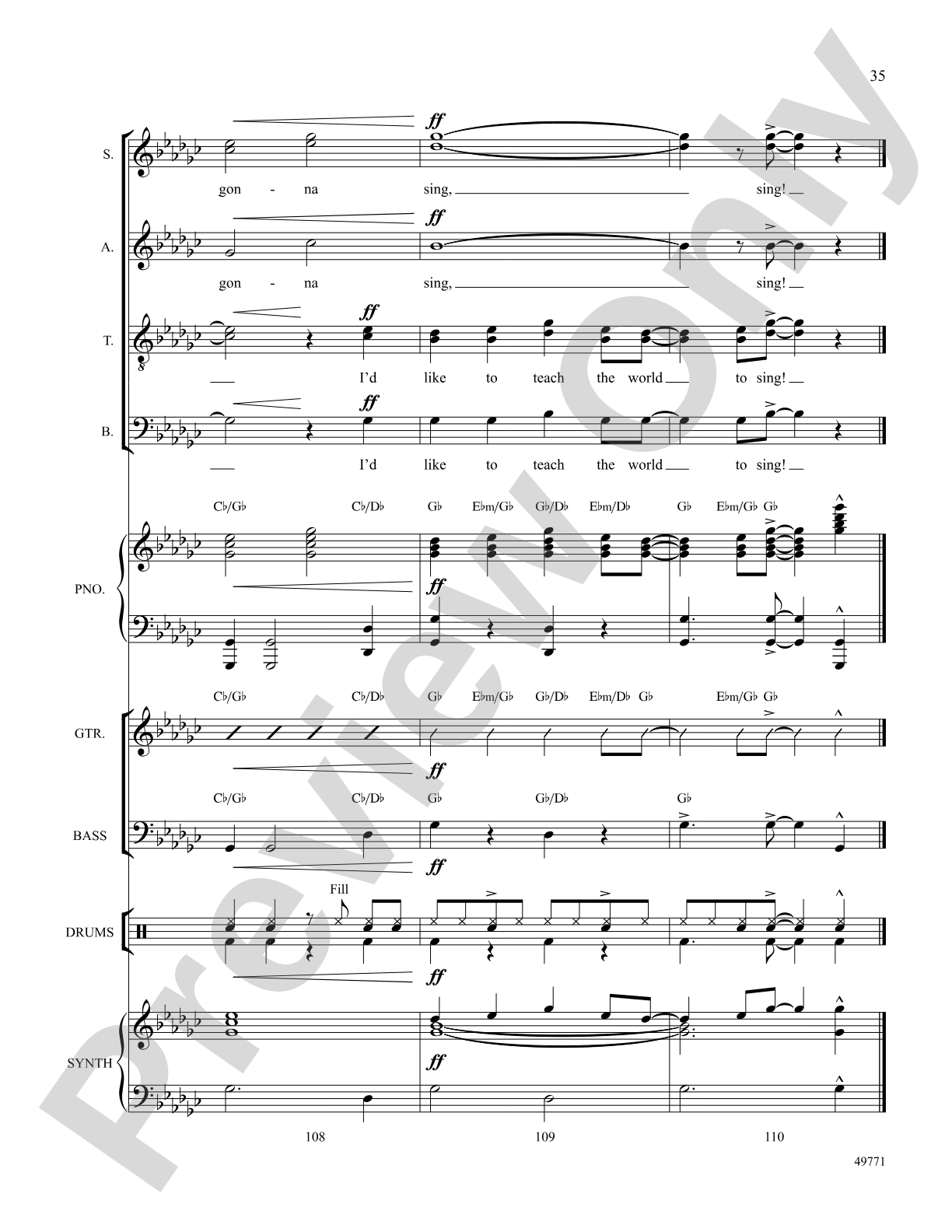


I'd Like to Teach the World to Sing: Choral SoundPax
Words and music by Bill Backer, Roquel Davis, Roger Cook, and Roger Greenaway / arr. Mark Hayes
Item: 00-PK-0008626
$20.00
One moment…
Related Items
I'd Like to Teach the World to Sing: SoundTrax Digital Audio Download |
$29.99
|
View | |
I'd Like to Teach the World to Sing: SATB Choral Octavo |
$2.25
|
View | |
I'd Like to Teach the World to Sing: SAB Choral Octavo |
$2.25
|
View | |
I'd Like to Teach the World to Sing: 2-Part Choral Octavo |
$2.25
|
View | |
I'd Like to Teach the World to Sing: SATB Choral Octavo |
$2.25
|
View | |
I'd Like to Teach the World to Sing: SAB Choral Octavo |
$2.25
|
View | |
I'd Like to Teach the World to Sing: 2-Part Choral Octavo |
$2.25
|
View | |
I'd Like to Teach the World to Sing: Choral Octavo SoundTrax CD |
$29.99
|
View | |
I'd Like to Teach the World to Sing: Choral SoundPax |
$20.00
|
View |
Description
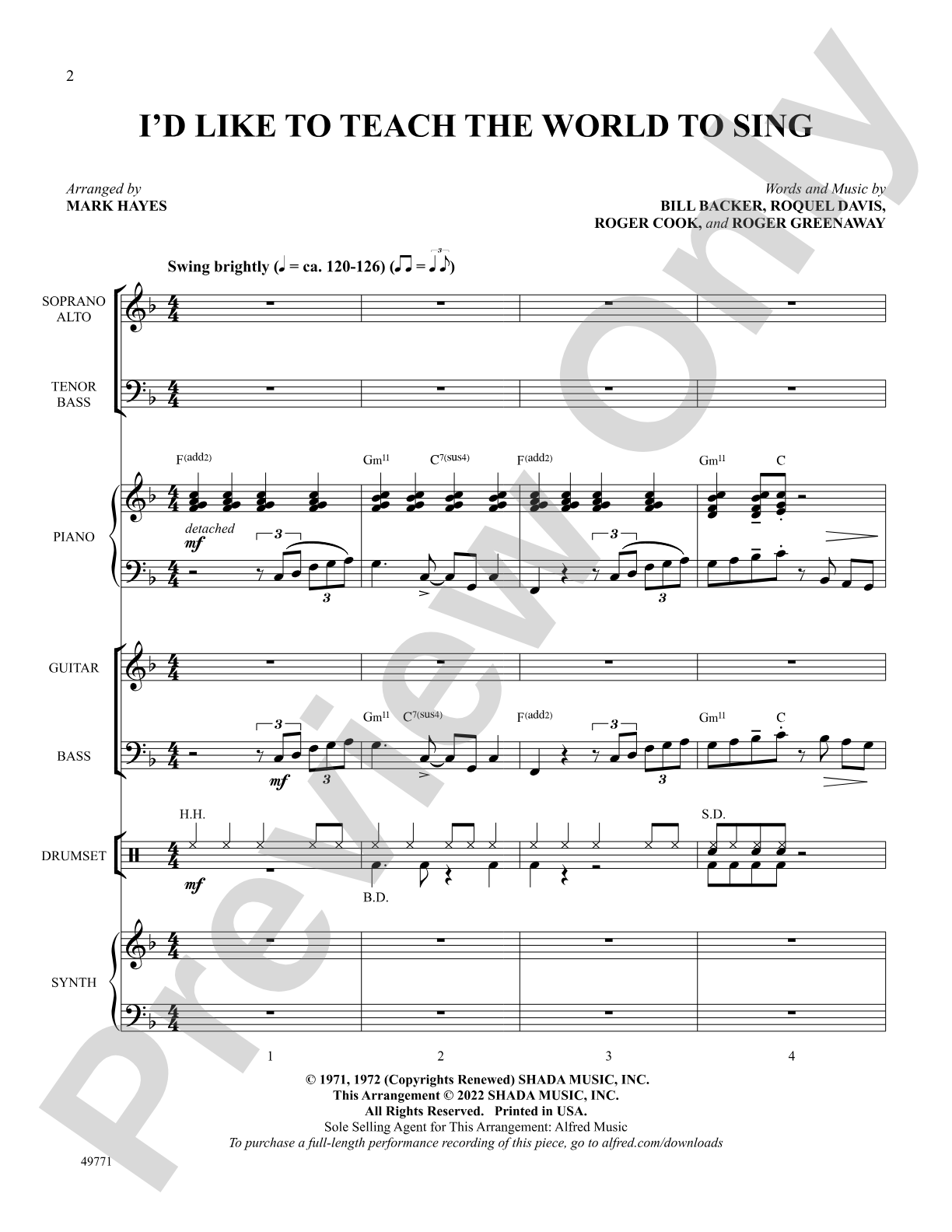
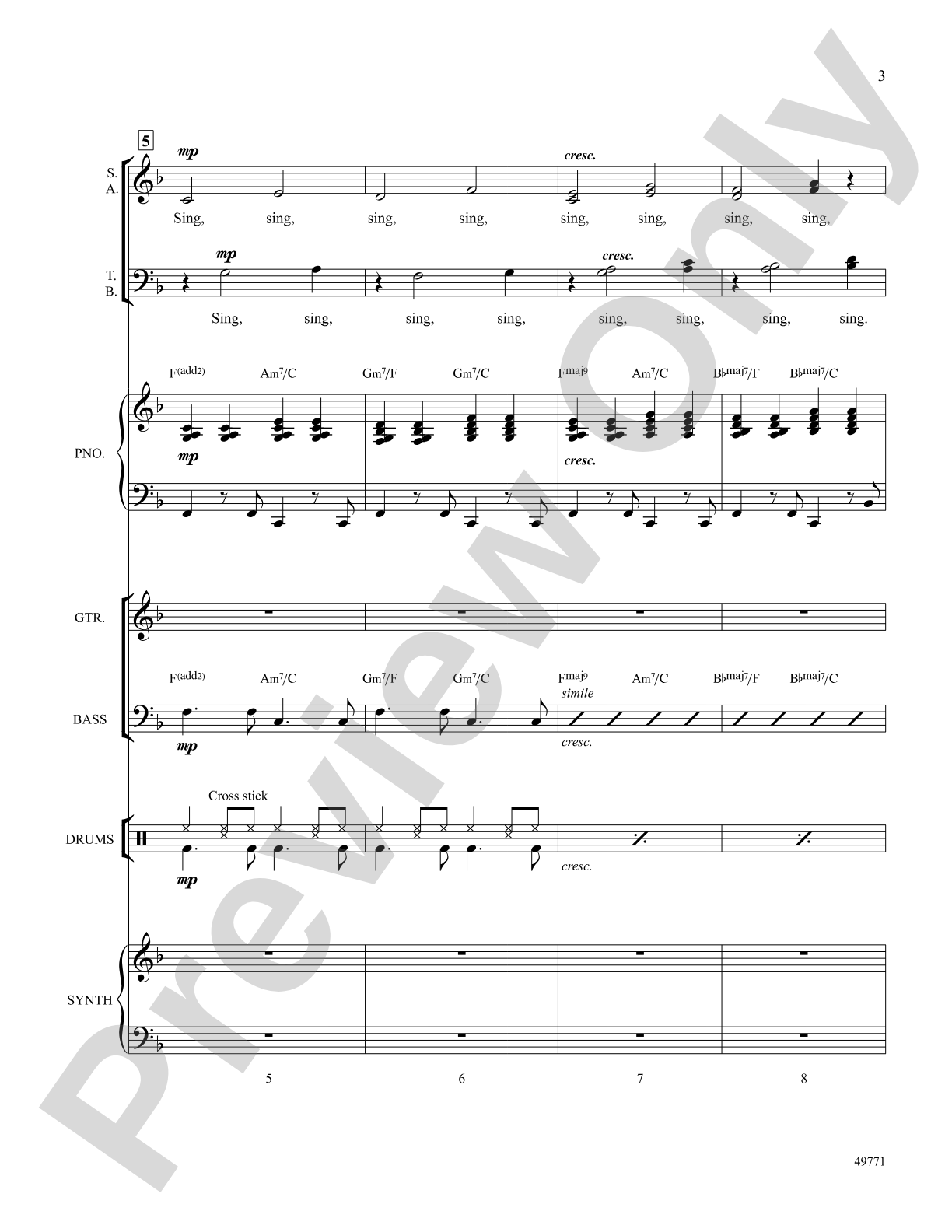
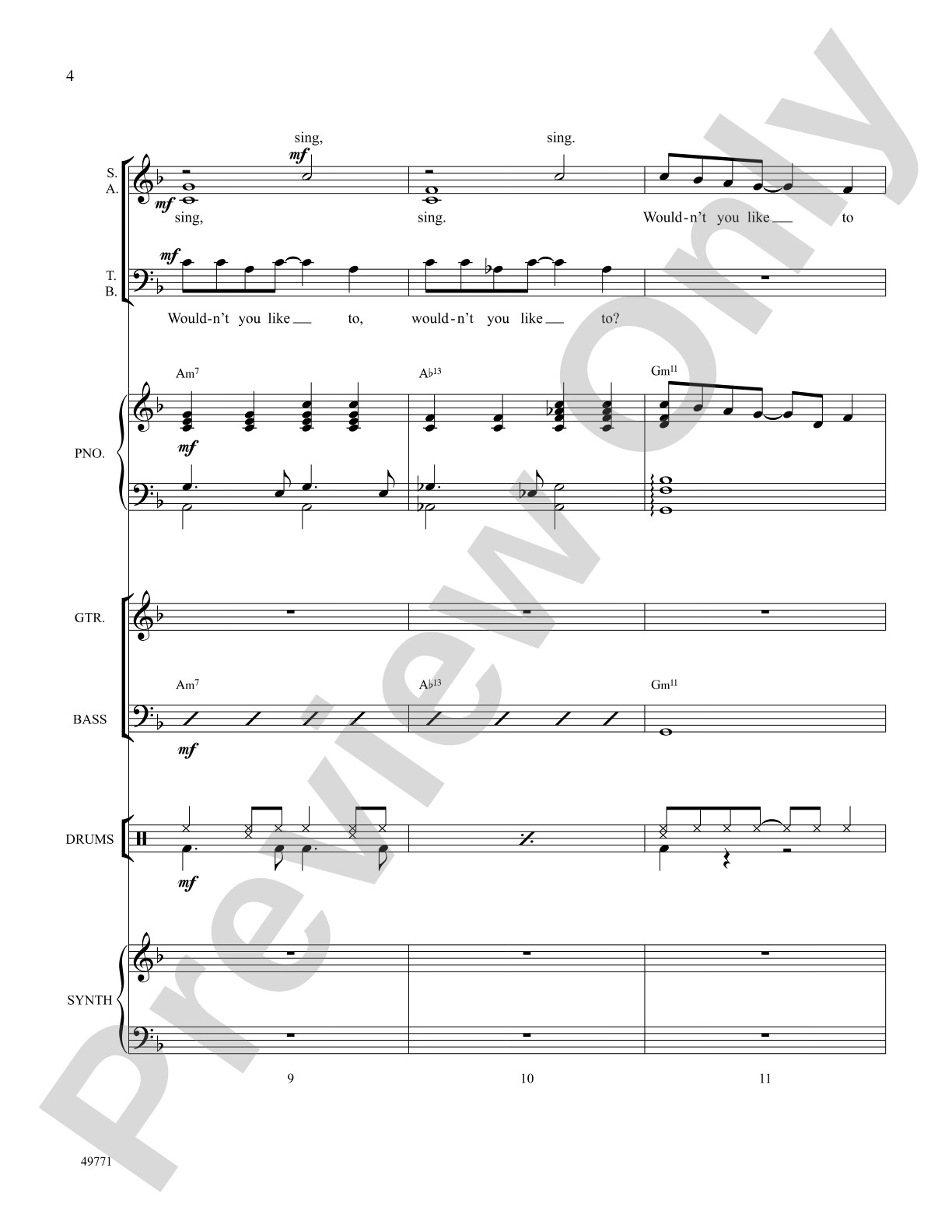
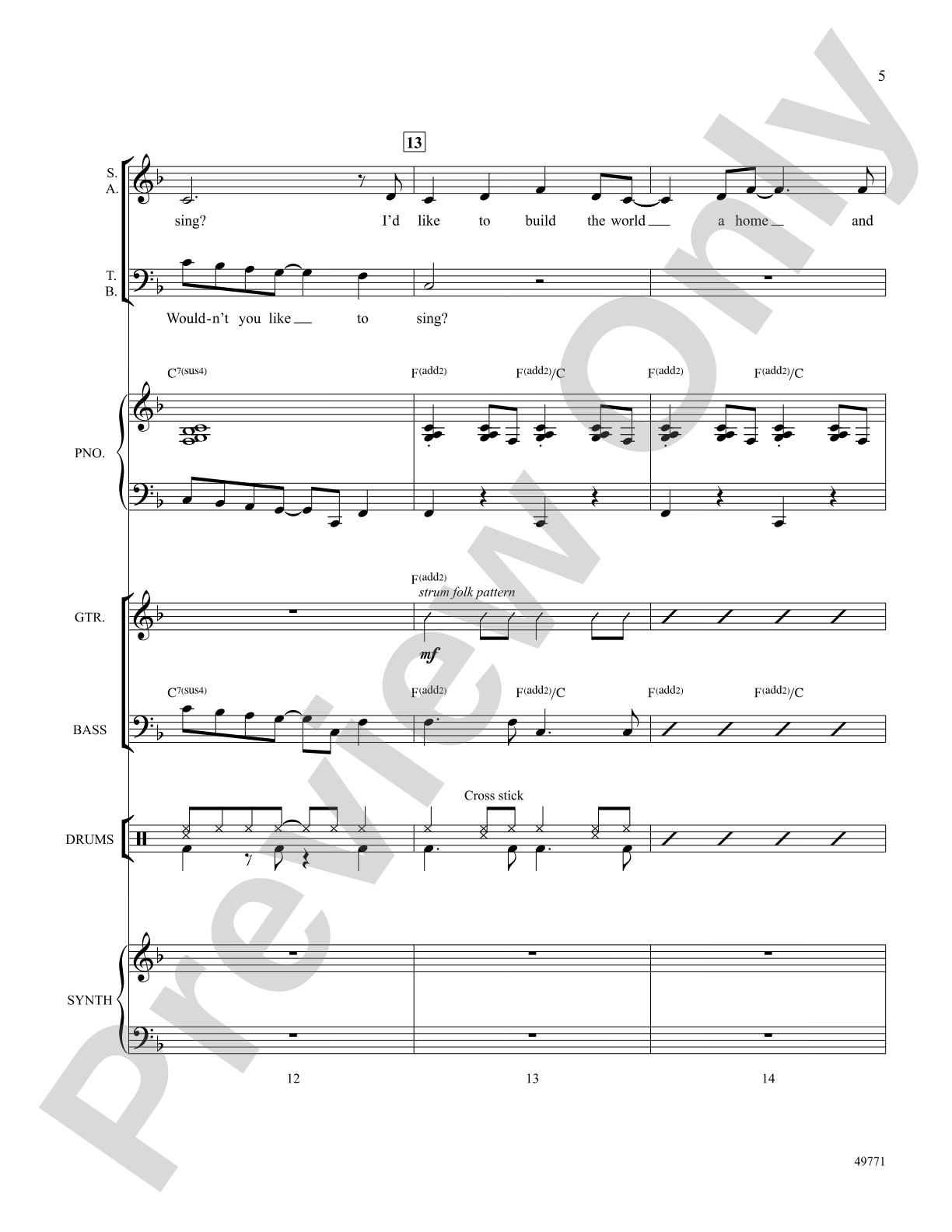
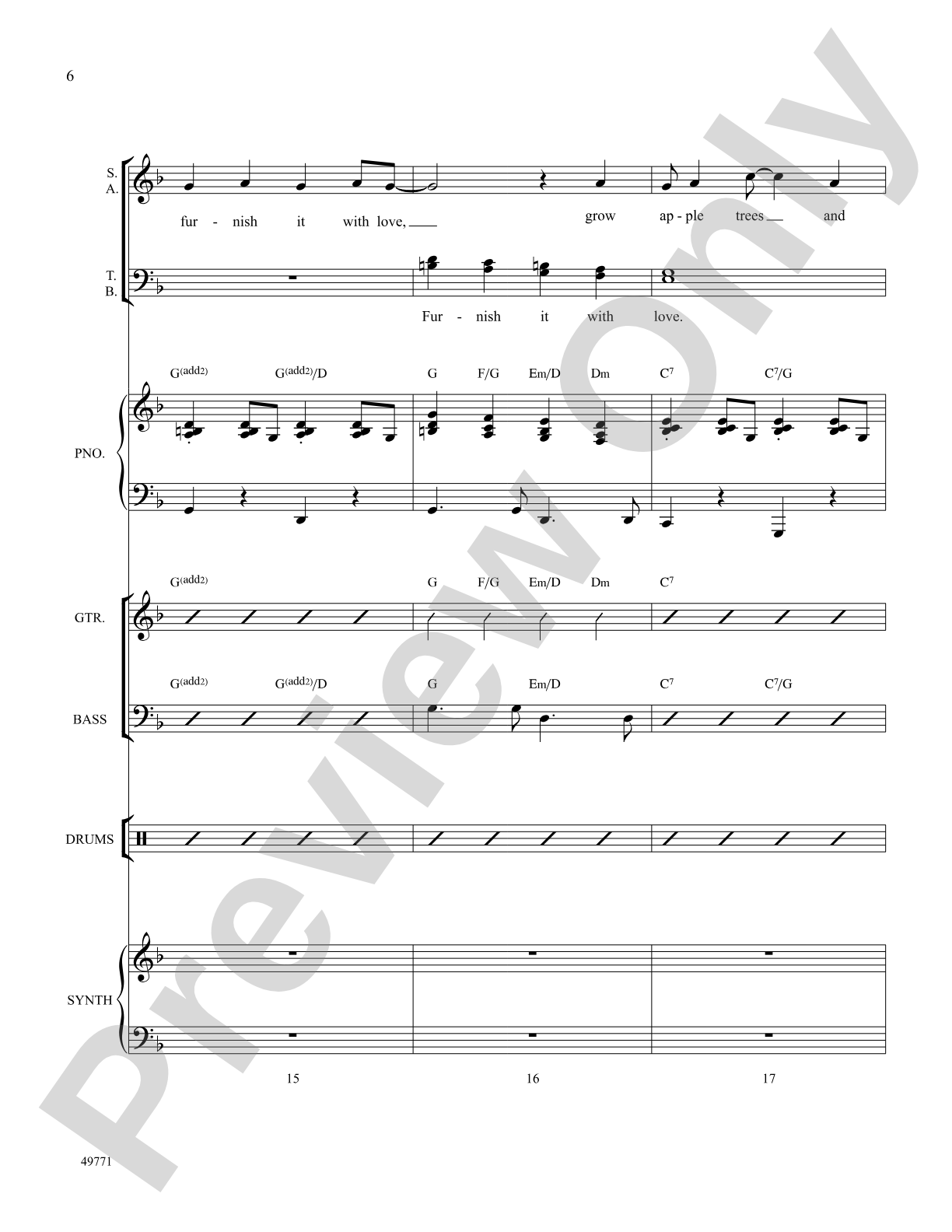
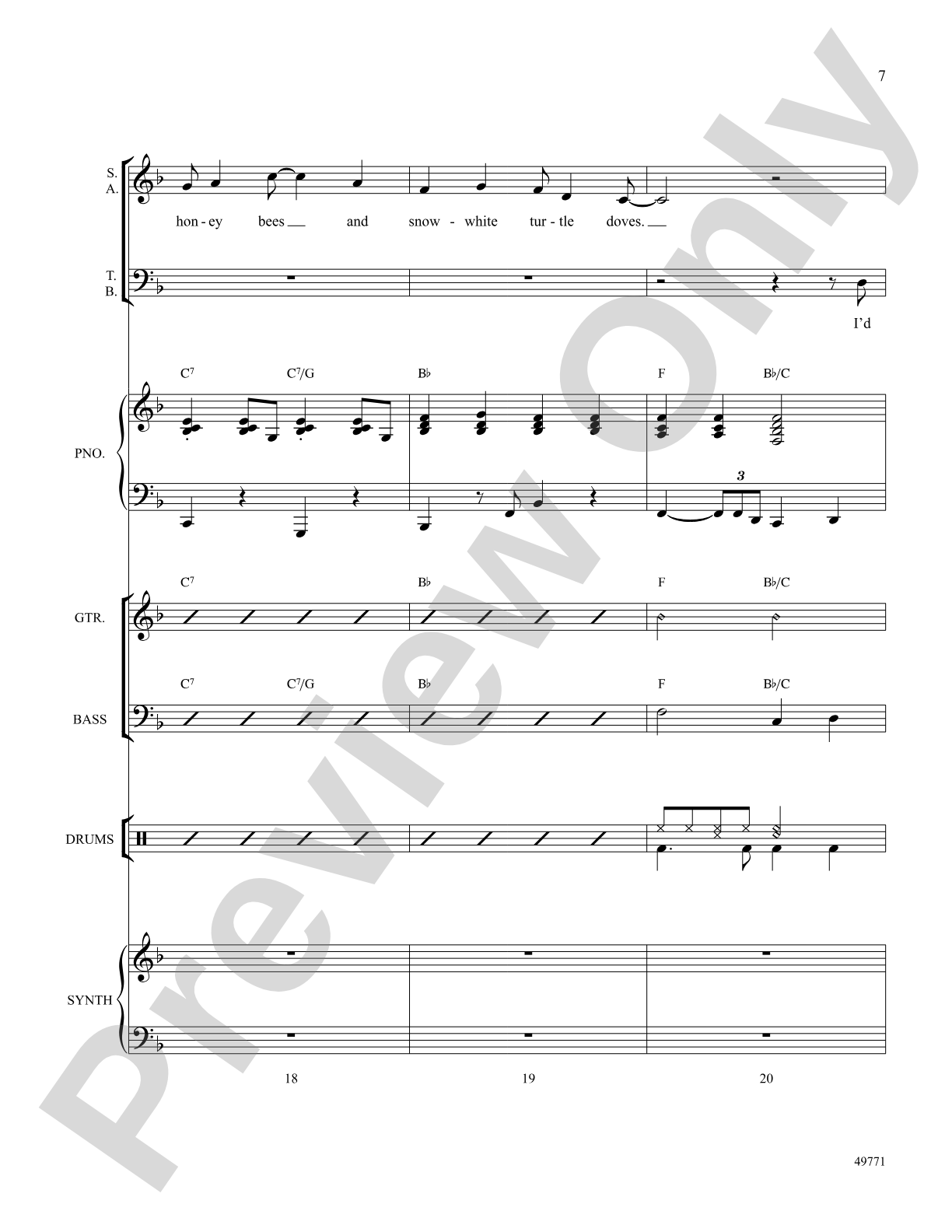
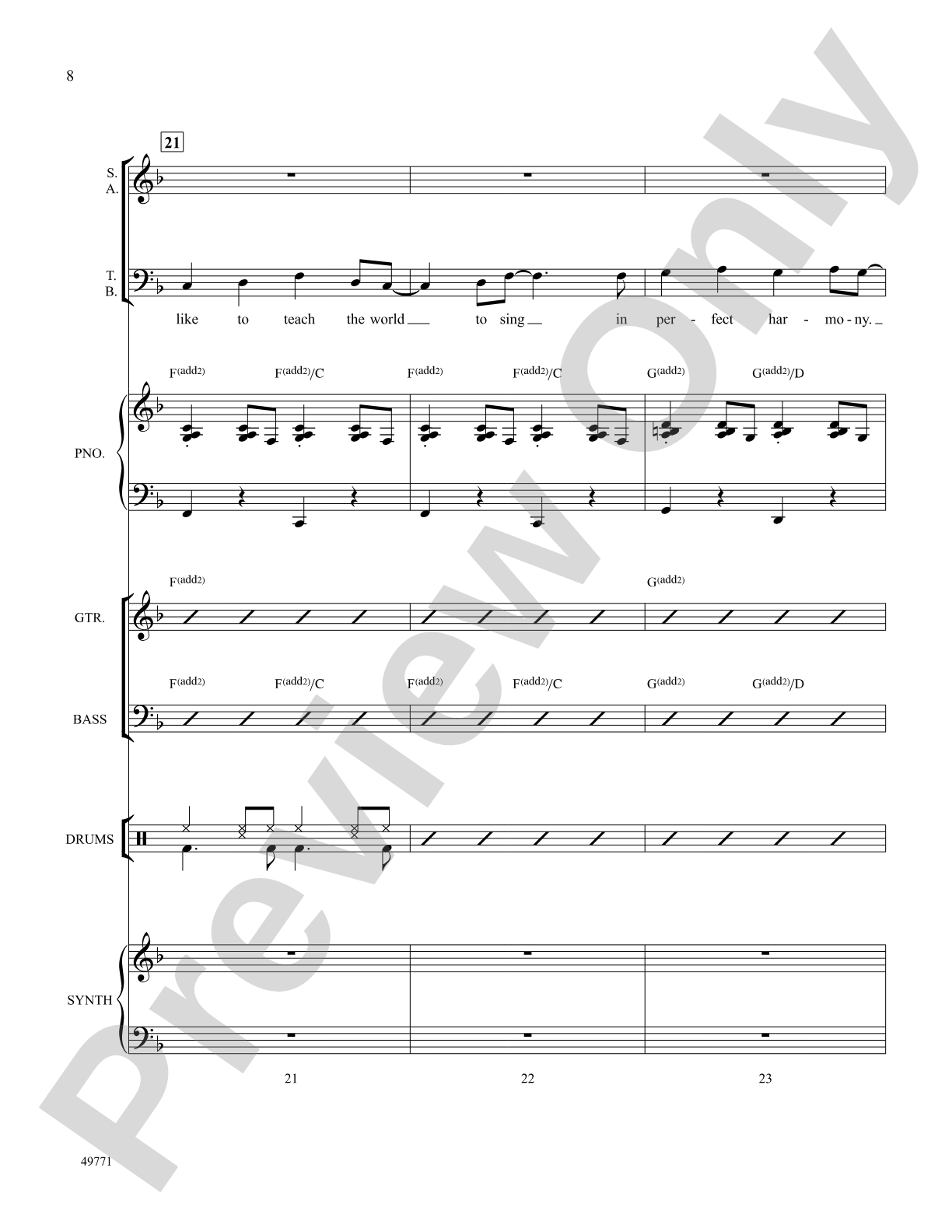
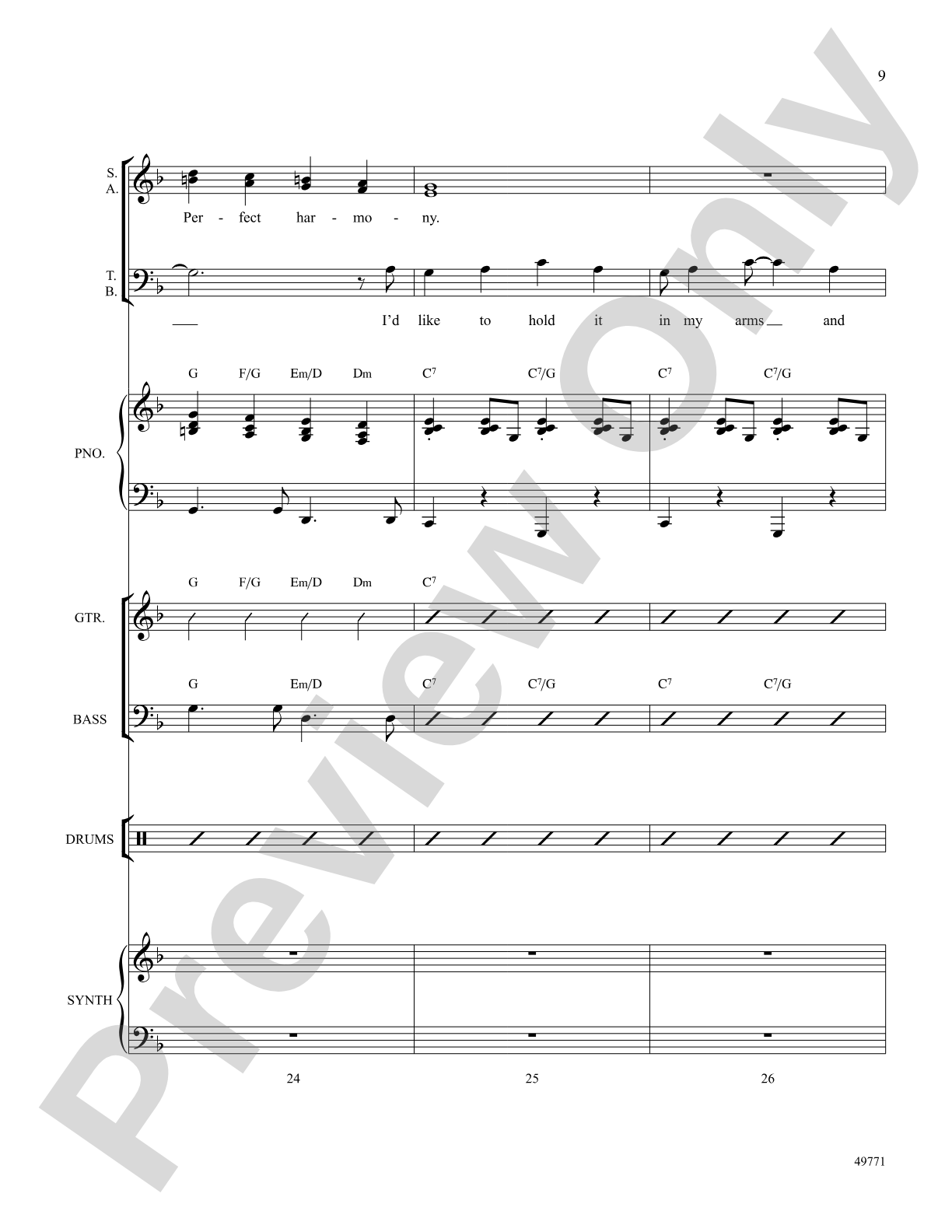
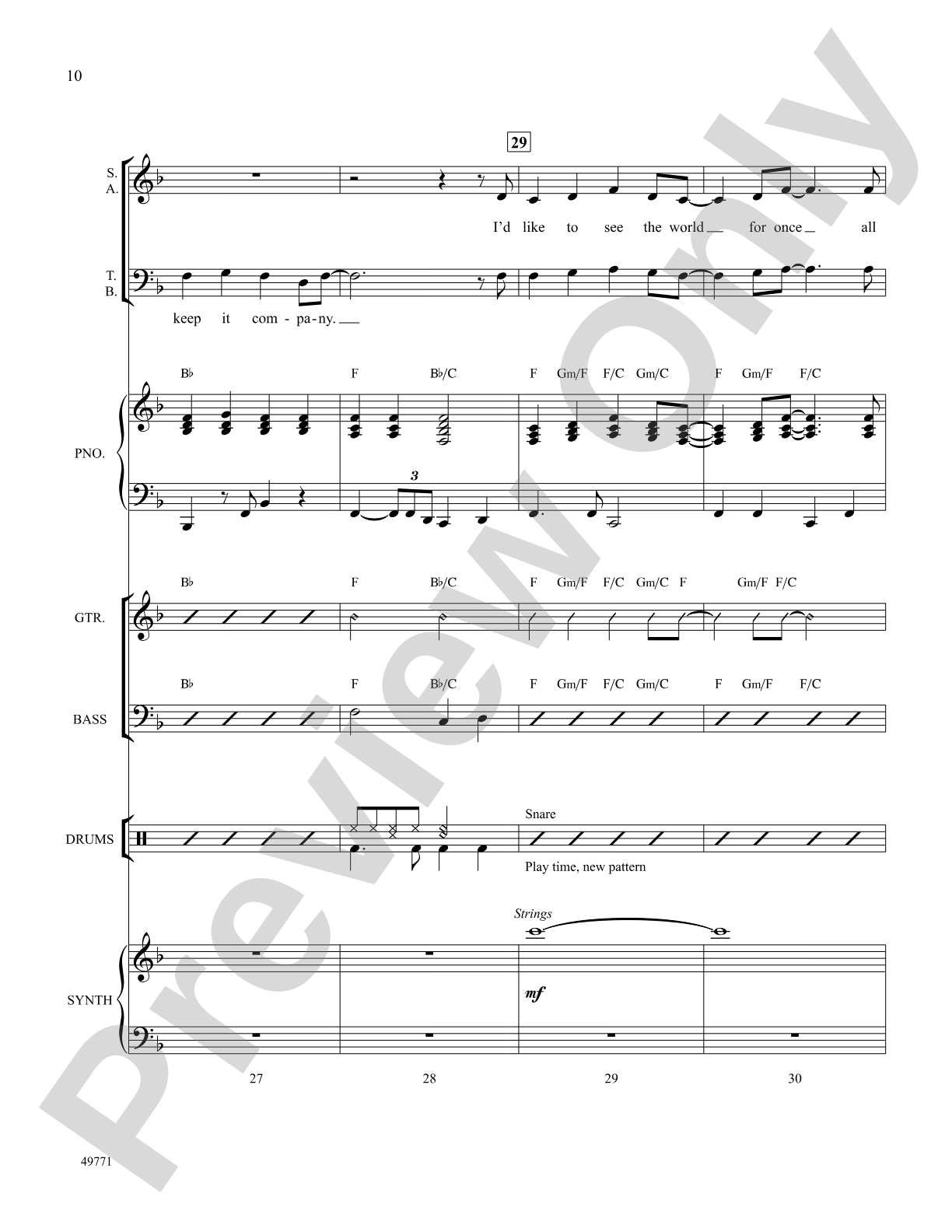
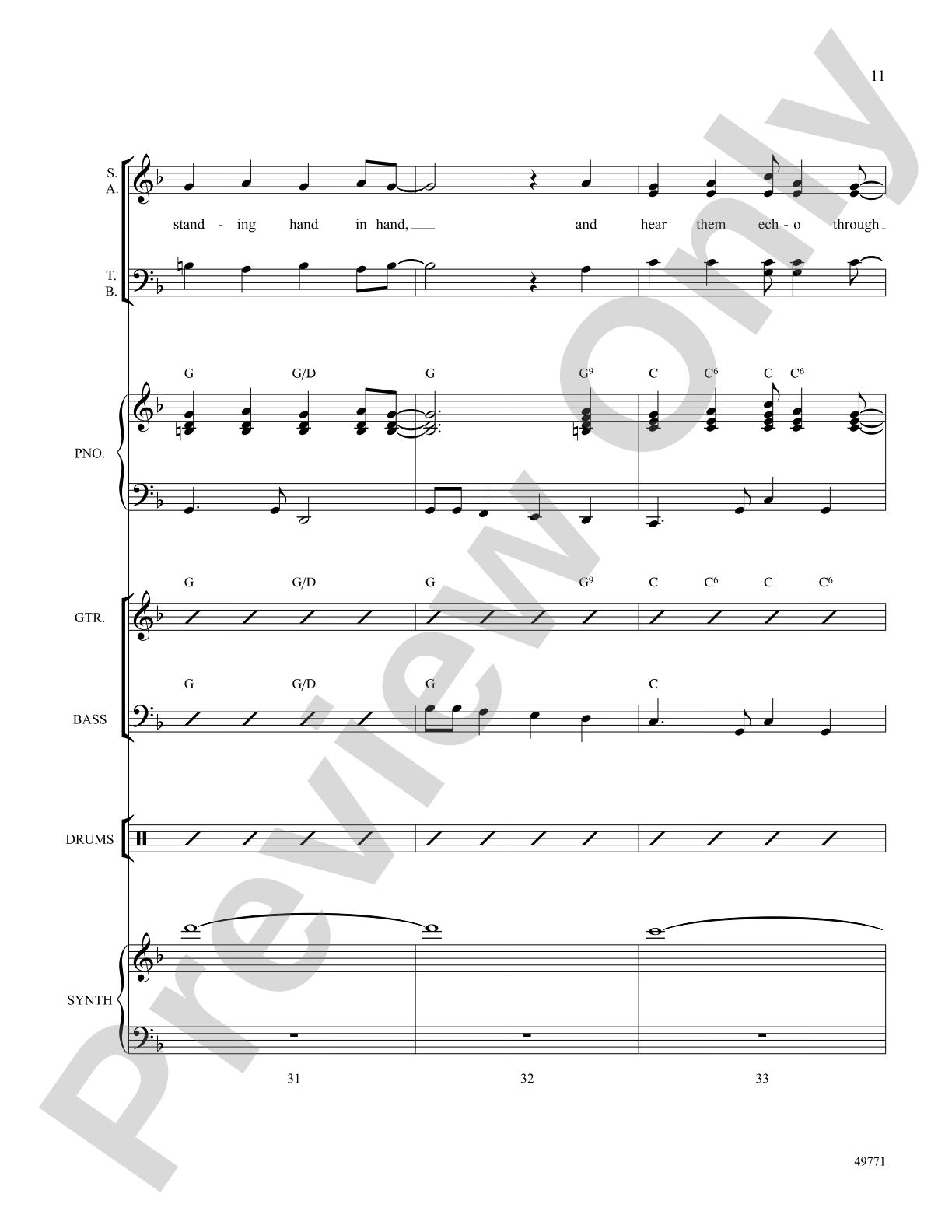
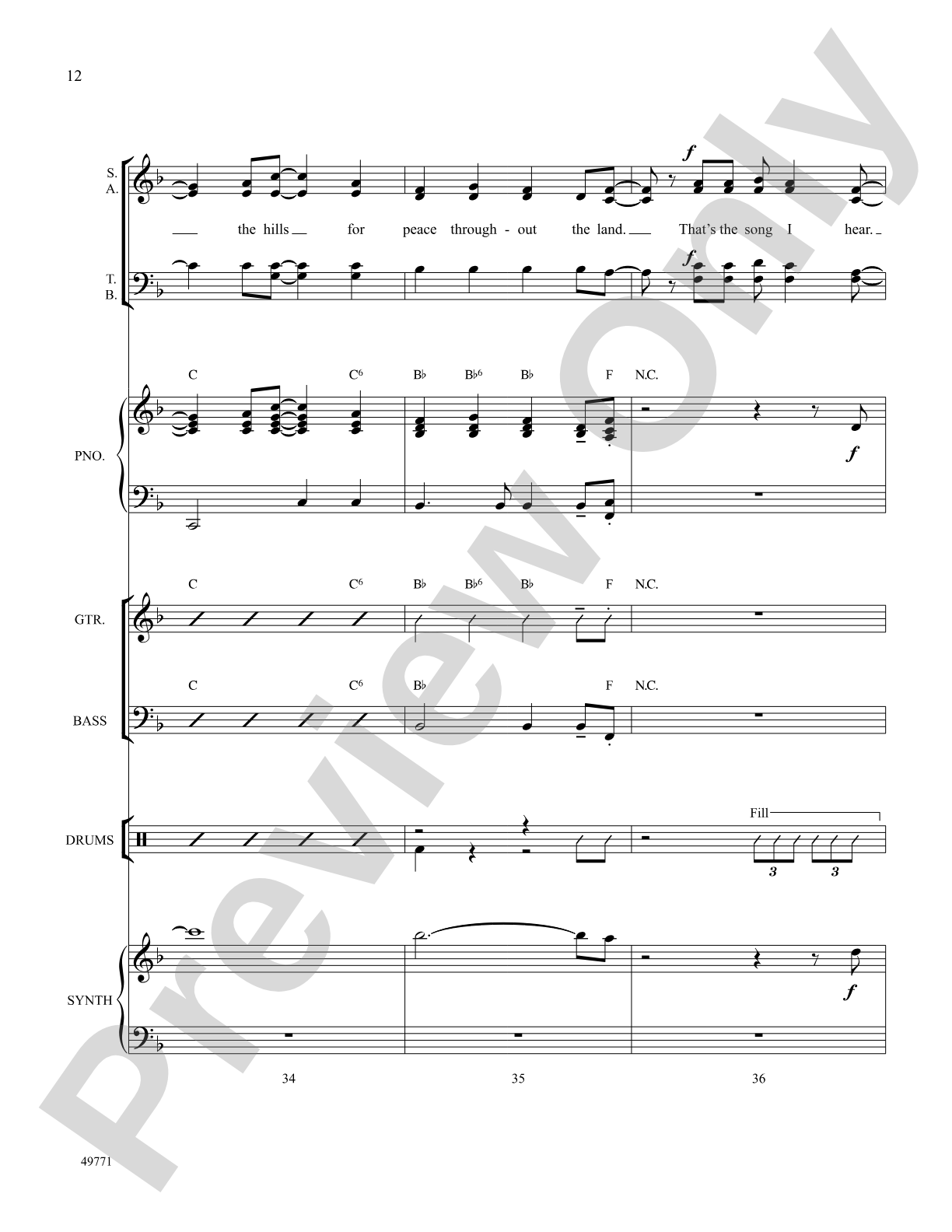
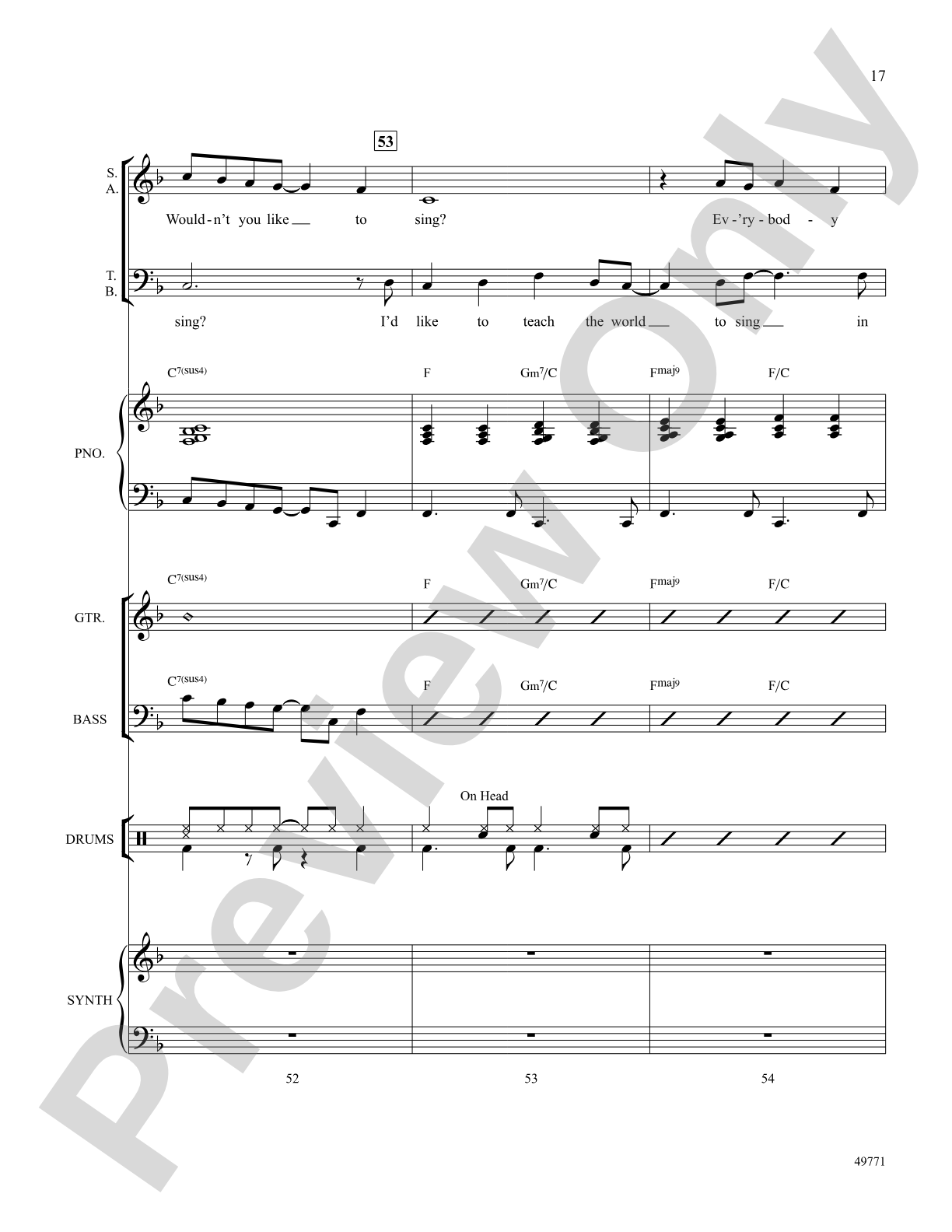
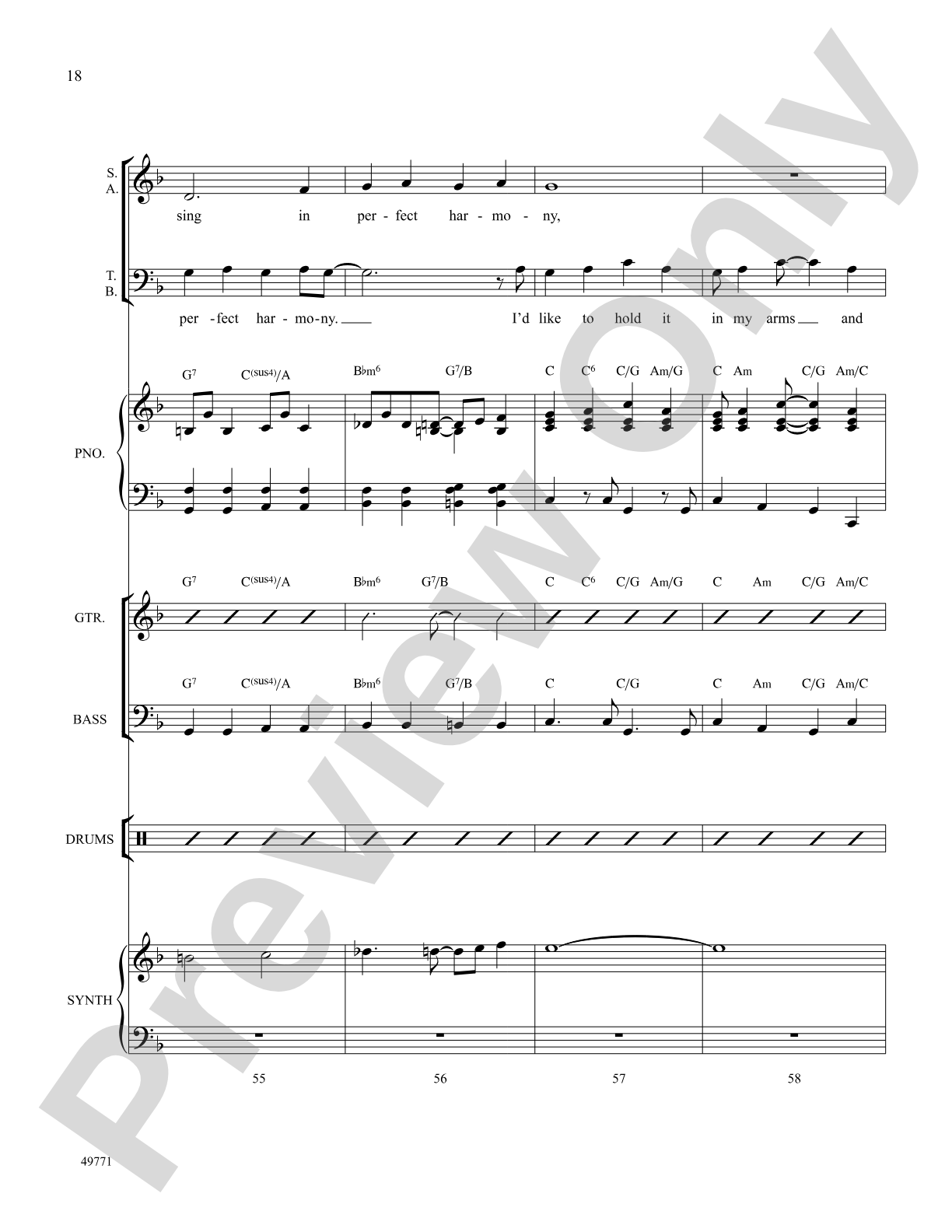
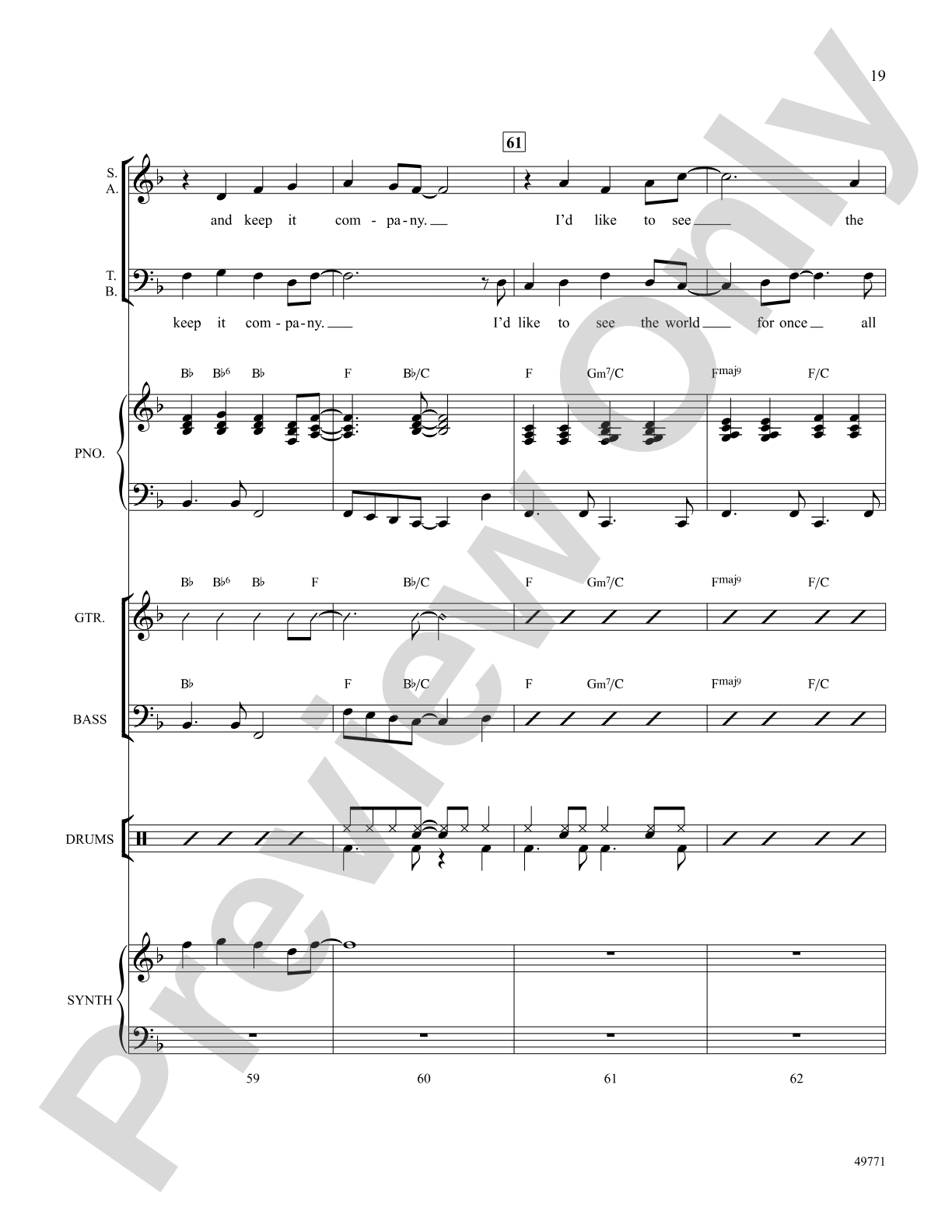
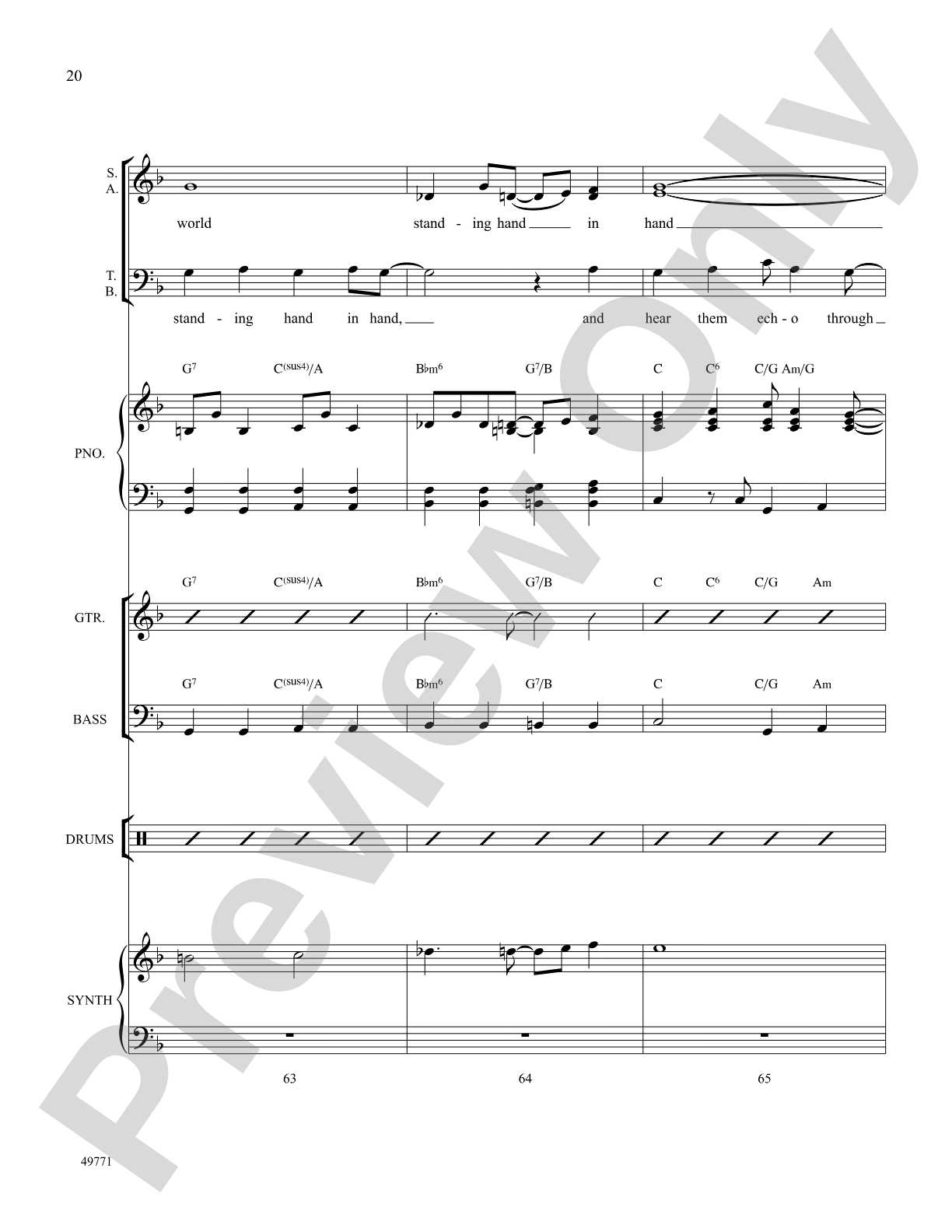
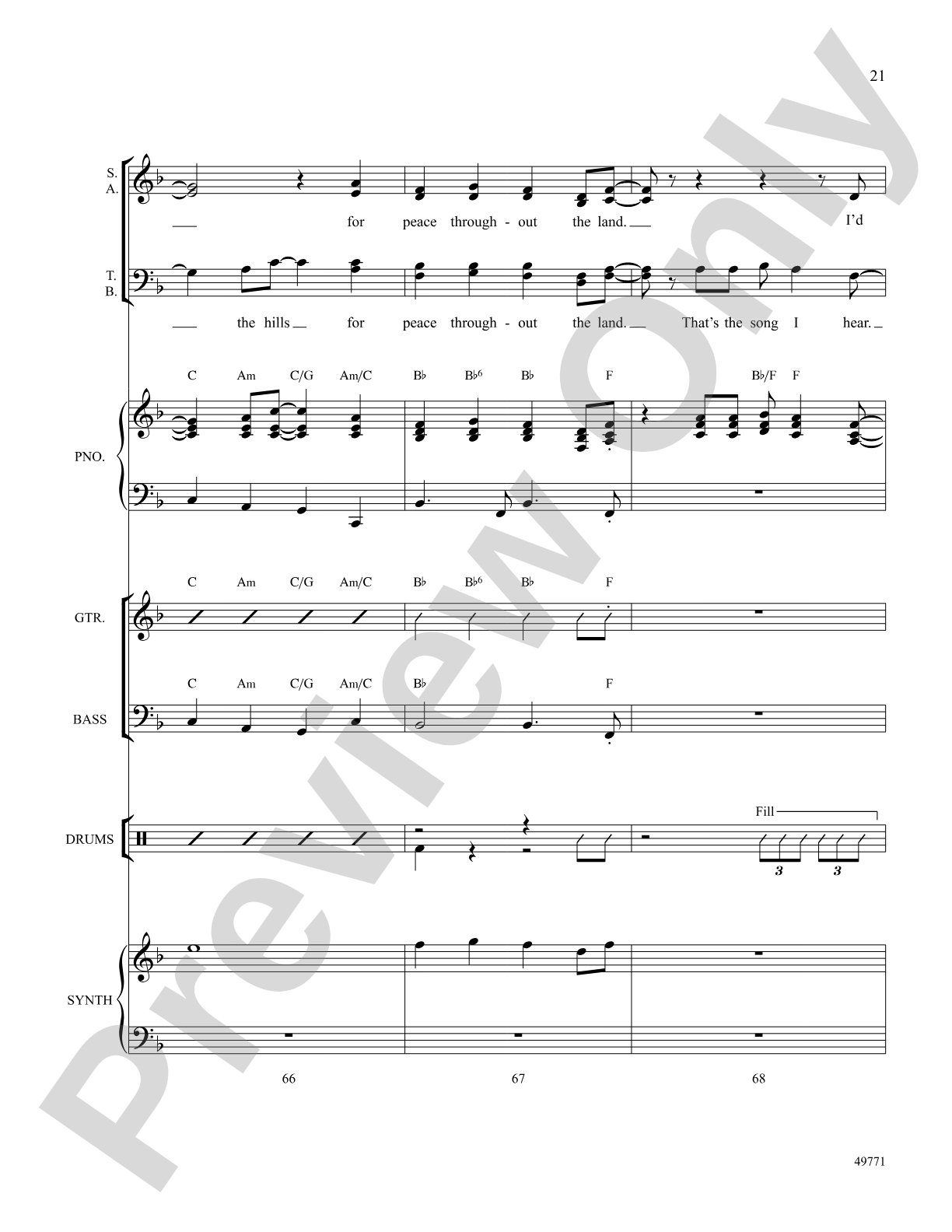
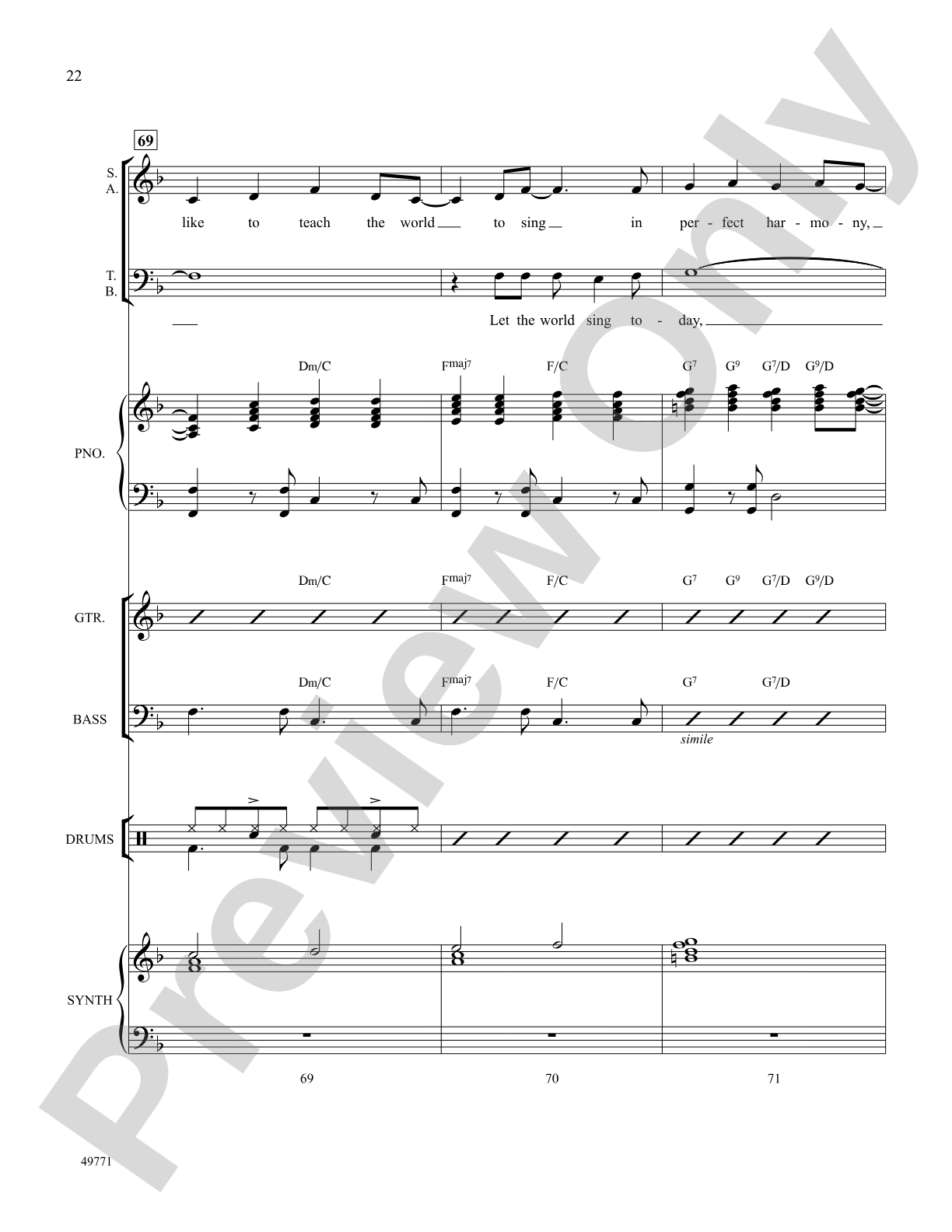
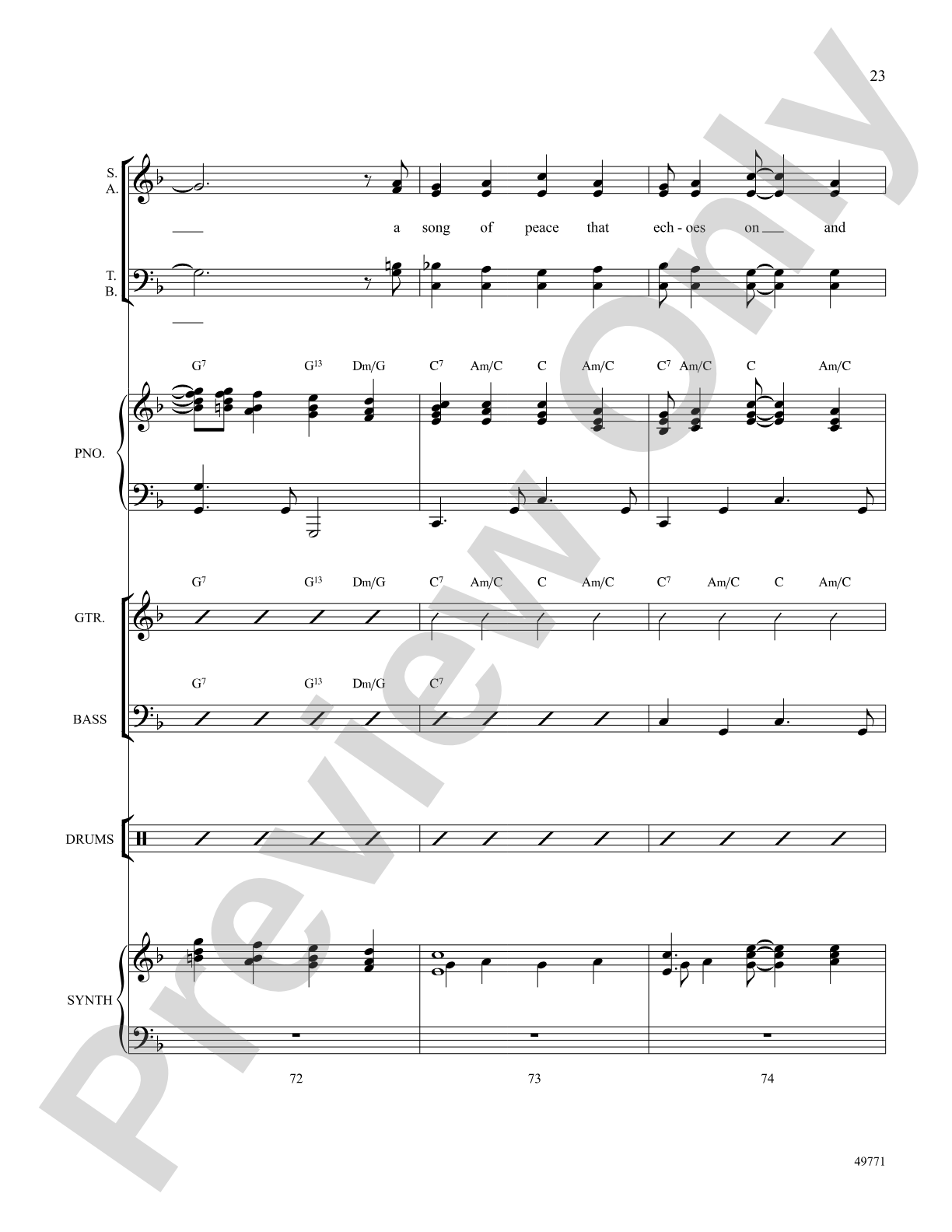
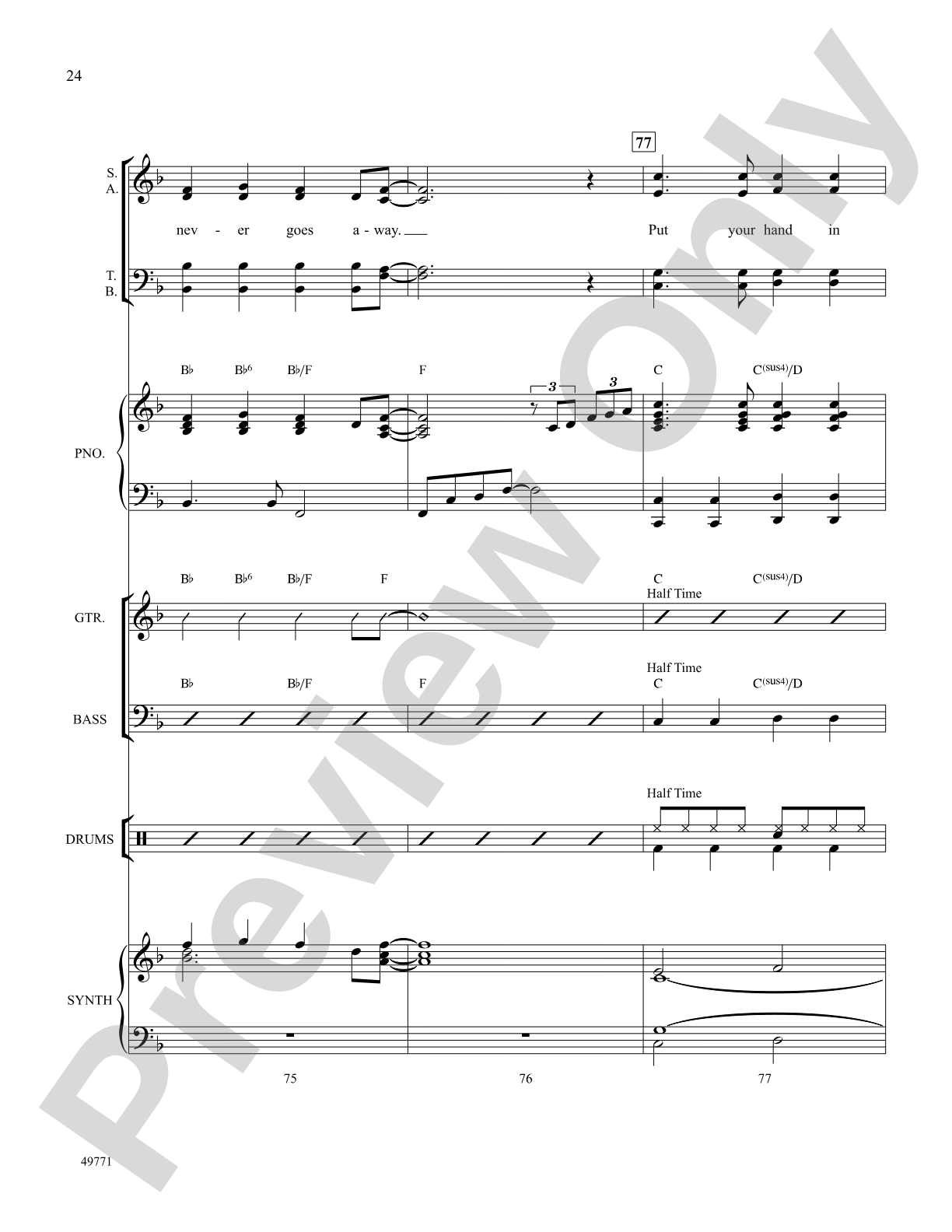
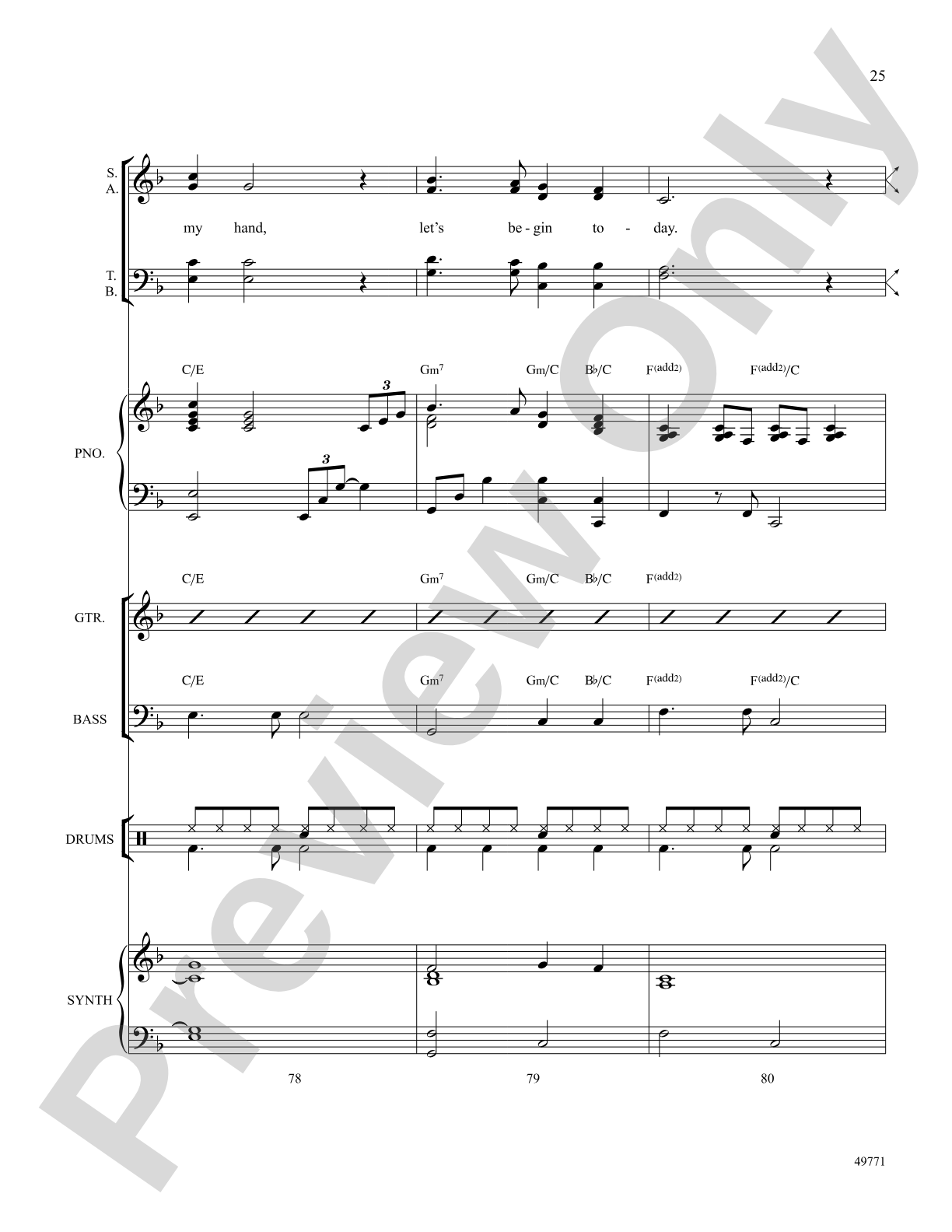
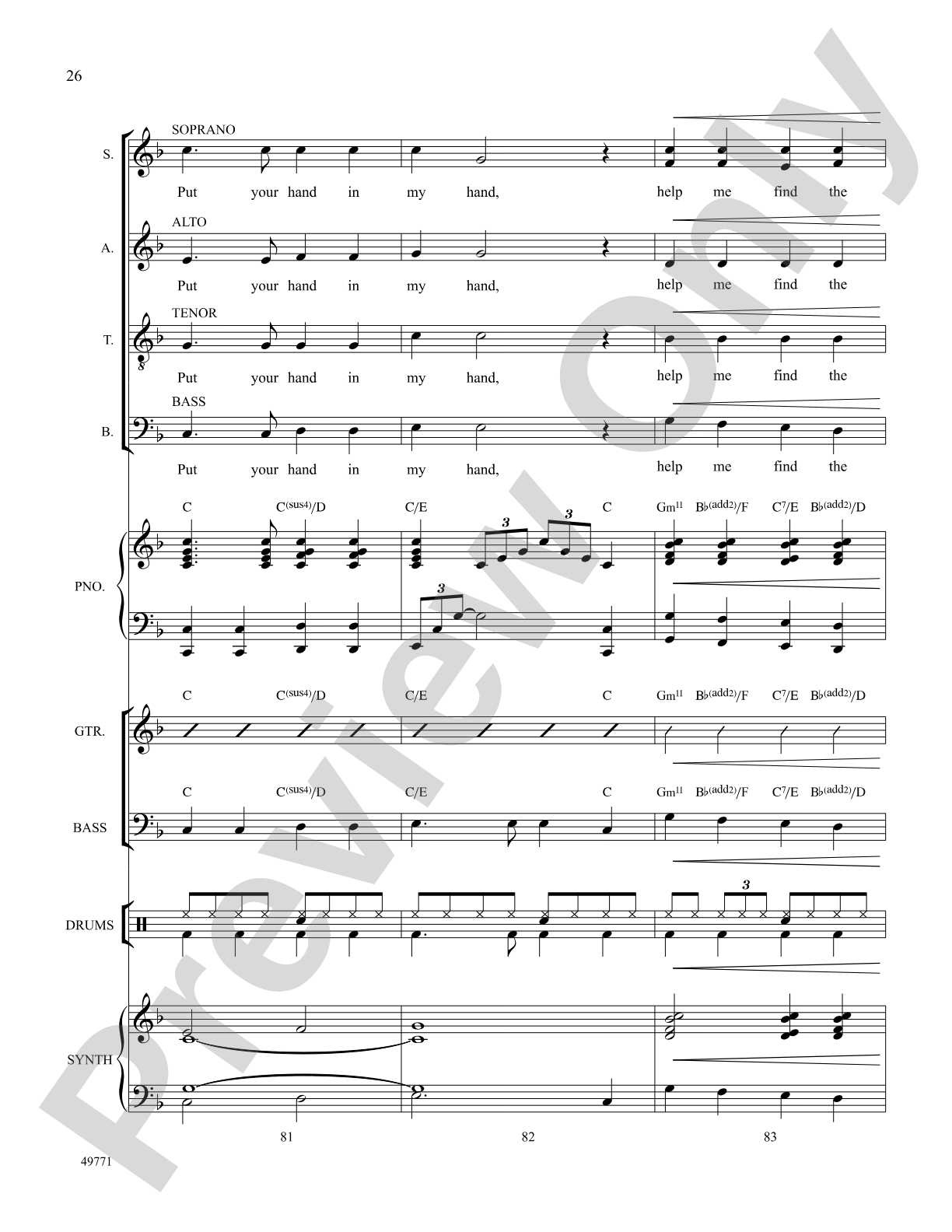
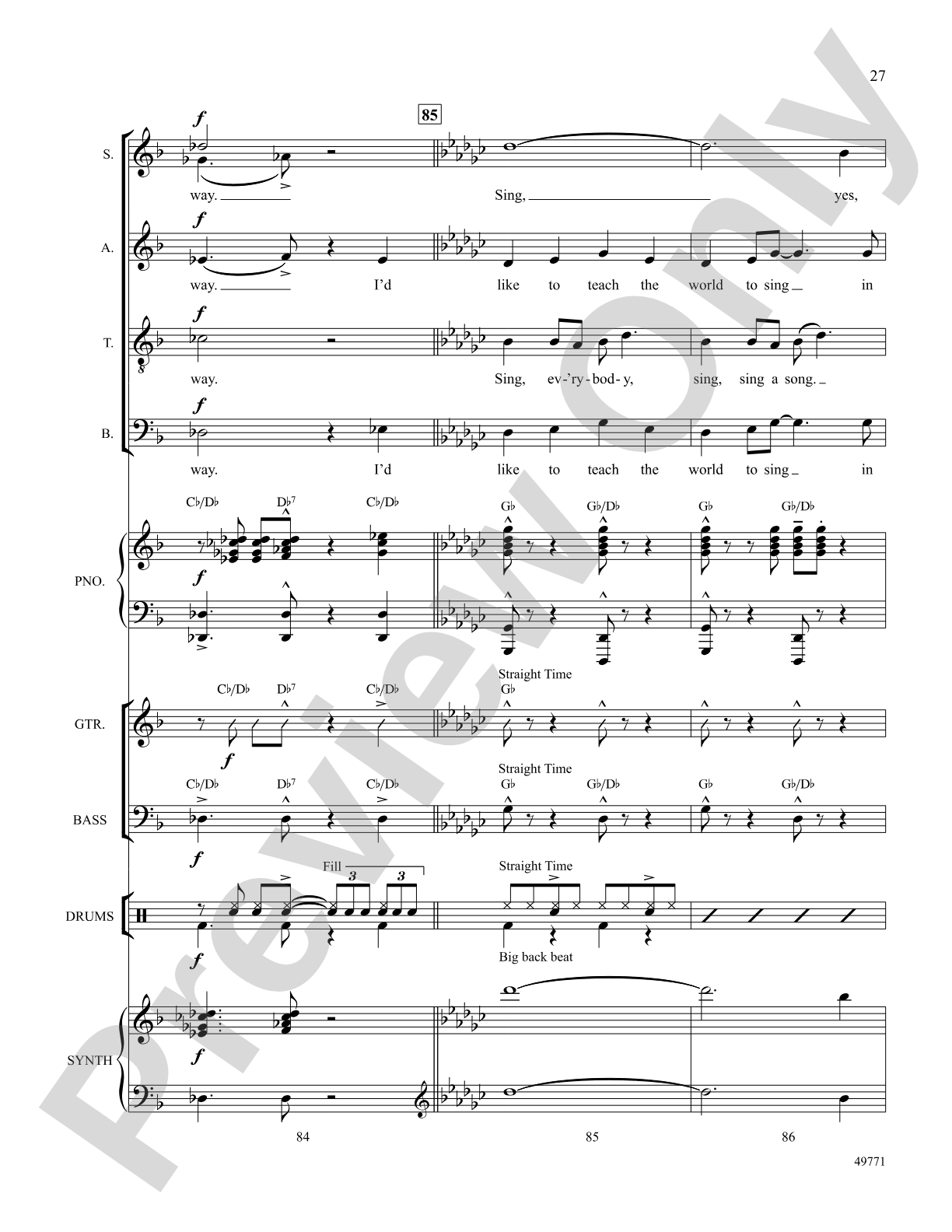
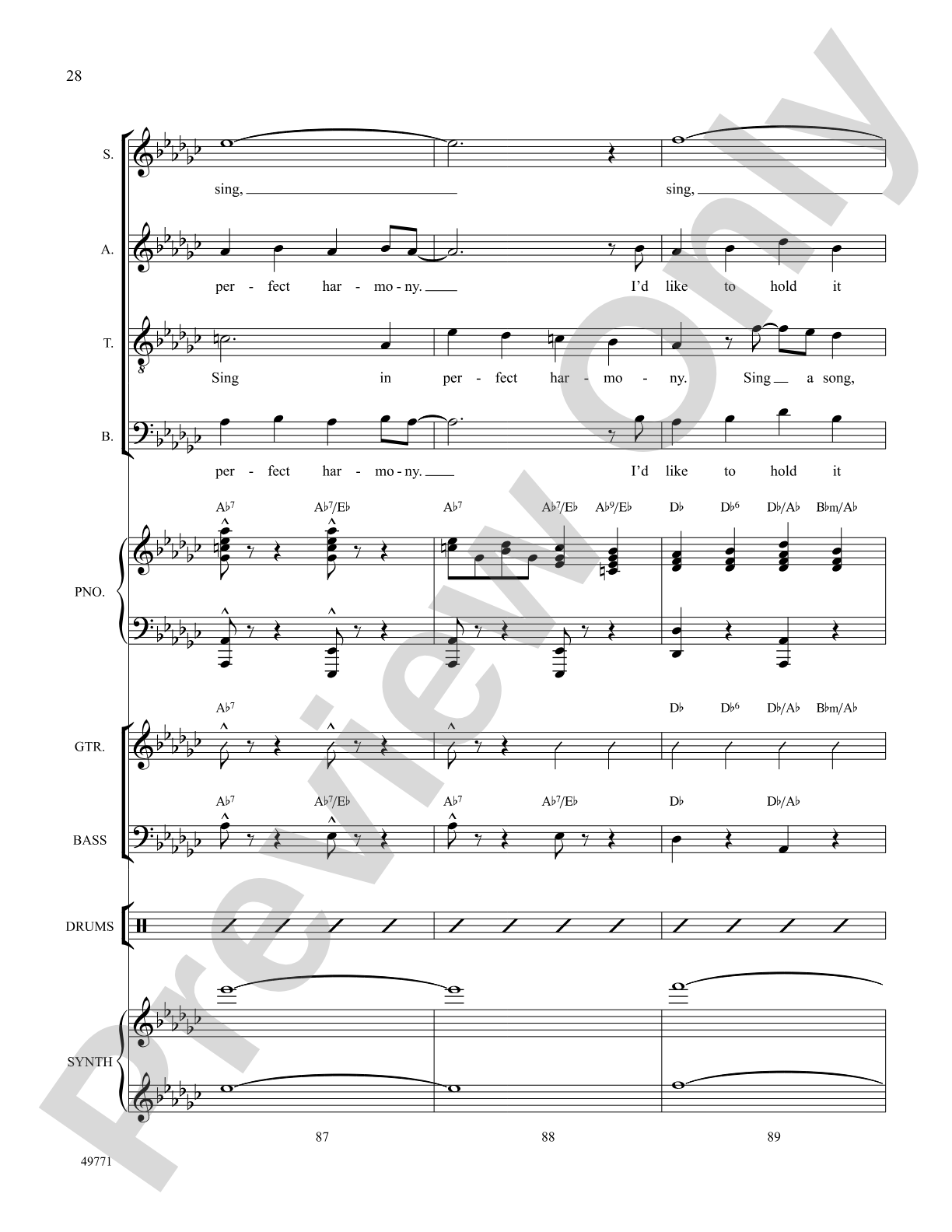
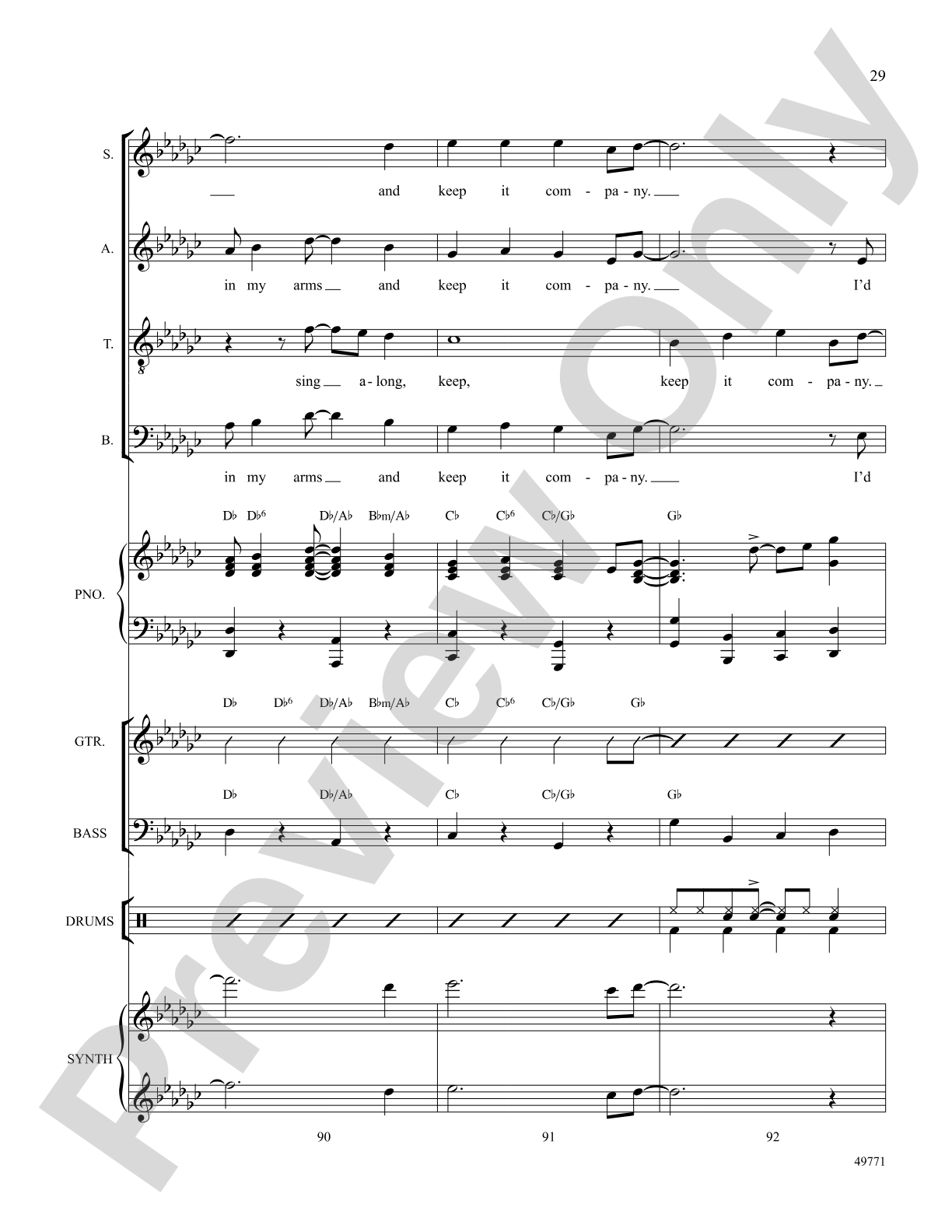
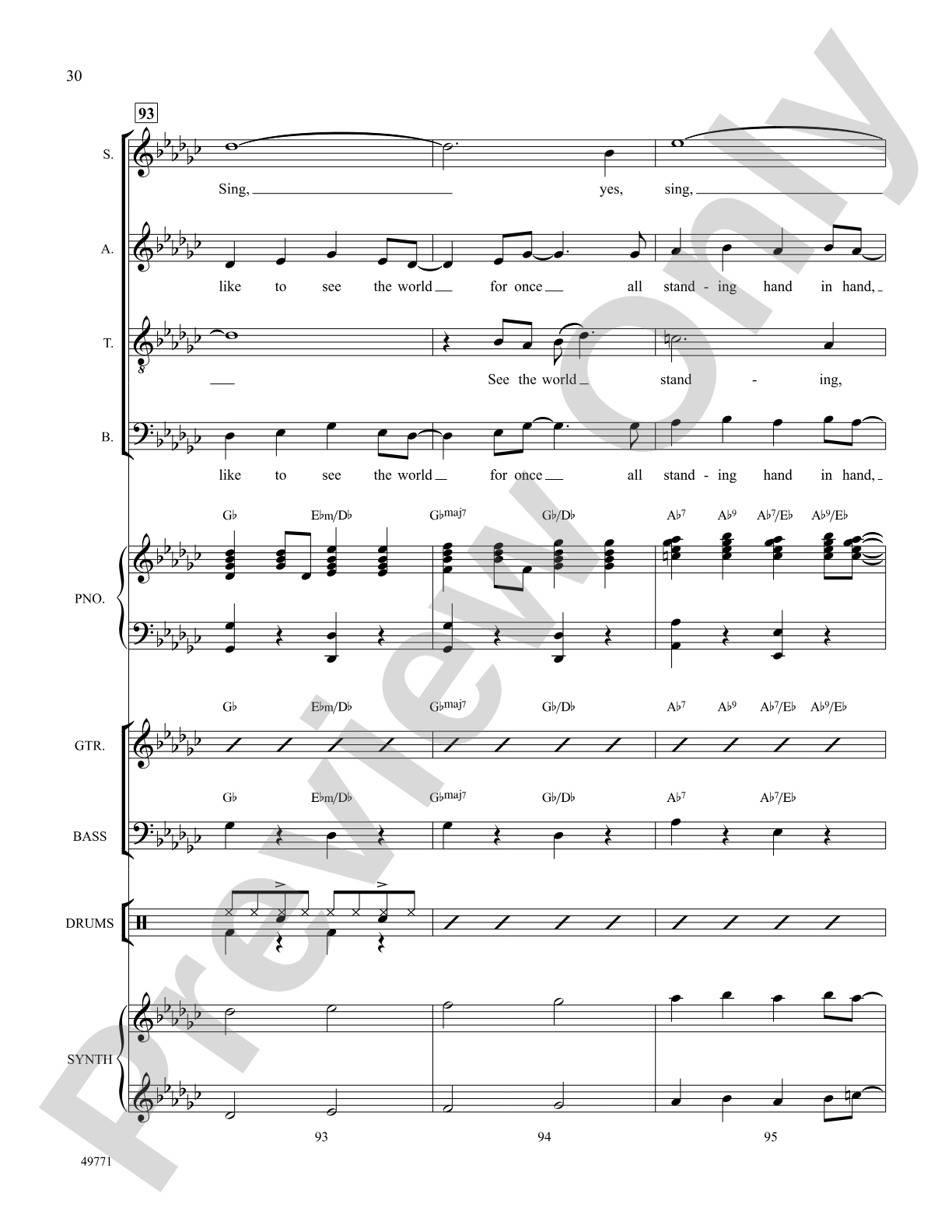
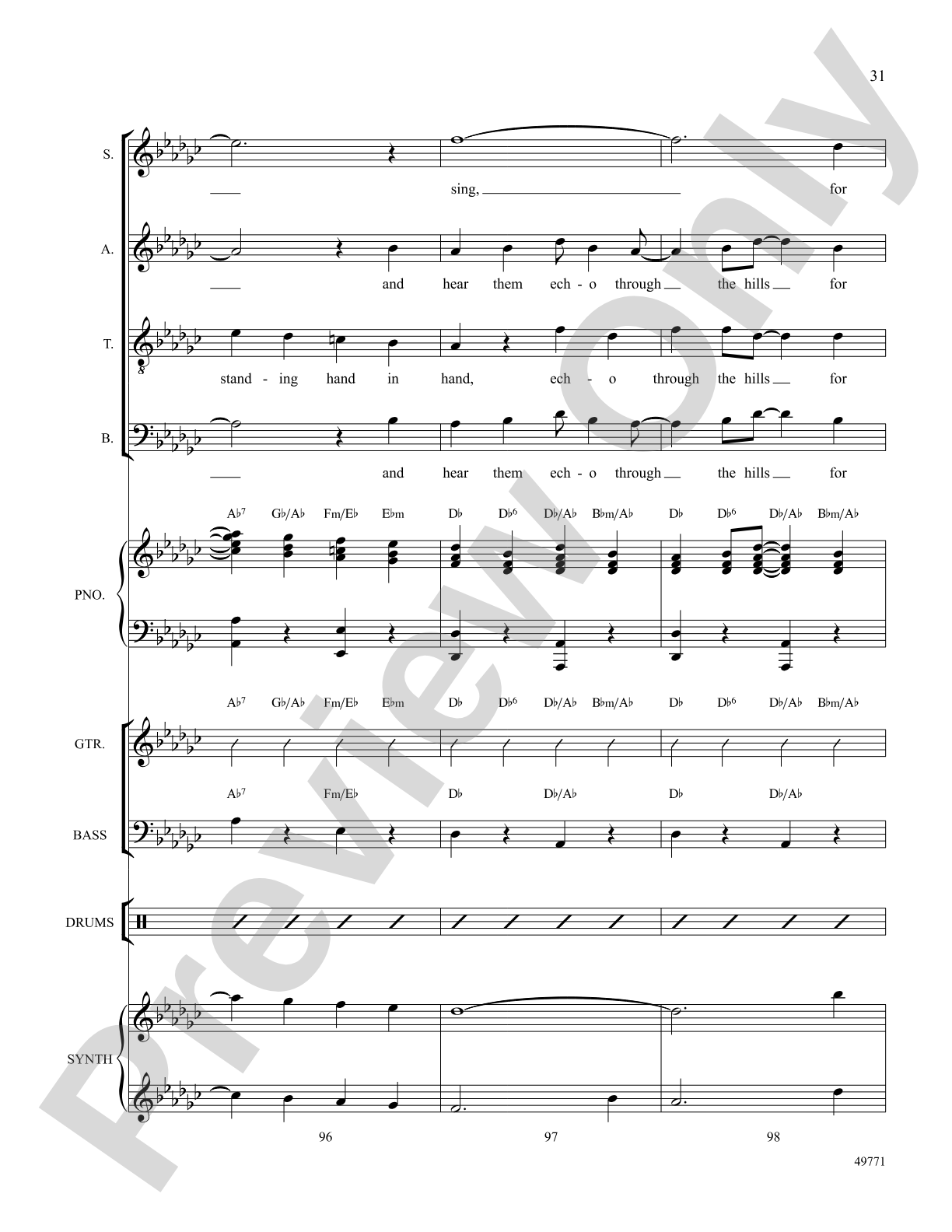
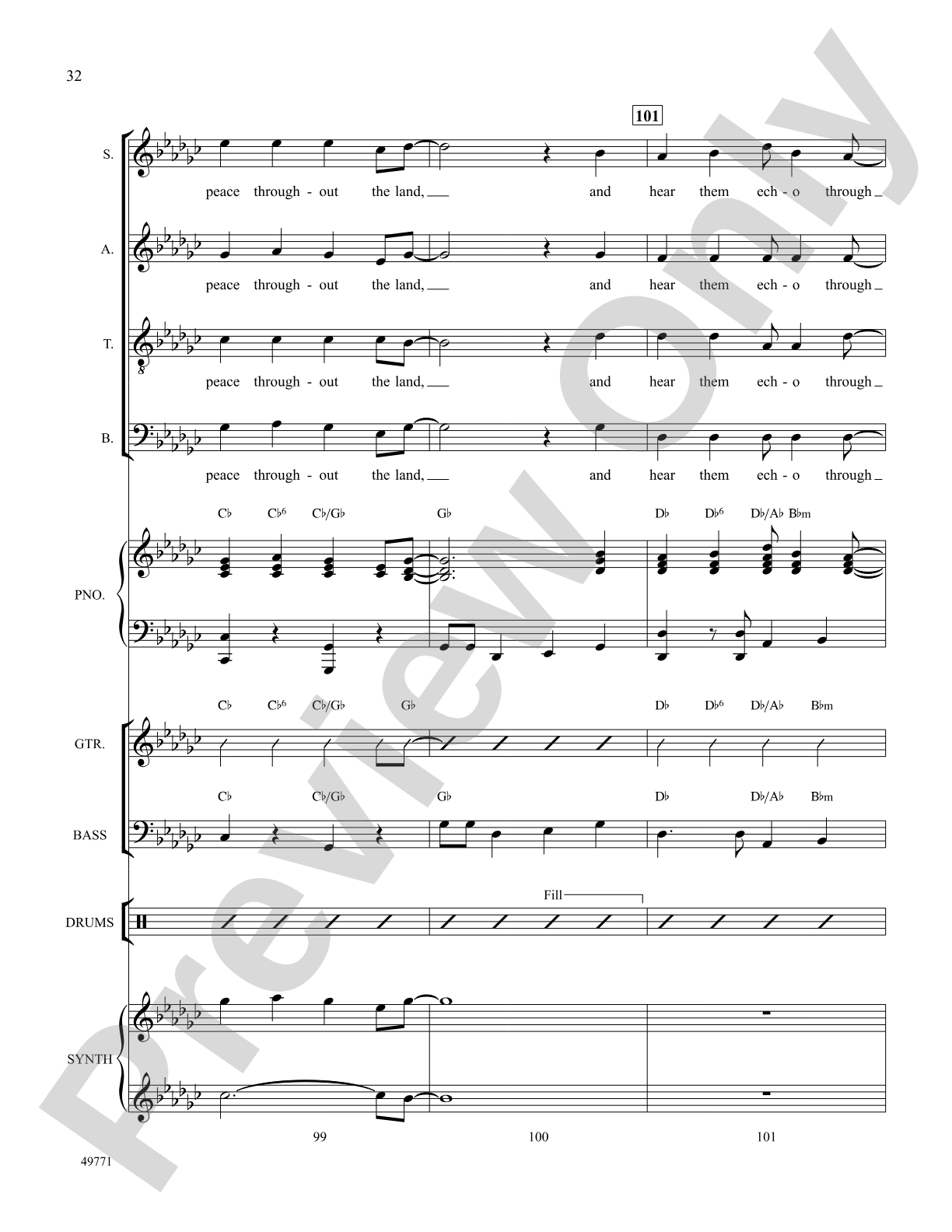
A blast from the past with a message built to last! This song of hope and love originated as the 1970s Coca-Cola jingle, considered one of the best-loved and most influential ads in TV history. It's a catchy anthem with a rock-side-to-side hook, a bubbly tune, and a few delightful counterlines. Universal themes of music and world harmony fit well on many programs---school, community, winter, spring, pop, pyramid, and more. SoundTrax and SoundPax accompaniment options are available.


I'd Like to Teach the World to Sing: Choral SoundPax isn't in MakeMusic Cloud just yet...but it could be. Let us know you'd like to see it, and you'll help shape what comes next. In the meantime, start a free trial and dive into thousands of interactive titles your students can play along with today.
Request This Title
Tell us you want it.
Start Your Free Trial
Explore everything that's ready to play right now.
Sample Audio
1
Audio File
--:--
0:00
0:00
Sample Video
No sample videos found.
Additional Details
Series:
Alfred Pop Choral Series
Publisher:
Alfred Music
SKU:
00-PK-0008626
More about this title
About the Composer: Bill Backer
Bill Backer co-wrote "I'd Like to Teach the World to Sing" as a jingle for Coca-Cola in 1971, creating what many consider the most iconic advertising song of the 1970s. The track became a cultural phenomenon, crossing over into mainstream pop and earning airplay on radio stations worldwide. Backer's gift for crafting singable, memorable melodies with universal appeal made this composition resonate far beyond its commercial origins.
Why we love this
Mark Hayes' arrangement captures the infectious energy and optimism of the original while tailoring it perfectly for choral groups. The addition of counterlines and the rock-inflected accompaniment give singers something genuinely fun to perform, not a novelty pastiche. This piece programs anywhere because its message of unity and hope feels genuine, and audiences respond to it every single time.
What to expect
Warm, optimistic, and wonderfully earnest. The melody soars with genuine hope while the supporting lines add texture and rhythmic interest without demanding technical fireworks. There's a joyful, inclusive spirit throughout that invites singers and audiences alike to embrace the vision of harmony and connection.
Who it's for
This arrangement works for any choir seeking an accessible, uplifting piece with broad appeal. Community choirs, school groups, and mixed ensembles will find the part writing singable and the message genuinely moving. The piece requires no soloists and accommodates a wide range of voice types and experience levels.
How to get the most out of it
- Keep the rhythmic hook crisp and synchronized across the section; the side-to-side motion of the melody relies on tight ensemble precision to land with the energy the arrangement intends.
- Balance the counterlines carefully so they enhance rather than obscure the main melody, especially in measures where multiple lines overlap.
- Lean into the rock character with clear vowel sounds and a relaxed jaw; this isn't a classical piece, and the diction should reflect that contemporary feel.
- Use the recorded accompaniment to lock the groove and feel how the rhythm section drives the song forward at rehearsal.
How to use it
Program this in spring or spring concerts when themes of renewal and togetherness feel natural, or use it as a bridge piece between a more serious first half and lighter material in the second half. It works equally well as the anchor for a pop-themed concert or nestled within a diverse program that celebrates different musical styles and messages.
Skills your students will build
- Balancing melody and counterline in an ensemble setting
- Singing with rhythmic precision in contemporary pop style
- Clear diction in pop idiom with energetic vowel placement
- Part-singing with attention to blend across multiple layers
- Confidence performing well-known material while bringing fresh interpretation