
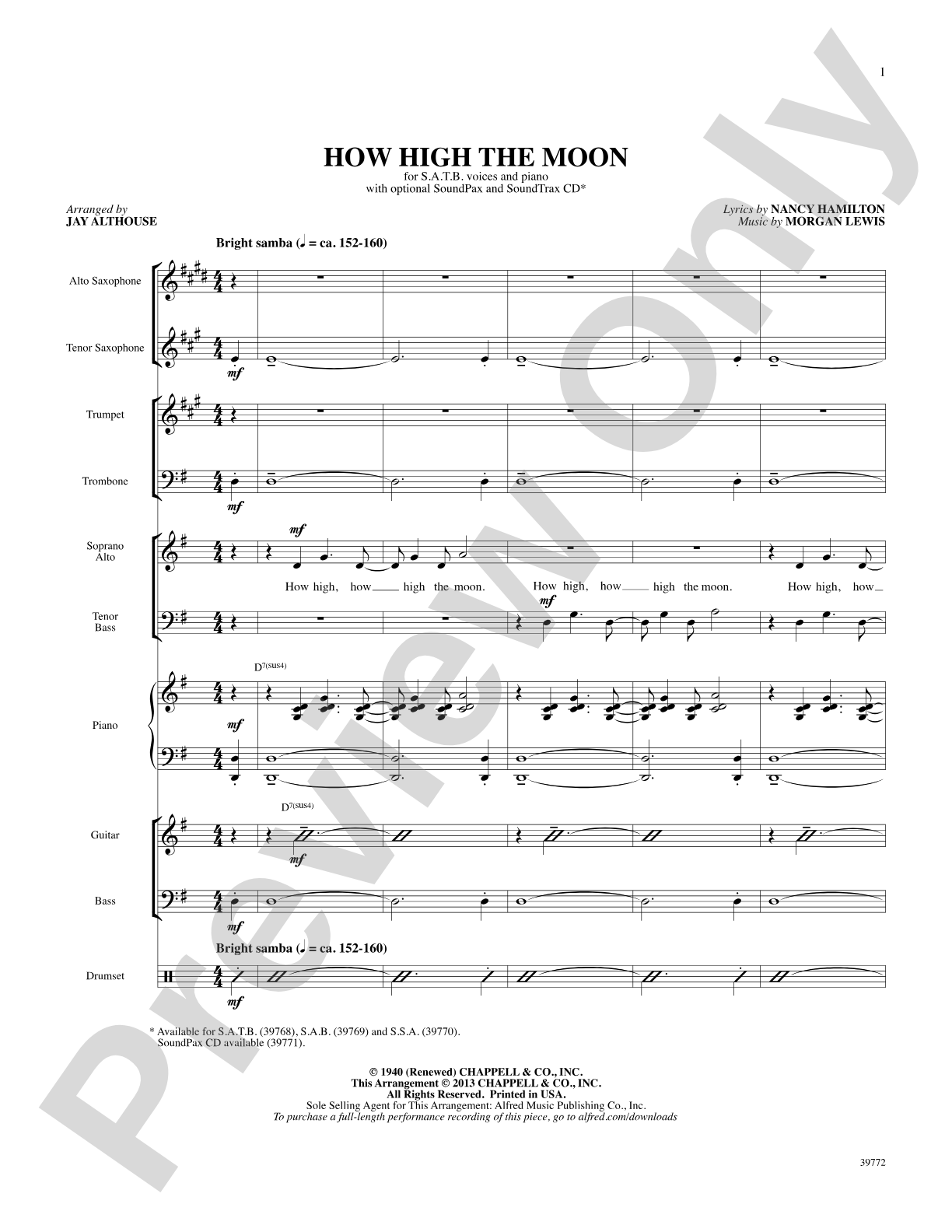
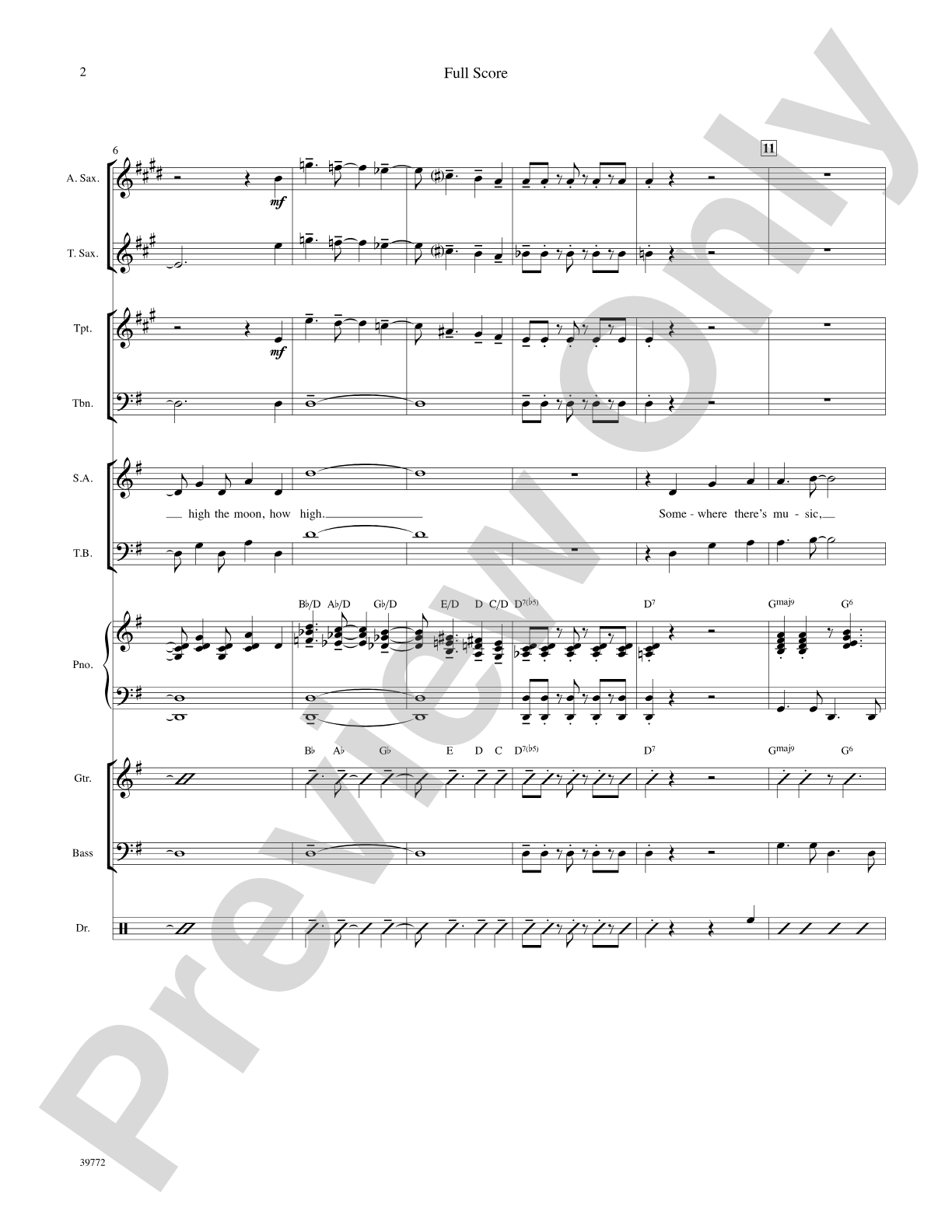
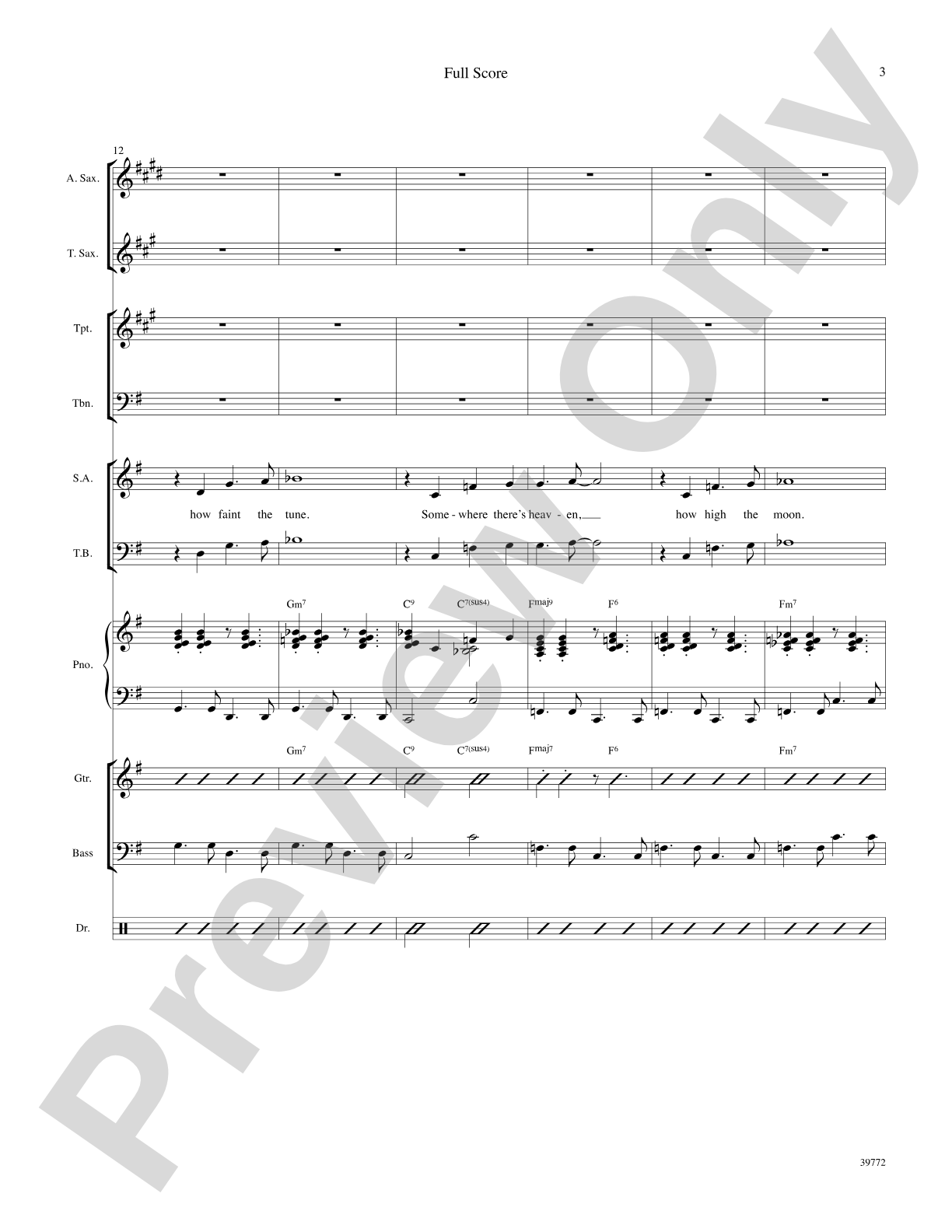
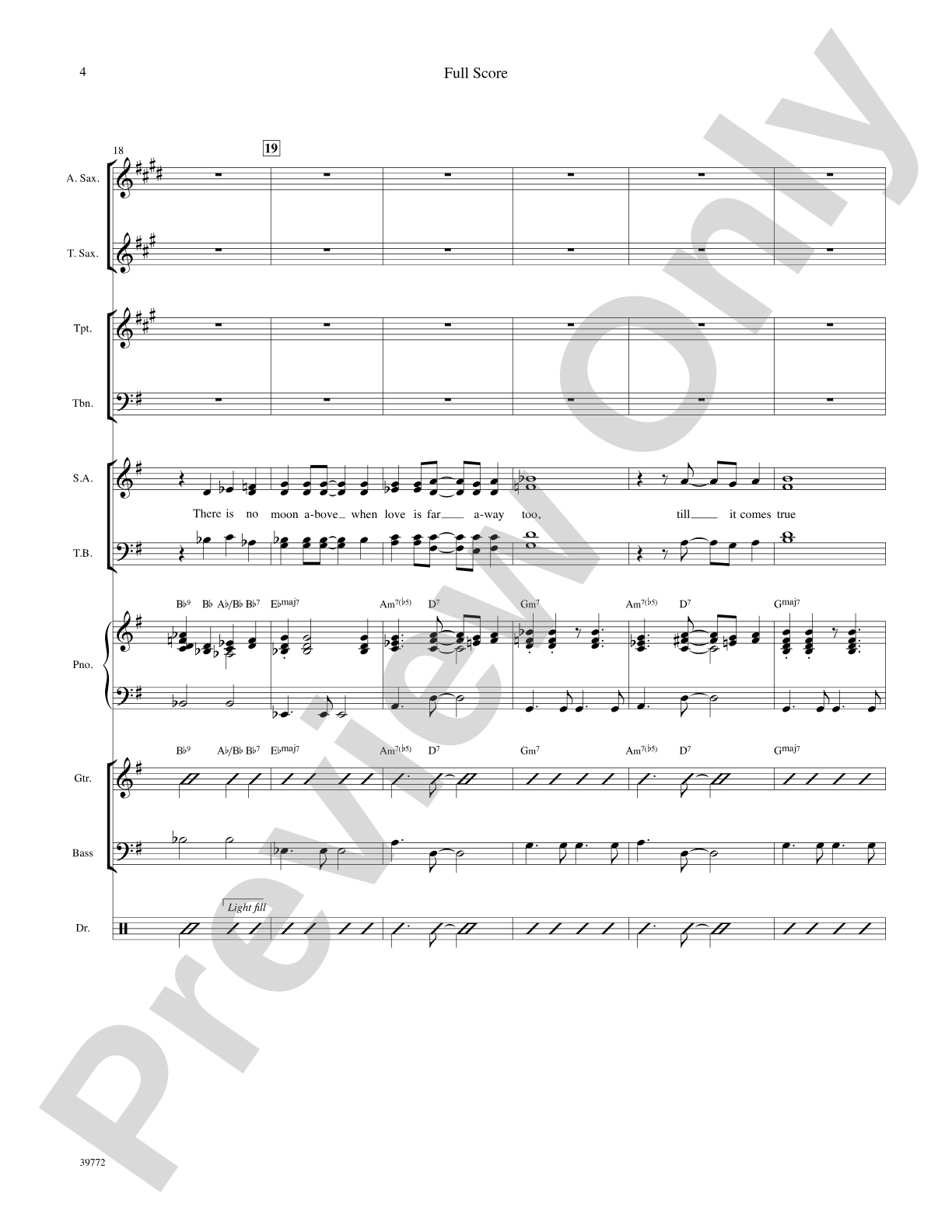
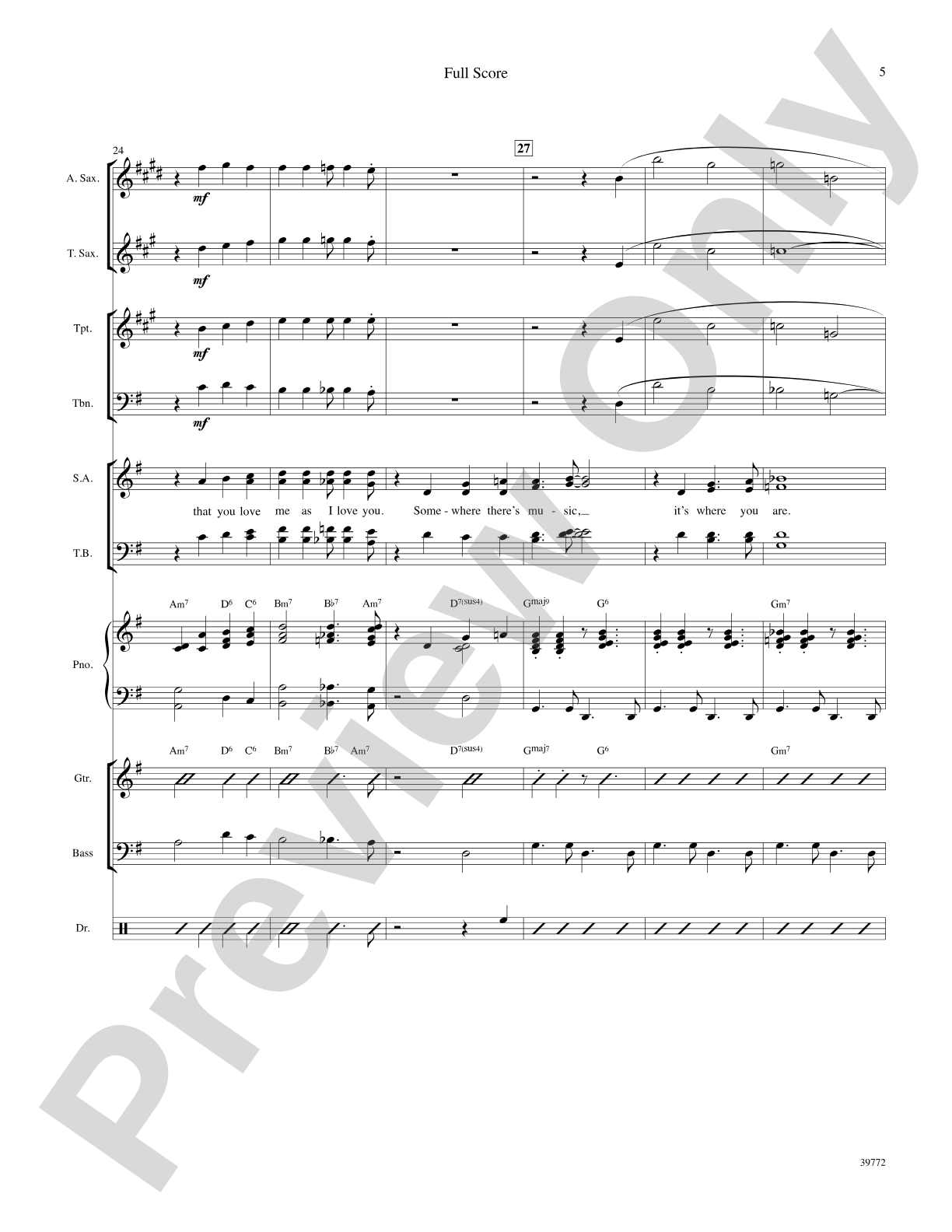
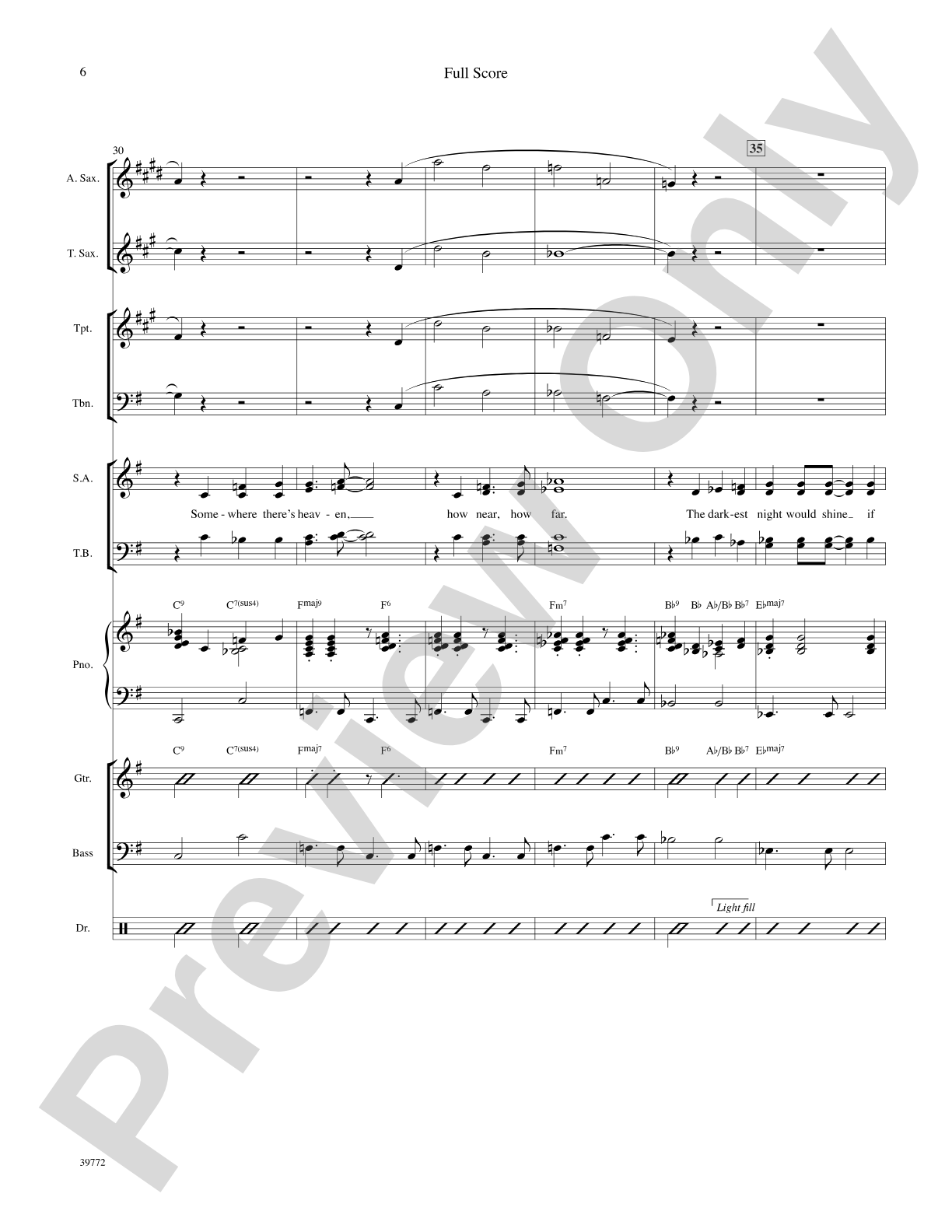
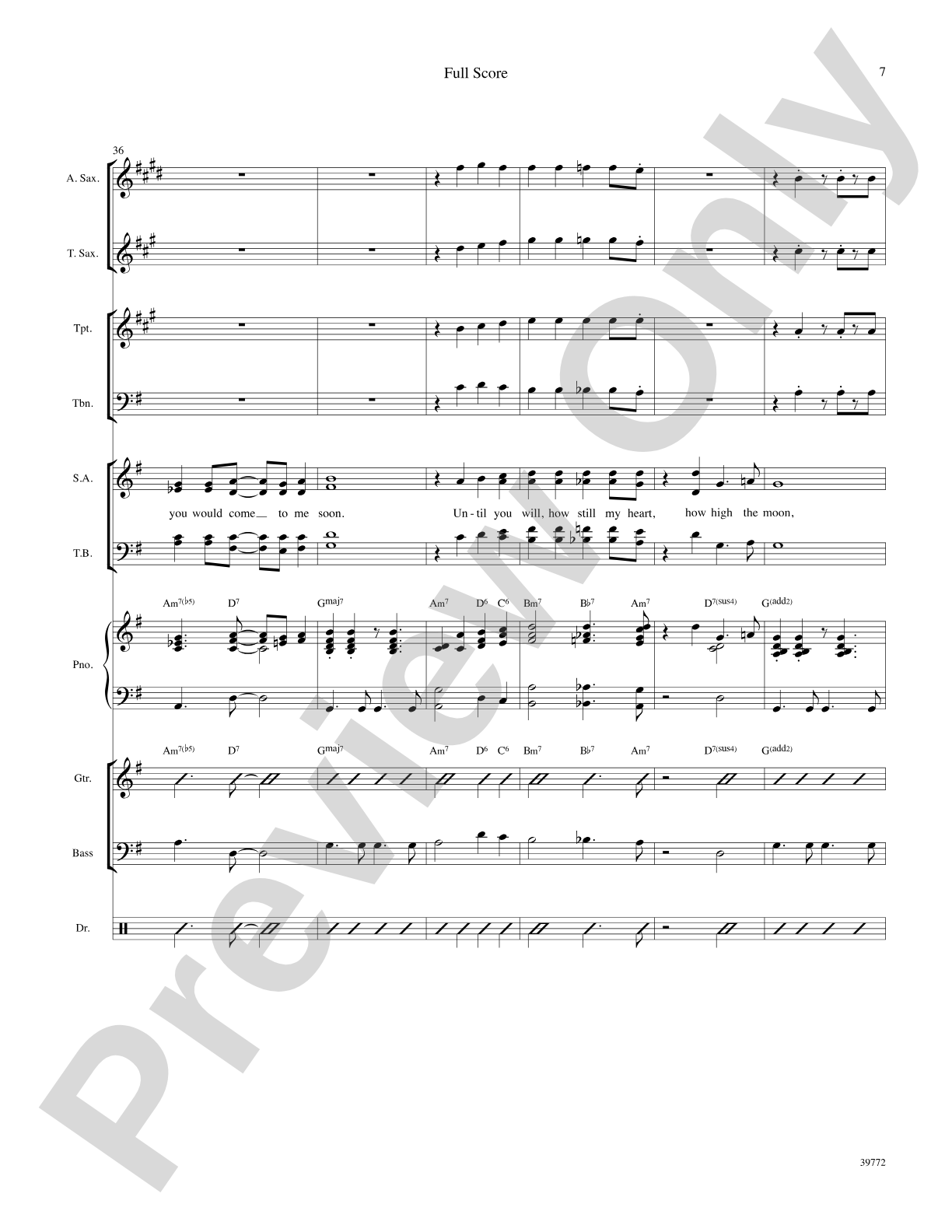
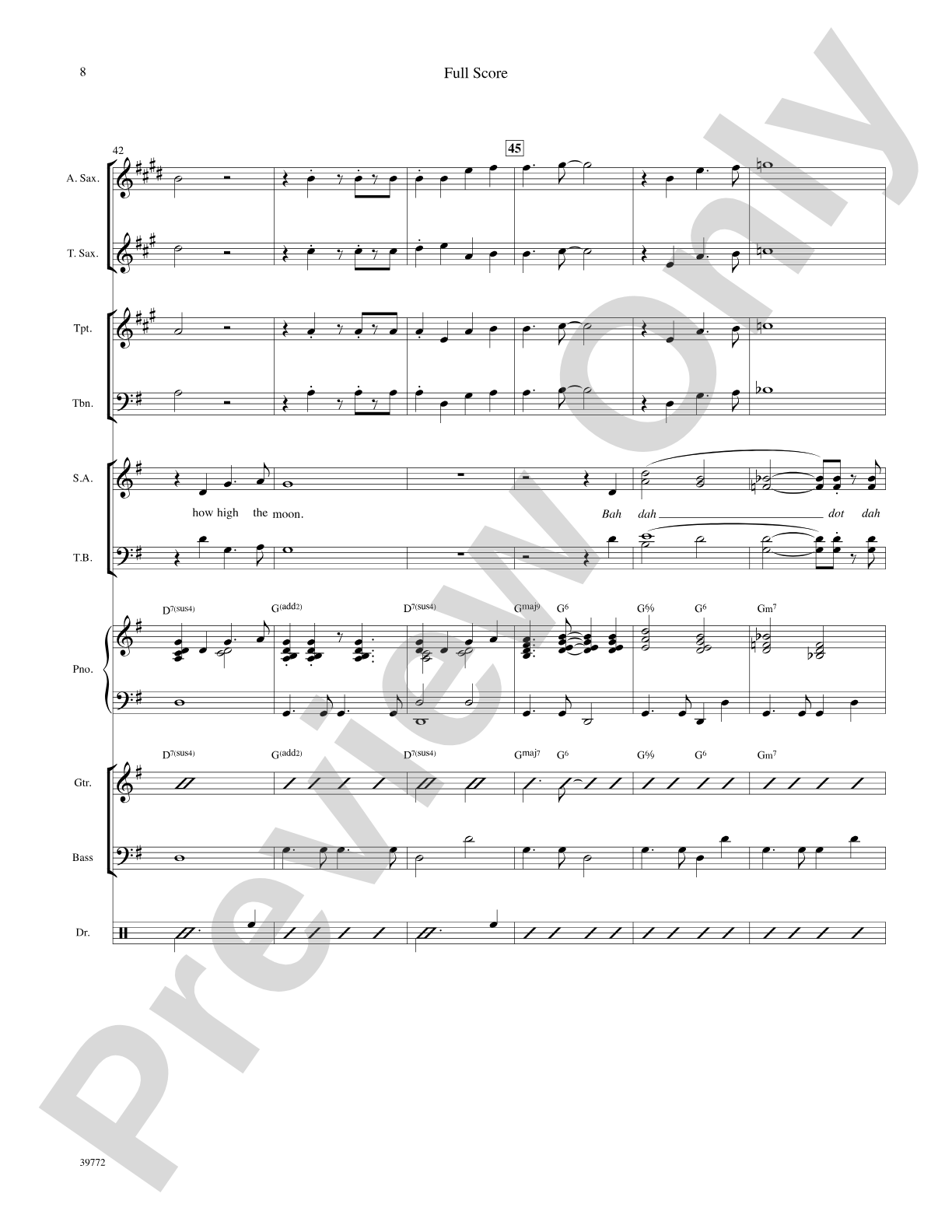

How High the Moon: Choral SoundPax
Lyrics by Nancy Hamilton, music by Morgan Lewis / arr. Jay Althouse
Item: 00-PK-0005674

$35.00
Pickup currently not available
Buy Extra Parts (Digital PDF Download)
Parts Added to Cart!
Related Items
How High the Moon: SoundTrax Digital Audio Download |
$27.99
|
View | |
How High the Moon: SATB Choral Octavo |
$2.10
|
View | |
How High the Moon: SAB Choral Octavo |
$1.90
|
View | |
How High the Moon: SSA Choral Octavo |
$1.90
|
View | |
How High the Moon: SATB Choral Octavo |
$2.10
|
View | |
How High the Moon: SAB Choral Octavo |
$1.90
|
View | |
How High the Moon: SSA Choral Octavo |
$1.90
|
View | |
How High the Moon: Choral Octavo SoundTrax CD |
$27.99
|
View | |
How High the Moon: Choral SoundPax |
$35.00
|
View |
Description
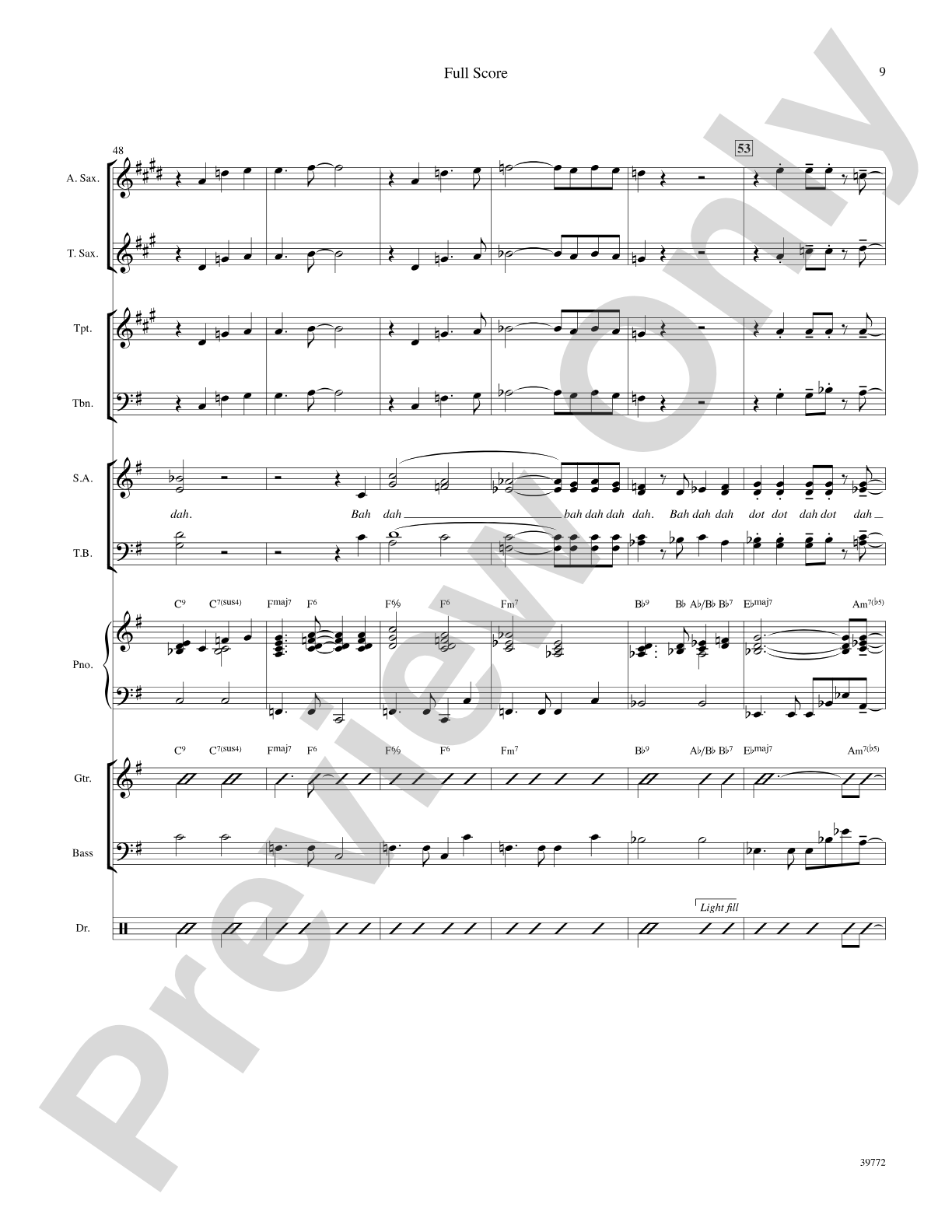
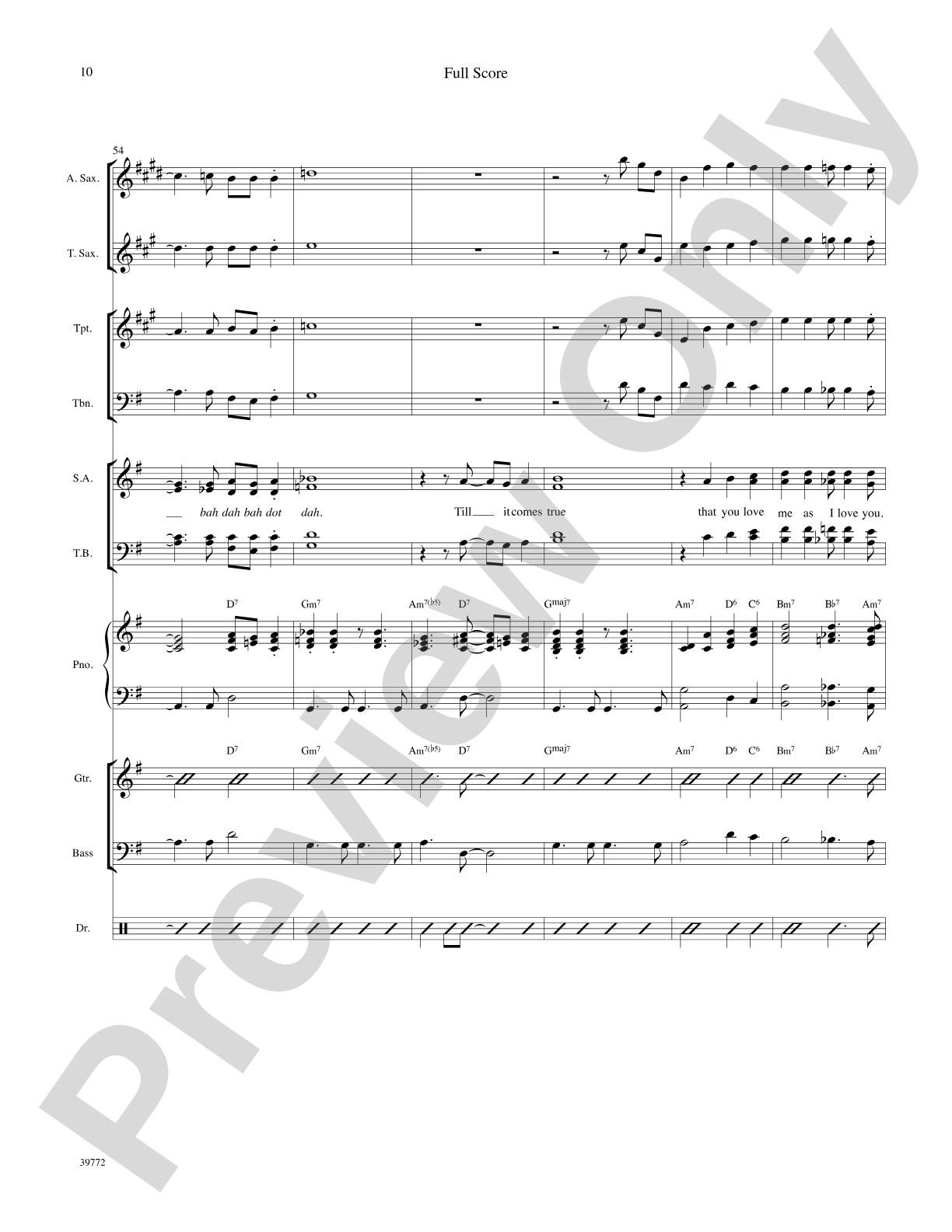
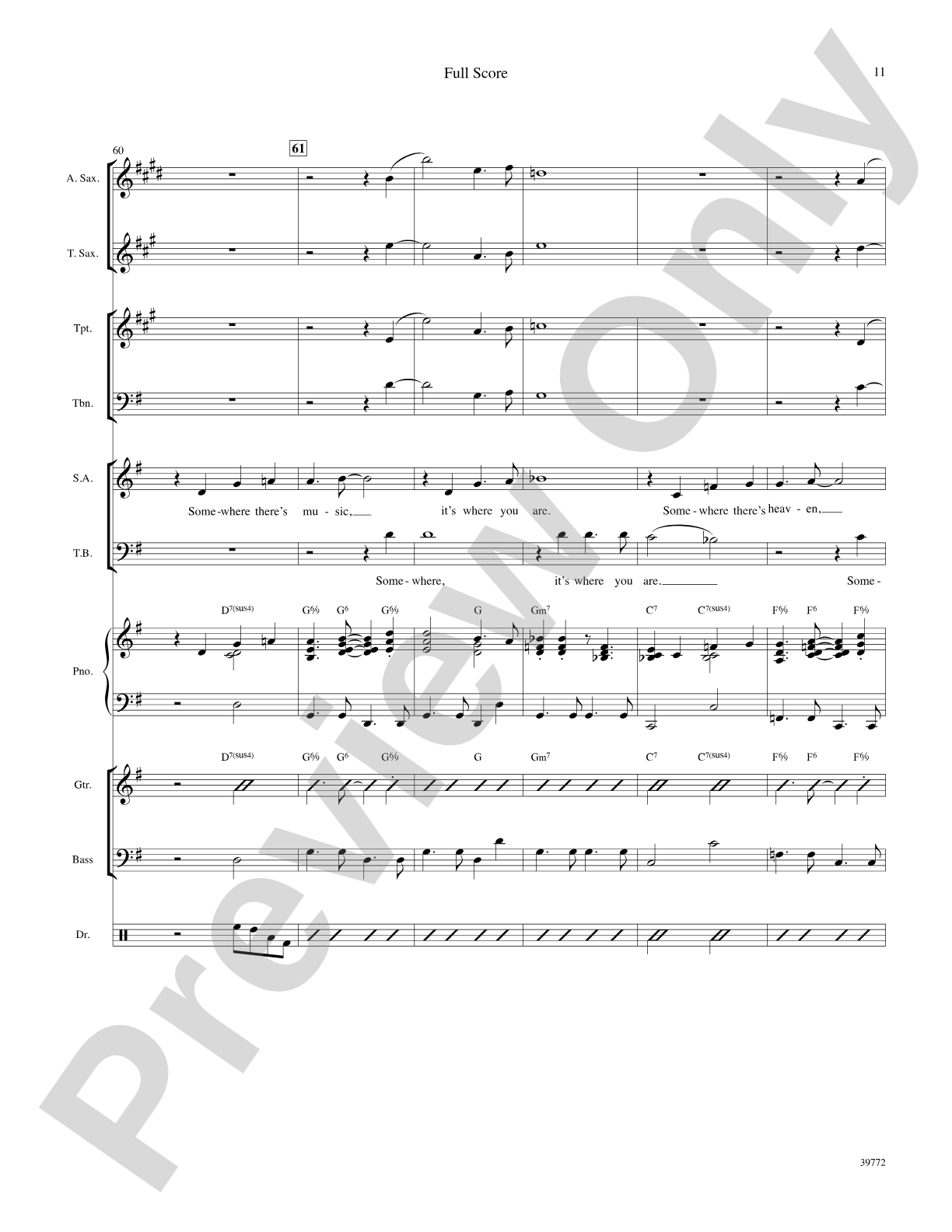
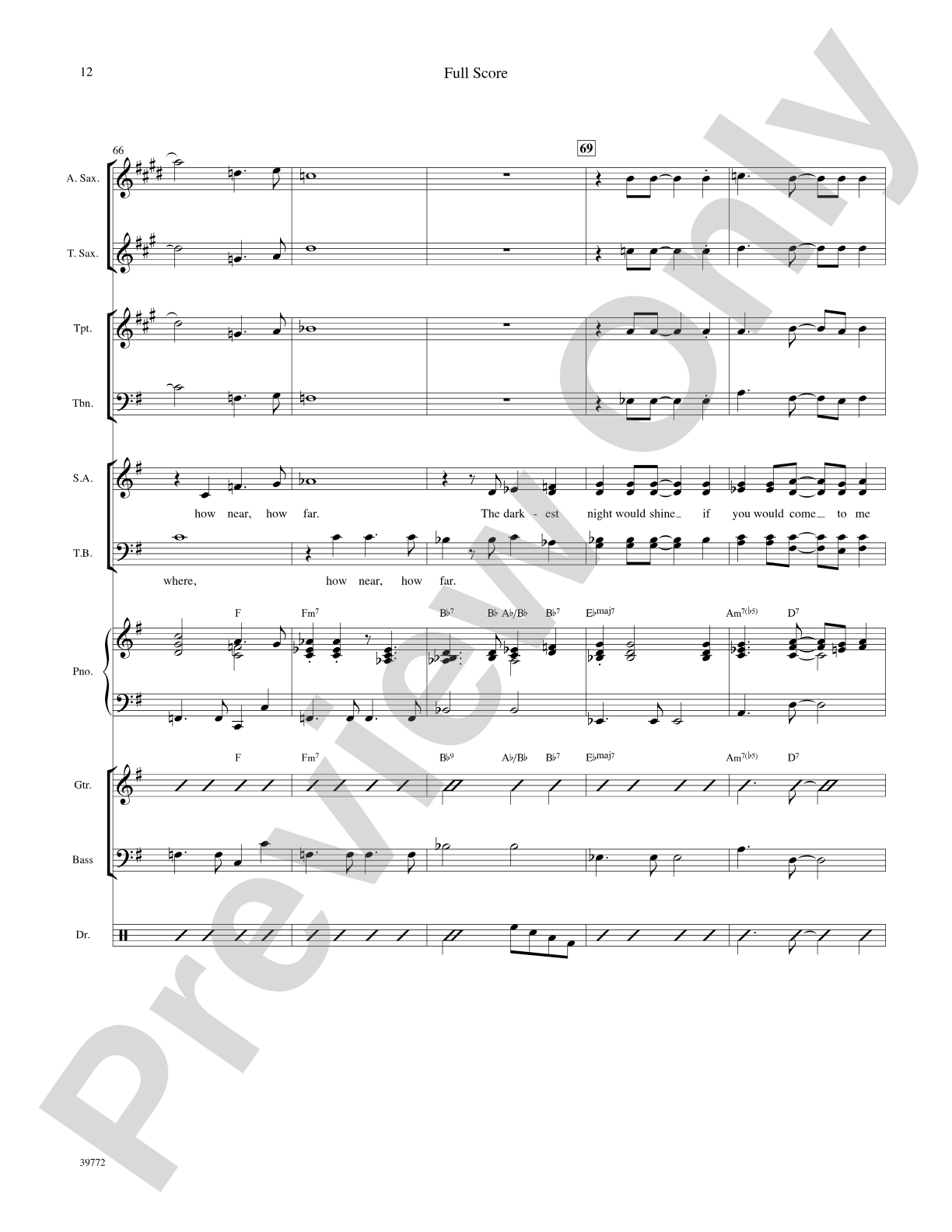
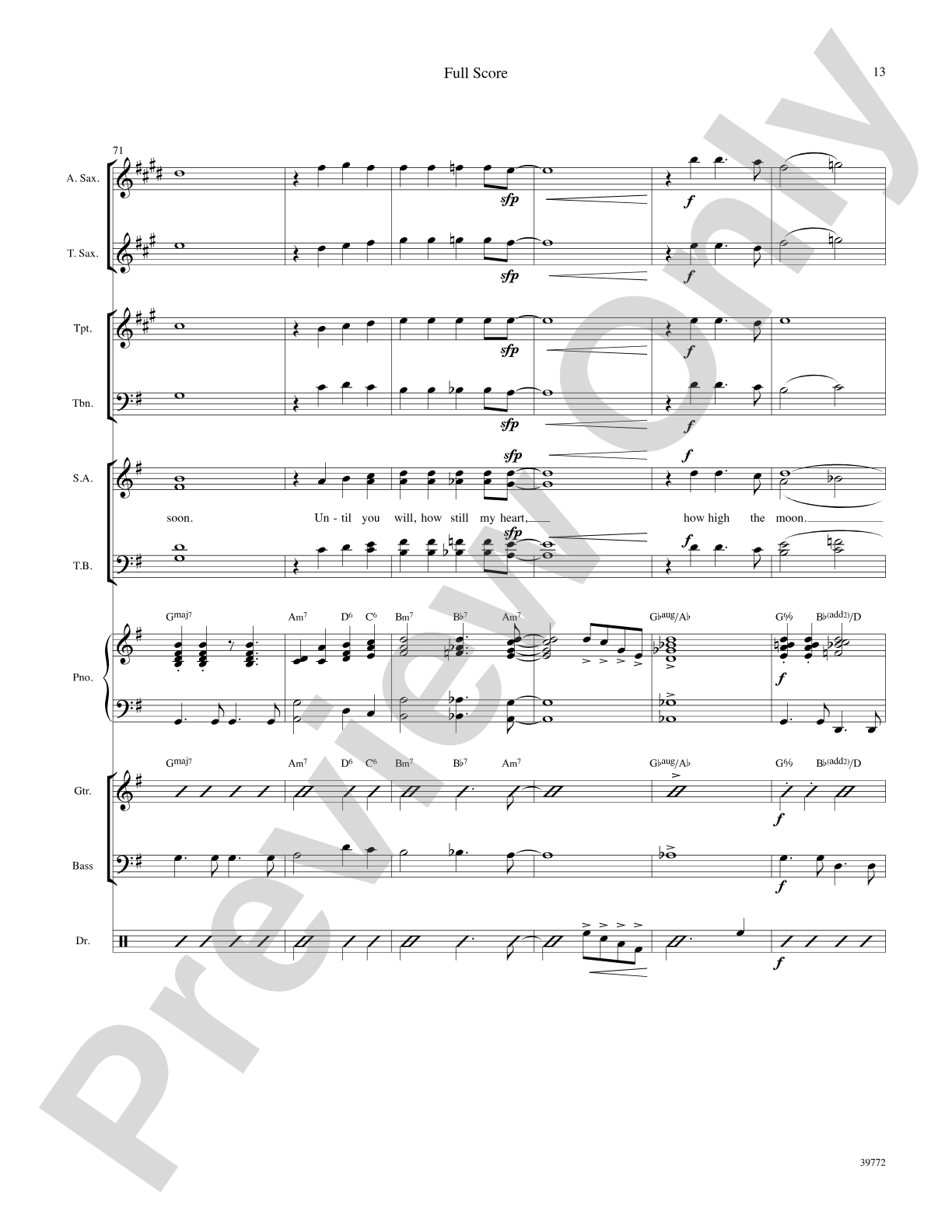
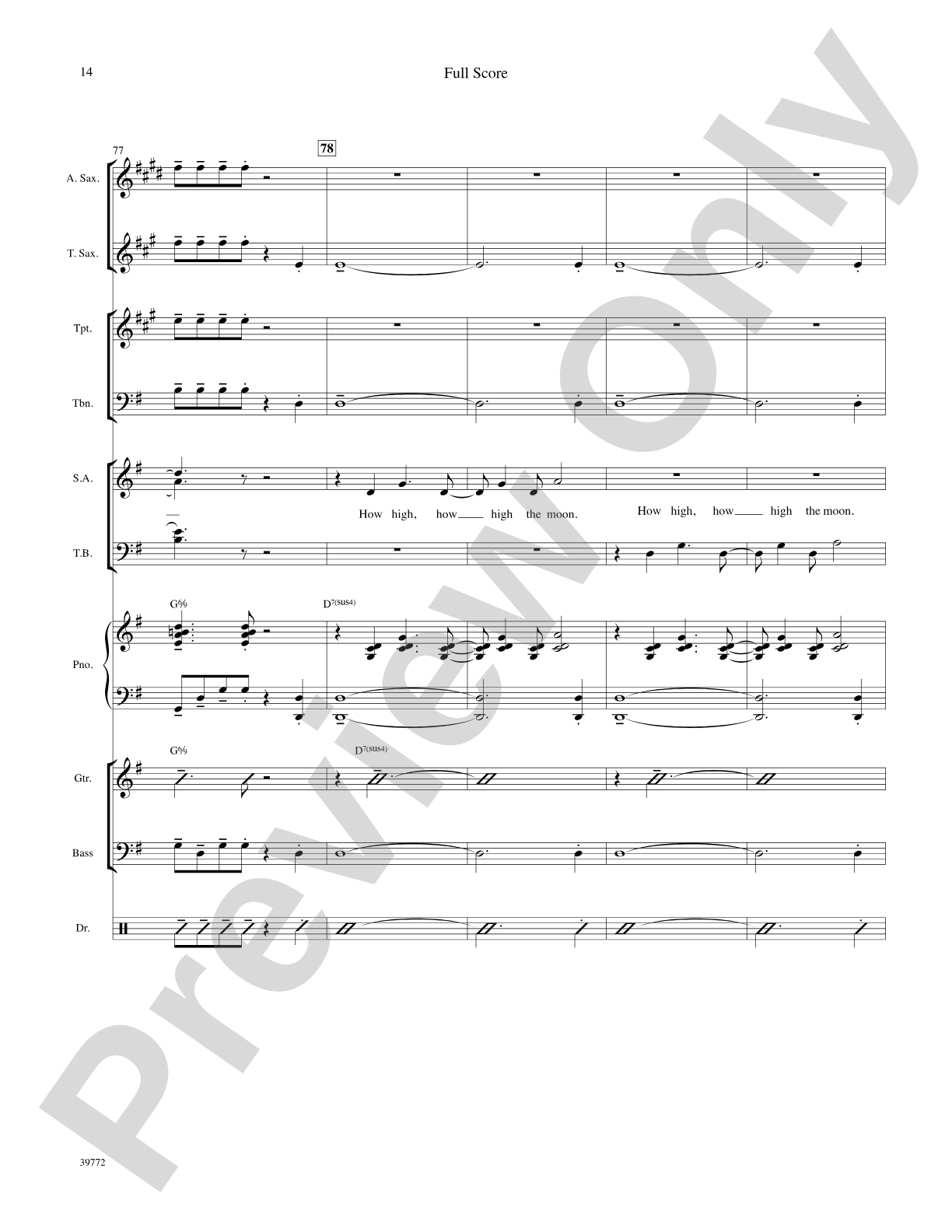
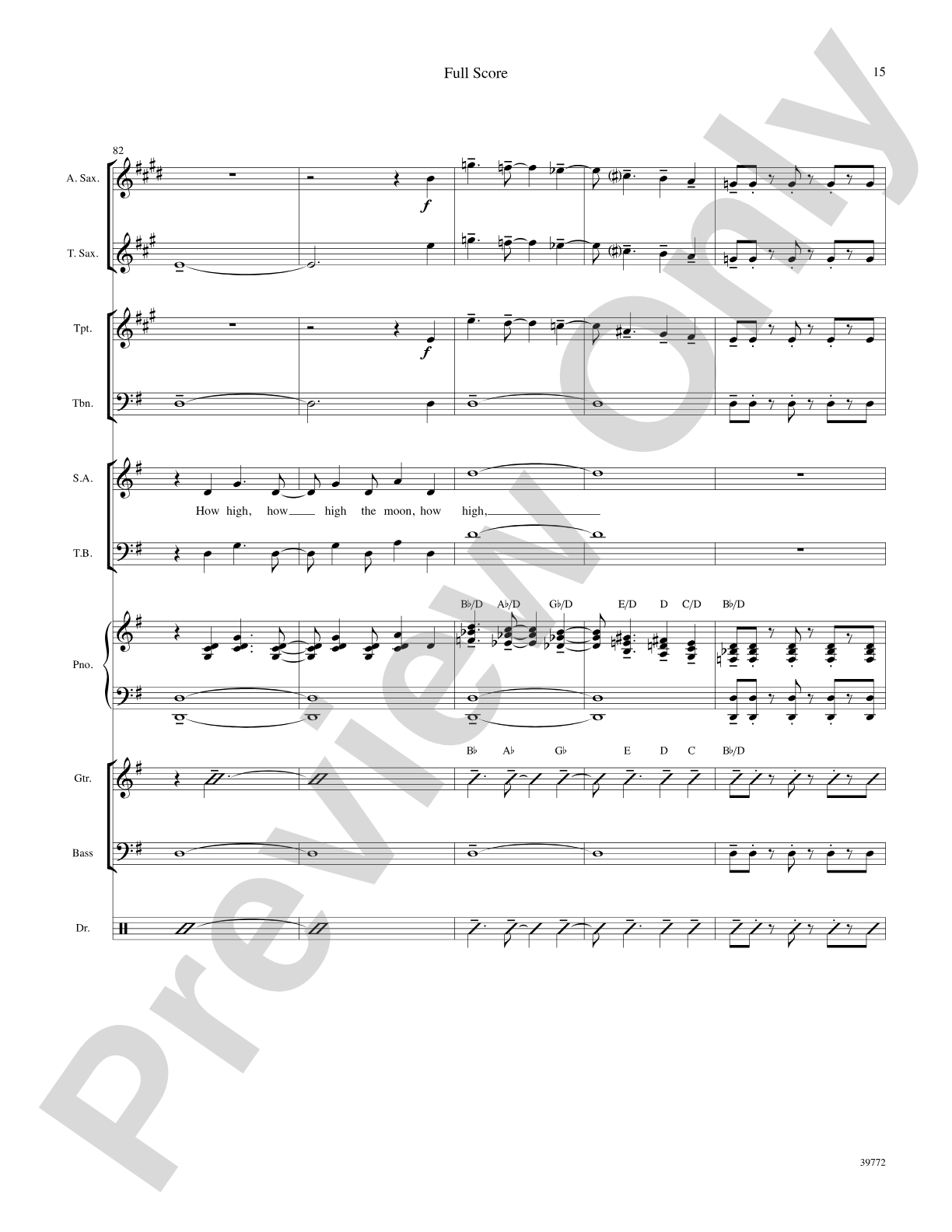
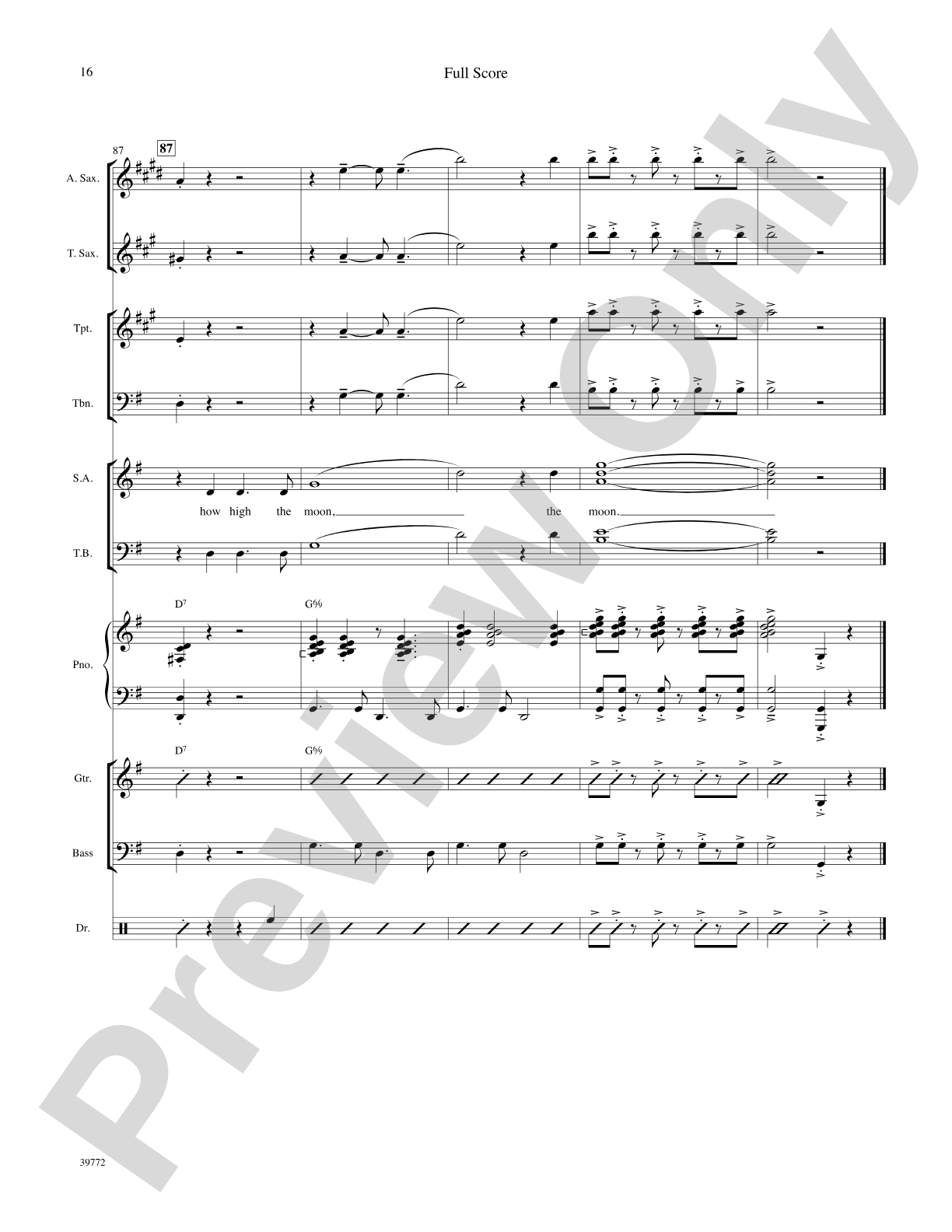
A multitude of artists have recorded this iconic jazz tune, presented here in a fresh, samba style with tight harmonies and a stellar scat section.


Don't just read it, hear it, play along with it, and watch your students grow with it. In MakeMusic Cloud, How High the Moon: Choral SoundPax comes alive with professional accompaniment, adjustable tempo, and built-in practice tools that turn solo practice into real progress.
Open in the Player
Jump straight in and assign it today.
Start Your Free Trial
Open this title and explore the full library in minutes.
Sample Audio
1
Audio File
--:--
0:00
0:00
Sample Video
No sample videos found.
Additional Details
Series:
Alfred Pop Choral Series
Publisher:
Alfred Music
Page Count:
28
SKU:
00-PK-0005674
Instrumentation:
SoundPax
More about this title
About the Composer: Morgan Lewis
Morgan Lewis composed "How High the Moon" in 1940 with lyricist Nancy Hamilton for the Broadway musical "Two for the Show." The song became a jazz standard almost immediately, recorded by everyone from Ella Fitzgerald to Bill Evans, and remains one of the most interpreted compositions in American popular music. Lewis's gift for writing memorable melodies with harmonic sophistication made this tune enduringly appealing across genres and decades.
Why we love this
Jay Althouse's samba treatment strips away the cool, introspective quality many choirs know from standard jazz arrangements and replaces it with propulsive energy and Latin rhythmic drive. The tight harmonies keep the focus on precision and blend while the scat section gives soloists a genuine moment to shine without requiring instrumentalists. This version programs easily alongside both traditional jazz repertoire and contemporary pop, making it genuinely useful in mixed concert contexts.
What to expect
The samba pulse brings immediate joy and movement, a tropical breeze through a jazz classic. Tight harmonies layer over infectious rhythm in a way that makes singers feel the groove in their bodies, not just hear it, while the scat passage unleashes playfulness and individual voice.
Who it's for
This arrangement works for choirs seeking jazz repertoire with accessible energy, strong ensemble moments, and built-in soloist opportunities. It suits intermediate to advanced high school and college choirs, show choirs, and professional community ensembles looking to expand beyond traditional pop or standards into more rhythmically adventurous territory.
How to get the most out of it
- Lock the rhythmic foundation first. The samba feel depends on dancers and percussionists (whether live or recorded) anchoring the pulse; without that groove clarity, the harmonies will feel stiff rather than swinging.
- Shape the scat section as call-and-response rather than a solo moment. Even if one voice carries the melody line, the background voices should answer rhythmically to build conversational energy and hold ensemble coherence.
- Balance the recorded accompaniment so it supports rather than dominates. These arrangements shine when the choir's blend and intonation sit in front of the track, not buried in it.
- Drill the Latin rhythmic figures independently before full rehearsals. Compound rhythms common to samba writing take focused attention to land cleanly alongside the choral parts.
How to use it
Open a set with this tune to establish energy and contemporary flair, or anchor a jazz-influenced segment of a larger concert. Its approachability and rhythmic character make it strong programming between heavier choral works or as a bridge from classical to pop repertoire.
Skills your students will build
- Singing over syncopated accompaniment and maintaining rhythmic independence
- Balancing individual scat melody against background harmonic parts
- Executing Latin rhythmic figures (clave, samba accent patterns) as a choral ensemble
- Blending tight jazz harmonies while maintaining lyrical phrasing
- Responding to recorded accompaniment tracks and matching recorded articulation