

How Can I Keep from Singing?: SSAA, a cappella Choral Octavo
American Folk Hymn / arr. Kirby Shaw
Item: 00-PO-0003220
$1.90
Minimum order quantity: 20 copies
Pickup currently not available
Description
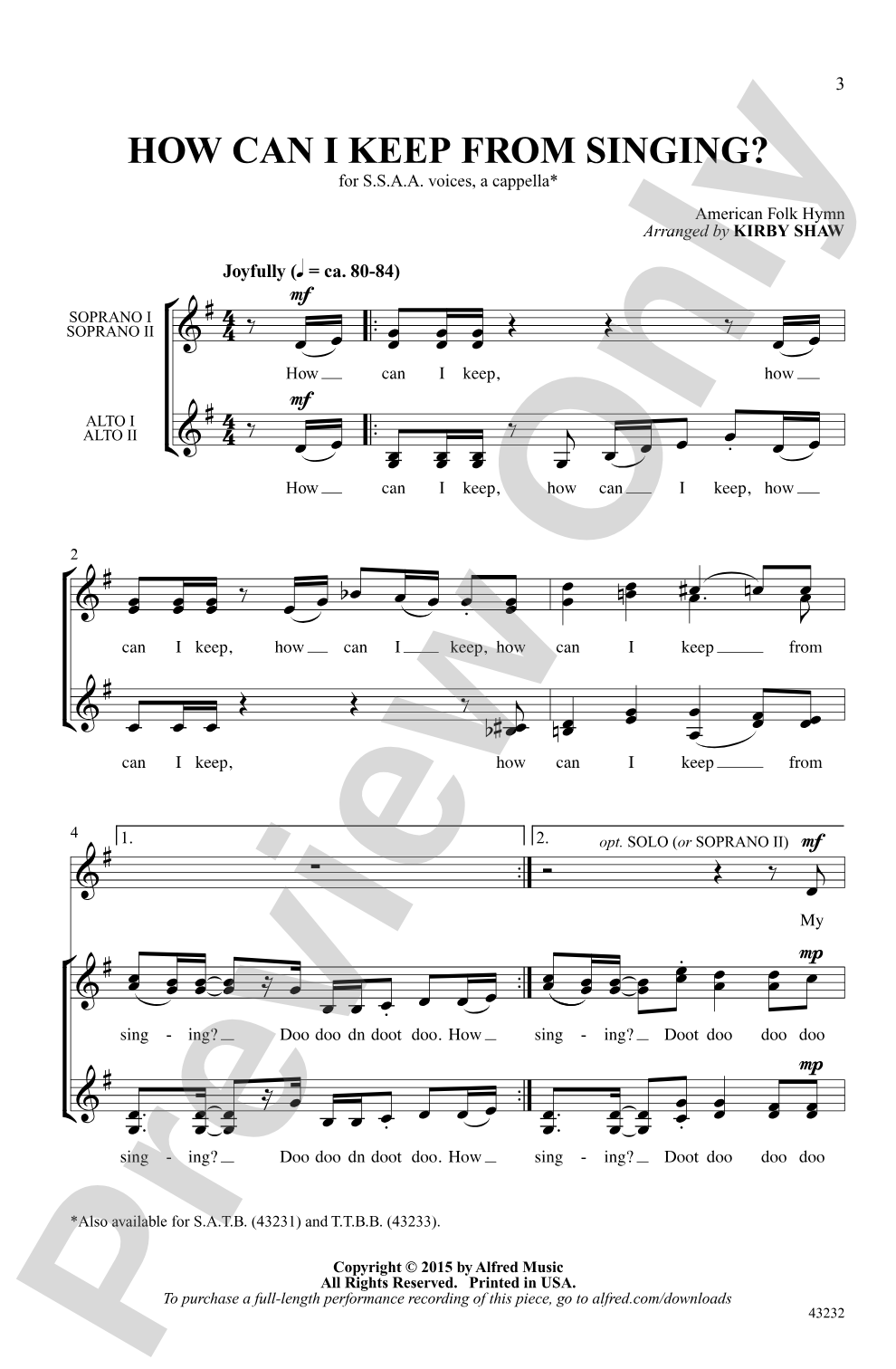
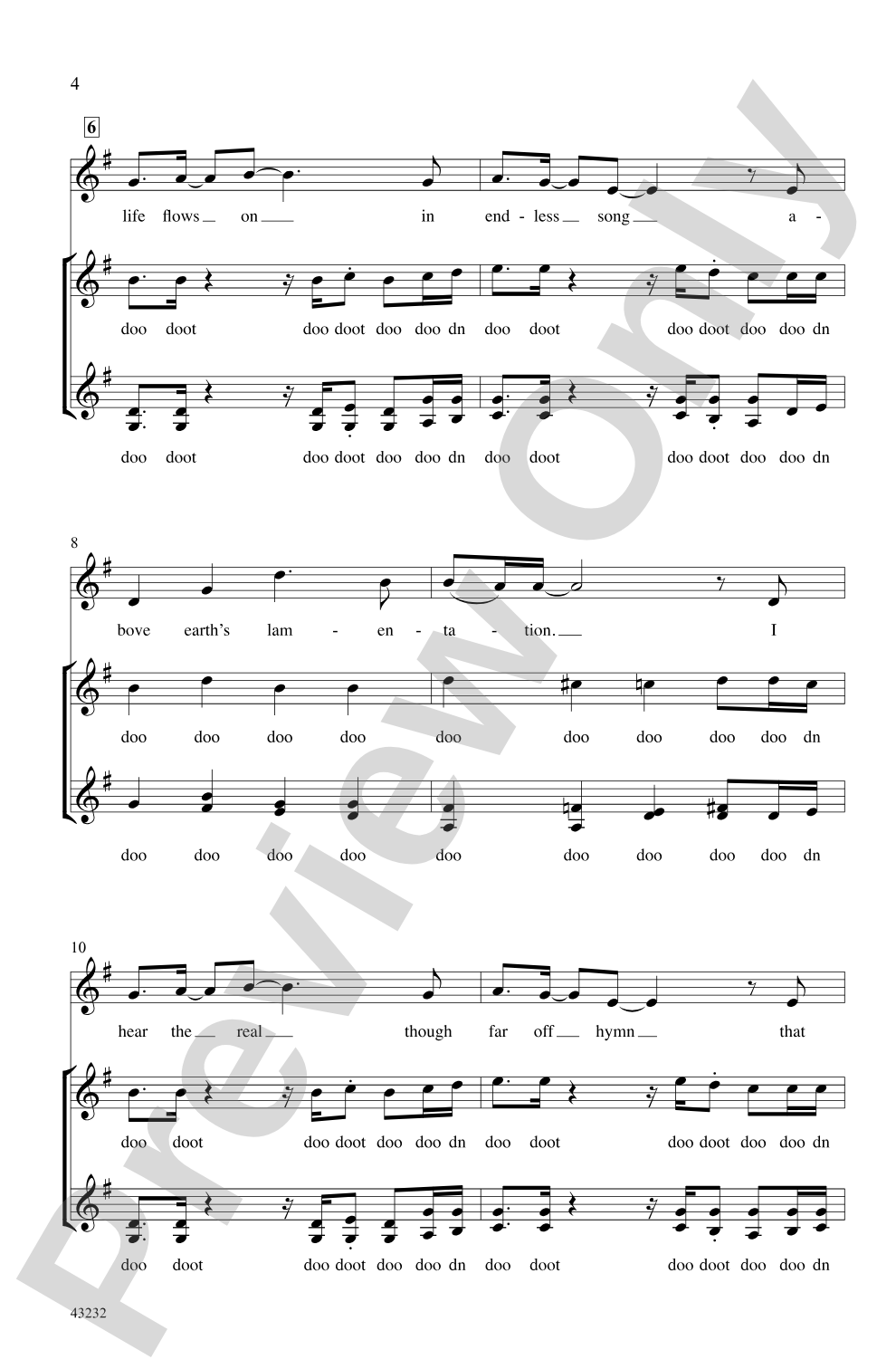
You've heard many arrangements of this beautiful American folk hymn, but none quite like this. Kirby Shaw's unique style brings out the inherent joy of the traditional text. Throughout the piece, contemporary a cappella techniques use sections of the choir as accompaniment, and a bright chord structure yields a current sound.


How Can I Keep from Singing?: SSAA, a cappella Choral Octavo isn't in MakeMusic Cloud just yet...but it could be. Let us know you'd like to see it, and you'll help shape what comes next. In the meantime, start a free trial and dive into thousands of interactive titles your students can play along with today.
Request This Title
Tell us you want it.
Start Your Free Trial
Explore everything that's ready to play right now.
Sample Audio
1
Audio File
--:--
0:00
0:00
Sample Video
No sample videos found.
Additional Details
Series:
Alfred Choral Designs
Publisher:
Alfred Music
Page Count:
12
SKU:
00-PO-0003220
More about this title
About the Arranger: Kirby Shaw
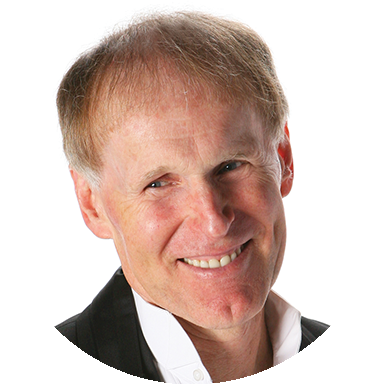
Kirby Shaw stands among the most prolific choral arrangers of our time, with over 2,500 works in print and nearly 20 million copies sold worldwide. His music has reached singers across six continents, and he has spent decades building choral programs known for innovation and excellence. At Southern Oregon University, where he directs the Jefferson State Choral Coalition, Shaw continues to mentor the next generation of musicians while maintaining an active composing and arranging practice that has earned him multiple ASCAP awards.
Shaw's background spans both the concert hall and the jazz world. He holds degrees in Music Education and Choral Composition from San Jose State University and a DMA in Choral Conducting from the University of Washington. His work leading vocal jazz ensembles at Colorado State University and the University of Missouri at Kansas City shaped his distinctive approach to contemporary choral writing. He is also an accomplished vocalist who has collaborated directly with jazz legends including Bobby McFerrine, Al Jarreau, and Jon Hendricks. Beyond his arranging work, Shaw co-created the original musical Scroogical based on Charles Dickens' A Christmas Carol.
Why we love this
Shaw's arrangement honors the spiritual depth of this American hymn while infusing it with contemporary energy that engages modern singers. The use of sectional accompaniment creates texture and independence within the four-part texture, giving each voice meaningful musical work rather than doubling. For directors seeking a fresh take on repertoire students already know, this delivers both familiarity and genuine novelty.
What to expect
Bright and affirming, with a contemporary edge that feels current without sacrificing the hymn's spiritual core. The arrangement bubbles with joy, driven by rhythmic textures and forward-moving harmony that make the familiar text feel discovered anew.
Who it's for
Any treble choir with at least a year of ensemble experience and comfort with independent voice parts. The a cappella format makes it accessible to programs without accompaniment resources, while the contemporary techniques Shaw employs reward singers who enjoy modern choral writing and musical problem-solving.
How to get the most out of it
- Balance the vocal accompaniment sections carefully so they support rather than overshadow the melody line. The contemporary sound Shaw creates depends on clarity of line even when multiple harmonic layers are active.
- Explore the bright chord structure during early rehearsals to help singers hear how the harmony reinforces the text's message of hope and persistence.
- Mark entrances for sections serving as rhythmic or harmonic accompaniment so those singers commit fully to their supportive role without drifting toward the tune.
- Record a sectional or two on your phone and play it back for the full choir. Hearing how the parts layer together builds confidence and shows singers the payoff of their individual work.
How to use it
This works beautifully as an opening or closing piece in a concert that pairs traditional repertoire with modern arrangements, signaling to your audience that you honor the hymn's legacy while embracing fresh interpretation. It also fits naturally into programs celebrating American folk music or spiritual traditions, where Shaw's approach can sit alongside both classical and contemporary settings of similar material.
Skills your students will build
- Reading and executing contemporary a cappella techniques (sectional accompaniment roles)
- Maintaining independent lines while functioning as both soloist and accompanist within the same piece
- Balancing part independence with ensemble blend in four-part writing
- Interpreting text expression through contemporary harmonic and rhythmic language
- Intonation awareness in a cappella setting with no instrumental support