
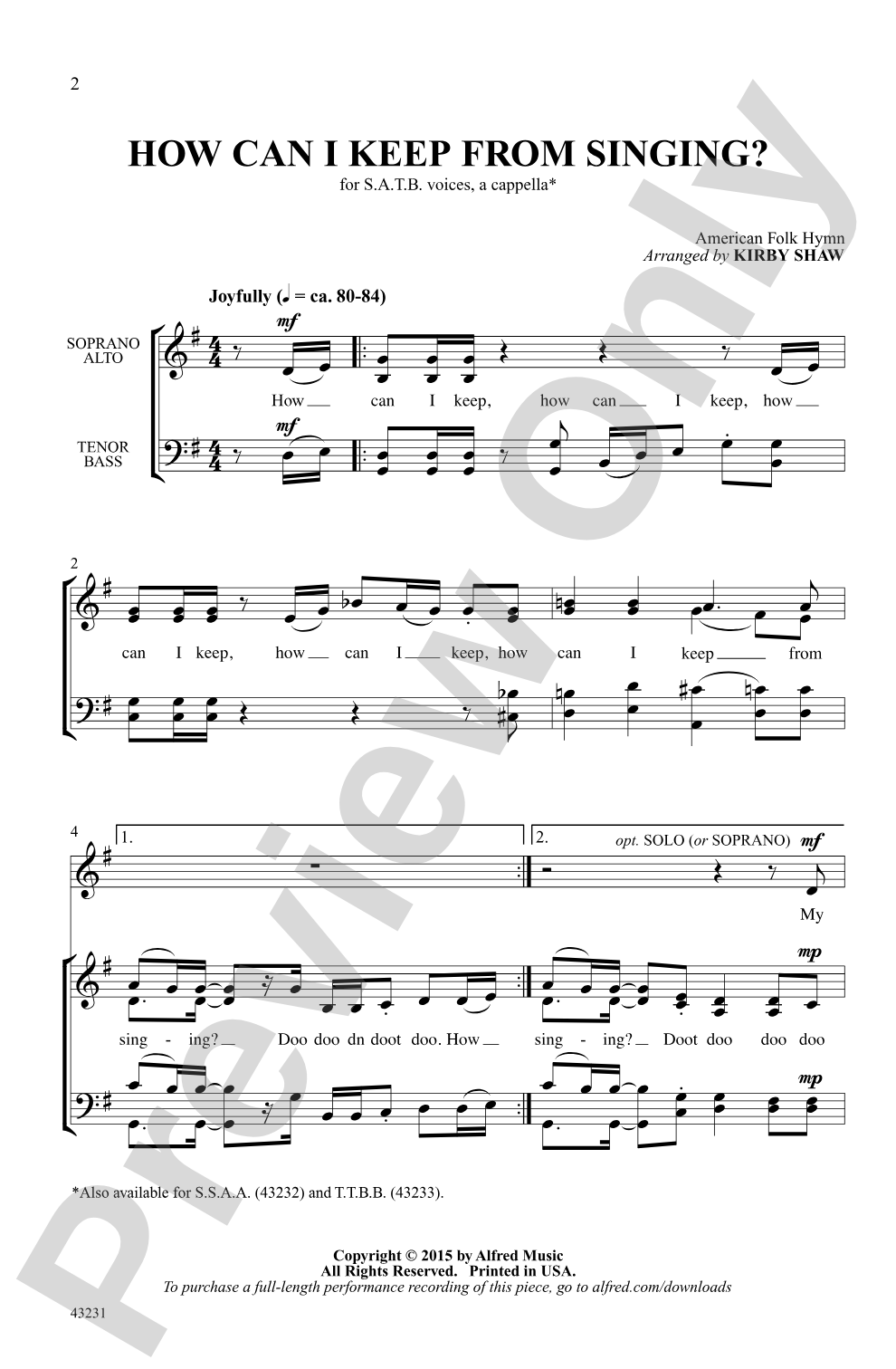
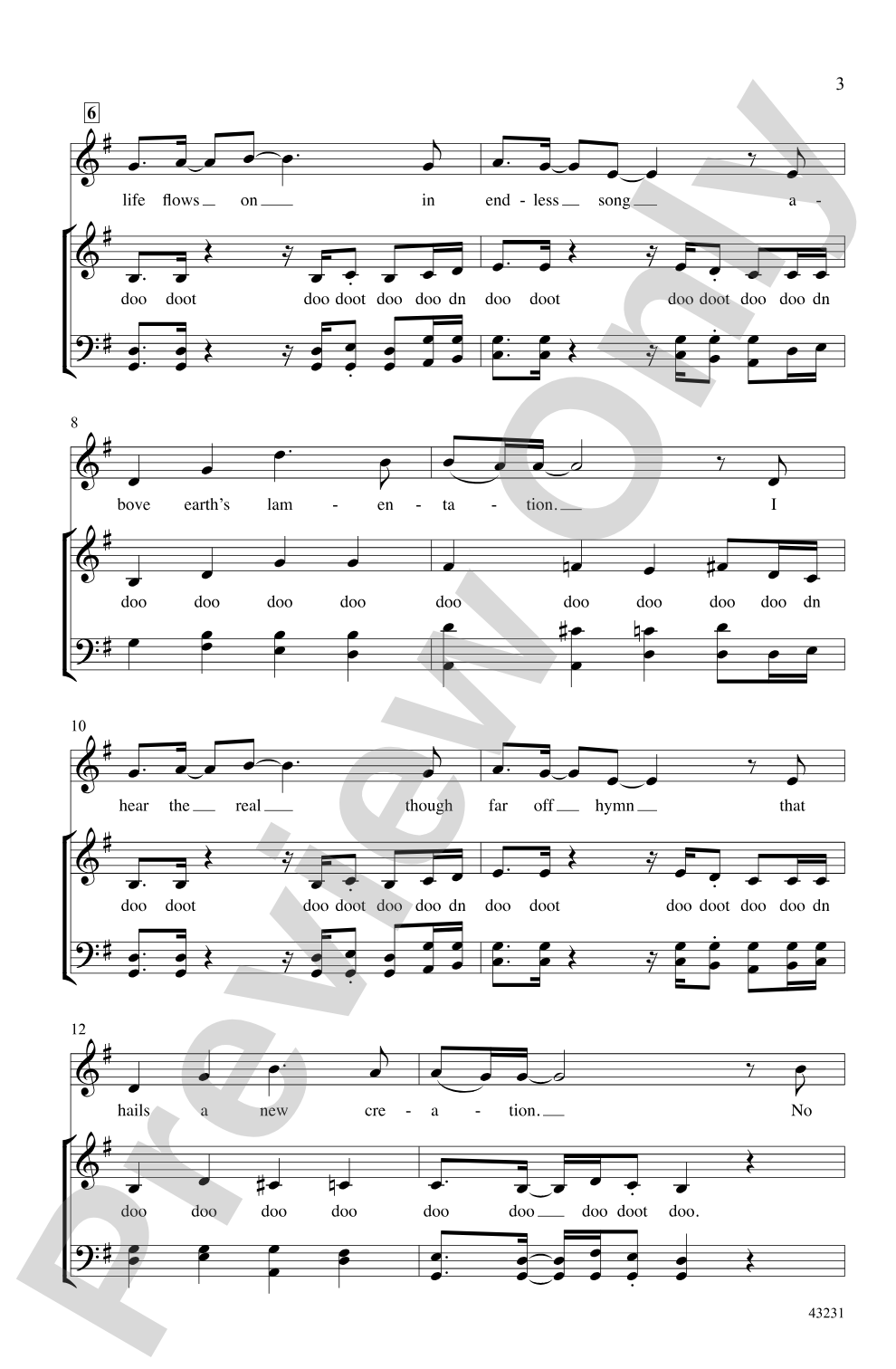

How Can I Keep from Singing?: SATB a cappella Choral Octavo
American Folk Hymn / arr. Kirby Shaw
Item: 00-PO-0003219
$1.90
Minimum order quantity: 20 copies
Pickup currently not available
Related Items
How Can I Keep from Singing?: SSAA, a cappella Choral Octavo |
$1.90
|
View | |
How Can I Keep from Singing?: TTBB, a cappella Choral Octavo |
$1.90
|
View | |
How Can I Keep from Singing?: SATB a cappella Choral Octavo |
$1.90
|
View | |
How Can I Keep from Singing?: TTBB, a cappella Choral Octavo |
$1.90
|
View |
Description
You've heard many arrangements of this beautiful American folk hymn, but none quite like this. Kirby Shaw's unique style brings out the inherent joy of the traditional text. Throughout the piece, contemporary a cappella techniques use sections of the choir as accompaniment, and a bright chord structure yields a current sound.


How Can I Keep from Singing?: SATB a cappella Choral Octavo isn't in MakeMusic Cloud just yet...but it could be. Let us know you'd like to see it, and you'll help shape what comes next. In the meantime, start a free trial and dive into thousands of interactive titles your students can play along with today.
Request This Title
Tell us you want it.
Start Your Free Trial
Explore everything that's ready to play right now.
Sample Audio
1
Audio File
--:--
0:00
0:00
Sample Video
No sample videos found.
Additional Details
Series:
Alfred Choral Designs
Publisher:
Alfred Music
Page Count:
8
SKU:
00-PO-0003219
More about this title
About the Arranger: Kirby Shaw
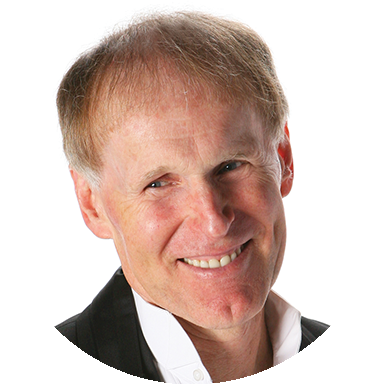
Kirby Shaw has shaped choral music education across North America, Europe, and beyond, bringing his expertise to 45 states and numerous international venues. His formal training spans Music Education and Choral Composition from San Jose State University, culminating in a DMA in Choral Conducting from the University of Washington. His reputation rests on a rare combination of deep musicianship and infectious teaching presence; he has mentored with vocal jazz legends including Bobby McFerrin, Mark Murphy, and Al Jarreau.
Shaw's output as a composer and arranger is staggering: over 2500 works in print, performed worldwide, with sales approaching 20 million copies. His career includes founding and directing acclaimed vocal jazz ensembles at the College of the Siskiyous, Colorado State University, and the University of Missouri at Kansas City. He currently directs the Jefferson State Choral Coalition at Southern Oregon University and serves as a member of Just 4 Kicks, a four-part a cappella jazz ensemble. His recent commission from the Mormon Tabernacle Choir, combined with numerous ASCAP awards, reflects the consistent recognition his arrangements receive from educators and performers.
Why we love this
Shaw strips away the weight that typically accumulates around this standard and returns it to what makes it sing: pure joy. His use of a cappella vocalization as harmonic foundation is both practical for rehearsal and dramatically effective in performance, creating a sound that feels contemporary without abandoning the hymn's spiritual core.
What to expect
The piece radiates warmth and accessibility. Bright harmonies and the use of choir members' voices as living accompaniment create an intimate yet full sound, one that feels both grounded in tradition and infused with contemporary energy. There's an inherent buoyancy to it; singers and listeners alike leave feeling lifted.
Who it's for
Directors who have performed multiple settings of this beloved hymn and want something that sounds fresh without feeling irreverent. This arrangement works beautifully for choirs that have strong vocal blend and comfort with a cappella singing, whether at the high school, community college, or church level.
How to get the most out of it
- Balance the vocal accompaniment layers carefully in rehearsal. Sections providing harmonic support should sit slightly behind the melody line; mark dynamics in the score to clarify this hierarchy.
- Shape the text expressively. The contemporary harmonic language can support varied phrasing; experiment with breath placement and rubato to highlight the emotional arc of the lyrics.
- Lock the rhythm of accompaniment sections independently before combining with the melody. This creates a secure foundation and prevents the arrangement from losing its bright, forward-moving quality.
How to use it
Program this as a centerpiece in a sacred or folk-themed concert, or pair it with other a cappella repertoire to showcase your ensemble's vocal control and blend. It also works well as a closing or encore piece; its message and musical optimism leave audiences with something worth holding onto.
Skills your students will build
- Layered a cappella singing with sections trading melody and harmonic roles
- Tuning and blend within sustained vocalization and modern chord structures
- Text expression and emotional phrasing in contemporary sacred settings
- Rhythmic precision when singing sustained vocal accompaniment beneath a melody line