


Hooray for Hollywood: Choral SoundPax
Words by Johnny Mercer, music by Richard A. Whiting / arr. Andy Beck
Item: 00-PK-0001355

$40.00
One moment…
Related Items
Hooray for Hollywood: SoundTrax Digital Audio Download |
$27.99
|
View | |
Hooray for Hollywood: SATB Choral Octavo |
$2.25
|
View | |
Hooray for Hollywood: SAB Choral Octavo |
$2.95
|
View | |
Hooray for Hollywood: 2-Part Choral Octavo |
$2.95
|
View | |
Hooray for Hollywood: SATB Choral Octavo |
$2.25
|
View | |
Hooray for Hollywood: SAB Choral Octavo |
$2.95
|
View | |
Hooray for Hollywood: SSAA Choral Octavo |
$1.95
|
View | |
Hooray for Hollywood: 2-Part Choral Octavo |
$2.95
|
View | |
Hooray for Hollywood: Choral Octavo SoundTrax CD |
$27.99
|
View | |
Hooray for Hollywood: Choral SoundPax |
$40.00
|
View |
Description
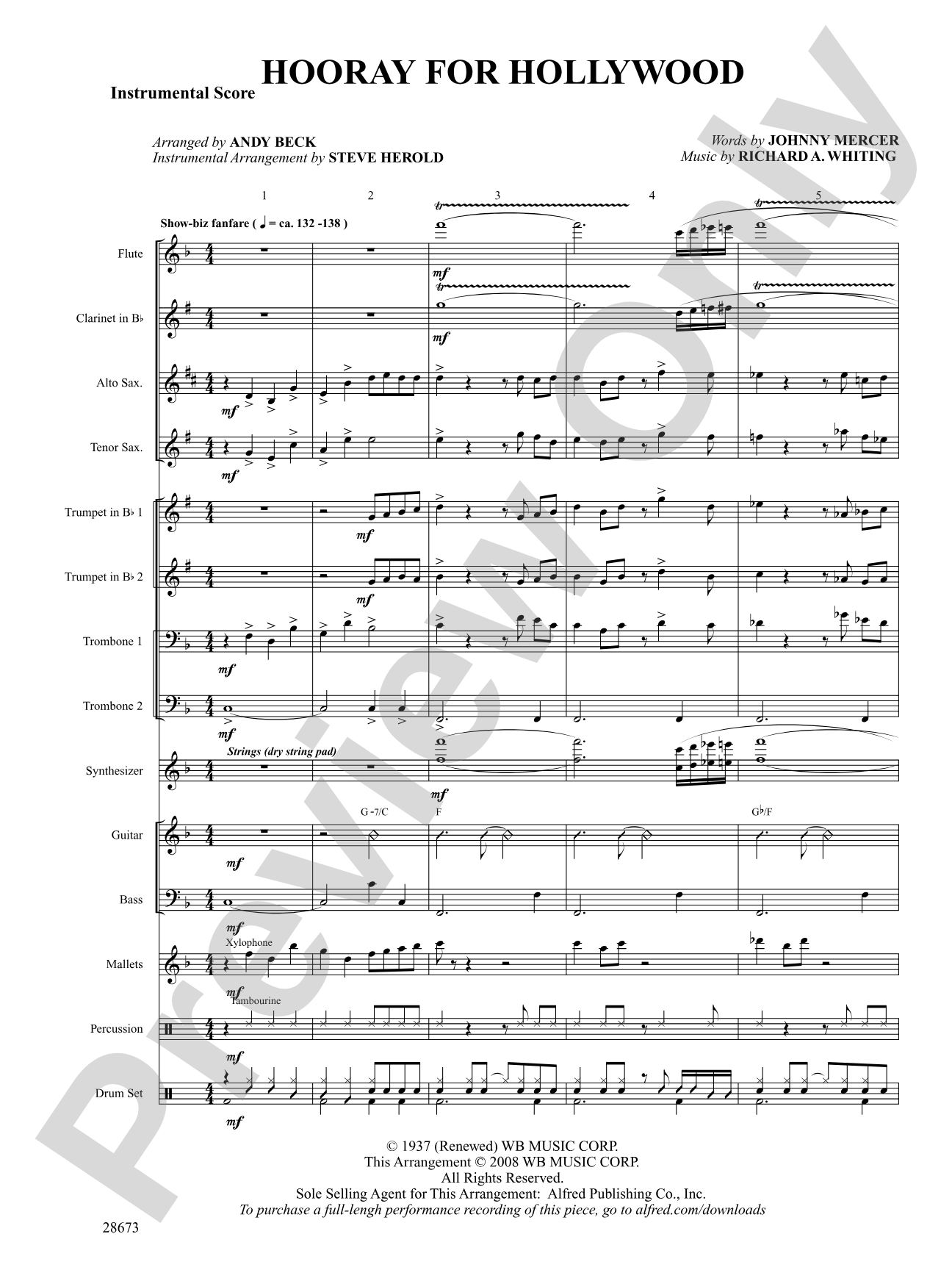
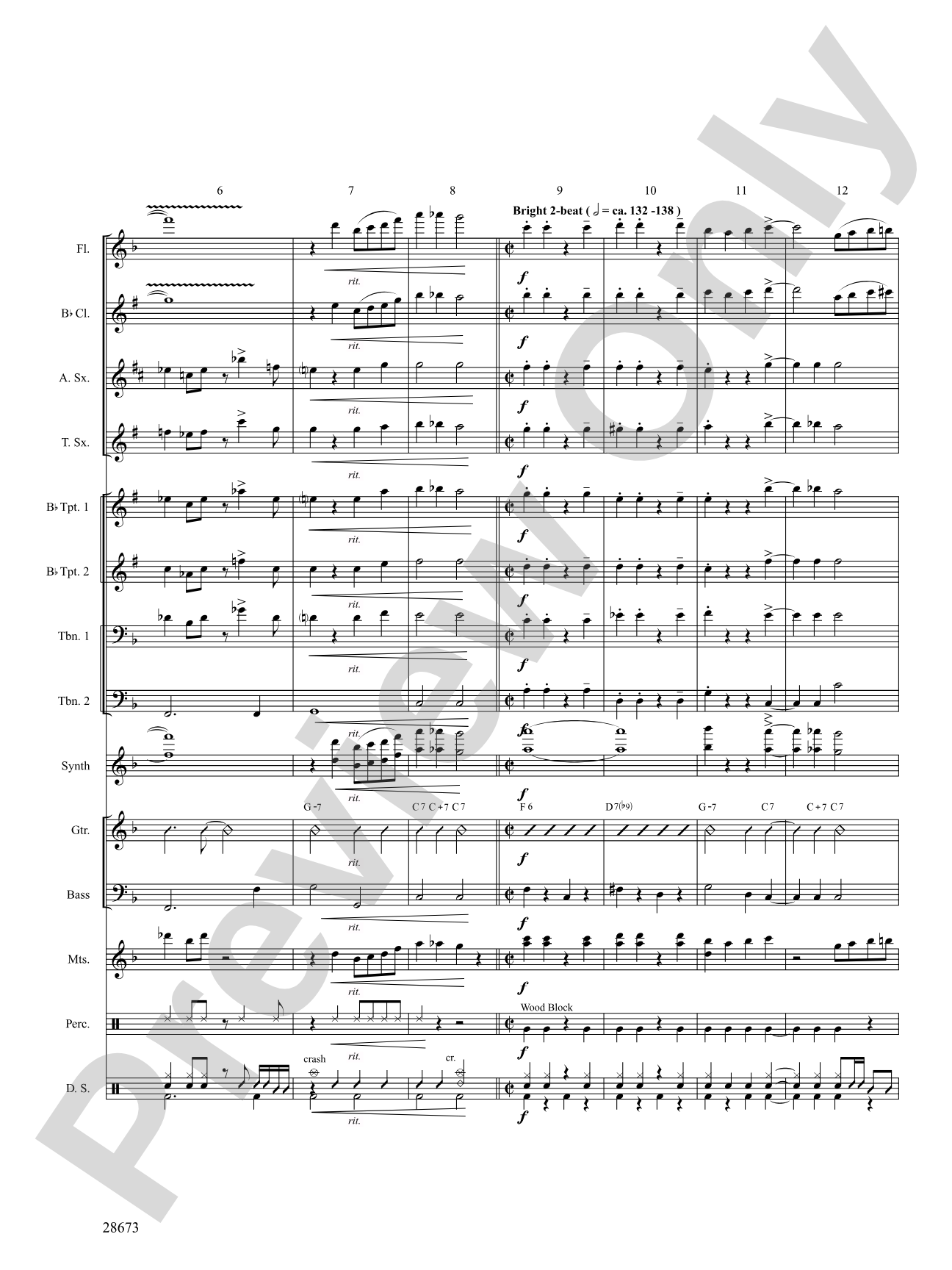
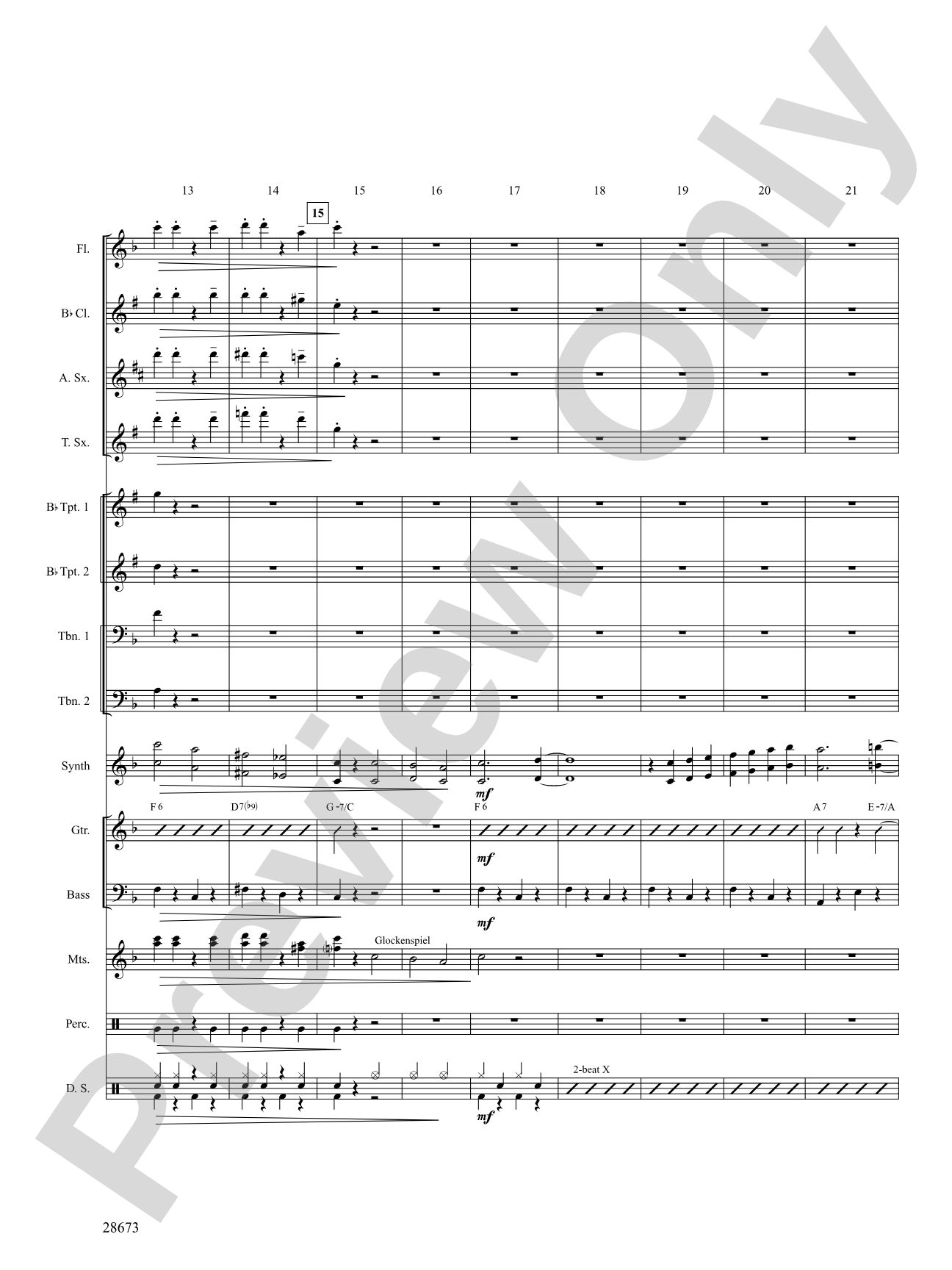
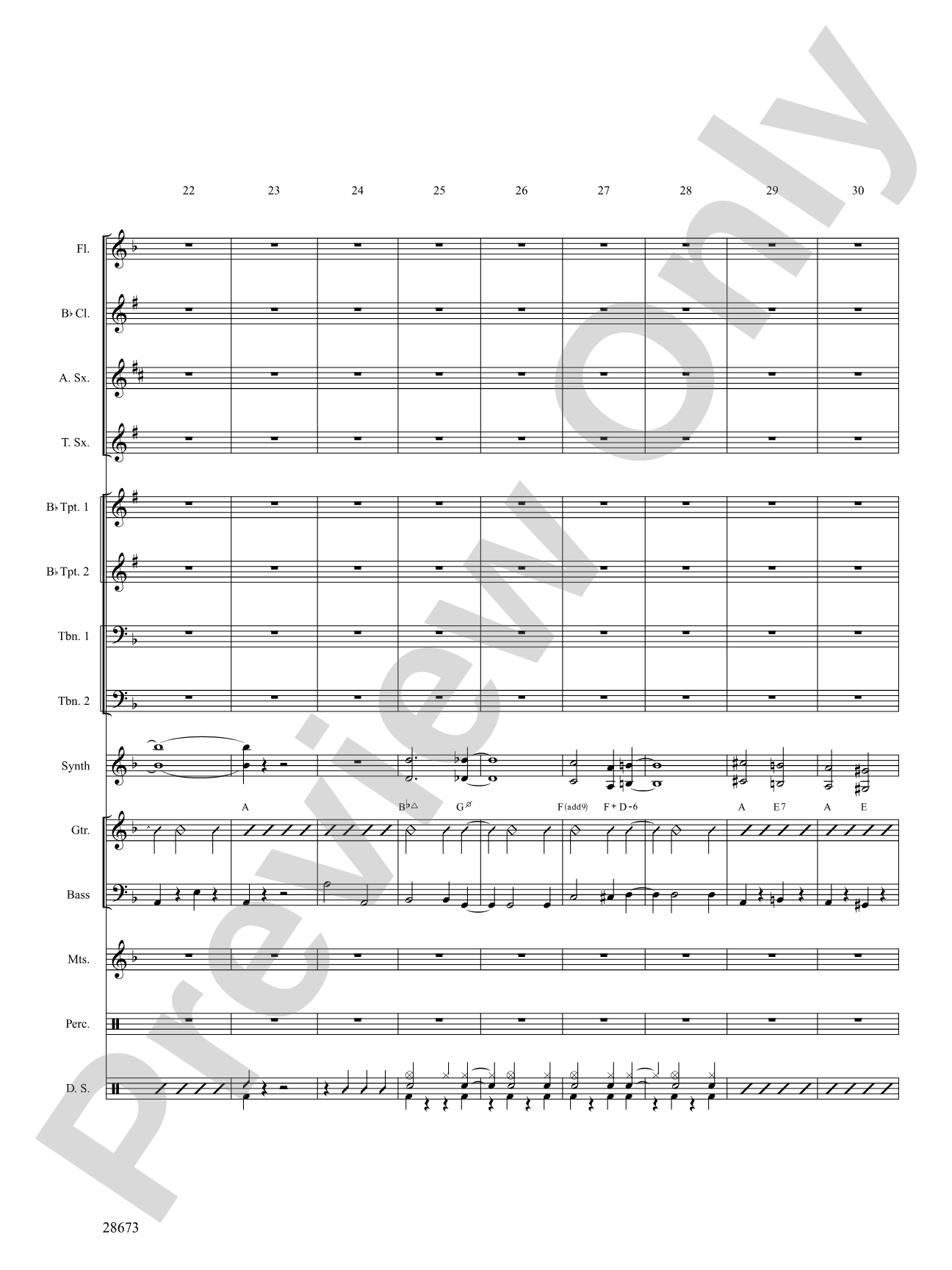
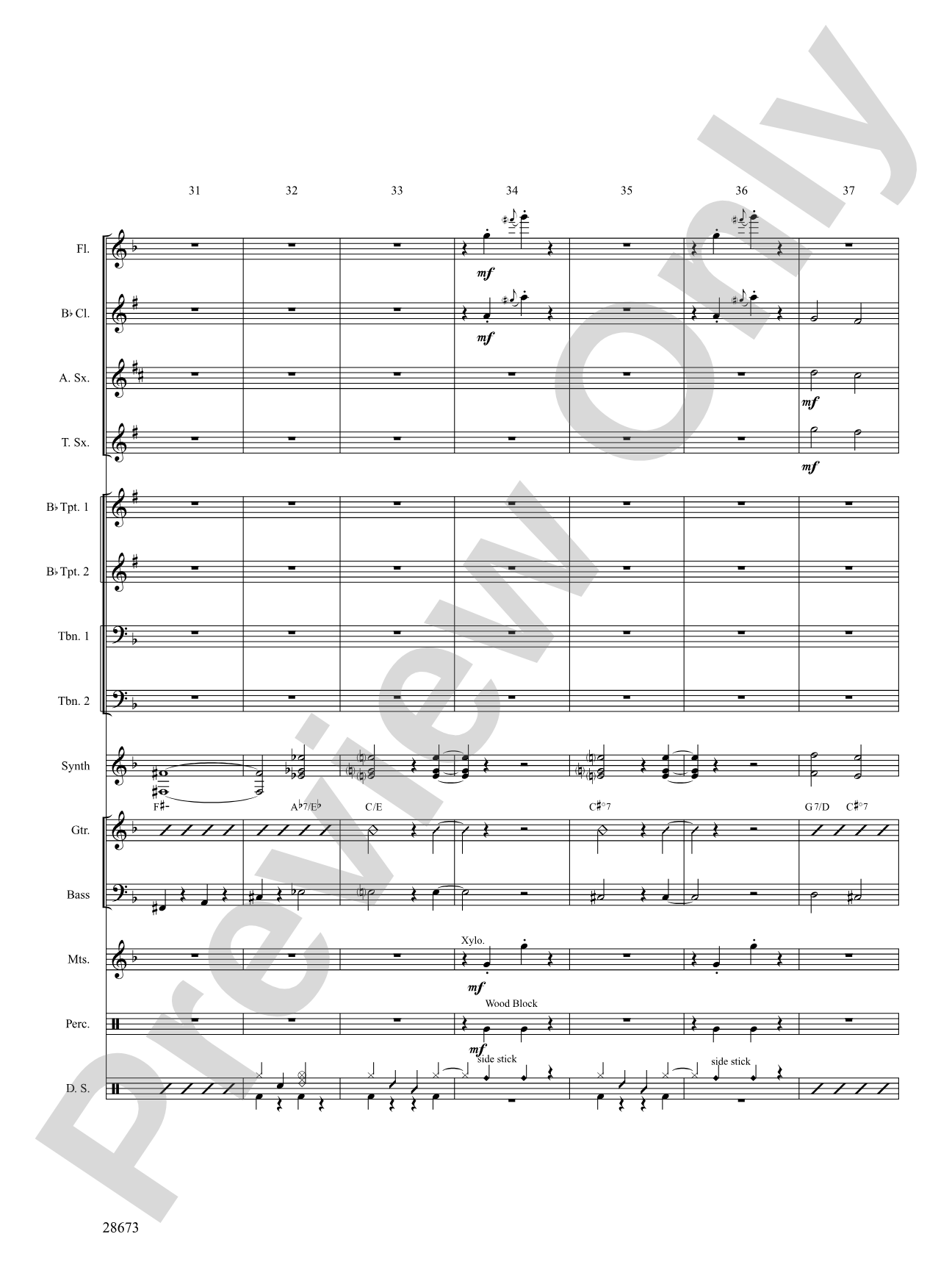
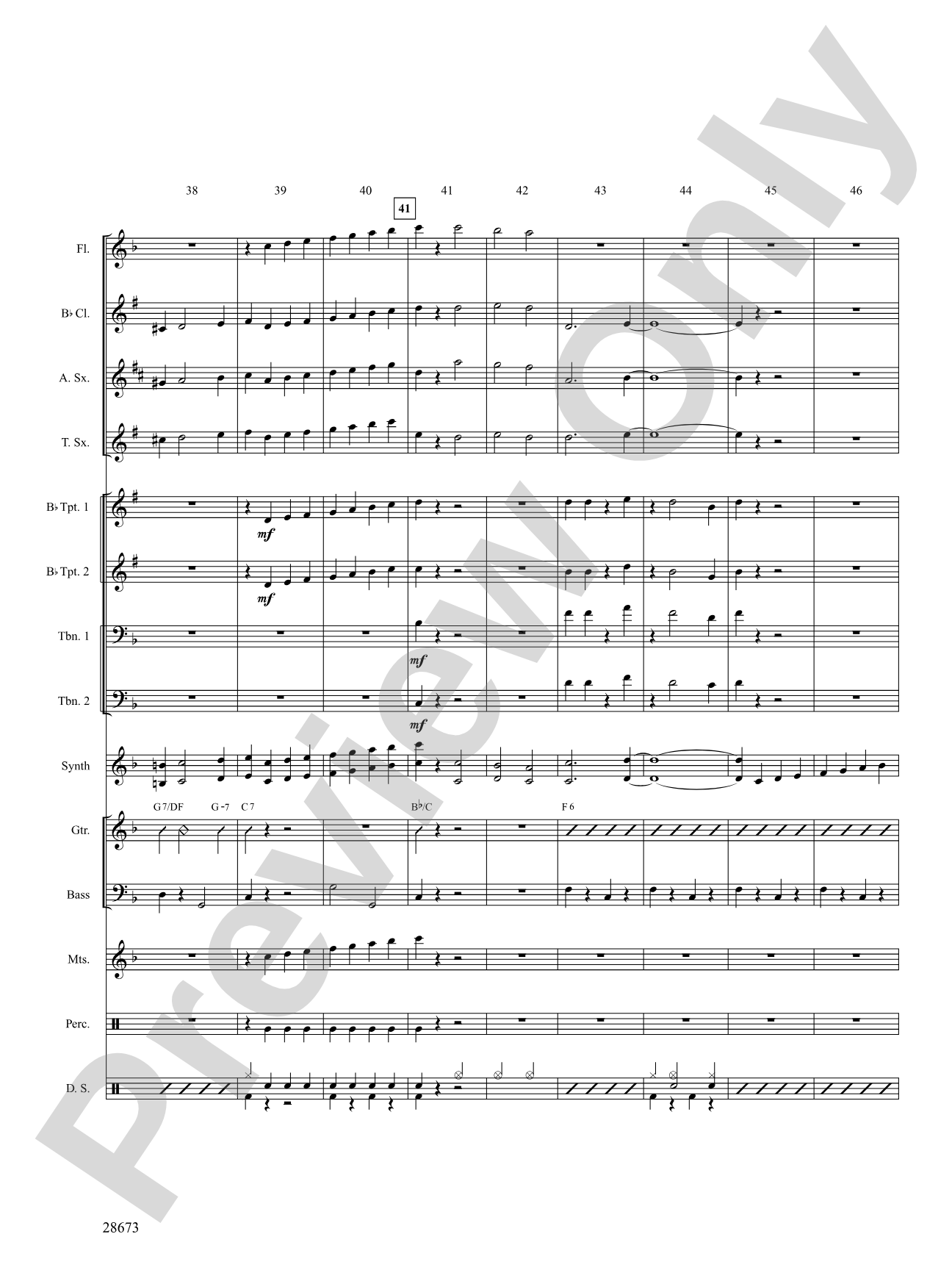
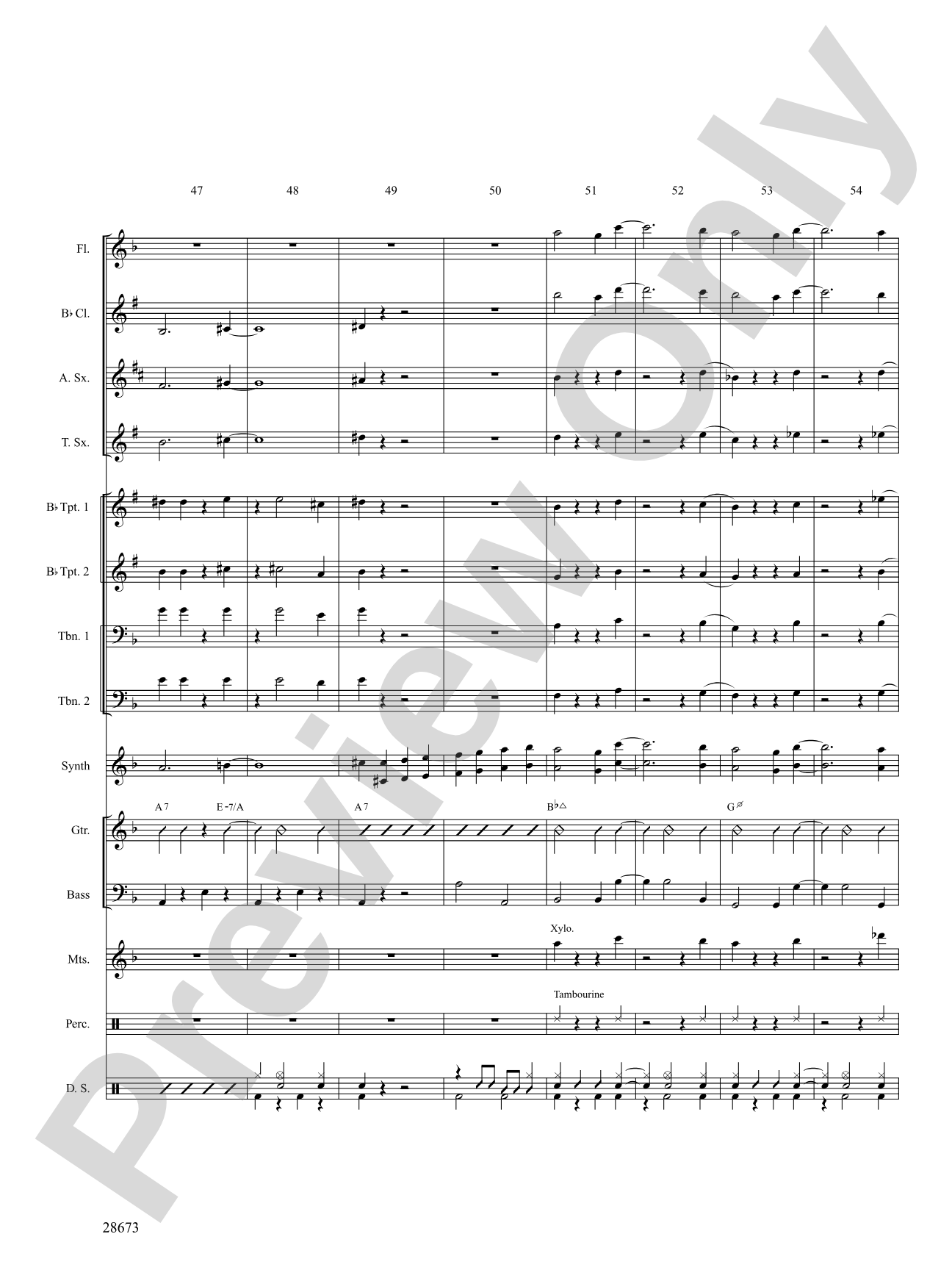
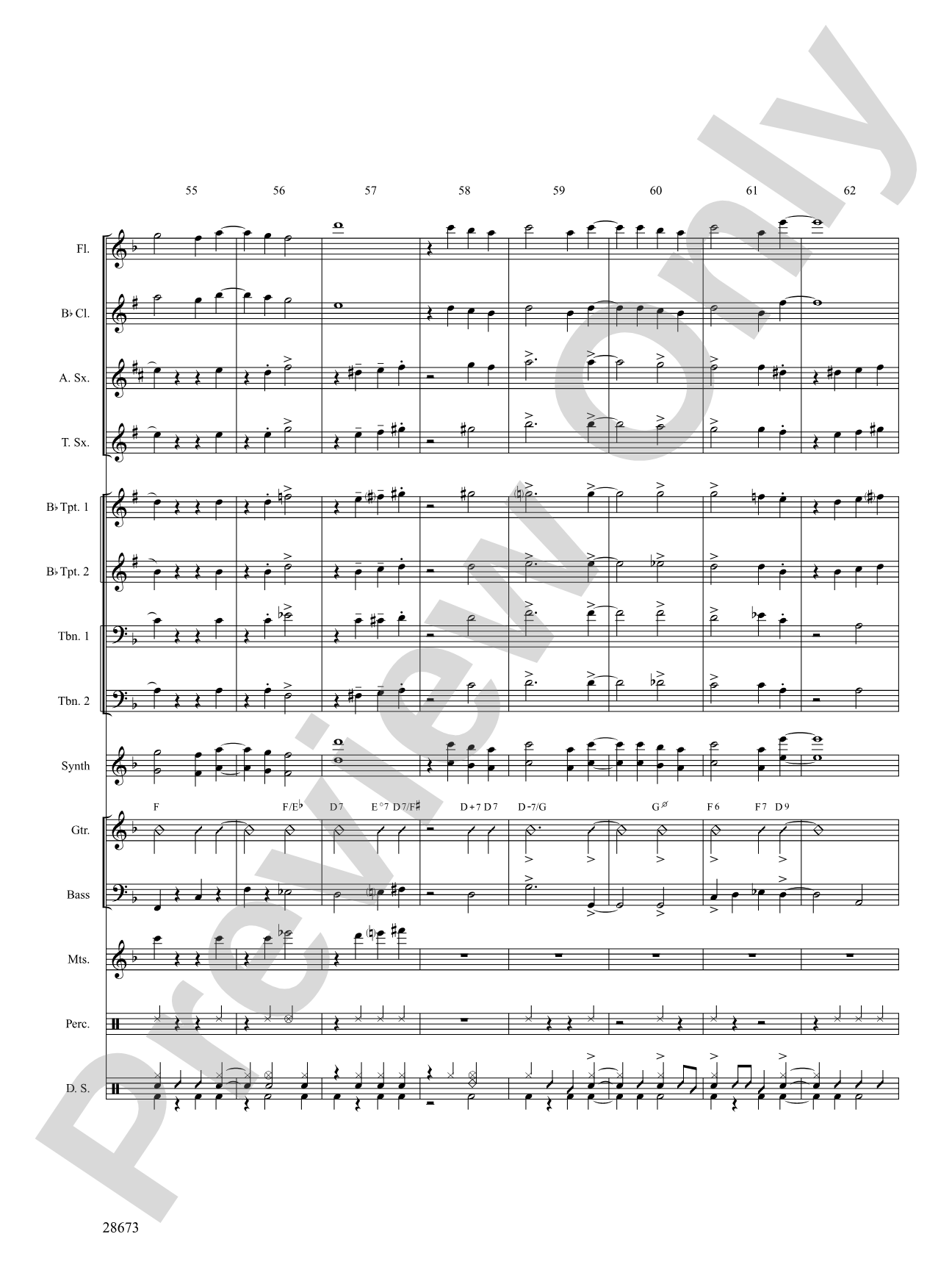
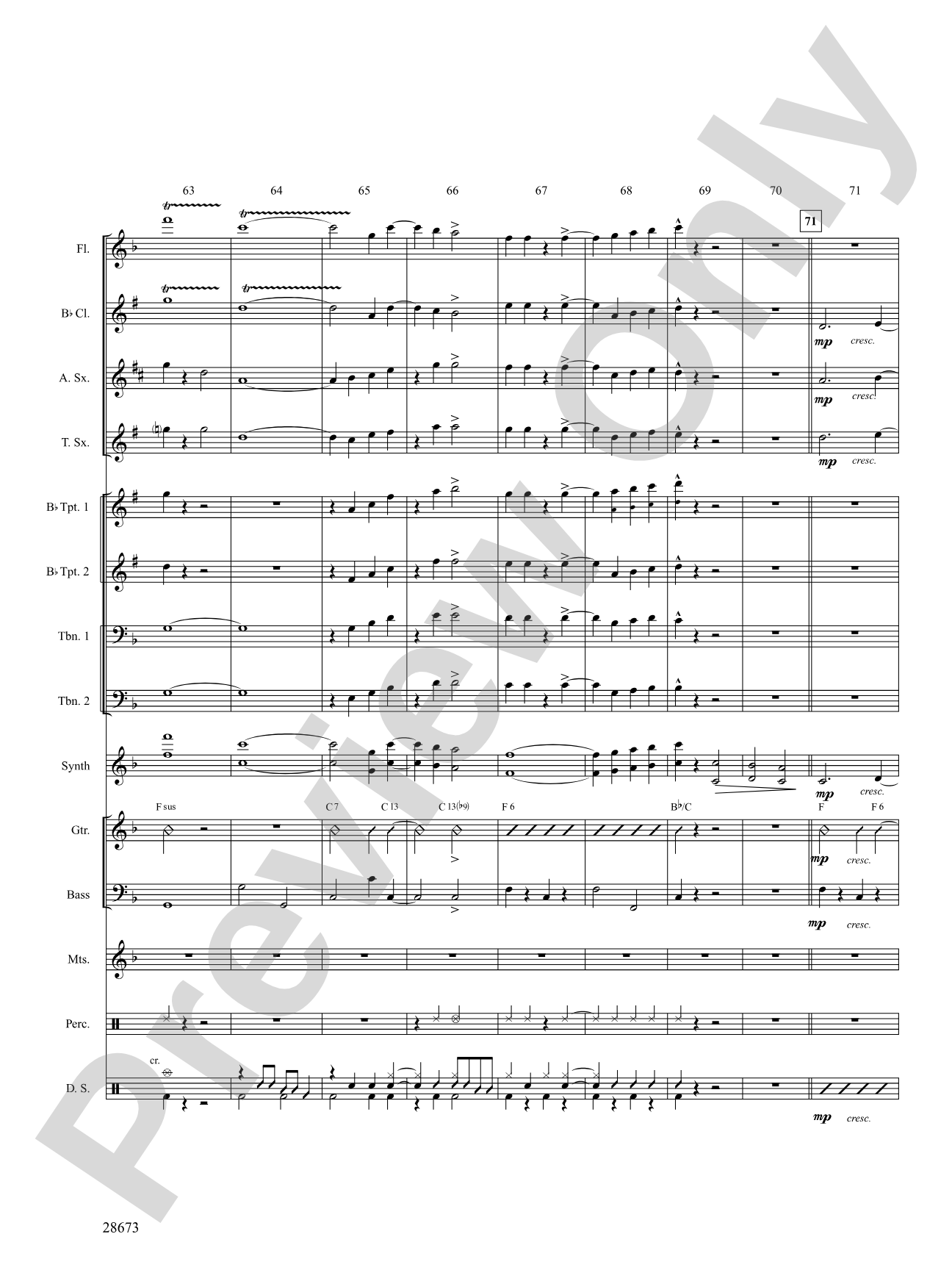
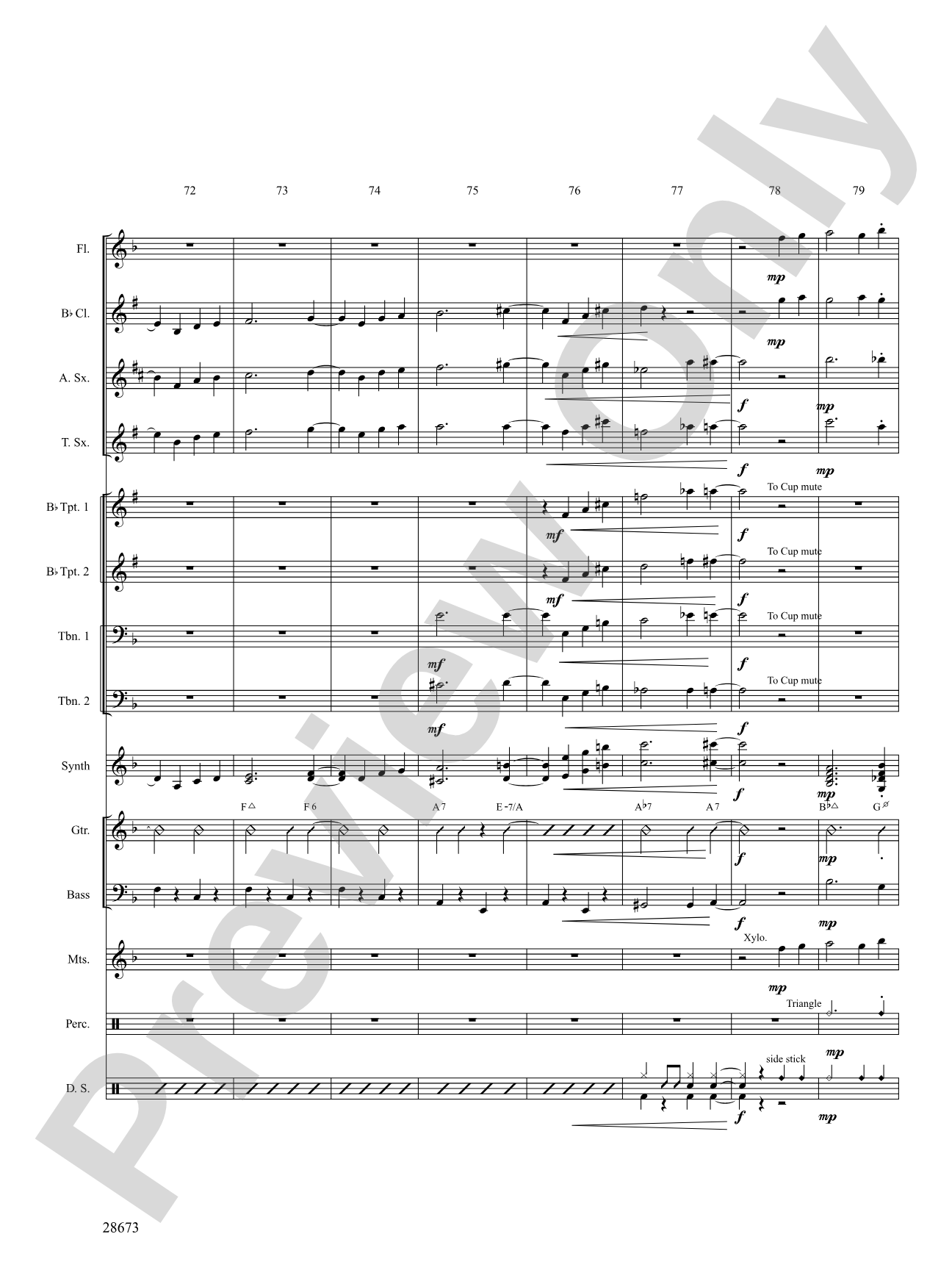
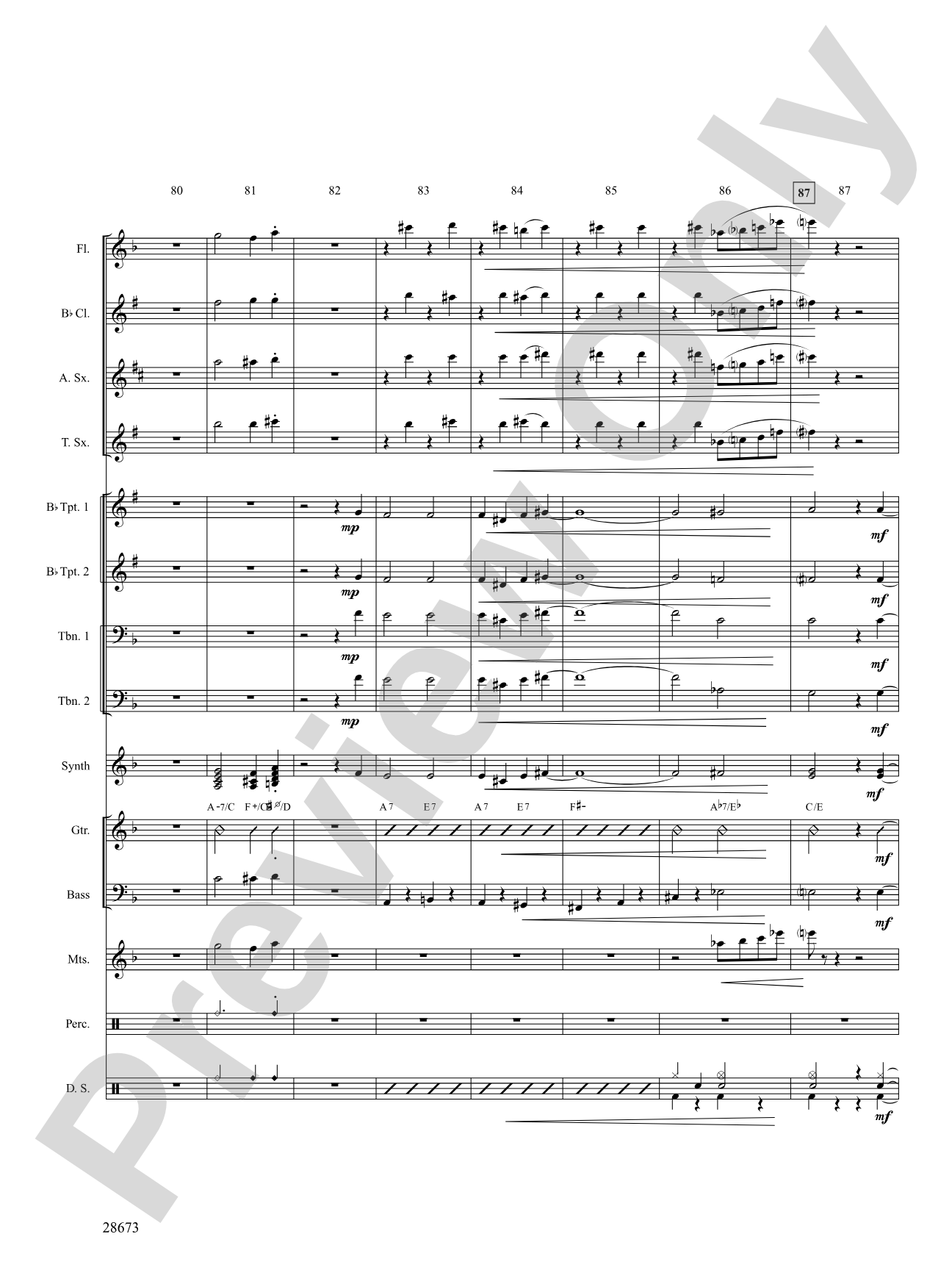
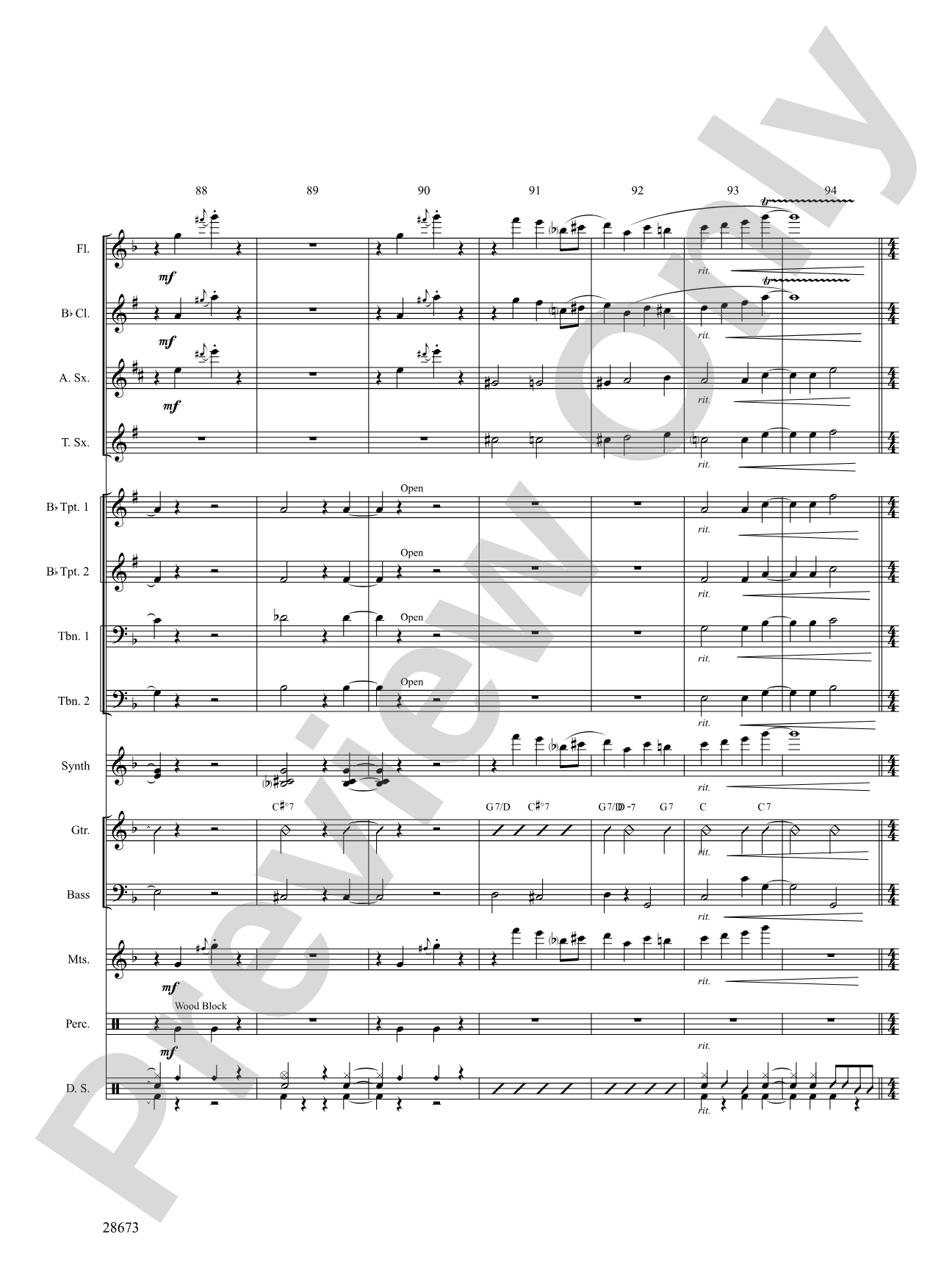
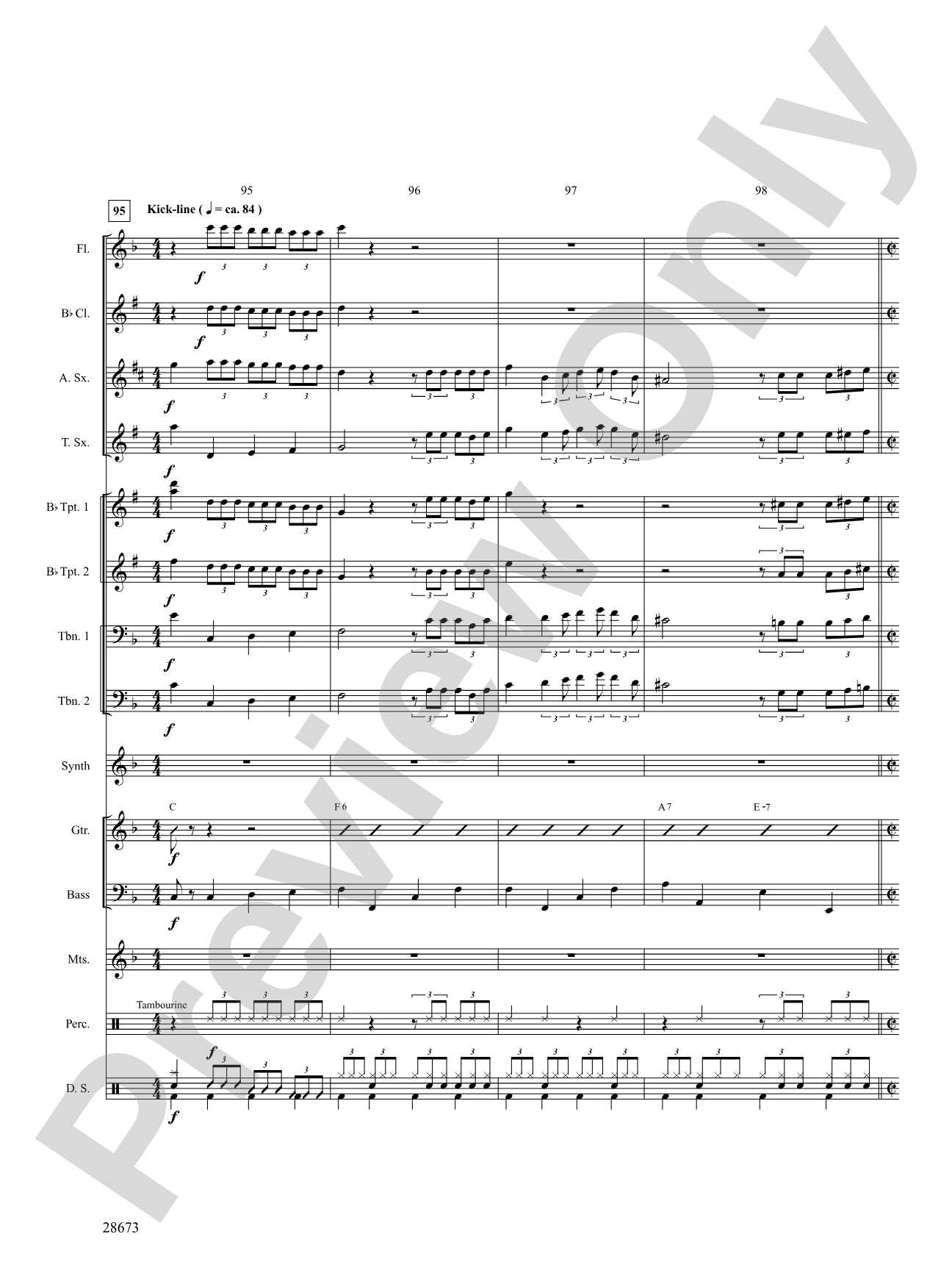
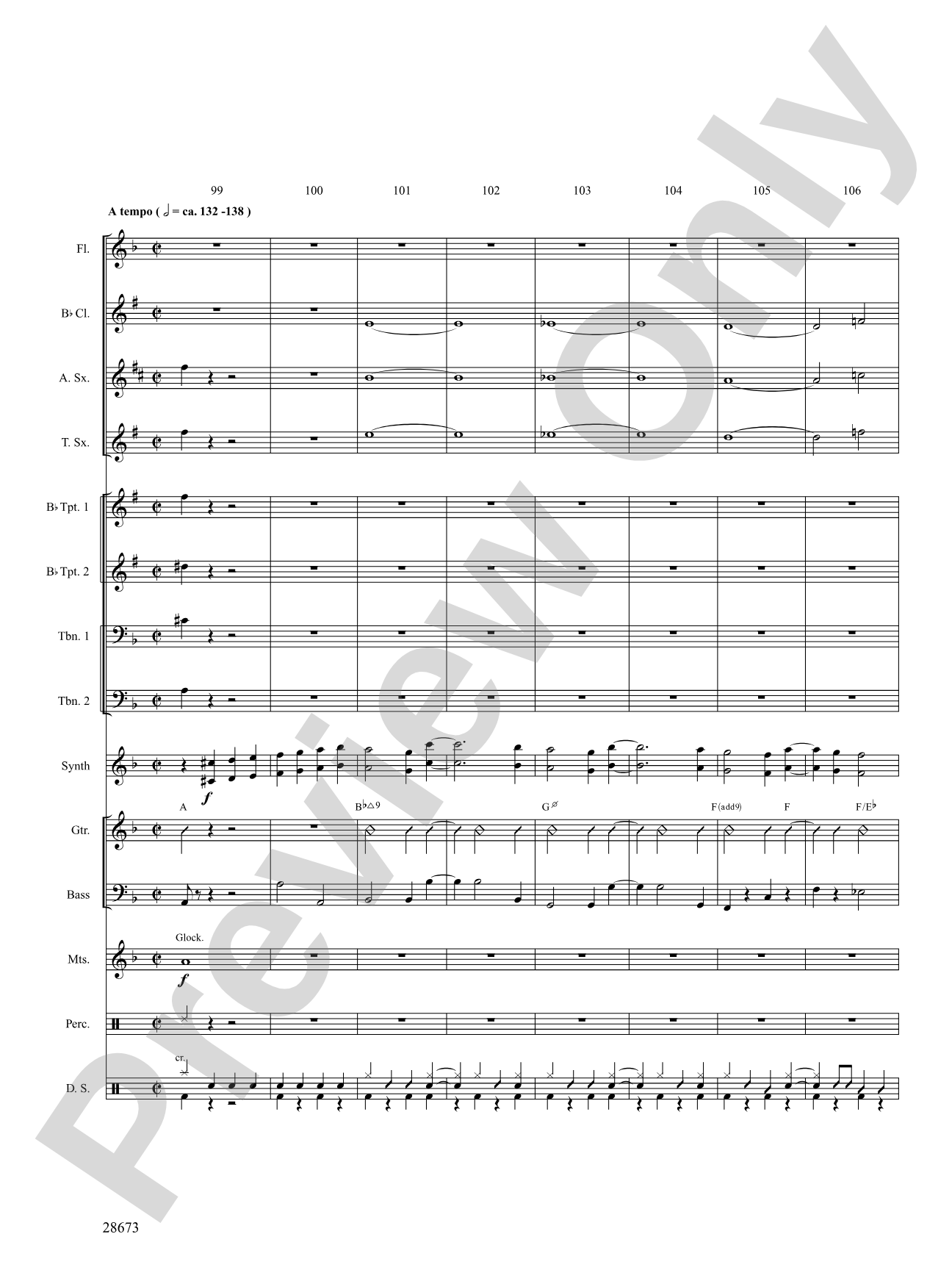
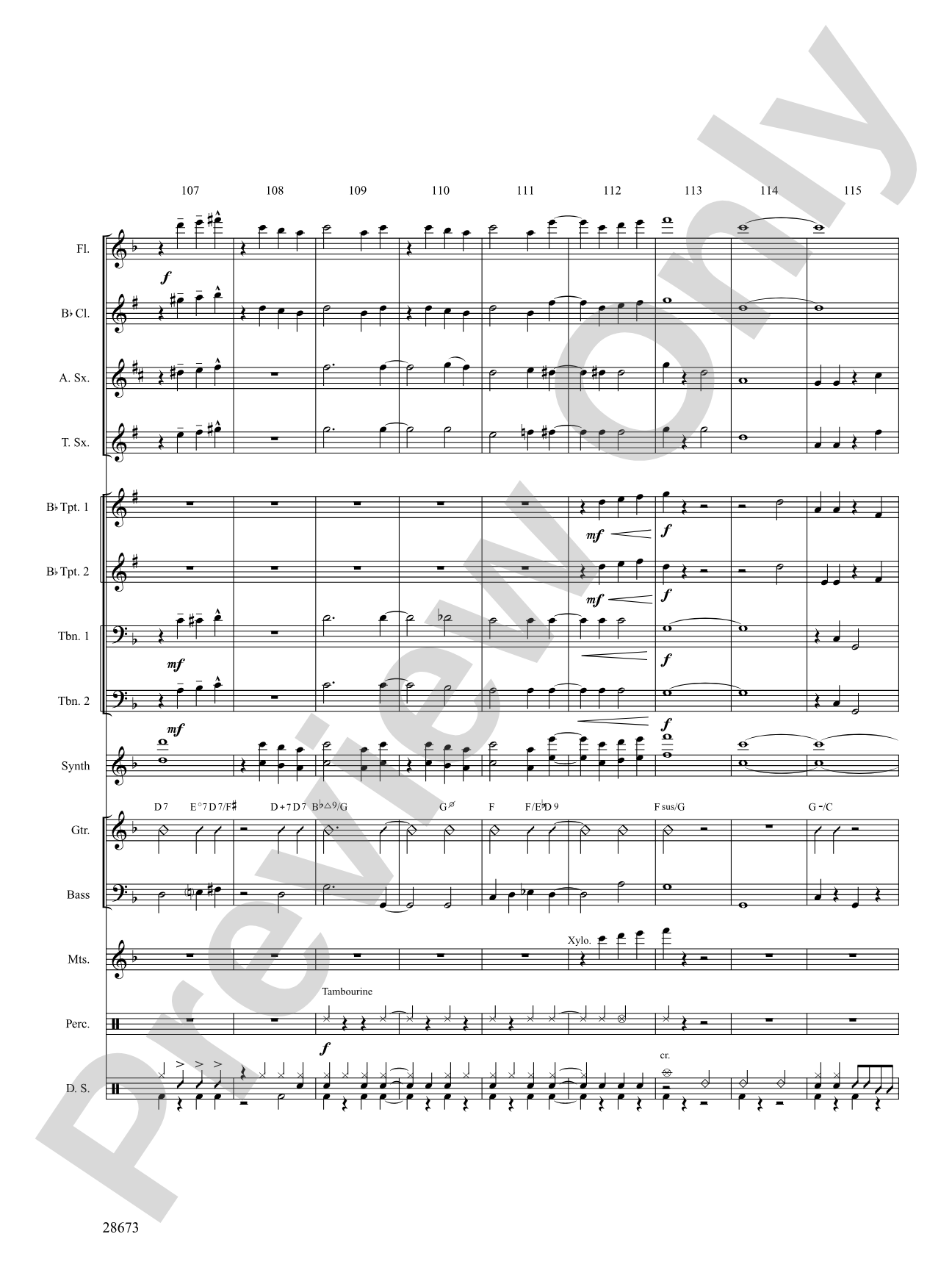
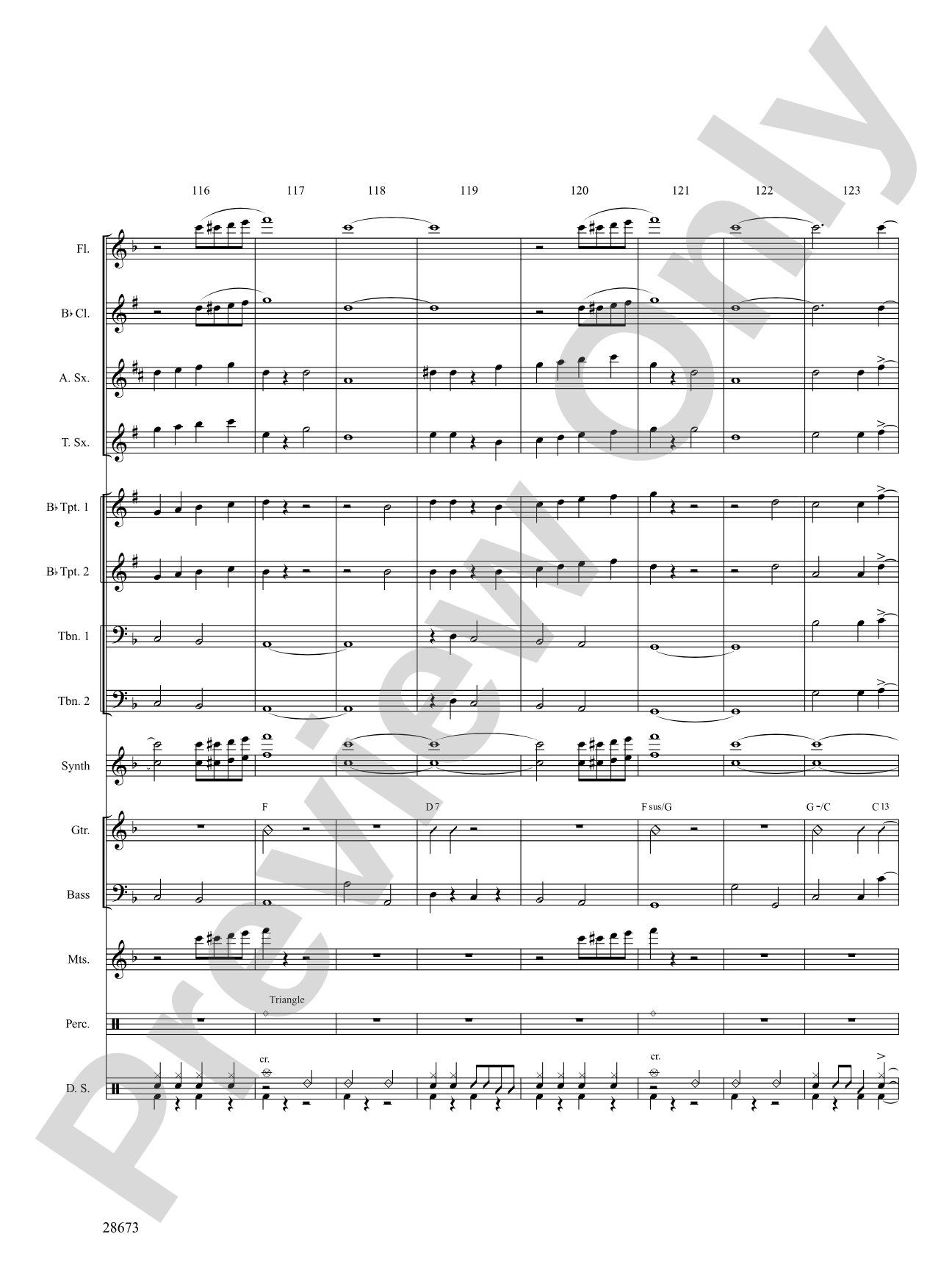
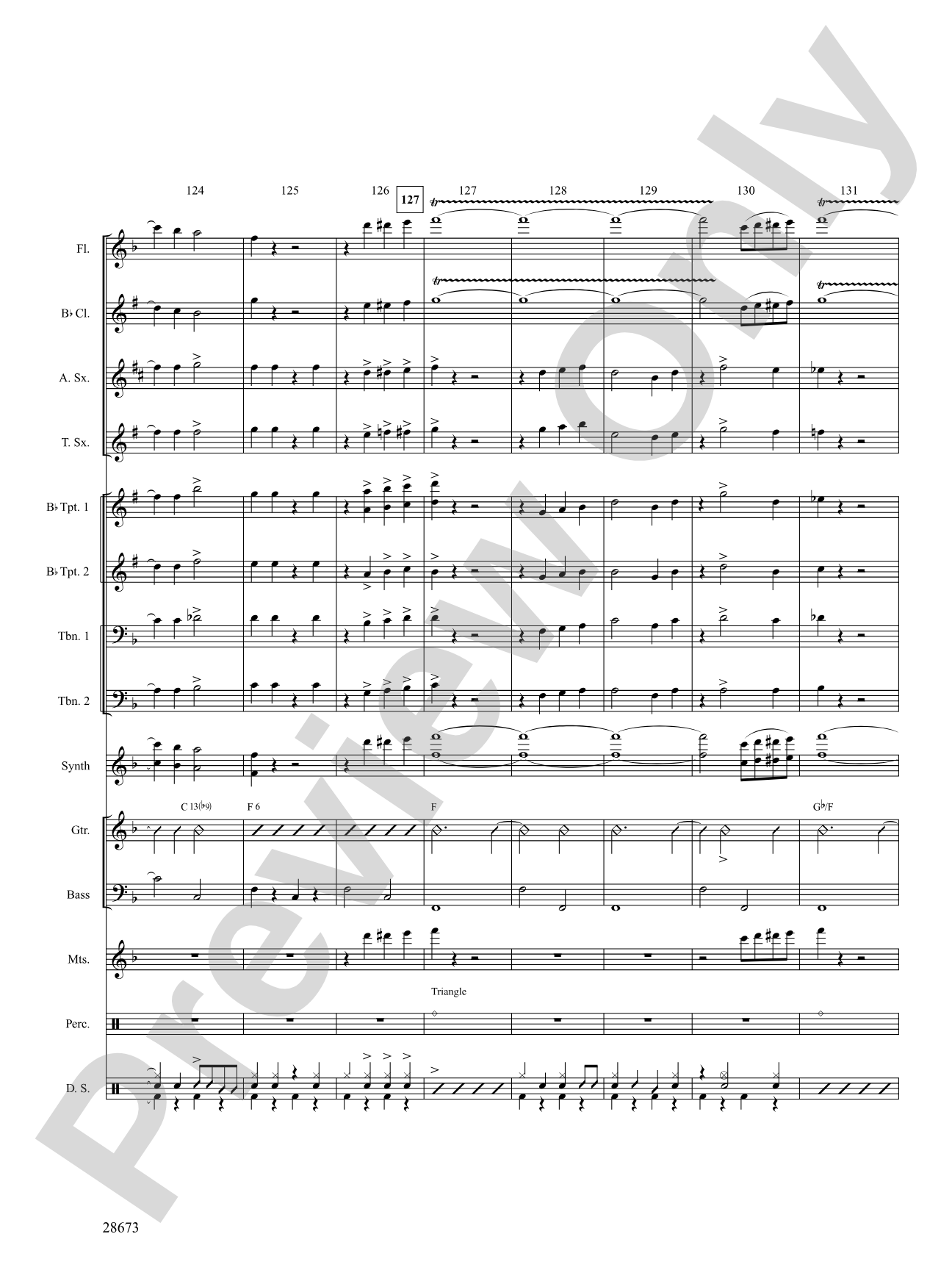
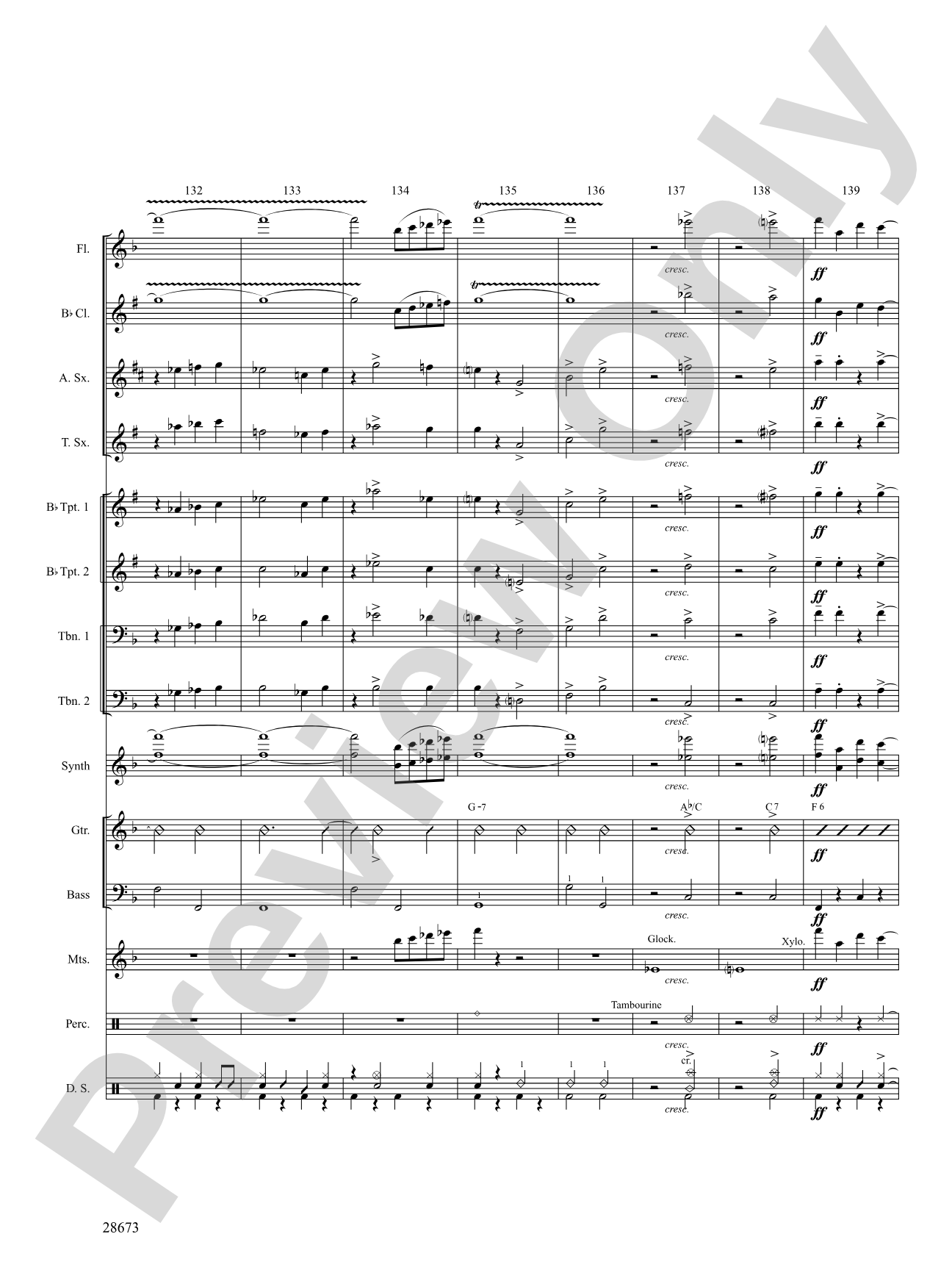
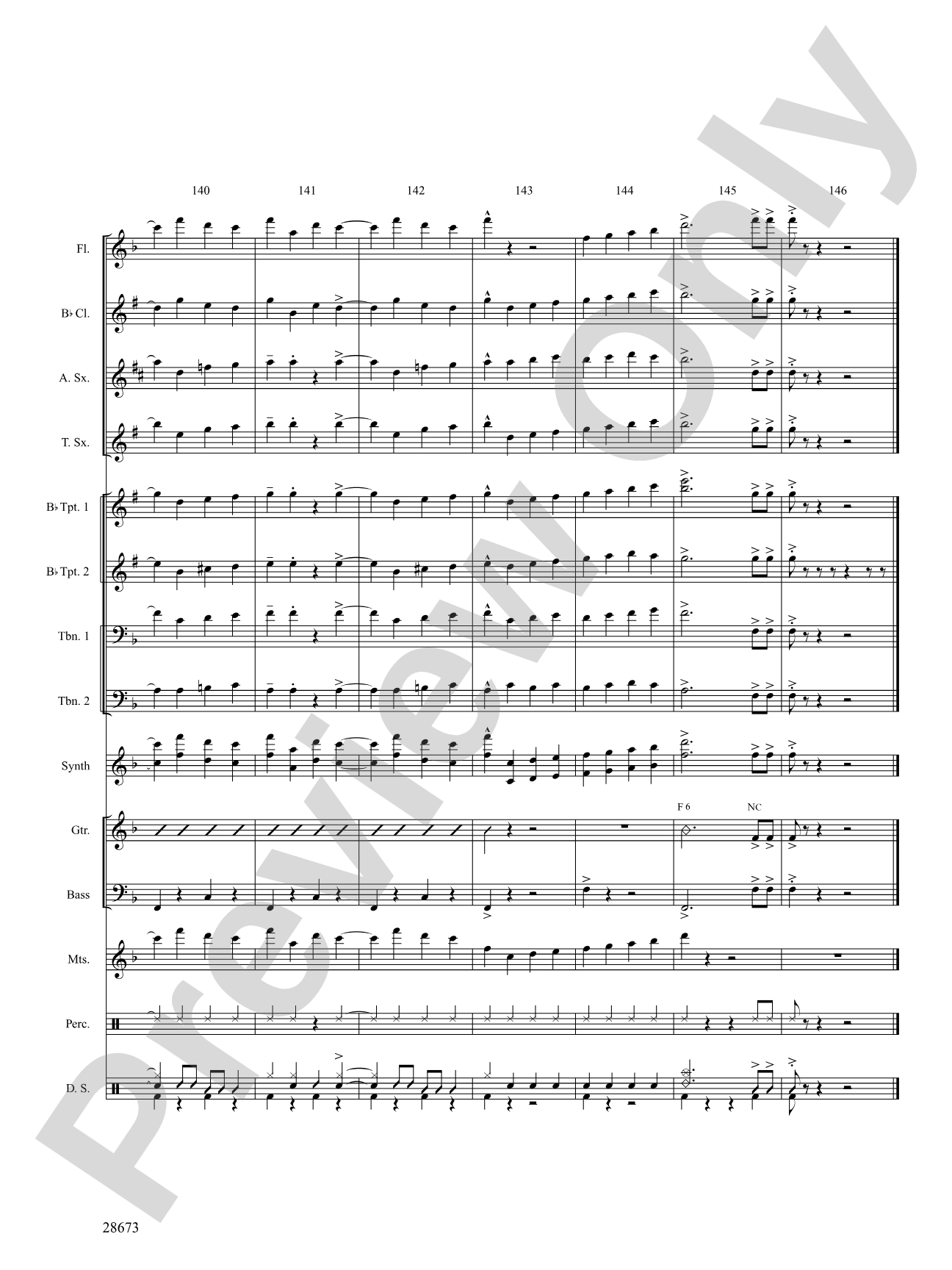
Set the stage for a movie themed concert with this flashy arrangement that pays homage to the golden days of Hollywood. Includes parts for flute, clarinet, alto sax, tenor sax, 2 trumpet, 2 trombone, synth., strings, mallets, percussion, rhythm.


Don't just read it, hear it, play along with it, and watch your students grow with it. In MakeMusic Cloud, Hooray for Hollywood: Choral SoundPax comes alive with professional accompaniment, adjustable tempo, and built-in practice tools that turn solo practice into real progress.
Open in the Player
Jump straight in and assign it today.
Start Your Free Trial
Open this title and explore the full library in minutes.
Sample Audio
1
Audio File
--:--
0:00
0:00
Sample Video
No sample videos found.
Additional Details
Series:
Alfred Pop Choral Series
Publisher:
Alfred Music
Page Count:
56
SKU:
00-PK-0001355
Instrumentation:
SoundPax
More about this title
About the Composer: Richard A. Whiting
Richard A. Whiting (1891-1938) was one of Hollywood's most prolific composers during the early sound film era. His gift for writing accessible, immediately memorable melodies made him a go-to composer for major studios, and his work defined the sound of 1930s popular music.
Whiting's compositions appeared in dozens of films and stage productions, earning him lasting recognition in American popular music history. His ability to craft singable, rhythmically engaging material makes his work particularly valuable for choir programs seeking authentic period repertoire with genuine theatrical appeal.
Why we love this
Andy Beck's orchestration transforms this Hollywood standard into a showstopper that actually works in a choral context. The SoundPax format gives you full instrumental flexibility without requiring a pit orchestra, and the inclusion of movement and staging suggestions means you're getting a complete concert moment, not just a vocal line.
What to expect
Glamorous and energetic, with the kind of shimmering optimism that defined 1930s musical theater. The arrangement captures the flash of movie studio orchestras while keeping the spotlight firmly on the singers, creating that satisfying moment when a familiar tune becomes a full theatrical production.
Who it's for
Choirs programming concert showcases, variety shows, or themed productions centered on classic Hollywood. Directors seeking a piece that feels substantial enough to anchor a program segment but doesn't require a live band or extensive rehearsal time.
How to get the most out of it
- Balance the choir's entrance against the recorded accompaniment during rehearsal by having singers mark their parts at full volume while you listen from the audience area. This reveals how they'll project in performance.
- Establish clear choreography during the first rehearsal by assigning movement to specific musical phrases. Breaking the piece into 4-bar staging chunks makes blocking manageable and gives singers concrete visual goals.
- Mark cutoff points in your score where the accompaniment swells and the choir needs to release cleanly. These transitions separate professional performances from hesitant ones.
- Record a run-through with the accompaniment track and play it back for the choir. Hearing themselves against the full orchestration builds confidence and reveals balance issues before concert week.
How to use it
This works beautifully as an opening number that sets a celebratory tone for your entire concert, or as a closer that sends the audience out smiling. It pairs naturally with other standards or movie-themed selections in a winter or spring concert.
Skills your students will build
- Singing against a full recorded accompaniment without losing ensemble unity
- Responding to theatrical staging cues while maintaining musical precision
- Balancing harmonic blend with clear diction in a fast-moving, rhythmically driven arrangement
- Executing quick cutoffs and entrances that align with orchestral swell points