
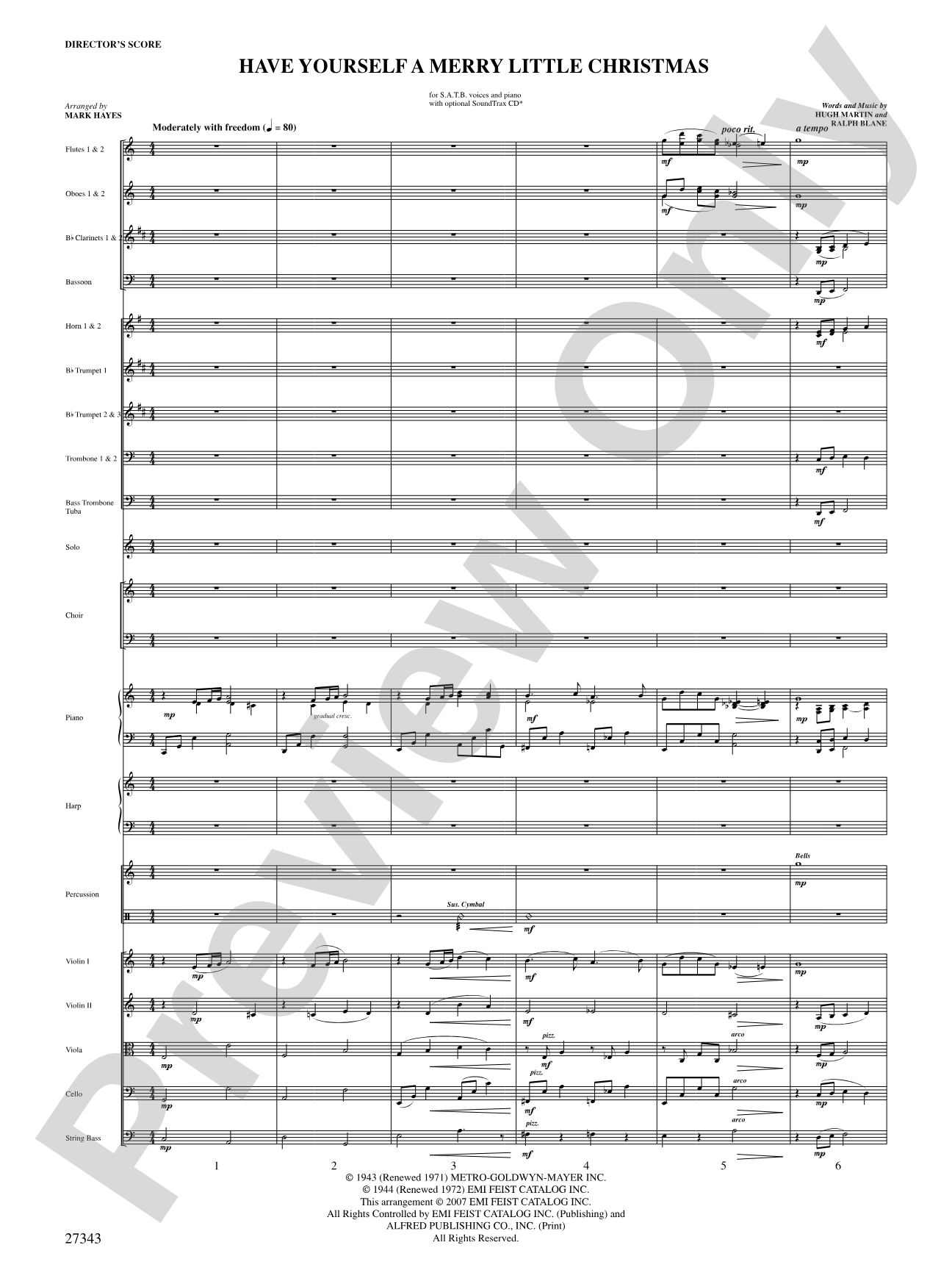

Have Yourself a Merry Little Christmas: Choral SoundPax
Words and music by Hugh Martin and Ralph Blane / arr. Mark Hayes
Item: 00-PK-0001315

$60.00
One moment…
Related Items
Have Yourself a Merry Little Christmas: SoundTrax Digital Audio Download |
$27.99
|
View | |
Have Yourself a Merry Little Christmas: SATB Choral Octavo |
$2.10
|
View | |
Have Yourself a Merry Little Christmas: SAB Choral Octavo |
$2.10
|
View | |
Have Yourself a Merry Little Christmas: SSA Choral Octavo |
$2.10
|
View | |
Have Yourself a Merry Little Christmas: TTBB Choral Octavo |
$2.10
|
View | |
Have Yourself a Merry Little Christmas: SATB Choral Octavo |
$2.10
|
View | |
Have Yourself a Merry Little Christmas: SAB Choral Octavo |
$2.10
|
View | |
Have Yourself a Merry Little Christmas: SSA Choral Octavo |
$2.65
|
View | |
Have Yourself a Merry Little Christmas: TTBB Choral Octavo |
$2.10
|
View | |
Have Yourself a Merry Little Christmas: Choral Octavo SoundTrax CD |
$27.99
|
View | |
Have Yourself a Merry Little Christmas: Choral SoundPax |
$60.00
|
View |
Description
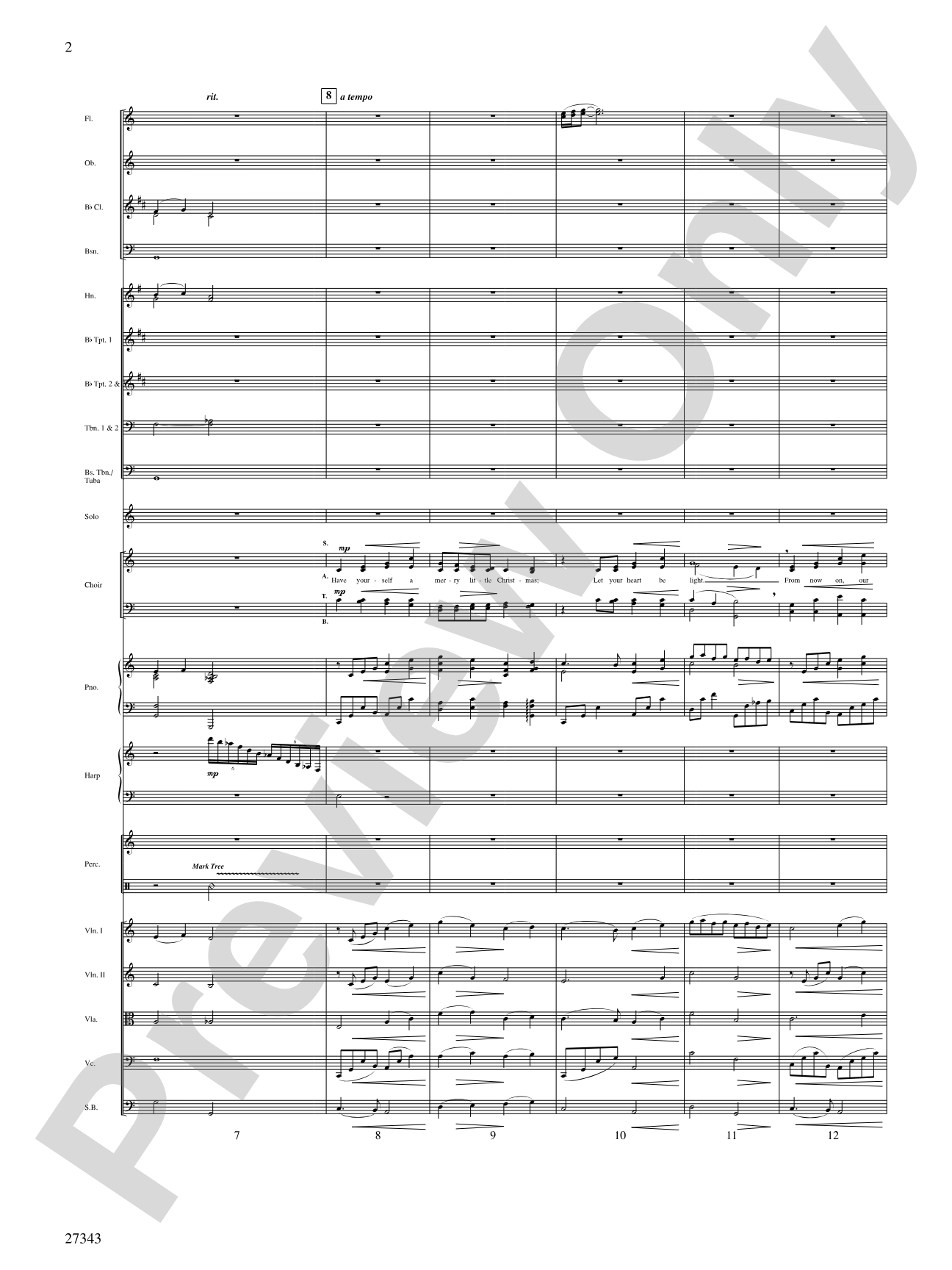
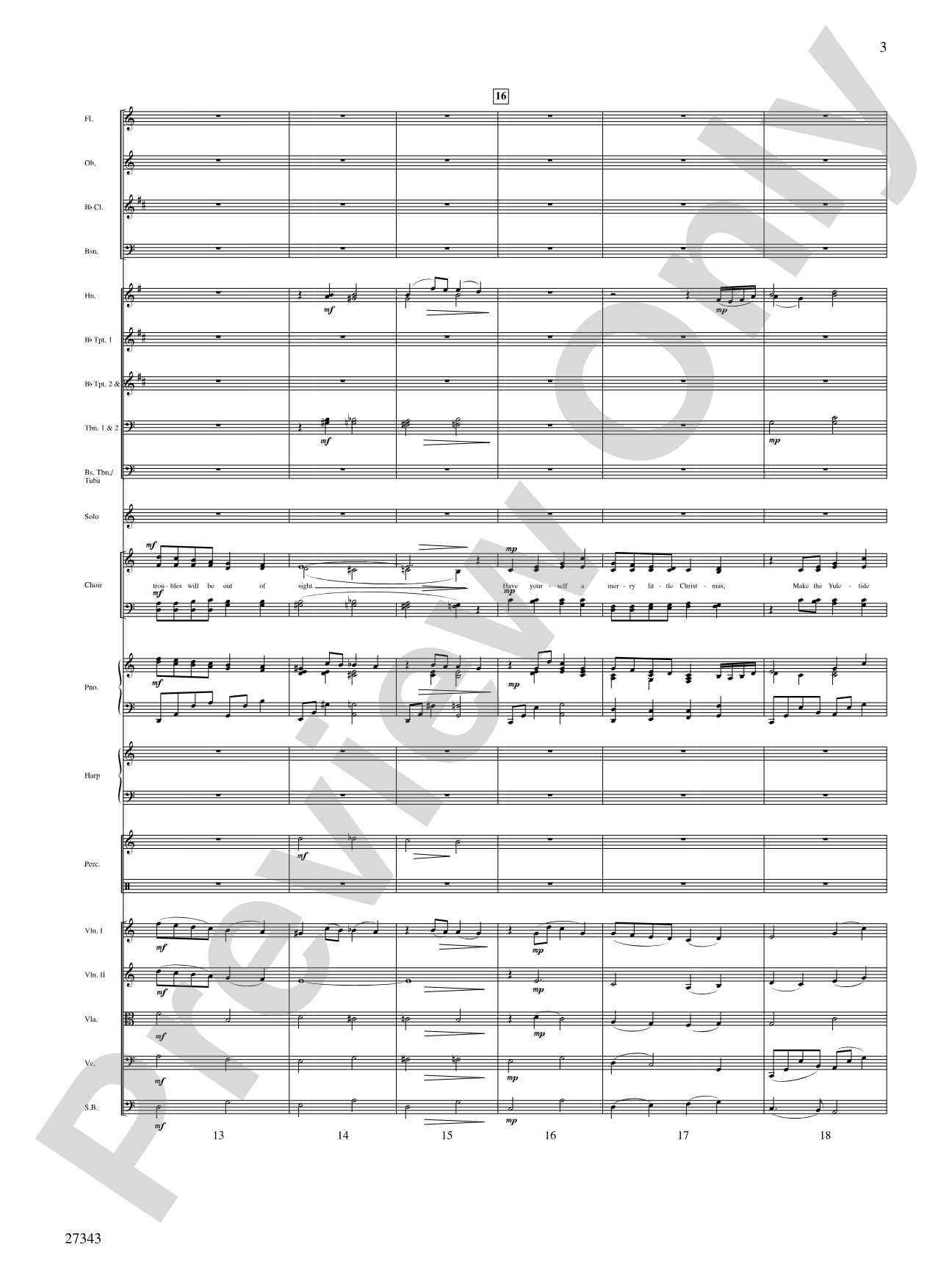
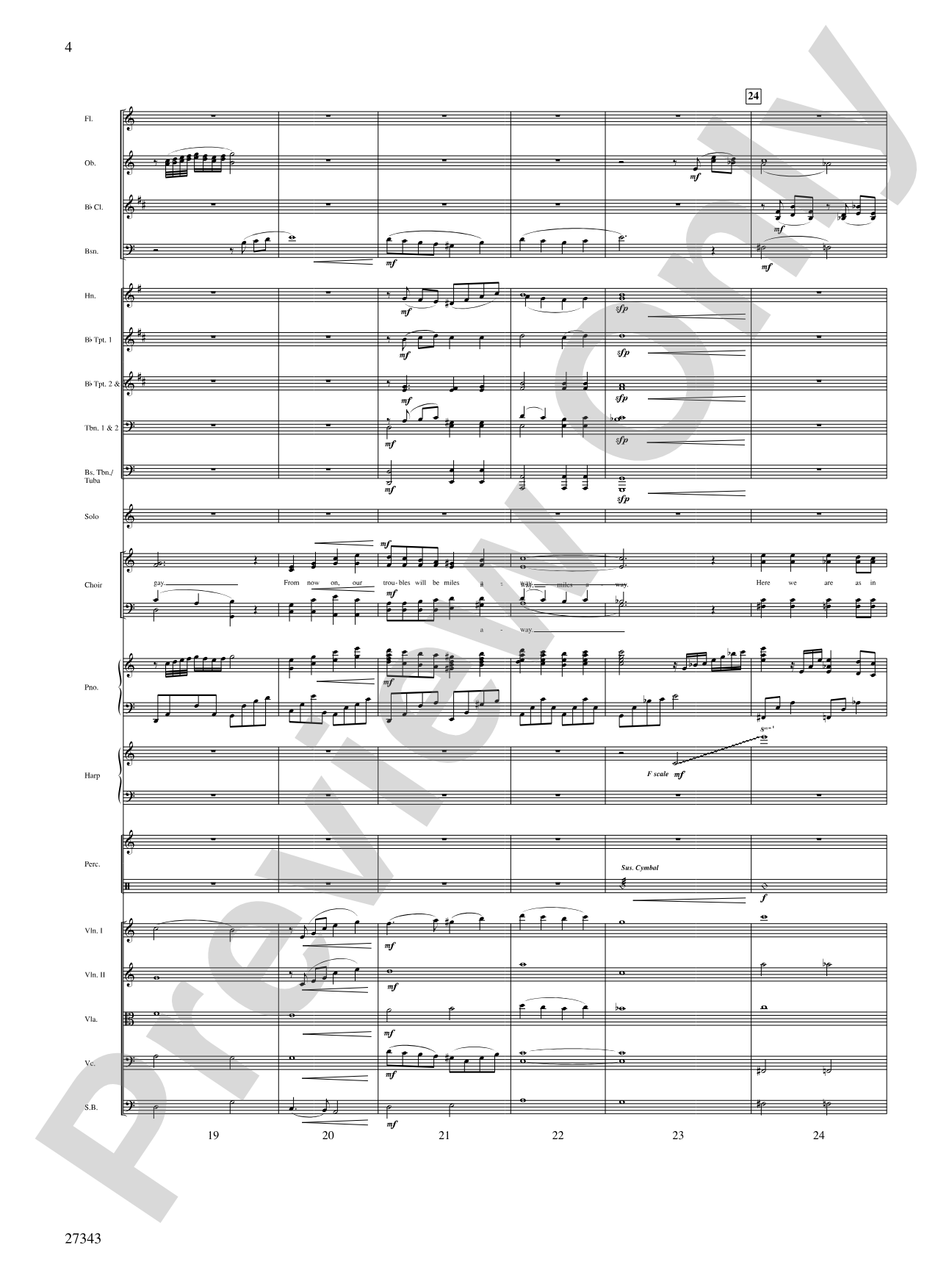
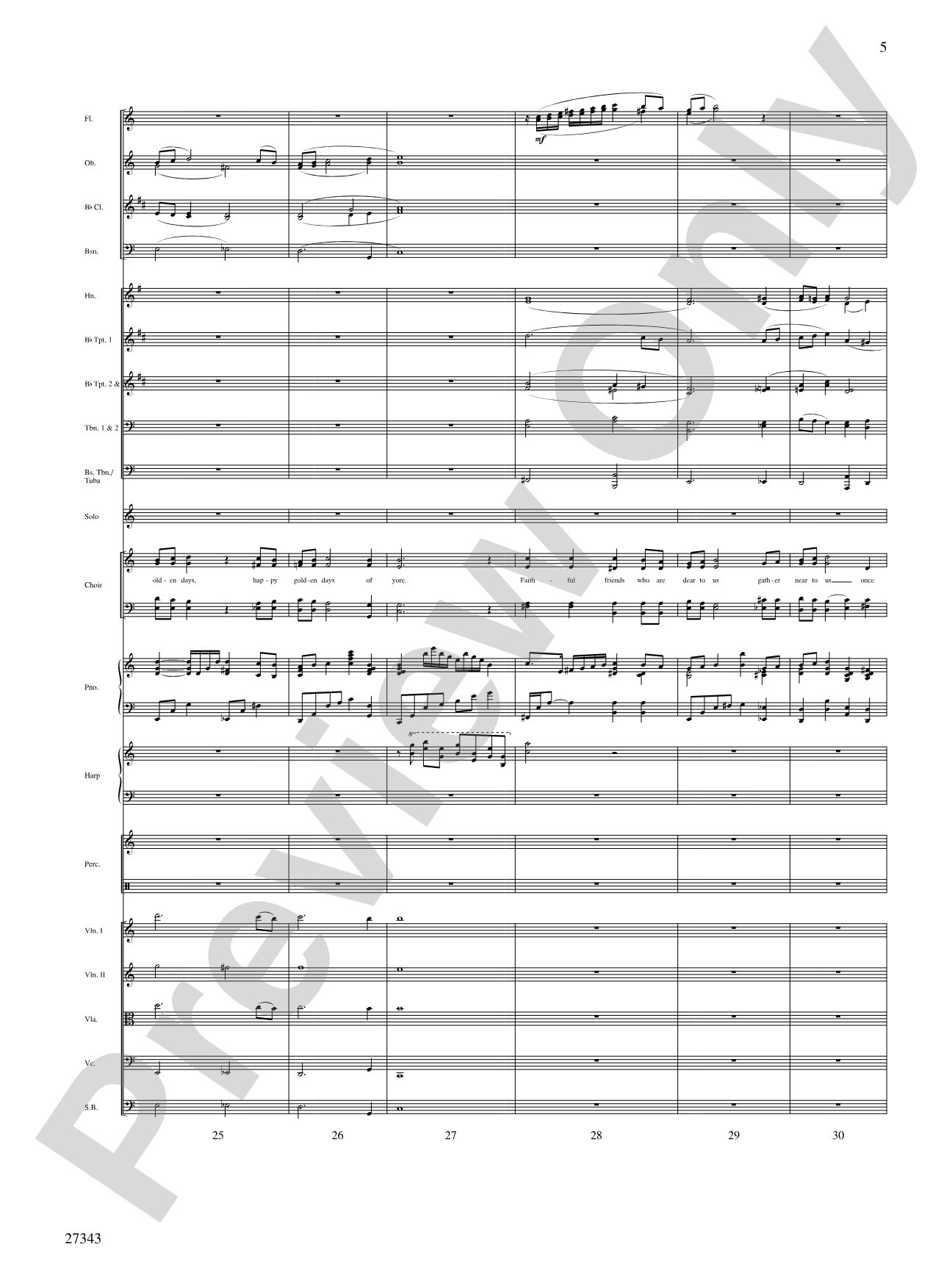
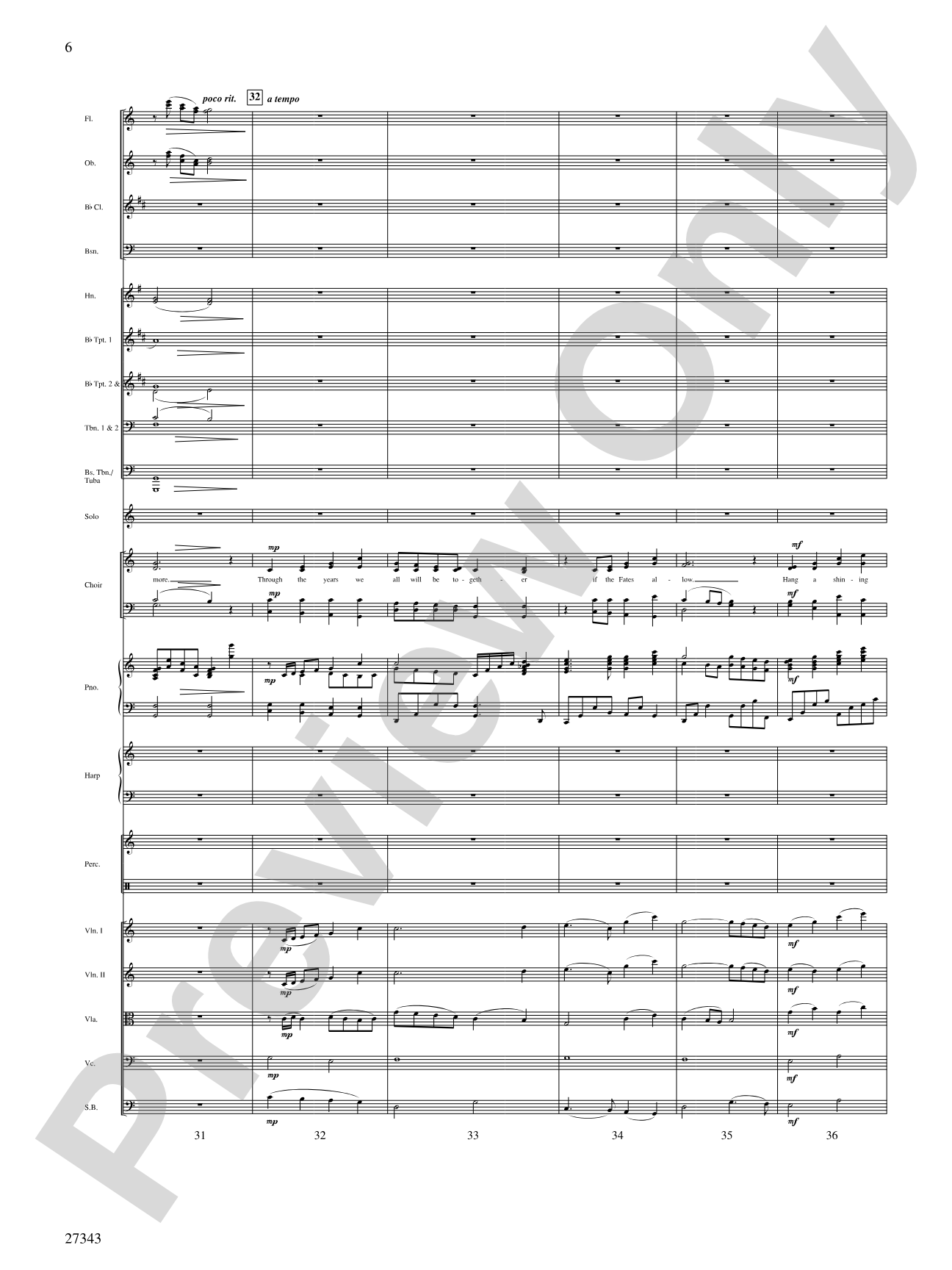
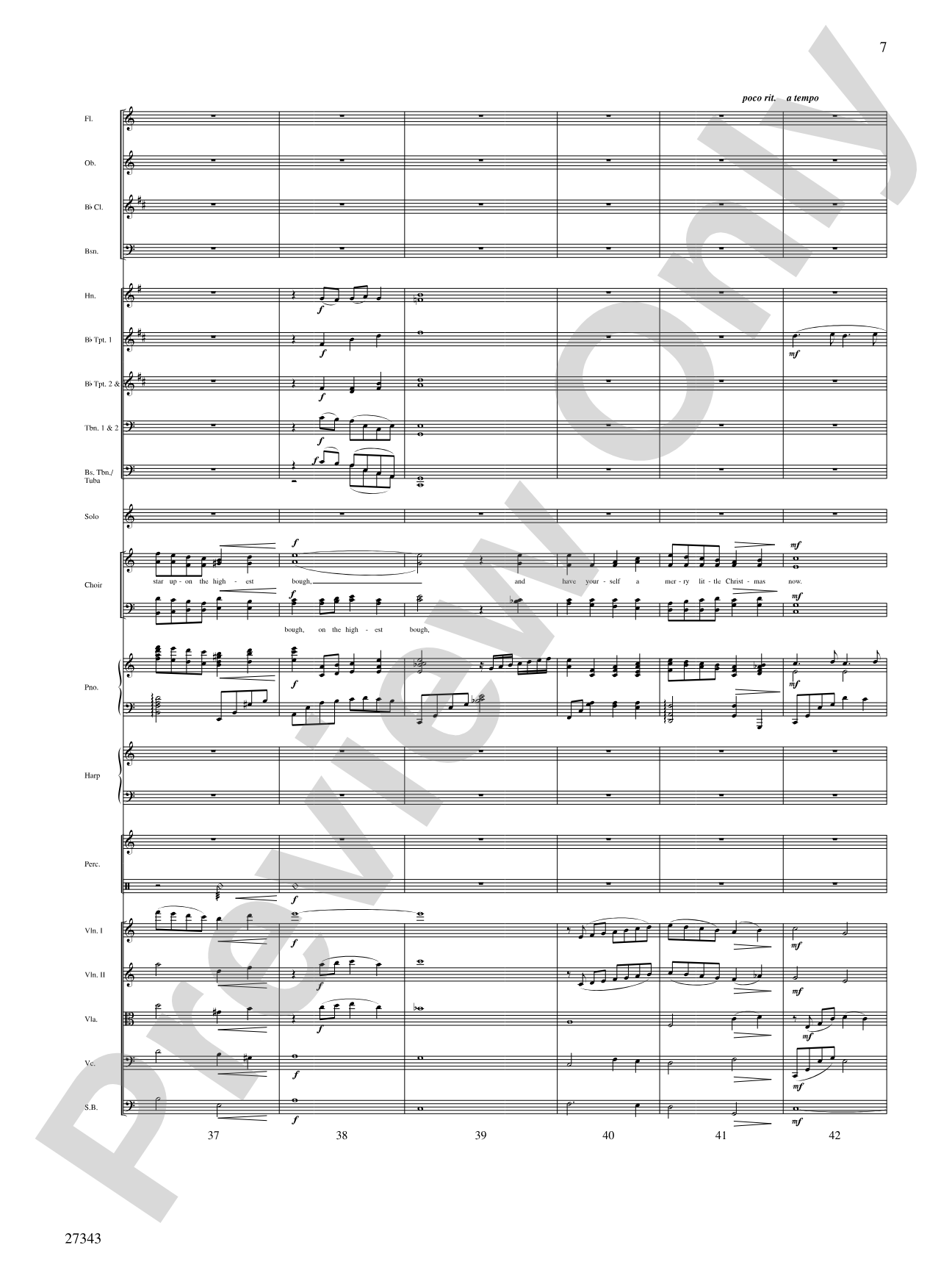
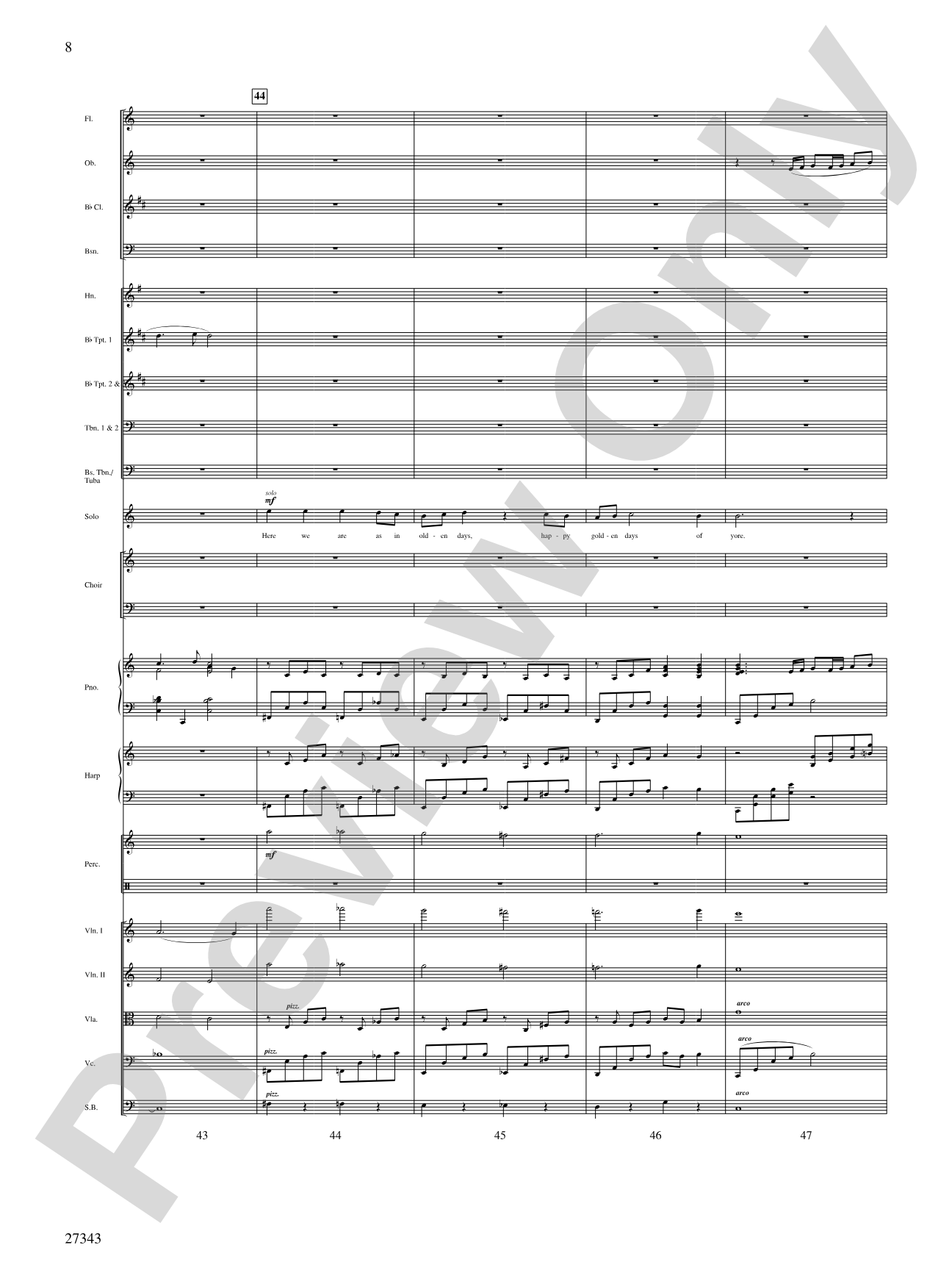
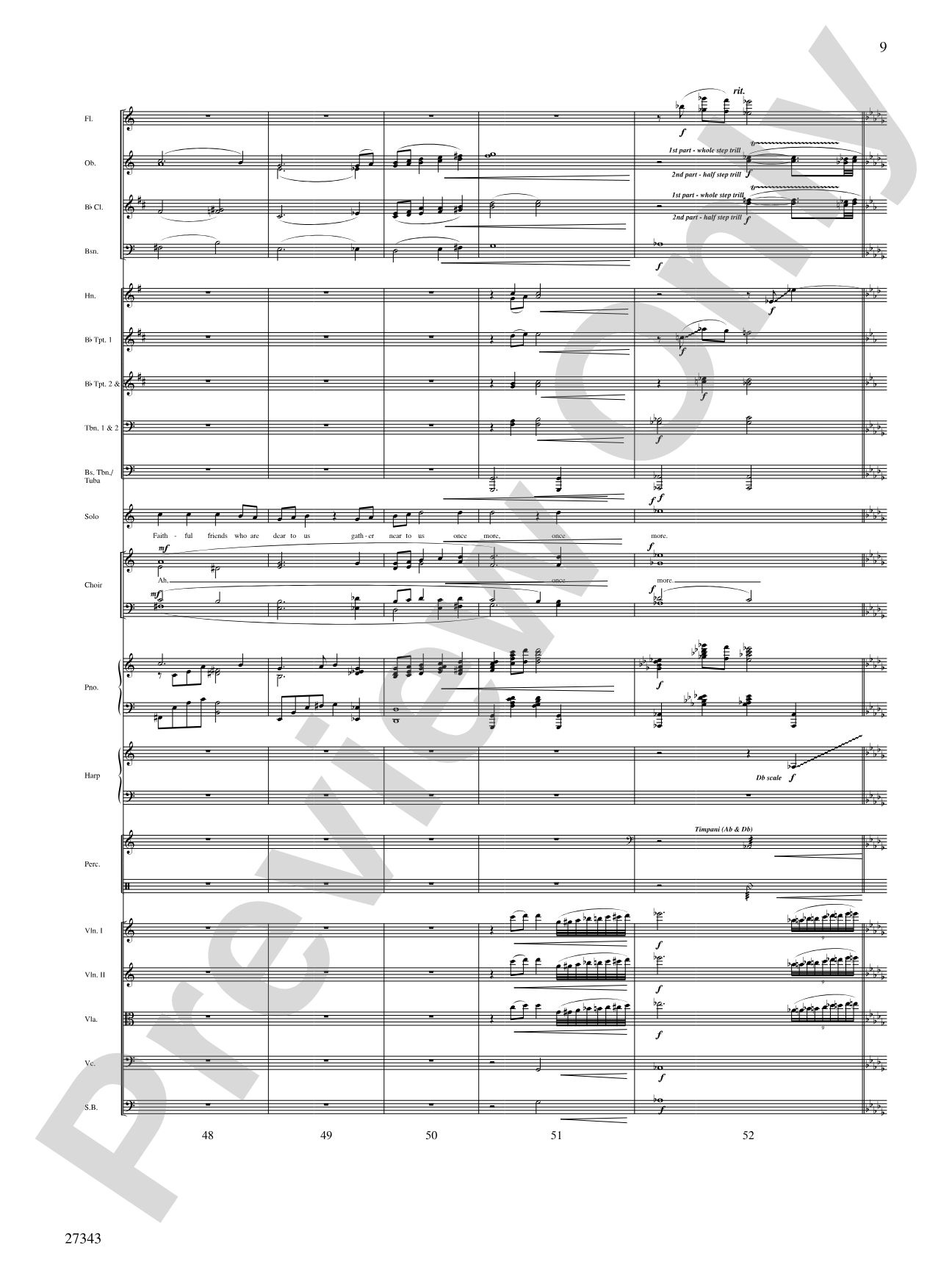
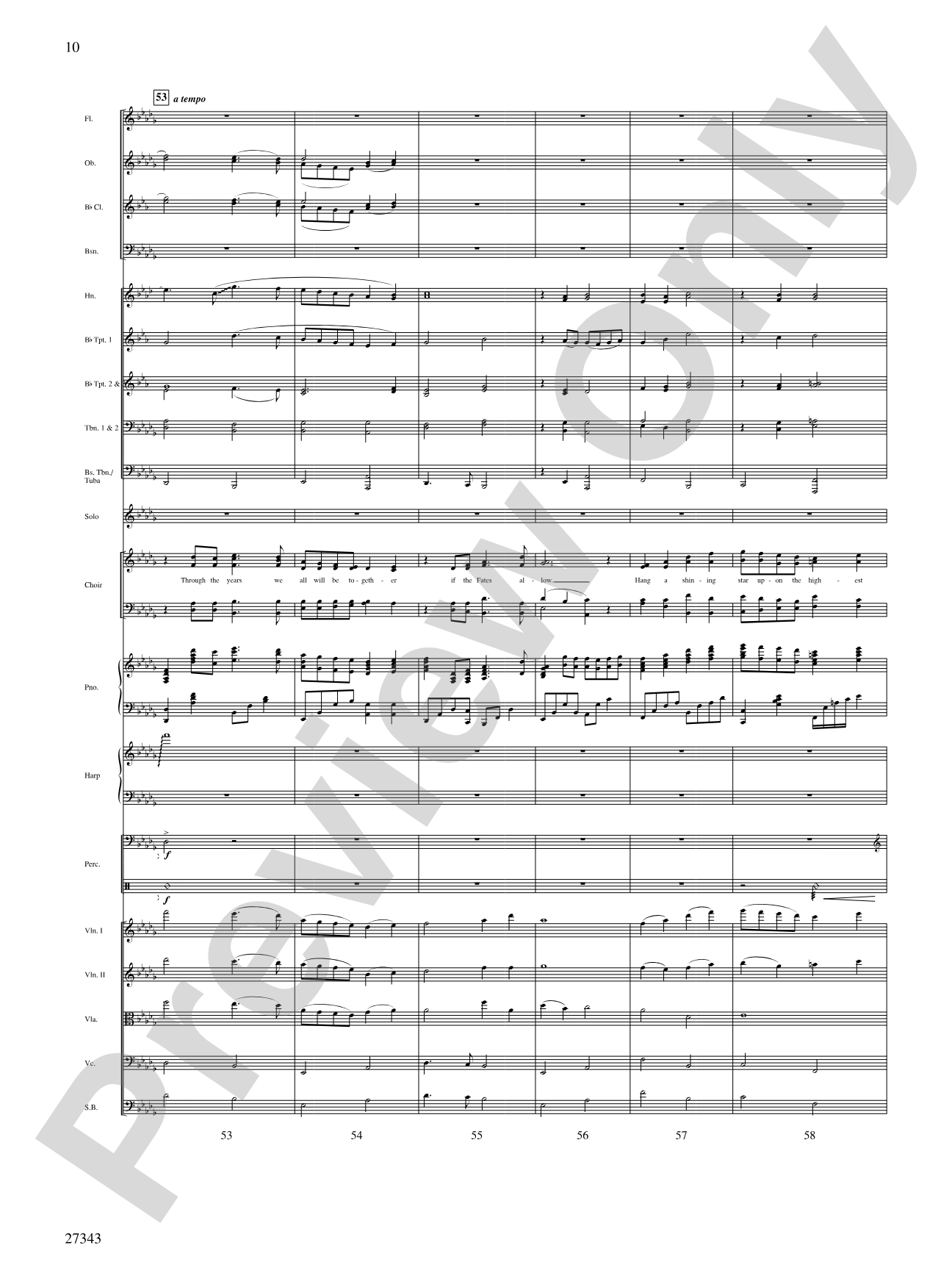
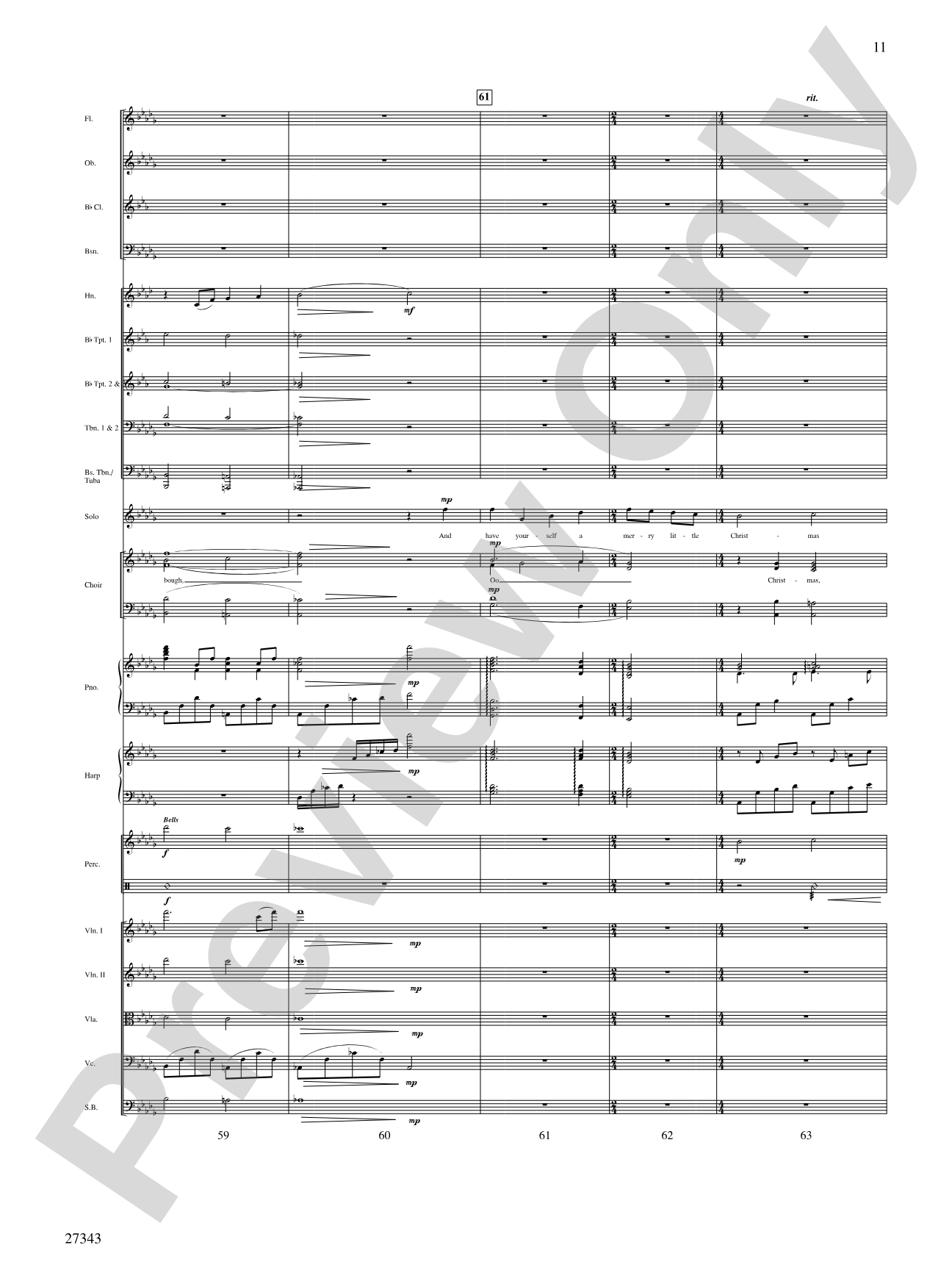
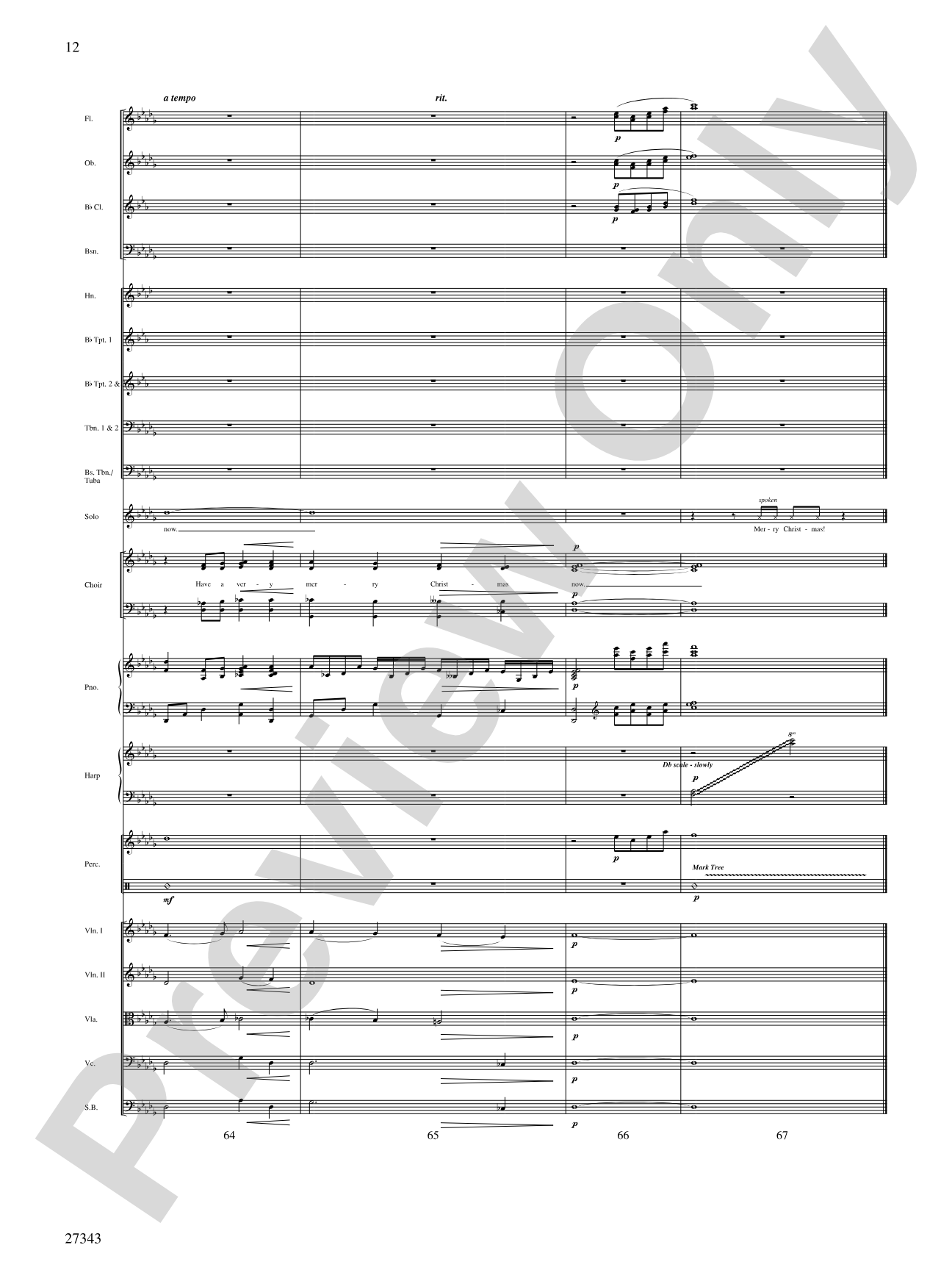
One of the best and most popular Christmas songs has been expertly arranged by Mark Hayes. The choral voicing is beautiful, and is designed to showcase your singers. The piano accompaniment is flowing and supportive, and the Trax/Pax are stunning.


Don't just read it, hear it, play along with it, and watch your students grow with it. In MakeMusic Cloud, Have Yourself a Merry Little Christmas: Choral SoundPax comes alive with professional accompaniment, adjustable tempo, and built-in practice tools that turn solo practice into real progress.
Open in the Player
Jump straight in and assign it today.
Start Your Free Trial
Open this title and explore the full library in minutes.
Sample Audio
1
Audio File
--:--
0:00
0:00
Sample Video
No sample videos found.
Additional Details
Series:
Alfred Pop Choral Series
Publisher:
Alfred Music
Page Count:
33
SKU:
00-PK-0001315
Instrumentation:
SoundPax
More about this title
About the Composer: Hugh Martin
Hugh Martin composed some of the most enduring American popular songs of the mid-20th century, often collaborating with lyricist Ralph Blane. Together, they created the score for the 1944 film "Meet Me in St. Louis," which introduced "Have Yourself a Merry Little Christmas" to the world. Martin's gift for melody and emotional directness made his songs instant standards, and they remain central to holiday programming across schools, community theaters, and professional choirs.
Why we love this
Mark Hayes has reimagined this perennial favorite with sophisticated harmonic movement and a lush choral texture that feels both fresh and deeply familiar. The arrangement respects the song's warmth while giving your choir genuine musical substance to shape and perform. This version transforms a holiday staple into a piece your singers will genuinely enjoy learning and performing.
What to expect
This arrangement captures the song's essential warmth and nostalgia while infusing it with jazz-inflected harmonies and a gentle, contemporary sophistication. The choral writing feels intimate rather than bombastic, inviting singers and audiences into a moment of reflection rather than bombarding them with holiday spectacle.
Who it's for
Choirs of mixed abilities can succeed with this arrangement. The voicing is sophisticated enough to engage experienced singers while remaining accessible to younger or less advanced ensembles. Community choirs, school choirs, and church music programs will all find this a natural fit for holiday concerts.
How to get the most out of it
- Balance the melody across your voice sections so the familiar tune stays clear even when lower voices carry rich harmonic material; the accompaniment can recede slightly to let the choir's blend shine.
- Shape the phrase contours with subtle dynamic swells rather than dramatic changes; this arrangement rewards singers who think in long, connected lines.
- Use the recorded accompaniment to lock the ensemble's blend and intonation, then gradually reduce reliance on it during rehearsals to build independence.
- Attend to the flowing piano part as a musical conversation partner, not mere background; conductors should indicate when the accompaniment leads or responds to choral entries.
How to use it
Program this early in a holiday concert to set a reflective, elegant tone before moving to more upbeat seasonal selections. It also works beautifully as a bridge piece in a mixed concert that includes secular and sacred repertoire, and many directors find it perfect for a closing moment that balances joy with gentle sincerity.
Skills your students will build
- Singing in jazz-influenced harmonic language
- Balancing melody with internal voice lines
- Shaping lyrical phrases with minimal dynamic contrast
- Blending within a four-part voicing that includes rich seventh chords and extended harmonies
- Responding to a flowing, conversational piano accompaniment