Hakuna Matata Fi Kenya Cover Image

Hakuna Matata Fi Kenya: 2-Part Choral Octavo

$2.25 USD
Sale price  $2.25 USD Regular price 
Skip to product information
Hakuna Matata Fi Kenya Cover Image

Hakuna Matata Fi Kenya: 2-Part Choral Octavo

(No Troubles in Kenya)

Words and music by Patsy Ford Simms

Level: Moderate

Item: 00-SVM01073

makemusic Cloud badge
$2.25
Shipped

One moment…

Description
Patsy Ford Simms brings us another exquisite original African style work that carries a wonderful message, a memorable melody and lots of African percussion. This is a must have!

Don't just read it, hear it, play along with it, and watch your students grow with it. In MakeMusic Cloud, Hakuna Matata Fi Kenya: 2-Part Choral Octavo comes alive with professional accompaniment, adjustable tempo, and built-in practice tools that turn solo practice into real progress.

Sample Pages

Sample Audio
No sample audio found.
Sample Video
Additional Details
Series: Alfred Archive Edition: Studio PR Catalog
Publisher: Alfred Music
Page Count: 8
UPC: 723188057078
SKU: 00-SVM01073

More about this title

About the Composer: Patsy Ford Simms
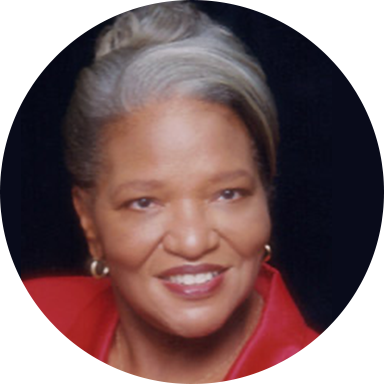
Patsy Ford Simms

Patsy Ford Simms began composing and arranging in response to a genuine gap she encountered during her teaching career: the scarcity of quality choral octavos written for middle school voices. Since her first publication in 1981, she has created over 300 songs for educational and church settings, working with major publishers including Shawnee Press. Her work earned recognition beyond the classroom; two of her compositions were selected for MENC World's Largest Concerts, and she has received multiple ASCAP Special Music Awards.

Simms holds a Bachelor of Science in Music Education from Knoxville College, a Master of Education from the University of Louisville, and a doctorate in Music Education from Columbia Pacific University. After 30 years teaching grades K-12 and at the Youth Performing Arts School, she transitioned to full-time composing and arranging. She has established an international reputation as a clinician and presenter, with appearances in Italy and Africa. Her catalog includes commissioned works and short musicals exploring African American history.

Why we love this

Simms crafts pieces that deliver genuine substance without oversimplifying for young singers. The combination of a memorable melody, an authentic African musical sensibility, and practical percussion integration makes this work engaging for both ensemble and audience. Middle school choirs need repertoire that feels contemporary and culturally grounded yet is still accessible to developing voices, and this piece hits that mark.

What to expect

The piece carries warmth and celebration woven through its accessible melody and rhythmic vitality. African percussion colors the texture throughout, creating a sense of joy and community that matches the positive message in the text. There's an infectious quality that tends to energize both singers and listeners without feeling forced or overly complex.

Who it's for

This piece works beautifully with middle school choirs (grades 6-8) and younger high school ensembles seeking repertoire that connects to world music traditions without requiring advanced vocal technique. Directors programming concerts with cultural diversity in mind will find this an ideal choice for students ready to explore African musical styles authentically.

How to get the most out of it

  • Establish the rhythmic foundation early by having the rhythm section lock in the percussion parts before adding voices. African-style pieces thrive on a rock-solid groove.
  • Shape the melody with intentional phrasing rather than singing each phrase identically. Simms writes memorable lines that benefit from slight dynamic shaping and breath placement that honors the text's message.
  • If using the recorded accompaniment, have singers hear it multiple times during rehearsal before attempting to blend with it. Familiarity with the percussion textures will build confidence faster than repeated singing-along.
  • Balance the two parts carefully so neither blend overwhelms the other. Middle school choirs often push the lower voice too soft; both parts should carry equal weight in the overall sound.

How to use it

Consider pairing this with other world music selections to create a concert segment exploring global traditions, or program it as a standalone piece that uplifts an entire concert through its optimistic character. The eight-page length makes it manageable for groups working with multiple pieces, and its cultural content invites natural discussion about African music and compositional approaches.

Skills your students will build

  • Singing in two independent parts with rhythmic independence
  • Reading and responding to African rhythmic patterns and meters
  • Blending voices while maintaining part integrity
  • Connecting performance to cultural context and lyrical meaning
  • Responding to and following recorded accompaniment tracks

You May Also Like
