Hakuna Matata Fi Kenya Cover Image

Hakuna Matata Fi Kenya: 3-Part Mixed Choral Octavo

$2.25 USD
Sale price  $2.25 USD Regular price 
Skip to product information
Hakuna Matata Fi Kenya Cover Image

Hakuna Matata Fi Kenya: 3-Part Mixed Choral Octavo

(No Troubles in Kenya)

Words and music by Patsy Ford Simms

Level: Moderate

Item: 00-SVM01072

makemusic Cloud badge
$2.25
Shipped

One moment…

Description
Patsy Ford Simms brings us another exquisite original African style work that carries a wonderful message, a memorable melody and lots of African percussion. This is a must have!

Don't just read it, hear it, play along with it, and watch your students grow with it. In MakeMusic Cloud, Hakuna Matata Fi Kenya: 3-Part Mixed Choral Octavo comes alive with professional accompaniment, adjustable tempo, and built-in practice tools that turn solo practice into real progress.

Sample Pages

Sample Audio
No sample audio found.
Sample Video
Additional Details
Series: Alfred Archive Edition: Studio PR Catalog
Publisher: Alfred Music
Page Count: 8
UPC: 723188056972
SKU: 00-SVM01072

More about this title

About the Composer: Patsy Ford Simms
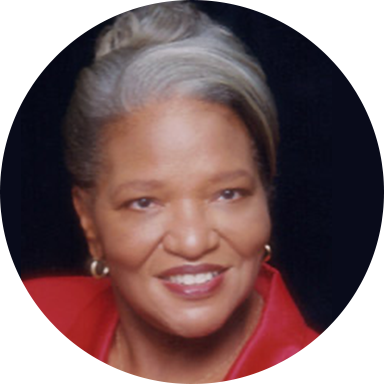
Patsy Ford Simms

Patsy Ford Simms began composing and arranging in response to a genuine classroom need: the shortage of quality choral literature for junior high and middle school singers. Over her thirty-year teaching career spanning K-12 settings and the Youth Performing Arts School, she developed an ear for what works with young voices and what moves them. Since her first publication in 1981, she has created over 300 works for educational and church choirs, establishing herself as a prolific voice in choral music.

Simms holds a Bachelor of Science in Music Education from Knoxville College, a Master of Education from the University of Louisville, and a doctorate in Music Education from Columbia Pacific University. Her work has earned recognition far beyond the classroom: she has presented clinics internationally, including in Italy and Africa; two of her compositions were selected for MENC World's Largest Concerts; and she has received multiple ASCAP Special Music Awards. Her commissioned works and historical musicals about African American experiences demonstrate her commitment to expanding what young singers encounter in rehearsal.

Why we love this

Simms writes with an intuitive grasp of what middle school singers can accomplish and what will hold their attention. The African style setting, combined with percussion elements and a straightforward narrative, creates engagement without sacrificing musicality or pedagogical value. Directors appreciate her ability to deliver substance alongside accessibility, making repertoire that students want to sing.

What to expect

Bright and purposeful, with a rhythmic energy driven by African percussion textures. The melody is direct and memorable, carrying the uplifting message without oversimplifying the harmonic landscape. There's a sense of celebration in the music that invites singers to connect emotionally while remaining technically grounded.

Who it's for

Middle school and junior high choirs looking for repertoire with cultural substance and genuine appeal. The moderate difficulty sits comfortably for developing singers while offering enough musicality to engage more experienced ensembles. Directors programming concerts with thematic variety or African music content will find this piece both accessible and authentic.

How to get the most out of it

  • Shape the memorable melody with careful attention to phrase endpoints; resist the urge to hold final notes of phrases longer than written, which dulls the forward motion that gives this piece its character.
  • Layer in the African percussion elements gradually during rehearsal rather than all at once. Start with the main percussion part, then add supporting rhythms so singers hear how their voices sit within the full texture.
  • Balance the three parts so no single voice line overwhelms the blend. In a SAB voicing, altos often carry harmonic foundation; make sure they're supported but not exposed.
  • Use the recorded accompaniment strategically: record a rehearsal with it early so singers internalize their individual parts against harmonic context, then rehearse without it to build independence.

How to use it

This works beautifully in thematically focused concerts exploring world music, African traditions, or cultural unity. It can also stand alone as a concert closer or opener due to its positive energy and audience accessibility. The piece's moderate length and clear structure make it suitable for festival appearances or assembly performances.

Skills your students will build

  • Singing in three-part harmony with focused blend and balance
  • Interpreting African-influenced rhythmic and melodic phrasing
  • Coordinating vocal lines with percussion accompaniment
  • Sustaining ensemble alignment through rhythmically active sections
  • Expressing cultural context and meaning through performance choices

You May Also Like
