
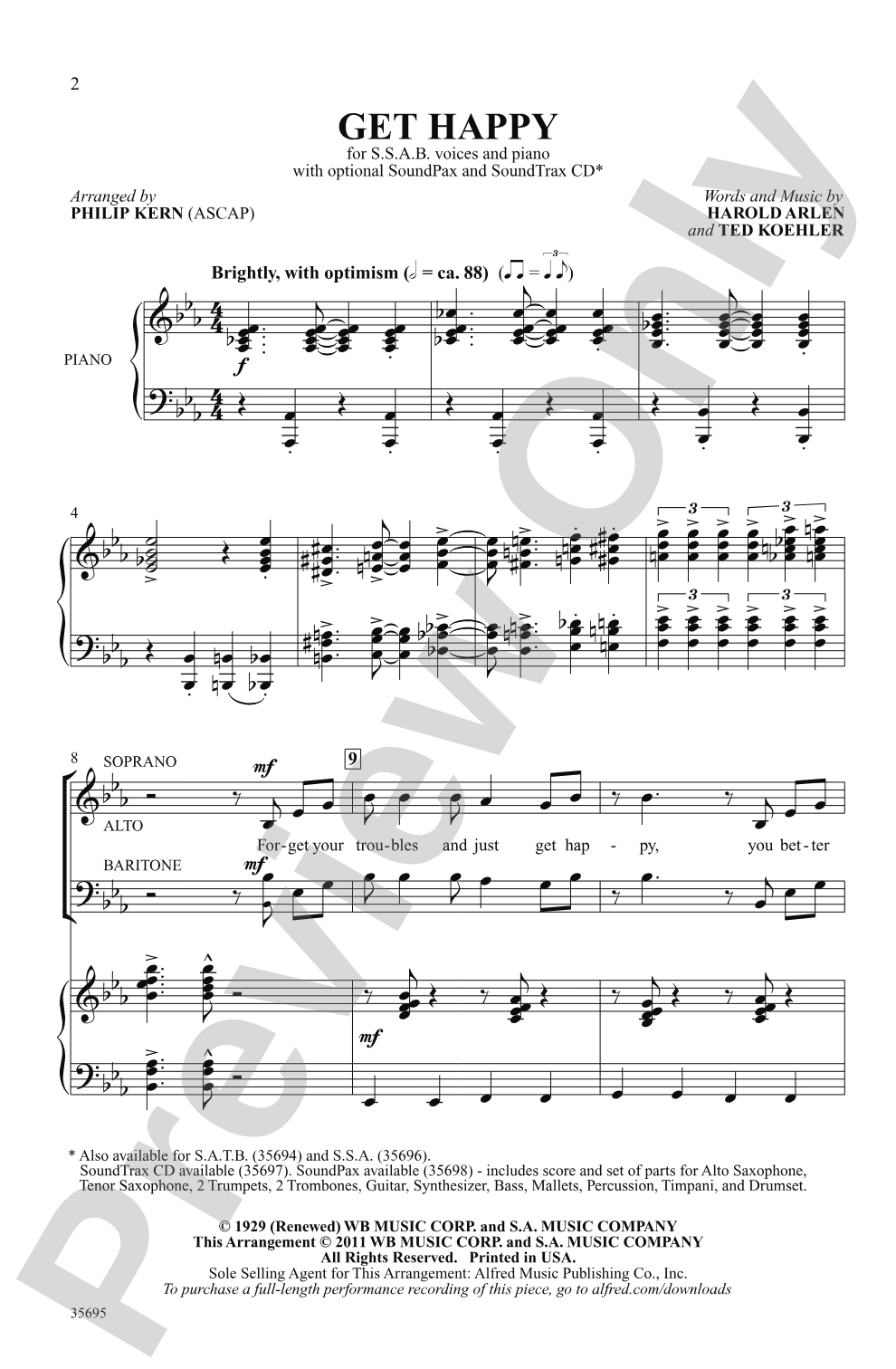
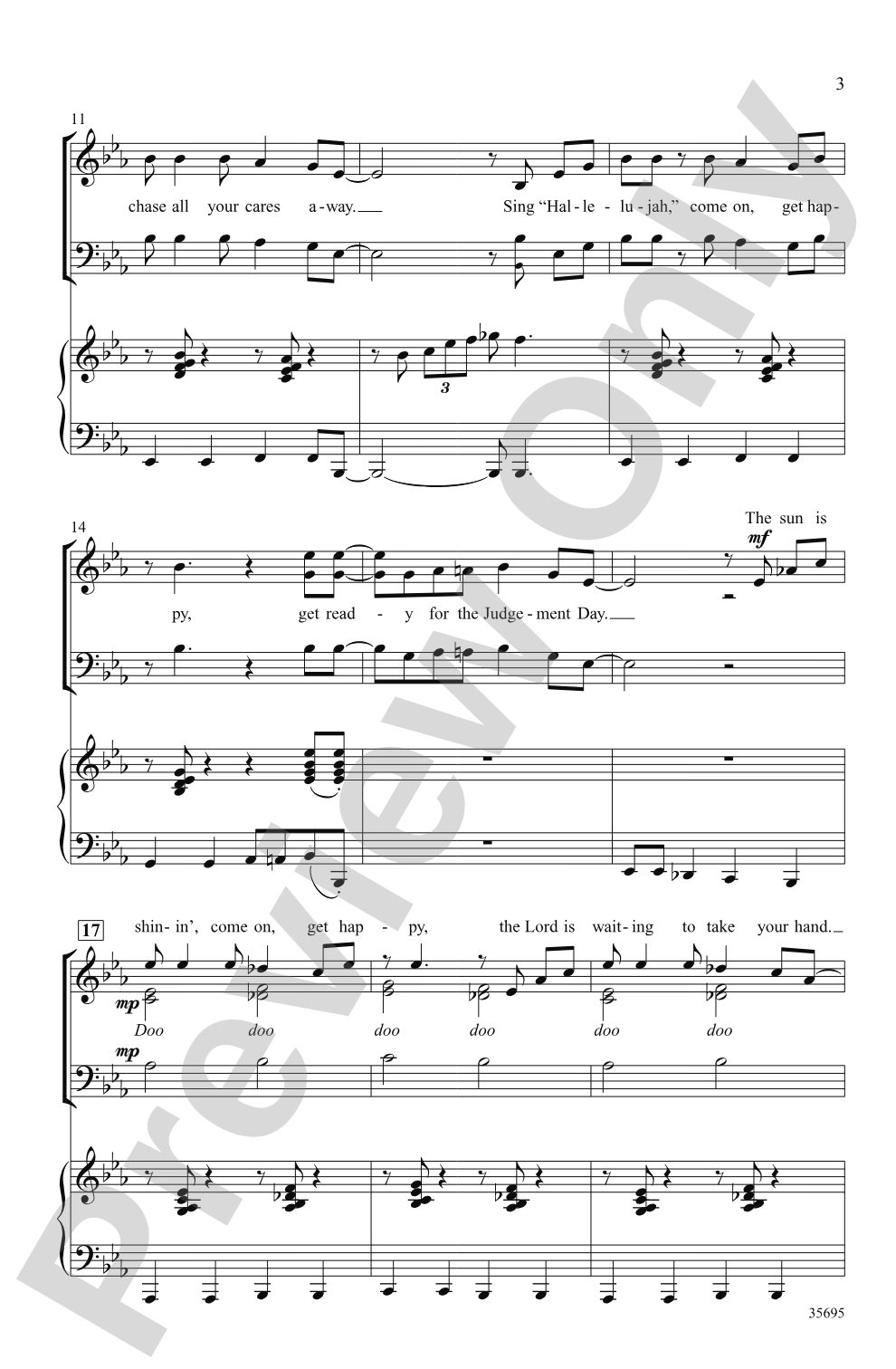
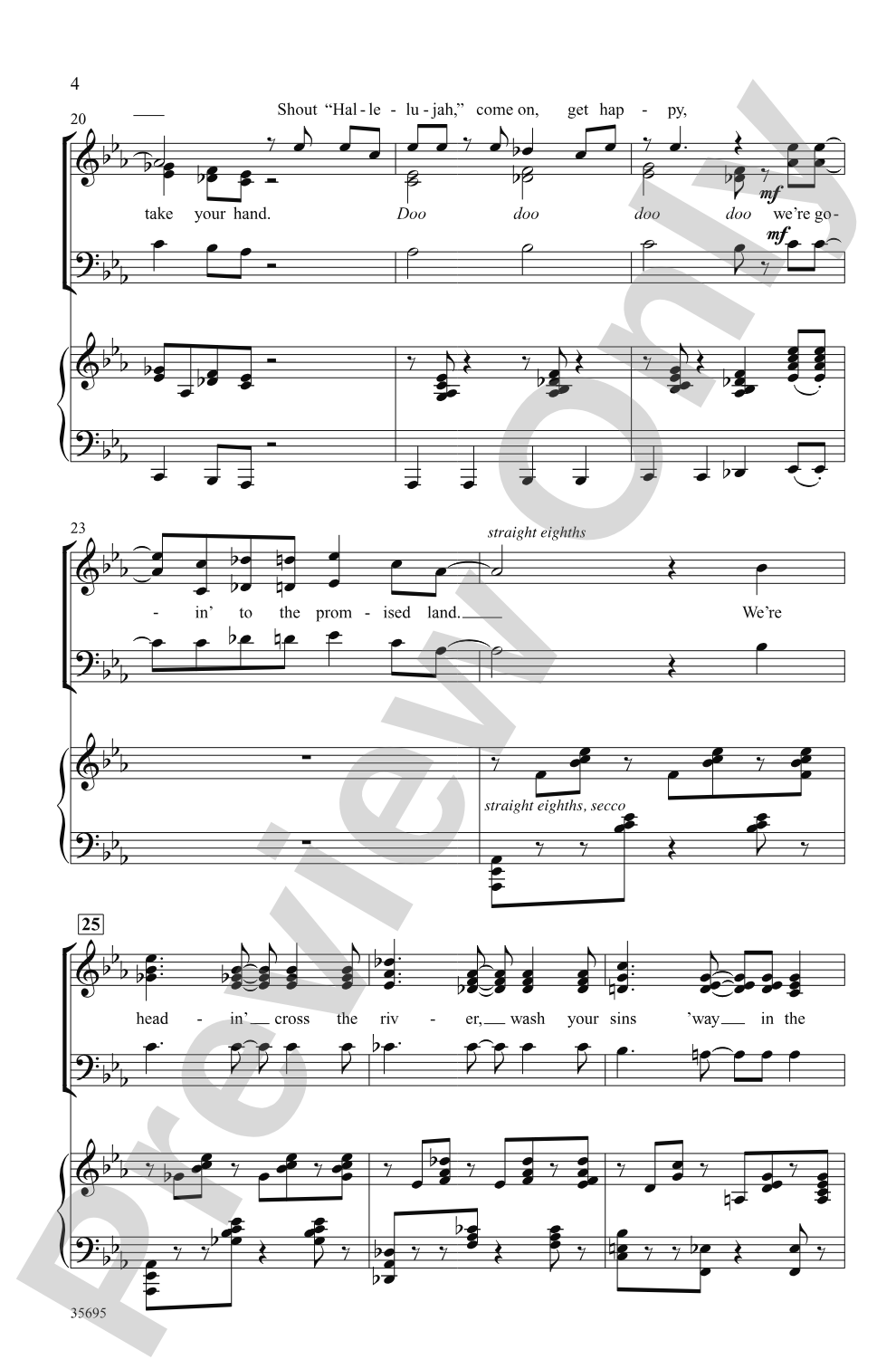

Get Happy: SSAB Choral Octavo
Words and music by Harold Arlen and Ted Koehler / arr. Philip Kern
Item: 00-PO-0001040

$1.95
Minimum order quantity: 20 copies
One moment…
Related Items
Get Happy: SoundTrax Digital Audio Download |
$26.99
|
View | |
Get Happy: SATB Choral Octavo |
$1.95
|
View | |
Get Happy: SSA Choral Octavo |
$1.95
|
View | |
Get Happy: Choral SoundPax |
$50.00
|
View | |
Get Happy: SATB Choral Octavo |
$1.95
|
View | |
Get Happy: SSAB Choral Octavo |
$1.95
|
View | |
Get Happy: SSA Choral Octavo |
$1.95
|
View | |
Get Happy: Choral Octavo SoundTrax CD |
$26.99
|
View | |
Get Happy: Choral SoundPax |
$50.00
|
View |
Description
This was the first of many hits that Harold Arlen and Ted Koehler wrote together. It's most associated with Judy Garland, who performed "Get Happy" in her last MGM film Summer Stock. This incredible hot and jazzy arrangement really cooks from beginning to end! Featured on Showbiz! choral movement DVD (00-35858).


Don't just read it, hear it, play along with it, and watch your students grow with it. In MakeMusic Cloud, Get Happy: SSAB Choral Octavo comes alive with professional accompaniment, adjustable tempo, and built-in practice tools that turn solo practice into real progress.
Open in the Player
Jump straight in and assign it today.
Start Your Free Trial
Open this title and explore the full library in minutes.
Sample Audio
1
Audio File
--:--
0:00
0:00
Sample Video
No sample videos found.
Additional Details
Series:
Alfred Pop Choral Series
Publisher:
Alfred Music
Page Count:
16
SKU:
00-PO-0001040
More about this title
About the Composer: Harold Arlen
Harold Arlen (1905-1986) composed some of the most enduring songs in American musical theater and film. His gift for melody and his ability to write across multiple genres—from blues-influenced standards to sophisticated show tunes—made him a central figure in the Great American Songbook. Arlen's collaborations with lyricist Ted Koehler during the early 1930s produced a string of hits that defined the era, and his later work with other lyricists (including E.Y. Harburg) created iconic film scores that remain central to music education and performance.
As a composer, Arlen was known for his rhythmic sophistication, unexpected harmonic turns, and deep knowledge of jazz and vernacular music. His scores appear regularly in choral, instrumental, and vocal curricula because they challenge singers and musicians while remaining accessible and engaging. For music educators, Arlen's catalog offers rich material for teaching style, arrangement, and the distinctly American sound of mid-century popular song.
Why we love this
This arrangement captures the infectious energy of a classic jazz standard without requiring soloists or instrumental virtuosity from your singers. The SSAB voicing keeps the writing economical and blends well, while Philip Kern's arrangement maintains the song's signature swing and harmonic sophistication. It's the kind of piece that energizes a concert, builds confidence in singers tackling jazz idioms, and genuinely delights an audience.
What to expect
Pure joy and energy. The song swings with the carefree optimism of 1930s Hollywood, and Kern's arrangement amplifies that with clever voicing and rhythmic drive. From the first measure, you feel the warmth of a hot jazz ensemble that's having fun, and that infectious spirit carries straight through to the final note.
Who it's for
This piece works best for mixed or upper-level treble choirs with some jazz experience or willingness to explore jazz idioms. The SSAB voicing makes it accessible to high school and college singers, as well as community choirs comfortable with swing style and rhythmic independence.
How to get the most out of it
- Anchor the rhythm section feel by locking the pulse early in rehearsal; this tune's groove depends on confident, relaxed timing rather than strict metronomic precision.
- Balance the soloistic moments (especially in the S parts) with the rhythmic choral backdrop, treating the ensemble as a dynamic accompaniment that can shift between background and foreground.
- Lean into the jazz articulation and phrasing marked in the score; syllabic clarity and rhythmic snap will give the piece its intended snap and personality.
- Record a rehearsal run-through and listen back as a group, focusing on where the ensemble can lock in the groove and where sections can breathe together.
How to use it
Program this as a standalone set-closer or paired with other jazzy pop standards to create a show-stopping upbeat block in your concert. Its MGM film roots also make it a natural fit for a cinema or Broadway-themed program, especially if you're showcasing Judy Garland's era or Golden Age Hollywood.
Skills your students will build
- Jazz articulation and phrasing (legato and staccato in swing context)
- Rhythmic independence and swing feel
- Four-part SSAB voicing and blend
- Syncopated rhythms and syncopated entrances
- Dynamic control and ensemble cohesion in groove-based writing