
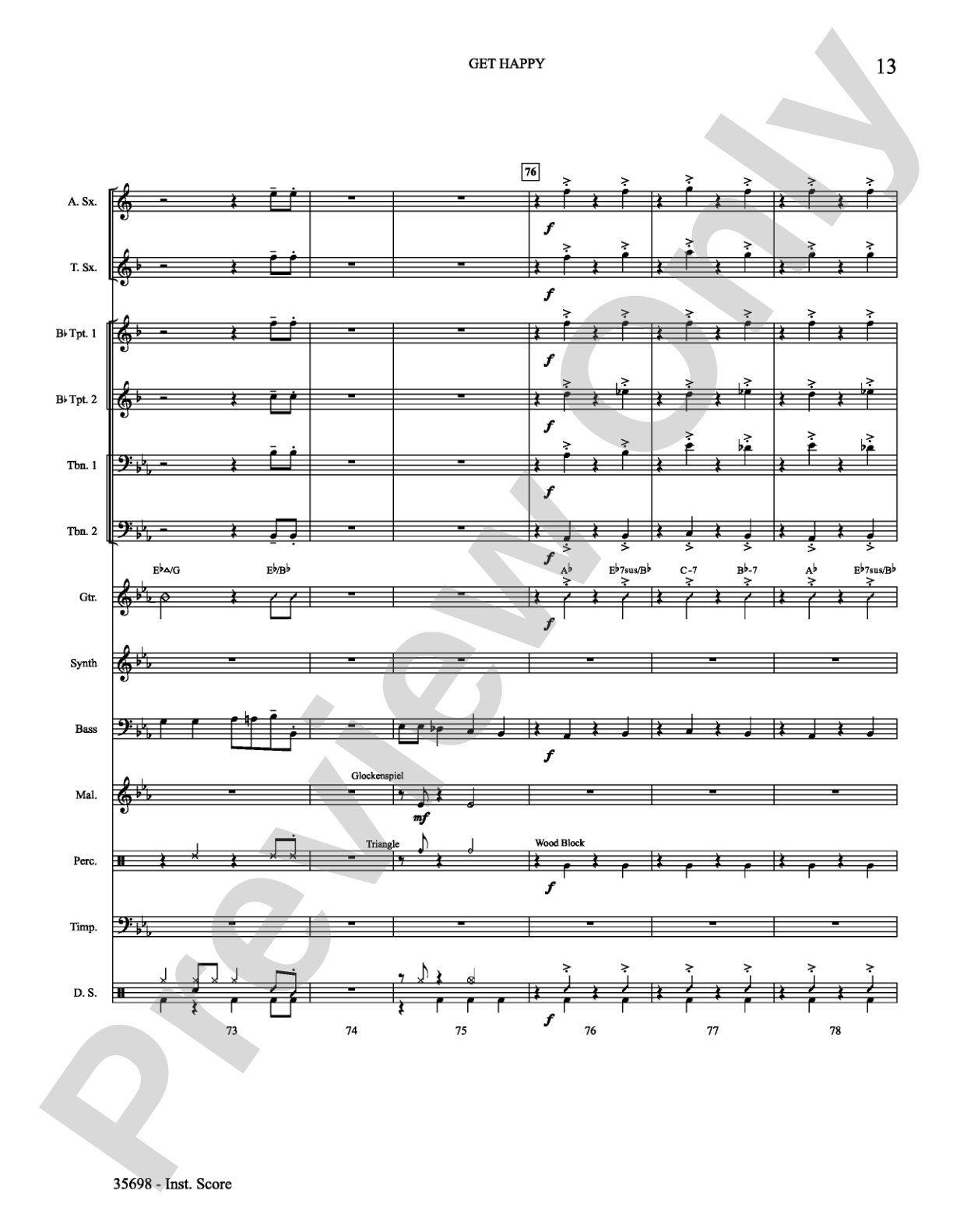
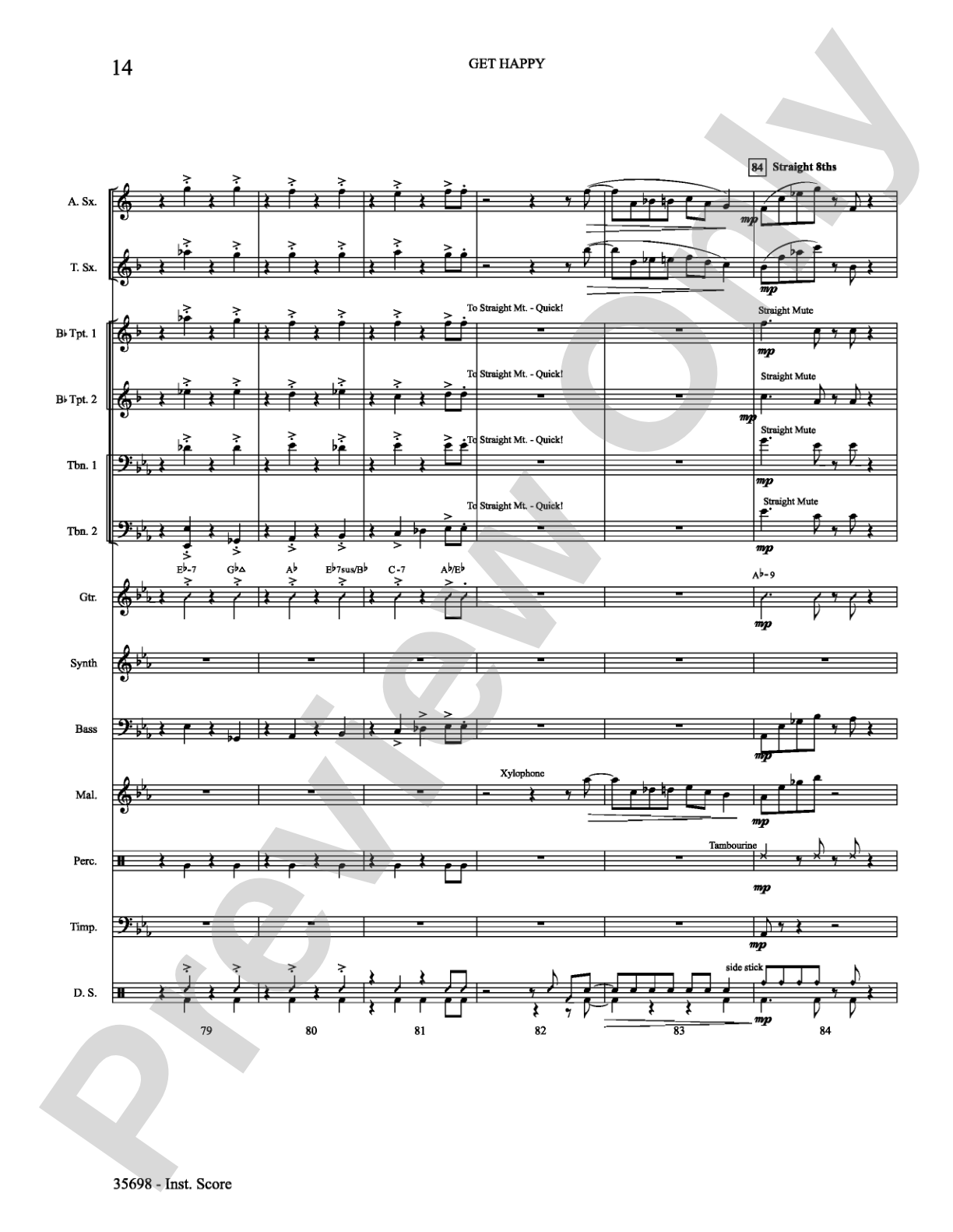
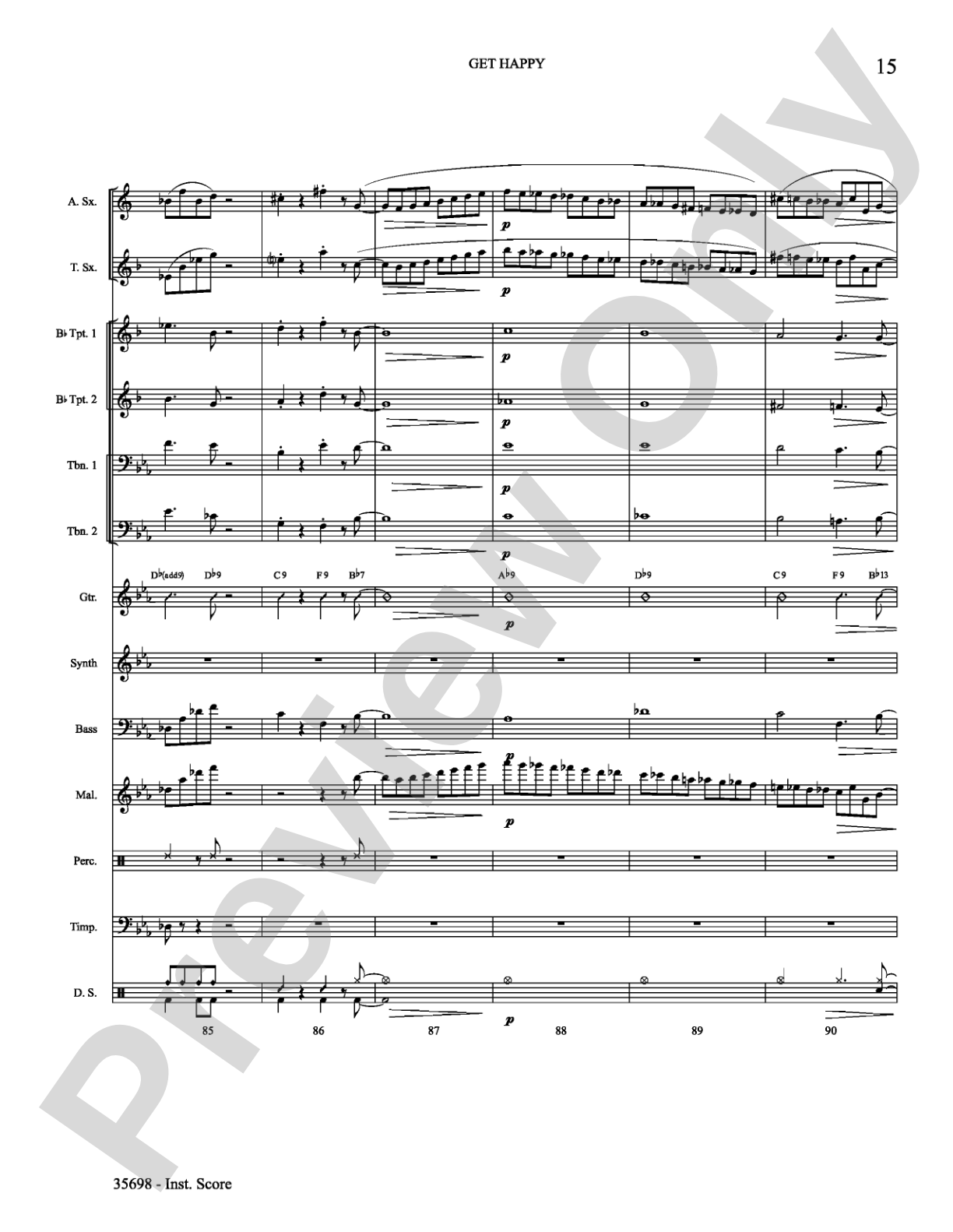
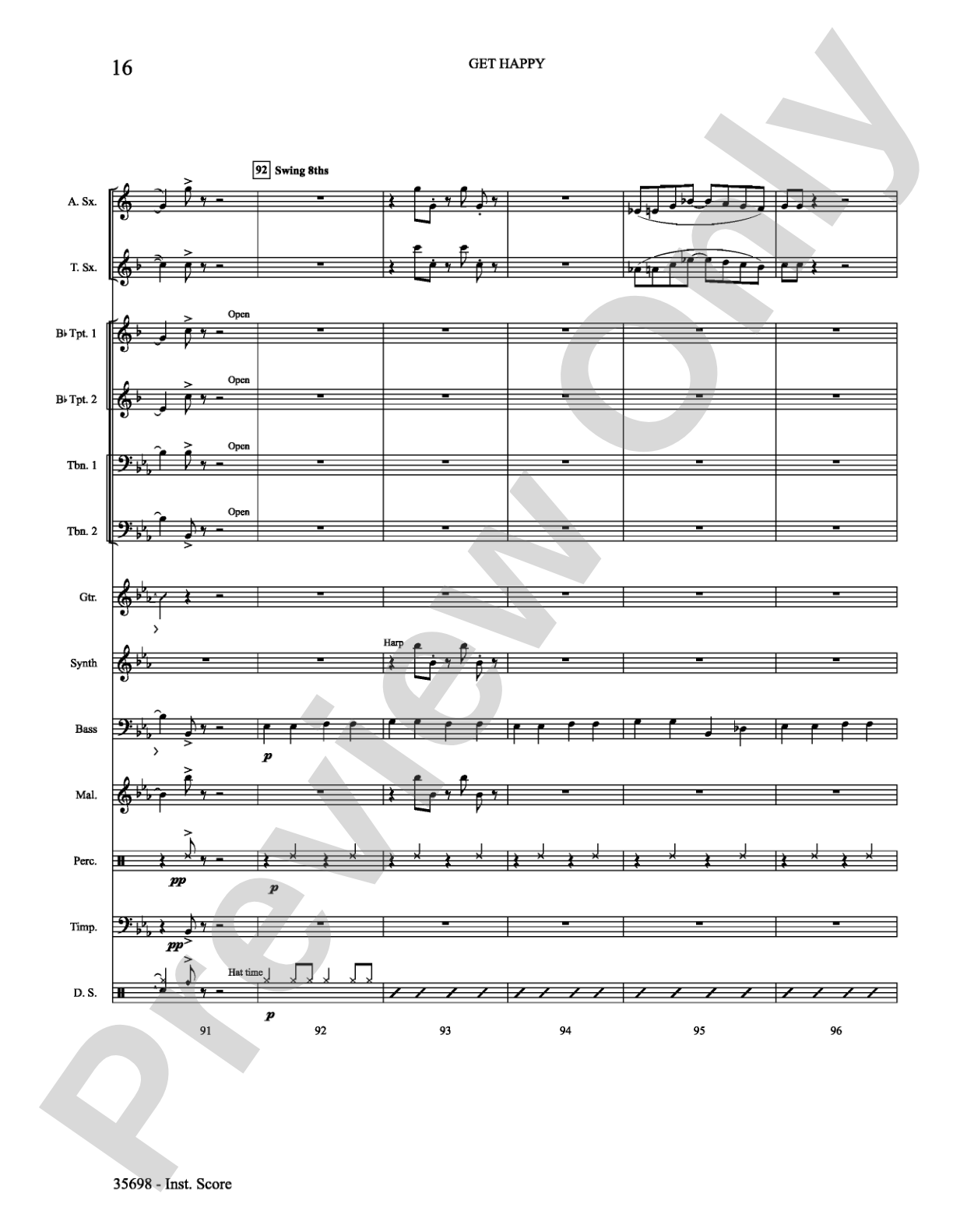
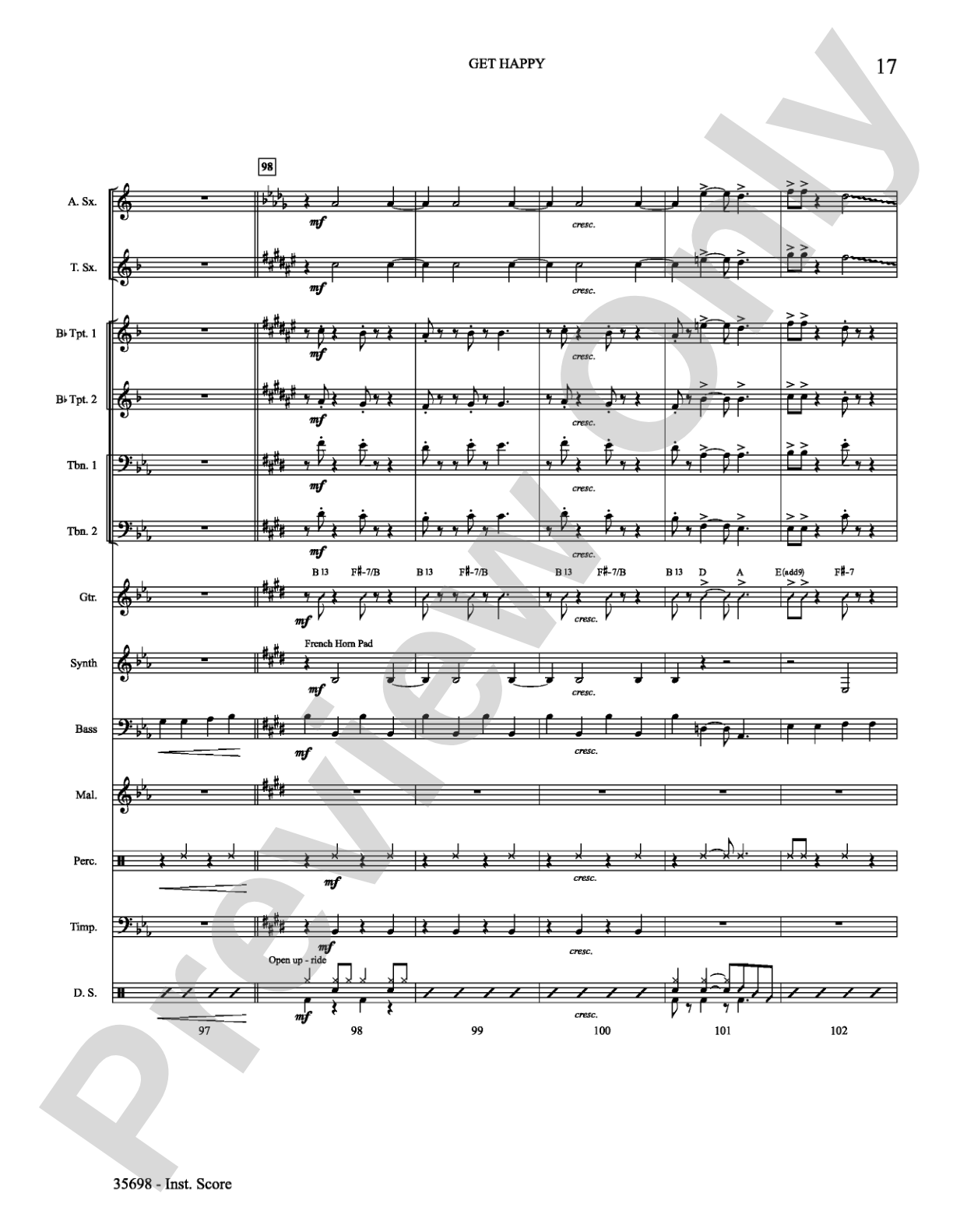
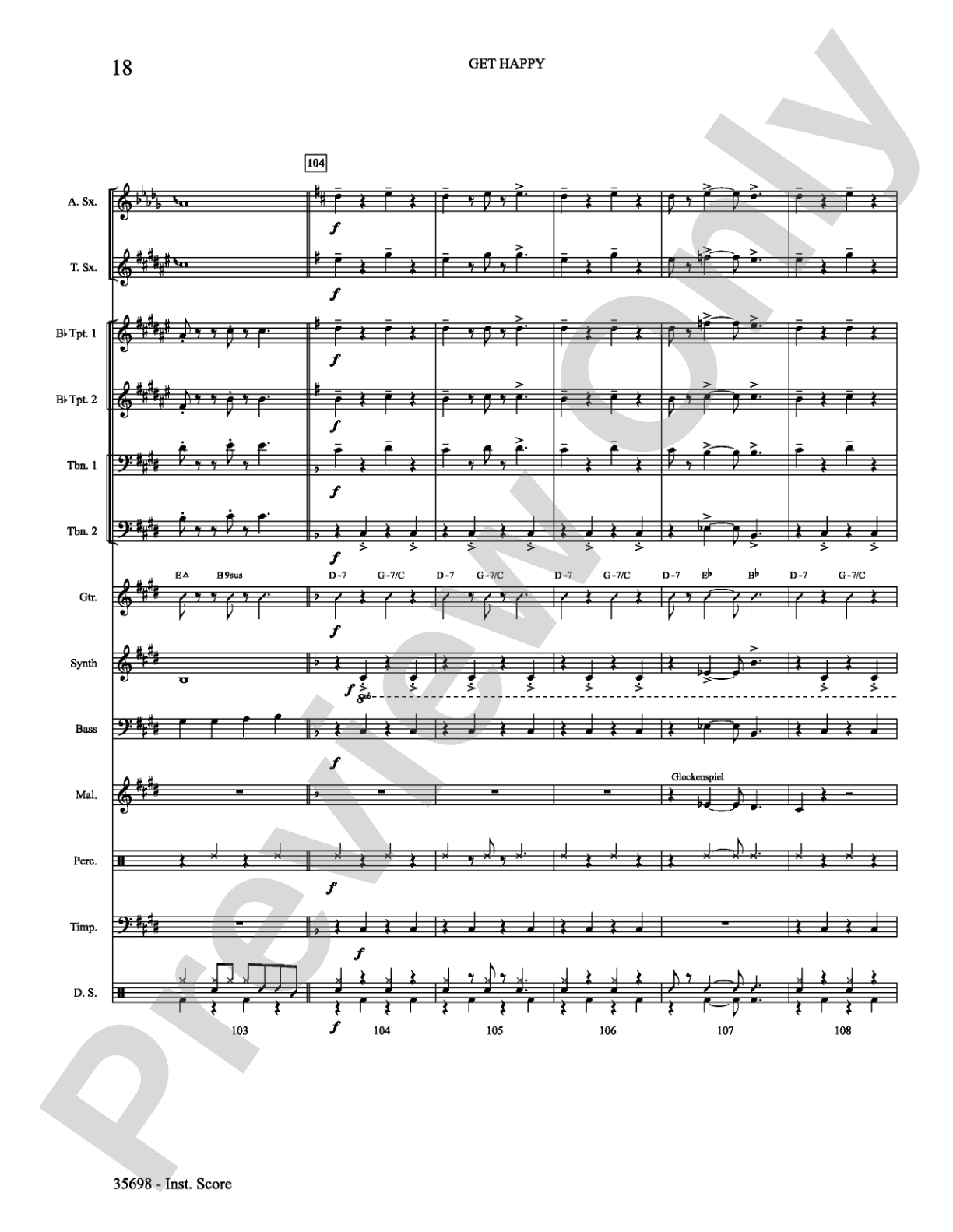
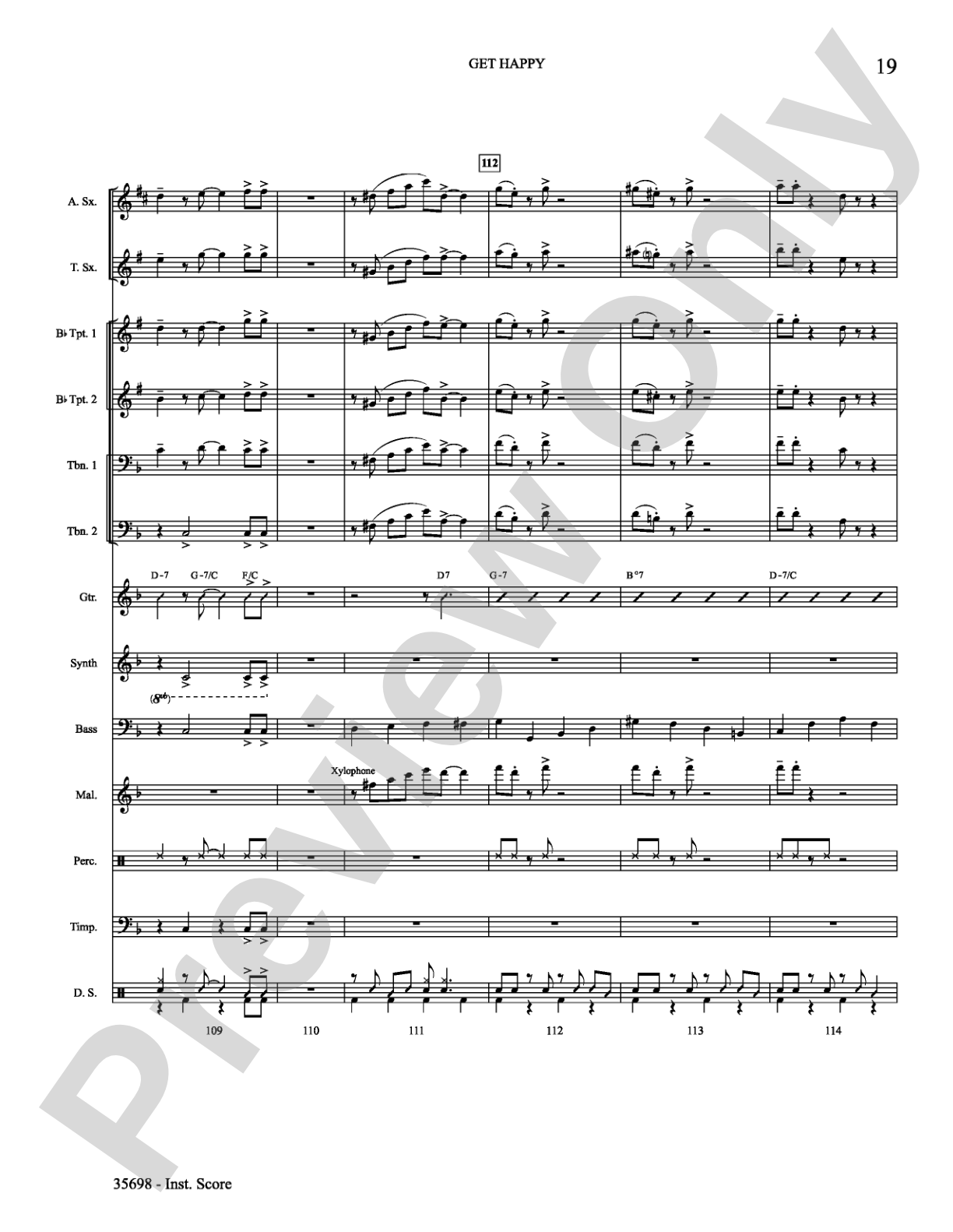
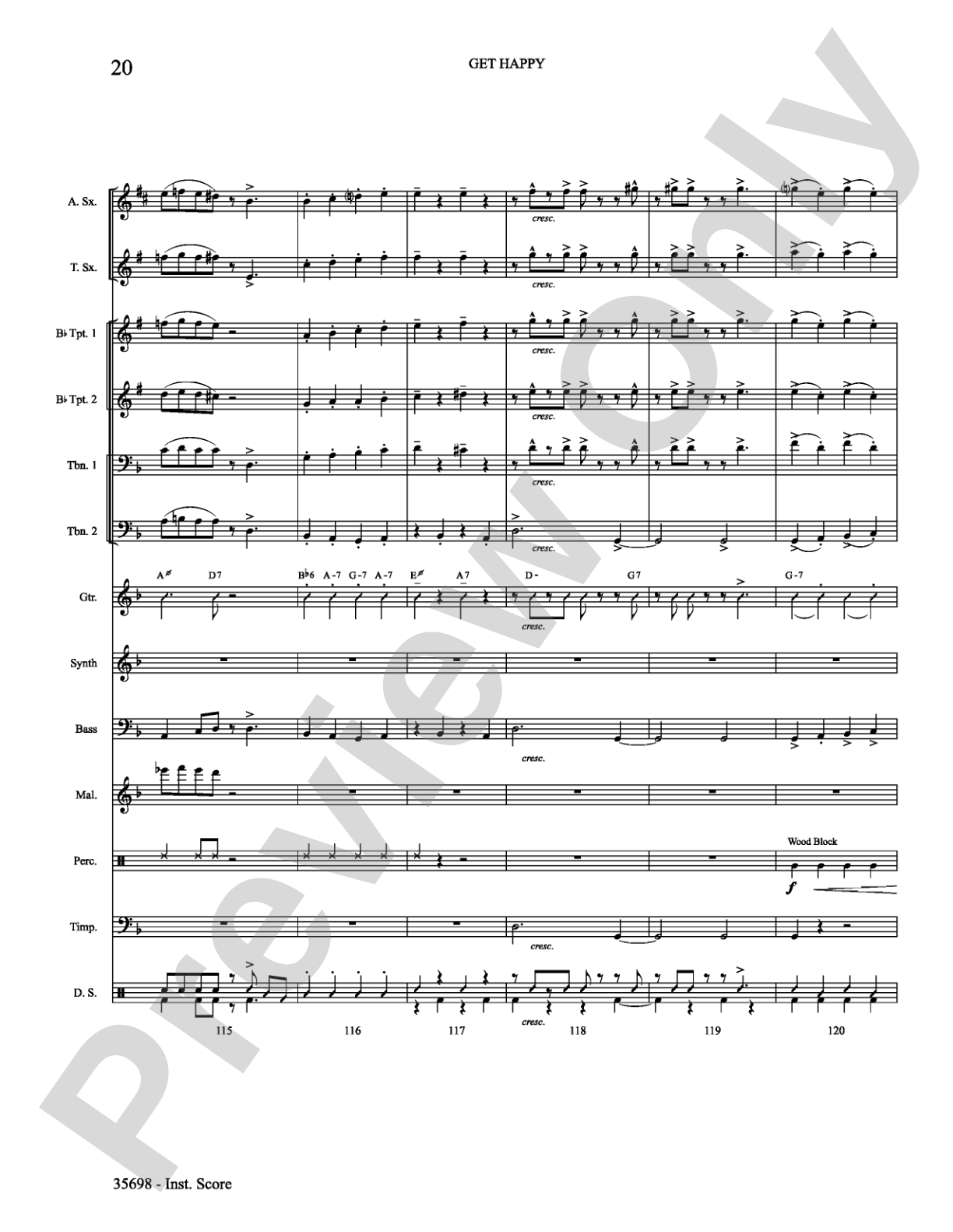




Get Happy: Choral SoundPax
Words and music by Harold Arlen and Ted Koehler / arr. Philip Kern
Item: 00-PK-0004678

$50.00
One moment…
Related Items
Get Happy: SoundTrax Digital Audio Download |
$26.99
|
View | |
Get Happy: SATB Choral Octavo |
$1.95
|
View | |
Get Happy: SSAB Choral Octavo |
$1.95
|
View | |
Get Happy: SSA Choral Octavo |
$1.95
|
View | |
Get Happy: SATB Choral Octavo |
$1.95
|
View | |
Get Happy: SSAB Choral Octavo |
$1.95
|
View | |
Get Happy: SSA Choral Octavo |
$1.95
|
View | |
Get Happy: Choral Octavo SoundTrax CD |
$26.99
|
View | |
Get Happy: Choral SoundPax |
$50.00
|
View |
Description
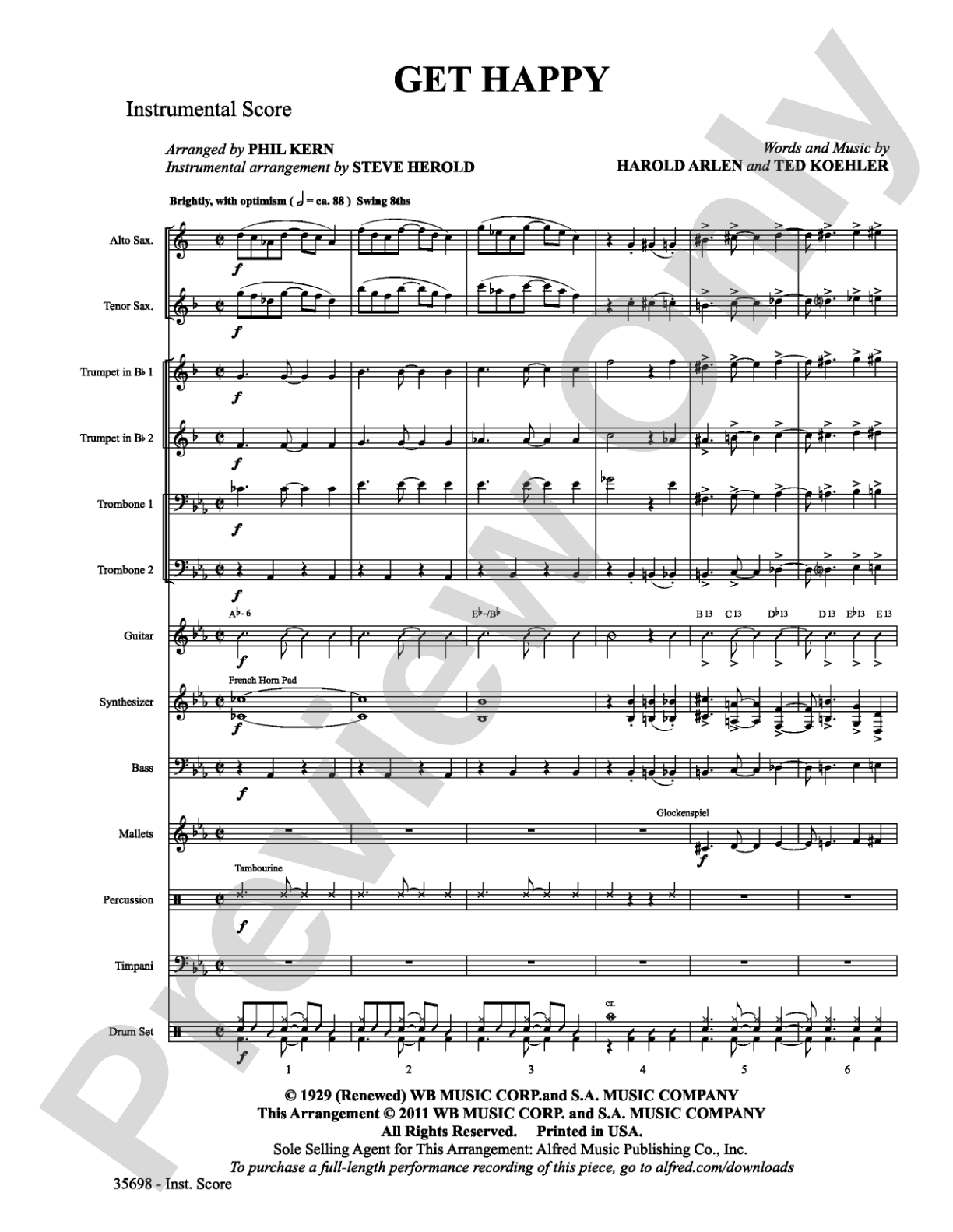
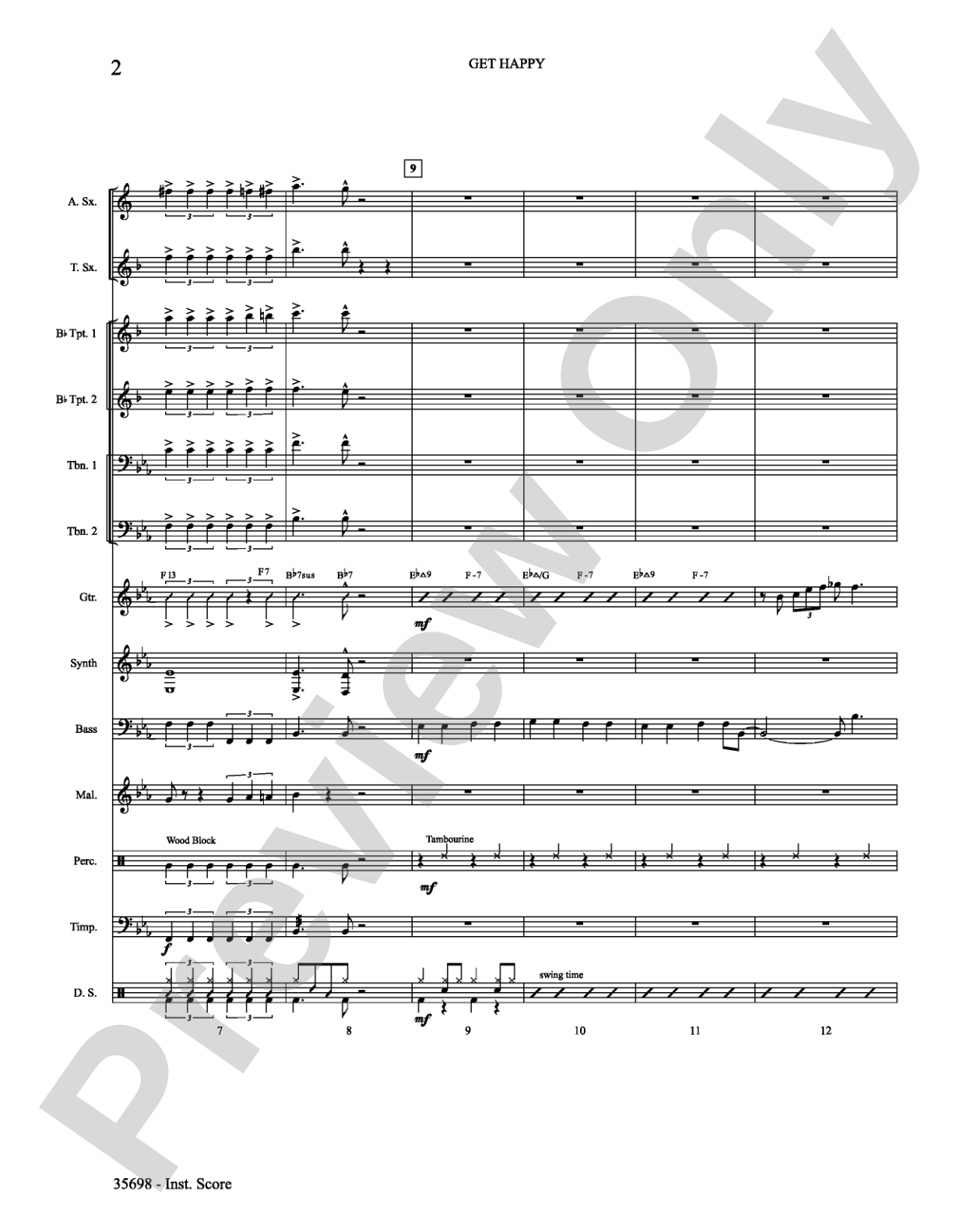
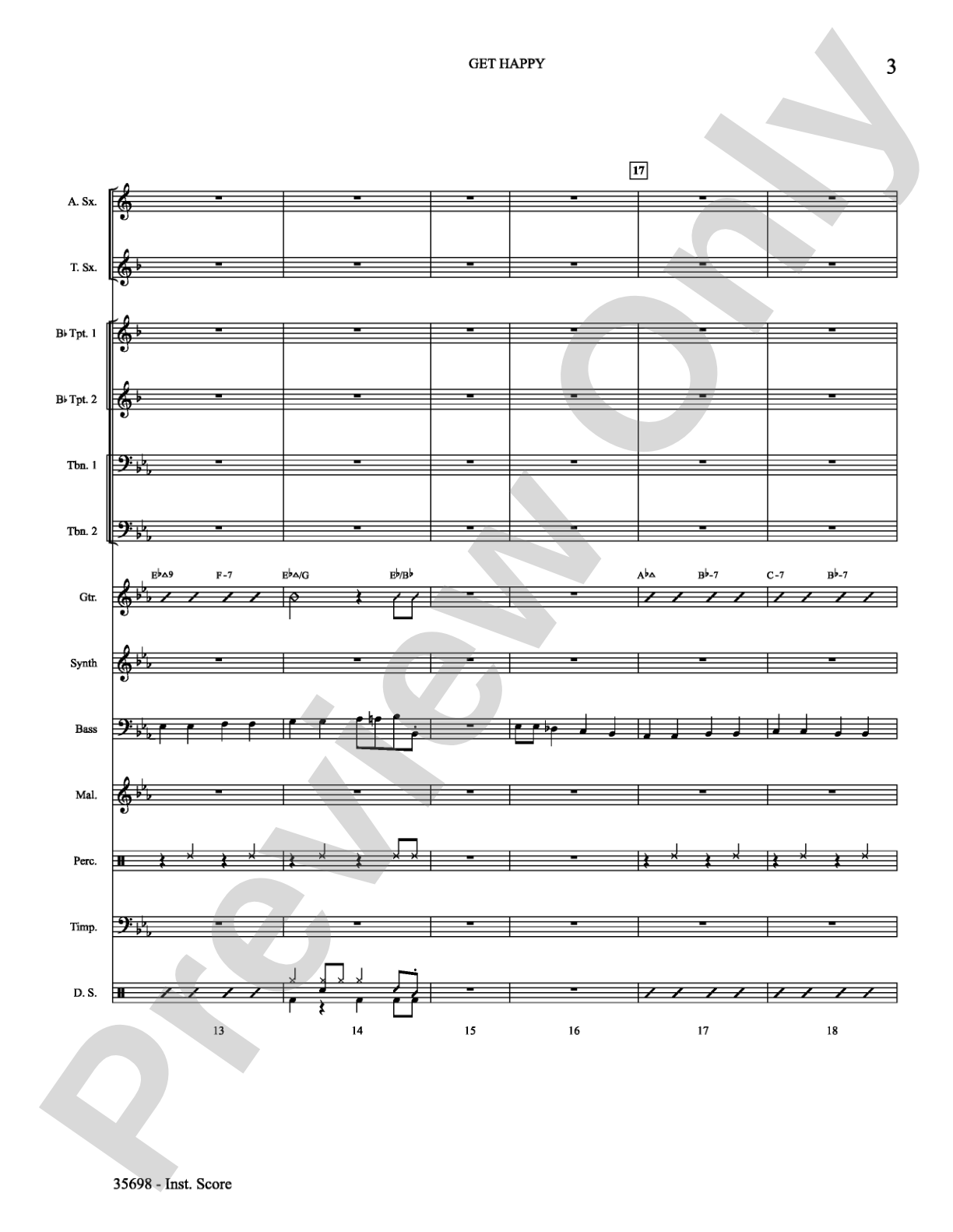
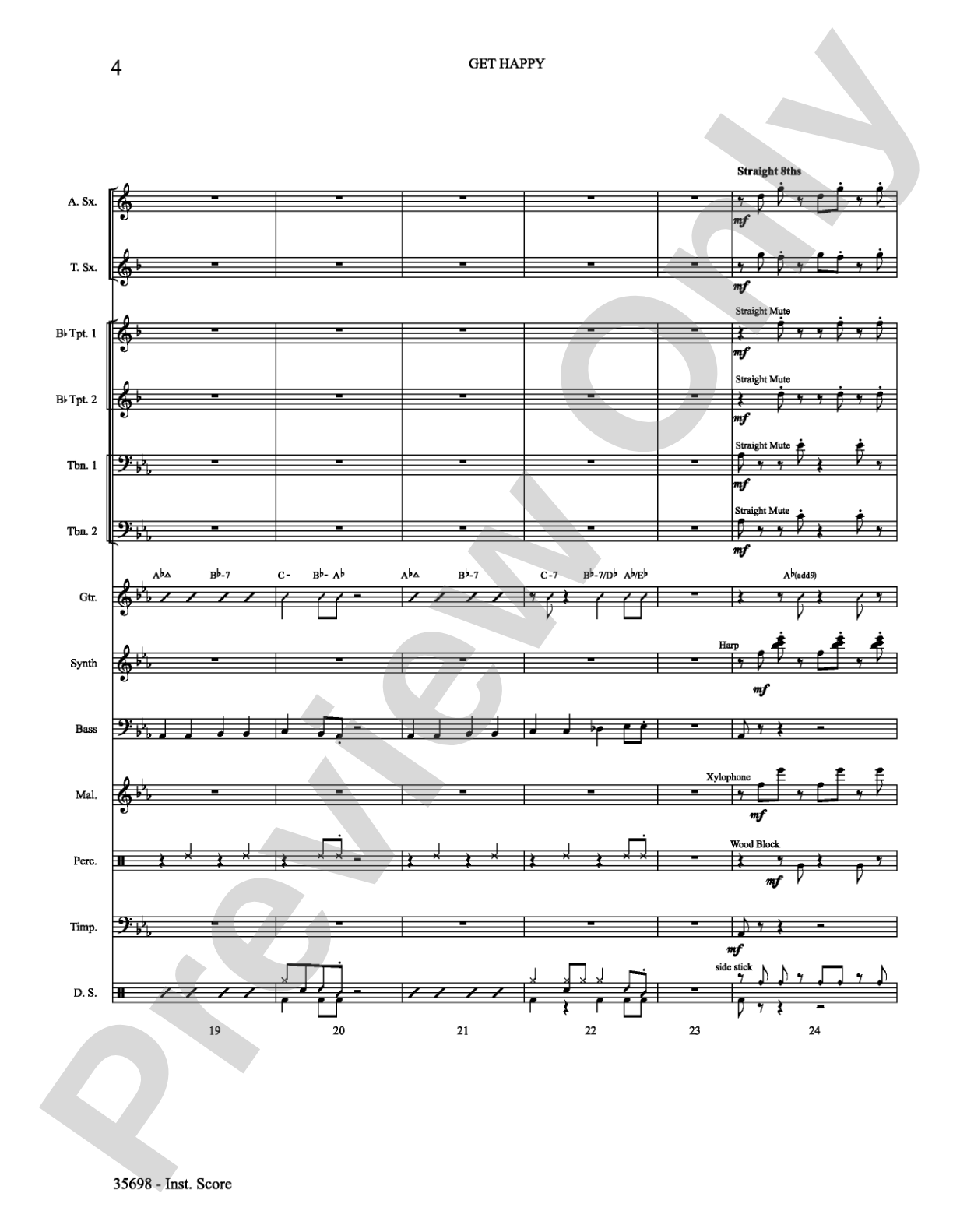
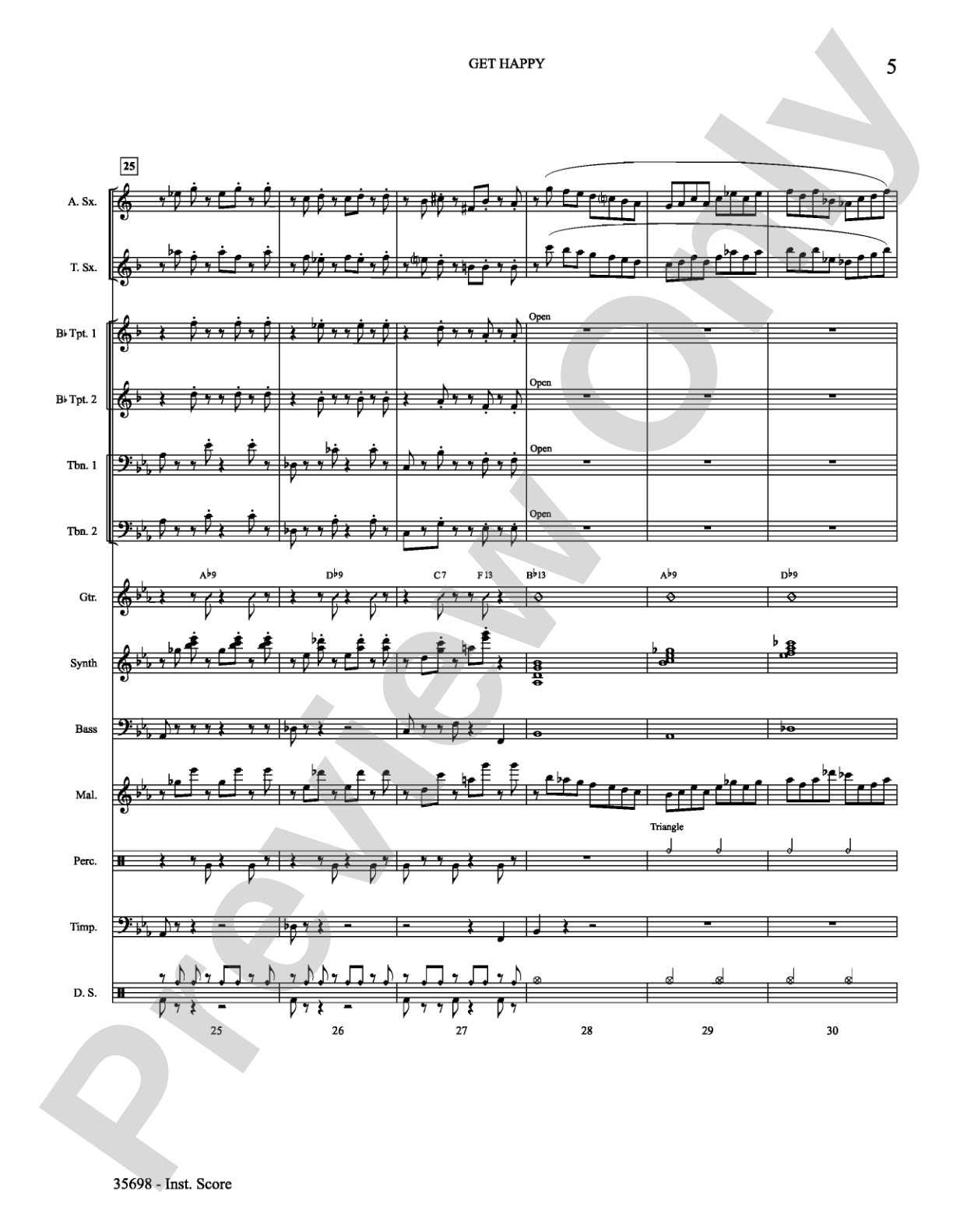
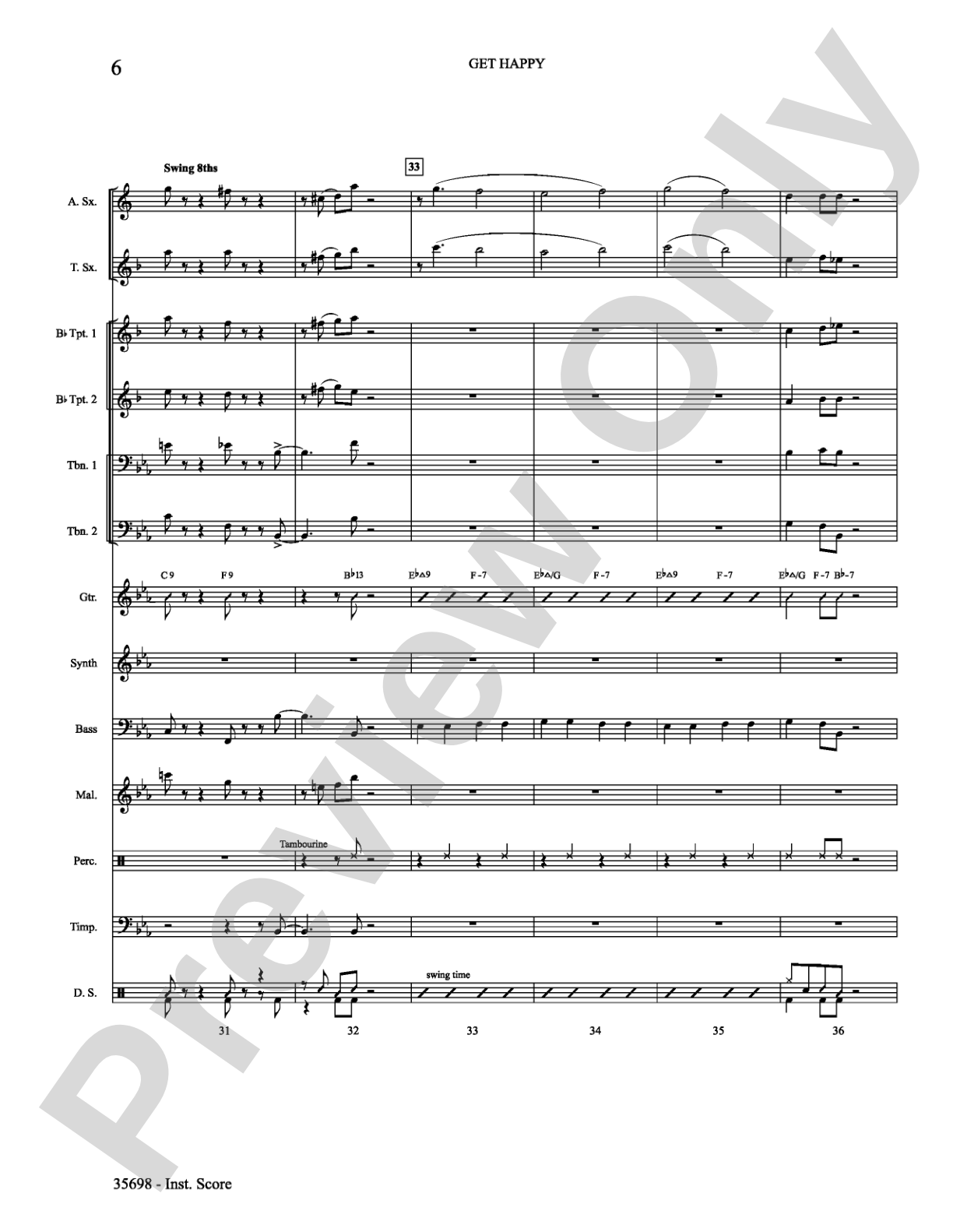
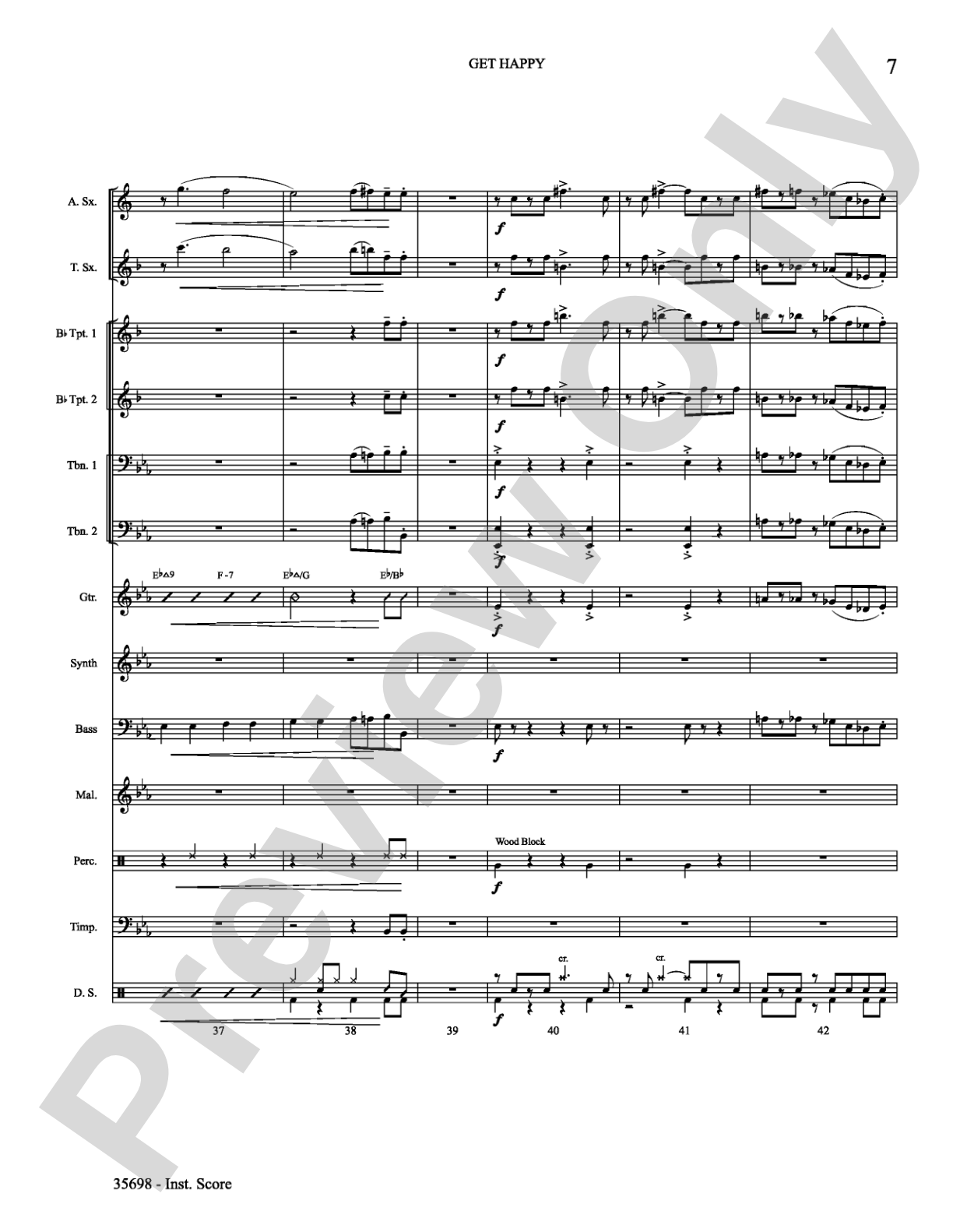
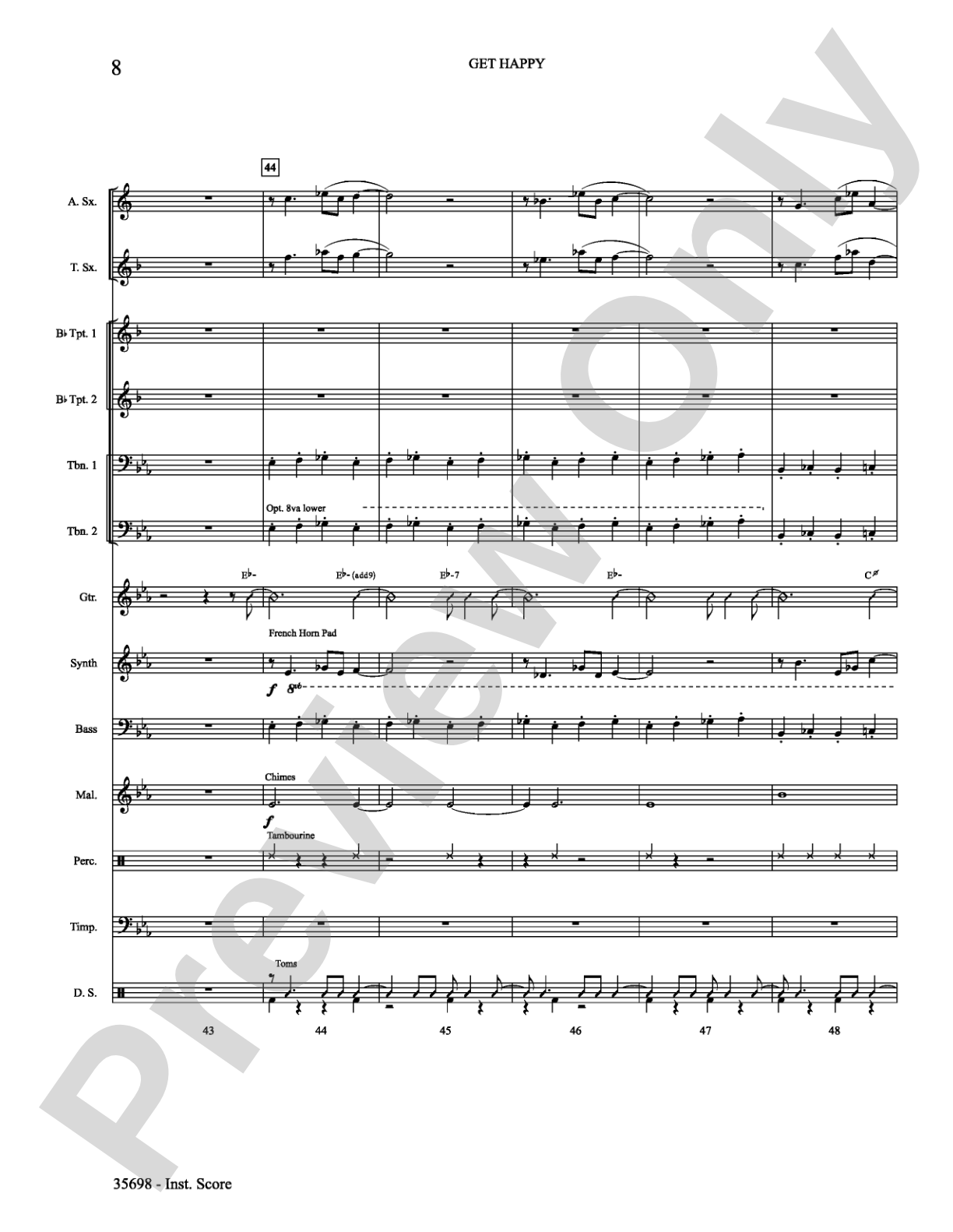
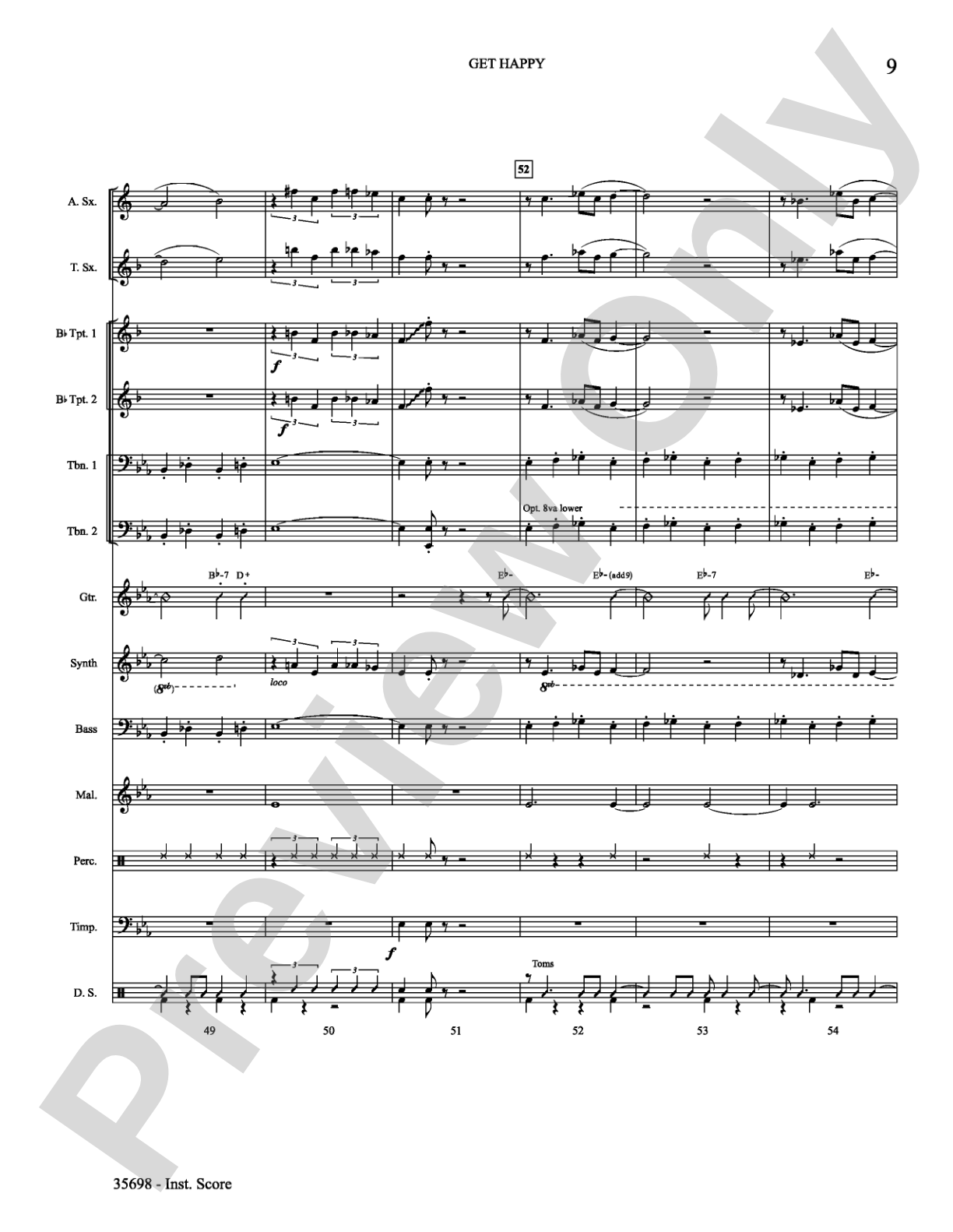
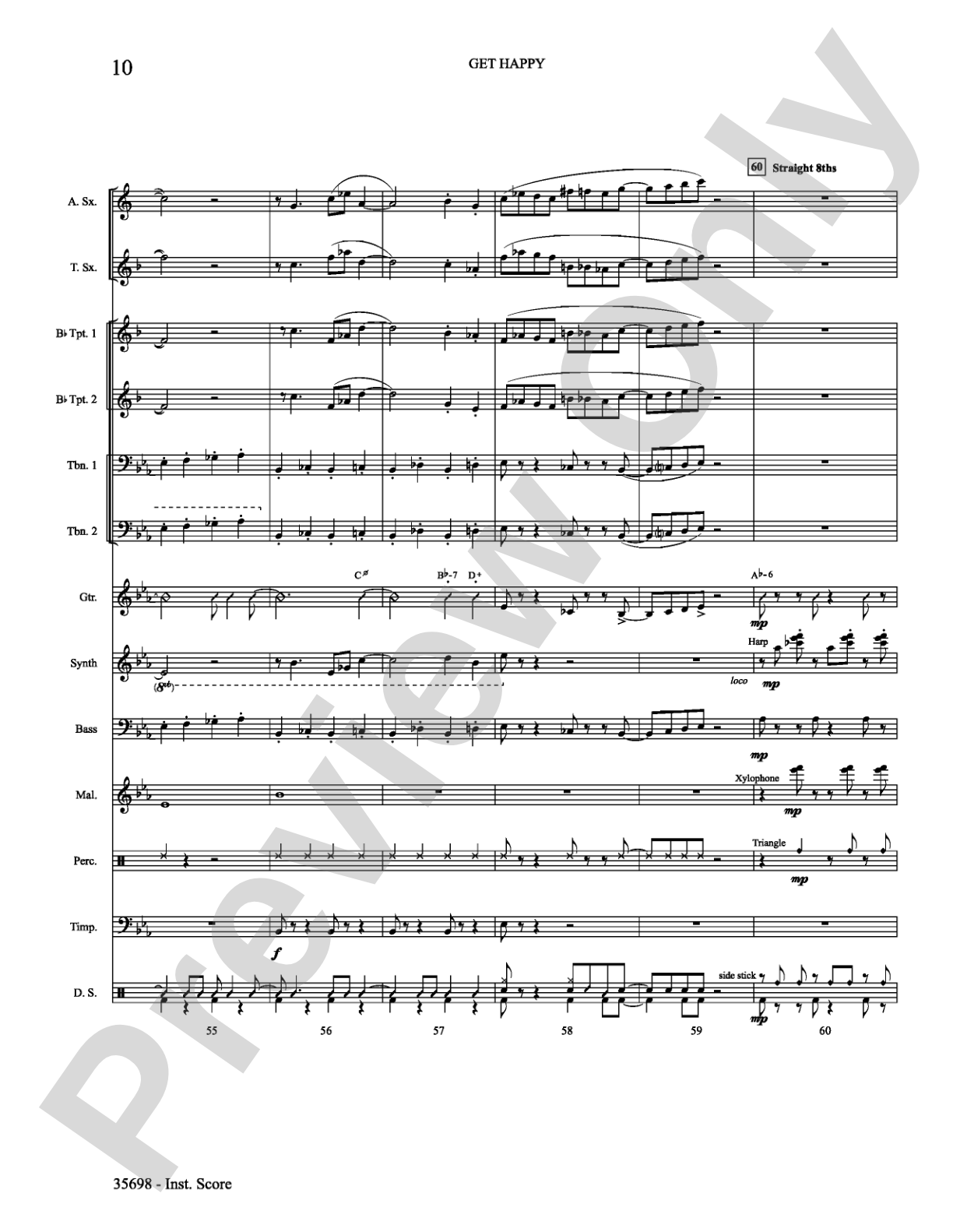
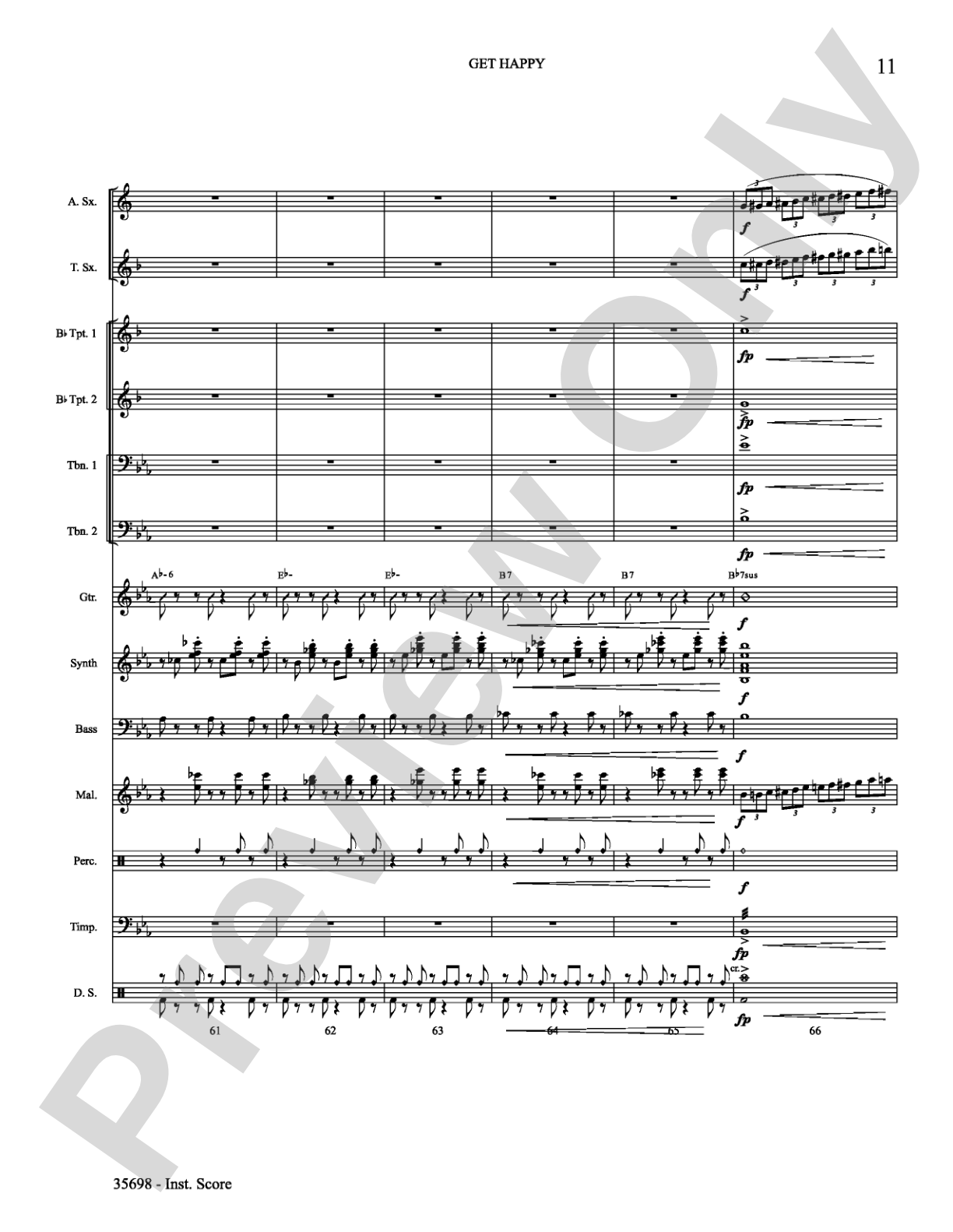
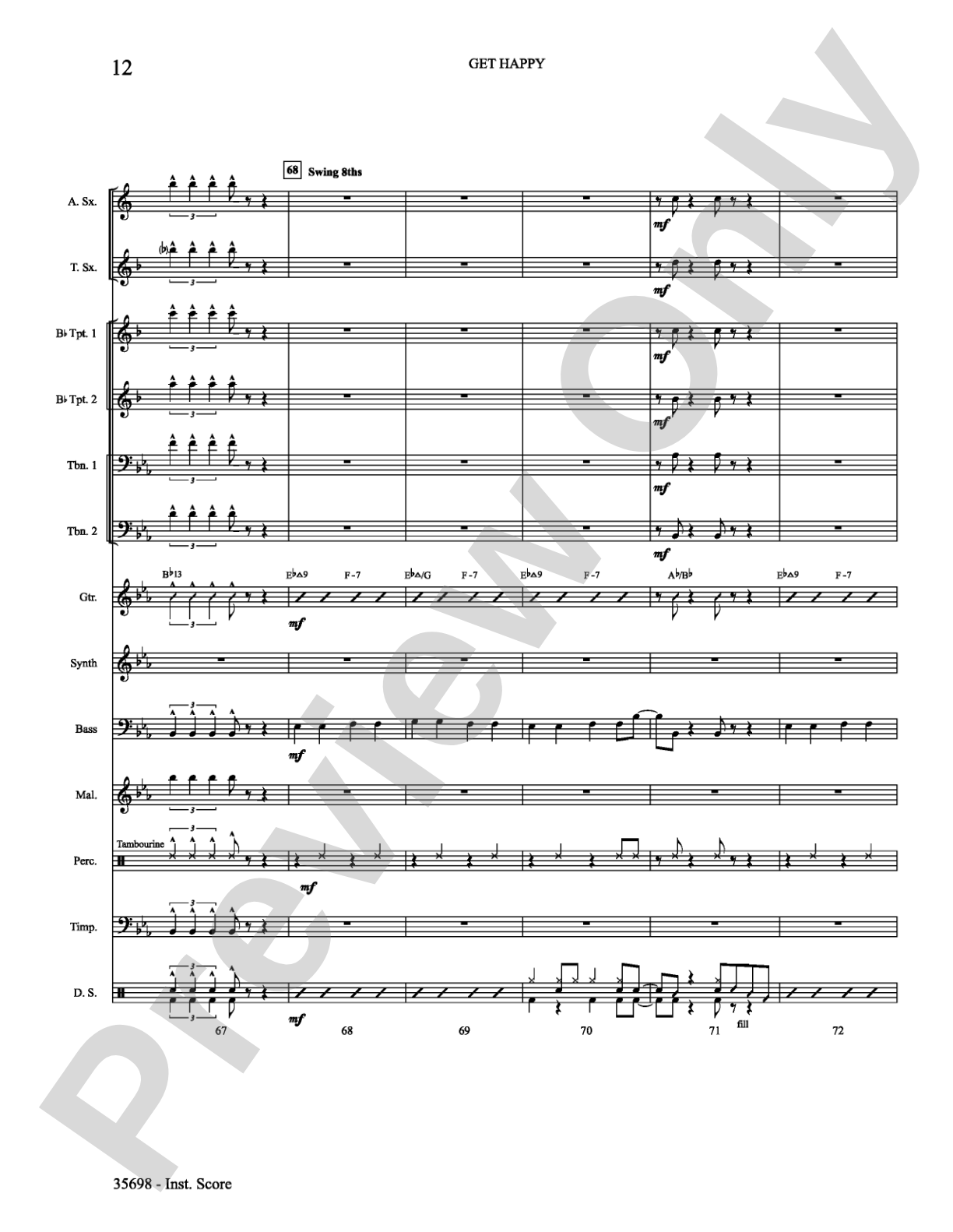
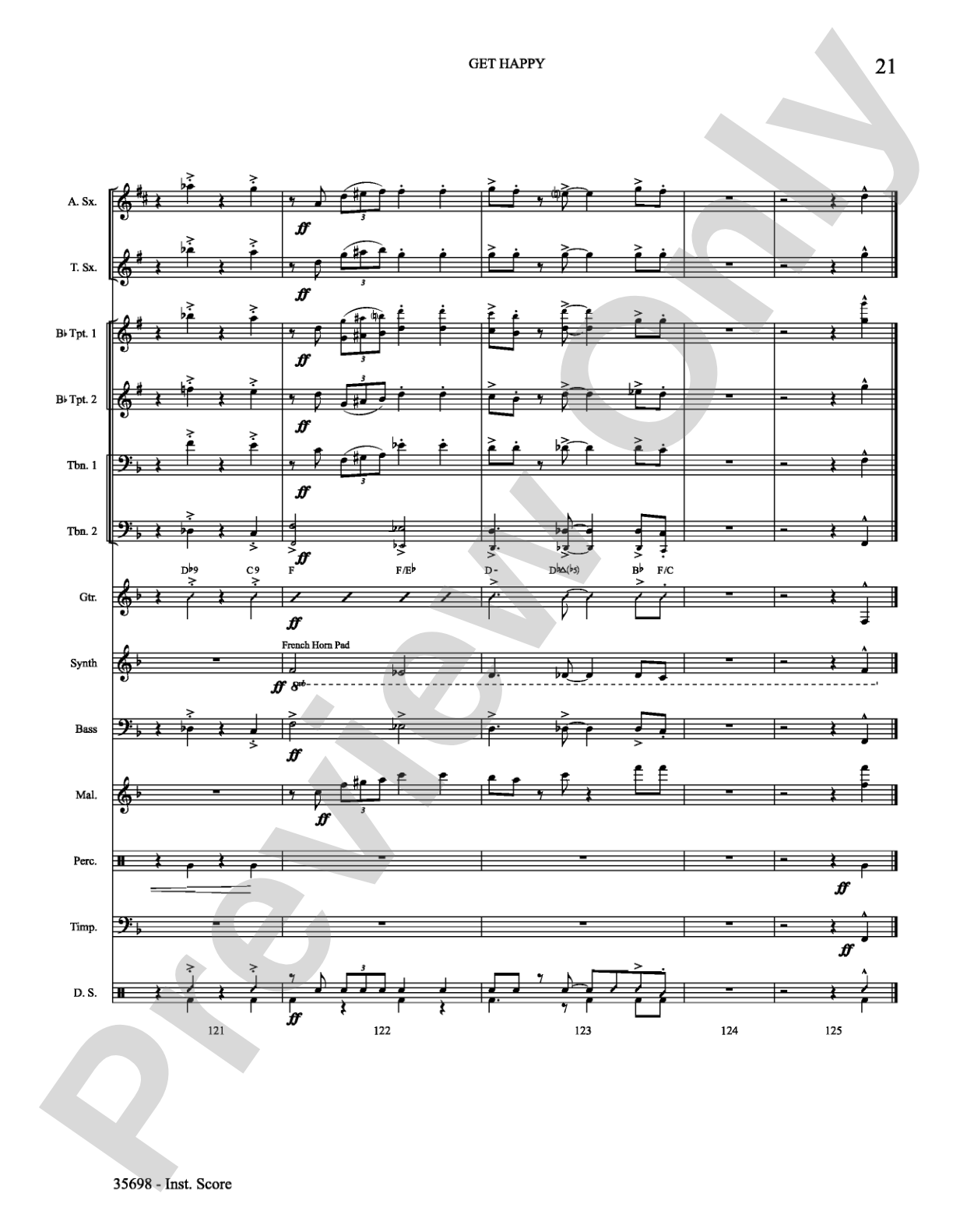
This was the first of many hits that Harold Arlen and Ted Koehler wrote together. It's most associated with Judy Garland, who performed "Get Happy" in her last MGM film Summer Stock. This incredible hot and jazzy arrangement really cooks from beginning to end! Parts include Score, Alto Saxophone, Tenor Saxophone, Trumpet 1, Trumpet 2, Trombone 1, Trombone 2, Guitar, Synthesizer, Bass, Mallets, Percussion, Timpani, Drumset. Featured on Showbiz! choral movement DVD (00-35858).


Don't just read it, hear it, play along with it, and watch your students grow with it. In MakeMusic Cloud, Get Happy: Choral SoundPax comes alive with professional accompaniment, adjustable tempo, and built-in practice tools that turn solo practice into real progress.
Open in the Player
Jump straight in and assign it today.
Start Your Free Trial
Open this title and explore the full library in minutes.
Sample Audio
1
Audio File
--:--
0:00
0:00
Sample Video
No sample videos found.
Additional Details
Series:
Alfred Pop Choral Series
Publisher:
Alfred Music
Page Count:
50
SKU:
00-PK-0004678
Instrumentation:
SoundPax
More about this title
About the Composer: Harold Arlen
Harold Arlen (1905-1986) composed some of Broadway and Hollywood's most enduring melodies, working across musical theater, film, and popular song. His gift for writing singable, sophisticated jazz-inflected tunes made him a favorite of major performers, and his collaborations with lyricist Ted Koehler in the early 1930s produced a string of standards that remain essential to the American songbook.
Arlen's harmonic language bridged popular accessibility and jazz complexity, a balance that continues to make his songs rewarding for choral arrangers and performers. His work demonstrates how vernacular music and refined composition can exist in the same piece, a lesson that shapes choral jazz repertoire to this day.
Why we love this
Philip Kern's arrangement captures everything that made "Get Happy" a showstopper: the energy, the swing, and the irresistible forward motion. A full jazz ensemble accompaniment turns this into a performance piece that feels completely of-the-moment, even nearly a century after the song's premiere. Your choir will experience what professional-level choral jazz writing sounds like, and your audiences will remember the energy for weeks.
What to expect
"Get Happy" radiates optimism with edge. The arrangement builds on Judy Garland's original interpretation, packing tight horn soli, walking bass lines, and rhythmic vitality that never lets the energy dip. This is a piece that makes audiences smile before the first verse ends.
Who it's for
Choirs with access to a jazz ensemble or the ability to use the recorded accompaniment and instrumental parts. This works for show choirs, advanced mixed ensembles, and any program that values contemporary choral jazz. You'll need singers comfortable with syncopation and jazz articulation, but the part-writing remains accessible.
How to get the most out of it
- Keep the pulse grounded in the back line (bass and drums). The arrangement's propulsive swing depends on absolute rhythmic clarity from your rhythm section; lock in during rehearsal before adding vocal layers.
- Shape the melody with jazz phrasing rather than classical legit tone. "Get Happy" thrives on rhythmic definition and slight syncopation; encourage singers to articulate and breathe in places that emphasize the lyric's natural speech patterns.
- Balance the saxophone and trumpet lines as textural colors rather than soloists competing with the choir. These instruments weave in and out; they should feel like extensions of the choral sound, not separate conversations.
- Trust the groove. Once rhythms lock, back off the conducting detail and let the arrangement's built-in momentum carry the piece. Arlen and Koehler's original song design already propels itself; your job is to not get in the way.
How to use it
Program this in a concert block focused on standards or film classics, pairing it with other Great American Songbook repertoire to create a cohesive first half. It also anchors a jazz or popular music set and works as a concert opener or closer when you want immediate audience connection. The movement and staging options make it valuable for shows that blend concert singing with theatrical presentation.
Skills your students will build
- Jazz phrasing and swing articulation
- Reading and executing syncopated rhythms in ensemble
- Blending with instrumental sections and ensemble percussion
- Interpreting choreography and staging cues within musical performance
- Understanding big band and jazz ensemble texture and balance