For the Children Cover Image

For the Children: 2-Part Choral Octavo

$2.25 USD
Sale price  $2.25 USD Regular price 
Skip to product information
For the Children Cover Image

For the Children: 2-Part Choral Octavo

Music by Sally K. Albrecht and Jay Althouse

Item: 00-16288

makemusic Cloud badge

Need it now?

Buy Digital Version
$2.25
Shipped

One moment…

Description
This piece opens with a quiet optional solo for any voice, builds with a powerful message ("We must do it for the children: save the earth.") then ends as gently and quietly as it began, with another optional solo. Ranges are comfortable for all parts. InstruPax includes: director's score, 2 trumpets, alto sax, trombone [opt. tenor sax], rhythm.

Don't just read it, hear it, play along with it, and watch your students grow with it. In MakeMusic Cloud, For the Children: 2-Part Choral Octavo comes alive with professional accompaniment, adjustable tempo, and built-in practice tools that turn solo practice into real progress.

Sample Pages

Sample Audio
No sample audio found.
Sample Video
Additional Details
Series: Alfred Archive Edition: Alfred Choral Designs
Publisher: Alfred Music
Page Count: 8
UPC: 038081136257
SKU: 00-16288

More about this title

About the Composer: Sally K. Albrecht
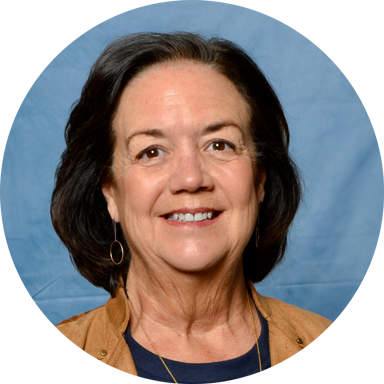
Sally K. Albrecht

Sally K. Albrecht brings three decades of publishing expertise and choral artistry to her compositions. As Director of School Choral, Vocal, and Elementary Publications at Alfred Music, she shaped educational choral repertoire while maintaining an active career as a conductor and clinician, leading honor choirs at Lincoln Center, Carnegie Hall, and The Kennedy Center. An ASCAP award recipient since 1987, Albrecht has published over 600 choral works and 75 larger productions for educational and community ensembles.

Her academic background spans music and theater, with degrees from Rollins College, the University of Miami (M.A. in Drama and M.M. in Accompanying), and teaching appointments at Oakland University, Jersey City State College, and Meredith College. Albrecht is particularly recognized for her innovative use of choral movement and her ability to craft meaningful texts that resonate with young singers. She resides in North Carolina with her husband, composer and arranger Jay Althouse.

Why we love this

Albrecht and Althouse have crafted a piece with genuine emotional arc: the quiet opening solo immediately signals intimacy, the central message lands with full ensemble power, and the return to stillness gives singers a chance to reflect on what they've just sung rather than end in a state of vocal climax. For spring programming, especially around Earth Day, this octavo delivers both the earnestness young singers need and the musical substance that keeps directors engaged.

What to expect

The piece breathes like a conversation: intimate and questioning at first, then direct and resolute when the full message arrives, then returning to thoughtfulness. Singers experience the emotional logic of beginning softly, speaking truth with conviction, and ending in quiet commitment, which creates a meaningful arc they can feel rather than simply execute.

Who it's for

Middle and high school choirs with developing singers who benefit from comfortable, accessible ranges and straightforward part writing. This piece works equally well for treble-dominant choirs and mixed ensembles new to paired voicing, making it ideal for growing programs looking to build confidence without sacrificing musical substance.

How to get the most out of it

  • Shape the optional opening solo as a genuine invitation into the piece, not a throwaway moment. Whichever voice takes this part should feel the weight of beginning something important.
  • Build the dynamic arc toward the central message carefully; the contrast between the gentle framing and the powerful declaration will land harder if you don't rush the journey between them.
  • Balance the rhythm section and horn parts so they support rather than overshadow the choir's harmonic movement, especially in the quieter sections where blend matters most.
  • Use the recorded accompaniment to lock in the rhythm and harmonic foundation, then remove it in rehearsal to strengthen the choir's internal pitch awareness and independence.

How to use it

Program this as a centerpiece for a spring concert focused on social responsibility or environmental themes, or use it as a standalone moment of reflection within a broader thematic program. The modest length and clean musical architecture also make it an effective festival selection that doesn't require extended rehearsal time but still gives singers something substantial to prepare.

Skills your students will build

  • Singing sustained, controlled dynamics in the pianissimo sections while maintaining vocal tone and breath support
  • Balancing treble and lower voices in 2-part harmony across diverse dynamic ranges
  • Responding to text-driven expression and understanding how quiet singing can carry emotional weight equal to powerful singing
  • Coordinating with instrumental accompaniment (brass and rhythm section) while maintaining independence of the vocal parts
  • Building awareness of phrase shape and emotional narrative within a single piece

You May Also Like
