For the Children Cover Image

For the Children: 3-Part Mixed Choral Octavo

$2.25 USD
Sale price  $2.25 USD Regular price 
Skip to product information
For the Children Cover Image

For the Children: 3-Part Mixed Choral Octavo

Music by Sally K. Albrecht and Jay Althouse

Item: 00-16287

makemusic Cloud badge

Need it now?

Buy Digital Version
$2.25
Shipped

One moment…

Description
This piece opens with a quiet optional solo for any voice, builds with a powerful message ("We must do it for the children: save the earth.") then ends as gently and quietly as it began, with another optional solo. Ranges are comfortable for all parts. InstruPax includes: director's score, 2 trumpets, alto sax, trombone [opt. tenor sax], rhythm.

Don't just read it, hear it, play along with it, and watch your students grow with it. In MakeMusic Cloud, For the Children: 3-Part Mixed Choral Octavo comes alive with professional accompaniment, adjustable tempo, and built-in practice tools that turn solo practice into real progress.

Sample Pages

Sample Audio
No sample audio found.
Sample Video
Additional Details
Series: Alfred Archive Edition: Alfred Choral Designs
Publisher: Alfred Music
Page Count: 8
UPC: 038081136240
SKU: 00-16287

More about this title

About the Composer: Sally K. Albrecht
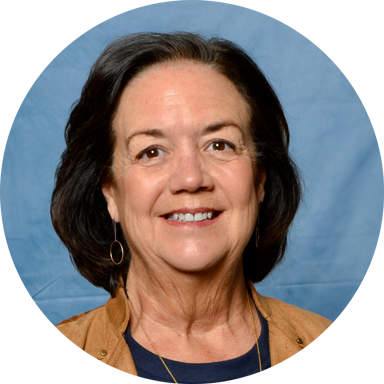
Sally K. Albrecht

Sally K. Albrecht has established herself as one of the most prolific voices in American choral music, with more than 600 published choral works and 75 larger-scale musicals and songbooks currently in print. A clinician and conductor known for integrating movement into choral performance, she has led honor choirs at major venues including Lincoln Center, Carnegie Hall, and The Kennedy Center, and received the ASCAP Special Music Award annually since 1987. For over thirty years, she directed school choral and vocal publications at major educational publishers, most recently at Alfred Music. She has taught at Oakland University, Jersey City State College, and Meredith College.

A Florida native, Albrecht holds a B.A. from Rollins College in Music and Theater (1976), an M.A. in Drama from the University of Miami (1977), and an M.M. in Accompanying from the University of Miami (1979). She has served as Chair of the Board of Trustees for the Omicron Delta Kappa National Leadership Honor Society and received their "Pillar of Leadership" award. In 2021, both the University of Miami Frost School of Music and Rollins College honored her with Distinguished Alumna Awards. She lives in Wake Forest, North Carolina, with her husband, composer and arranger Jay Althouse.

Why we love this

Albrecht and Althouse craft a piece that works on multiple levels: the gentle bookending solos create intimate moments, the central environmental message lands with real conviction, and the SAB voicing keeps ranges accessible without sacrificing emotional impact. The optional brass and rhythm accompaniment transforms this from a simple choral piece into something with genuine orchestral presence, making it equally effective in a spring concert or an Earth Day assembly.

What to expect

The piece moves like a conversation: intimate, then urgent, then reflective again. There is real warmth in the message without sentimentality, and the arc from quiet to powerful and back to quiet gives singers a journey that feels both brief and complete.

Who it's for

Directors seeking meaningful repertoire that speaks to social responsibility without preaching will find this accessible for SAB or mixed choirs at the middle school through adult level. The comfortable ranges and optional solo lines make it flexible for ensembles of varying sizes and vocal strength.

How to get the most out of it

  • Shape the opening solo with vulnerability and space; let the silence before the choir enters do its work. This contrast amplifies the power of the full ensemble's entrance.
  • Emphasize clarity on the central message ("We must do it for the children: save the earth"). The text carries the piece, so diction and forward momentum matter more than lush harmony.
  • If using the optional brass and rhythm parts, keep them lean in the opening and closing sections. The accompaniment should support, not overshadow, the choir's quiet passages.
  • Mirror the opening solo's character when returning to it at the end. Consistency creates closure.

How to use it

Program this as a spring concert centerpiece or anchor for an Earth Day event, where its contemporary social message and accessible vocal writing serve both choral and general audiences. It also works well alongside other environmental or hope-focused selections, or as a standalone moment of reflection in a broader concert narrative.

Skills your students will build

  • Balancing dynamic contrast over a short arc (ppp to forte to ppp)
  • Clear text delivery and projection in a message-driven piece
  • Responding to optional solo singers and ensemble entrances
  • Working with brass and rhythm accompaniment in a SAB voicing

You May Also Like
