For the Children Cover Image

For the Children: Choral Octavo SoundTrax CD

$19.95 USD
Sale price  $19.95 USD Regular price 
Skip to product information
For the Children Cover Image

For the Children: Choral Octavo SoundTrax CD

Music by Sally K. Albrecht and Jay Althouse

Item: 00-16422

$19.95
Shipped

One moment…

Description
This piece opens with a quiet optional solo for any voice, builds with a powerful message ("We must do it for the children: save the earth.") then ends as gently and quietly as it began, with another optional solo. Ranges are comfortable for all parts. InstruPax includes: director's score, 2 trumpets, alto sax, trombone [opt. tenor sax], rhythm.

For the Children: Choral Octavo SoundTrax CD isn't in MakeMusic Cloud just yet...but it could be. Let us know you'd like to see it, and you'll help shape what comes next. In the meantime, start a free trial and dive into thousands of interactive titles your students can play along with today.

Sample Pages

No sample pages found.

Sample Audio
No sample audio found.
Sample Video
Additional Details
Series: Alfred Choral Designs
Publisher: Alfred Music
UPC: 038081136264
SKU: 00-16422

More about this title

About the Composer: Sally K. Albrecht
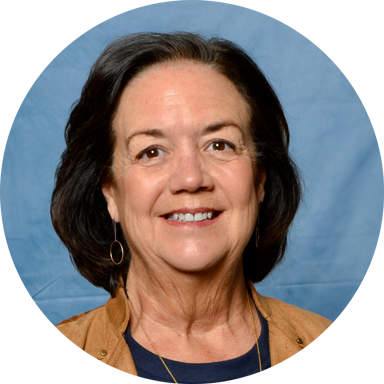
Sally K. Albrecht

Sally K. Albrecht has shaped American choral music for decades as a composer, conductor, and clinician with a distinctive focus on movement and engagement. Since 1987, she has been a consistent recipient of the ASCAP Special Music Award and maintains over 600 published choral works alongside 75 larger theatrical and songbook projects. Her conducting experience spans major venues including Lincoln Center, Carnegie Hall, and The Kennedy Center, and she spent more than thirty years directing school choral publications at leading educational publishers, including her tenure as Director of School Choral, Vocal, and Elementary Publications at Alfred Music.

Educated at Rollins College (B.A., 1976) and the University of Miami (M.A. in Drama, M.M. in Accompanying), Albrecht brings training across music and theater to her compositional voice. She has served on the faculties at Oakland University, Jersey City State College, and Meredith College, and currently resides in Wake Forest, North Carolina with her husband, composer and arranger Jay Althouse. Her leadership extends beyond music into civic service as former Chair of the Board of Trustees for Omicron Delta Kappa National Leadership Honor Society, and she holds the distinguished Pillar of Leadership award from that organization.

Why we love this

The emotional arc here does real work in rehearsal. Opening and closing with optional solos creates intimate framing moments, while the central message lands with genuine power rather than preachiness. The brass and rhythm section arrangement gives small groups and large ones equal access, and comfortable ranges across all parts mean your singers can focus on delivery and meaning instead of struggling with tessitura.

What to expect

The piece cradles a powerful environmental message between moments of gentle reflection, creating a sense of intimate urgency rather than hectoring. Quiet opening and closing moments feel like a whisper growing into conviction and then subsiding into resolve, with the brass adding warmth and weight to the central affirmation.

Who it's for

This octavo works for middle school through high school choirs of any size, and the optional solo passages invite singers at all confidence levels to step forward. Earth Day programming and spring concerts are natural contexts, but the meaningful text and accessible ranges make it equally valuable for community choirs and intergenerational performances.

How to get the most out of it

  • Give the opening and closing solos breathing room. Resist the urge to rush; let quietness register with the audience before the choir enters.
  • Balance the "We must do it for the children" message so it soars without drowning out the harmonic foundation. The power comes from unified ensemble sound, not volume alone.
  • Use the SoundTrax accompaniment during early rehearsals to establish tempo and sectional entries, then gradually pull back so singers feel the band rather than depend on it.
  • Shape the dynamic arc between the quiet sections and the central chorus intentionally. Map out exactly where the crescendo begins and peaks so the choir can execute it as a unified gesture.

How to use it

Position this as a programming centerpiece for an Earth Day concert or spring festival, where the message and musical contrasts can anchor a thematic set. The optional solos also make it effective as a standalone feature piece in a mixed repertoire concert, breaking up longer choral blocks and offering solo singers a chance to shine.

Skills your students will build

  • Singing with dynamic control across wide contrasts (quiet to powerful)
  • Balancing solo and ensemble textures within a single piece
  • Responding to instrumental accompaniment while maintaining independent vocal line
  • Sustaining ensemble unity through a climactic central section
  • Text delivery with conviction and clarity in a contemporary message song

You May Also Like