Ezekiel and David Cover Image

Ezekiel and David: 2-Part Choral Octavo

$1.75 USD
Sale price  $1.75 USD Regular price 
Skip to product information
Ezekiel and David Cover Image

Ezekiel and David: 2-Part Choral Octavo

Traditional Spirituals / arr. Sally K. Albrecht

Item: 00-31011

makemusic Cloud badge

Need it now?

Buy Digital Version
$1.75
Shipped

One moment…

Description
This phenomenal pairing of two favorites spirituals "Ezekiel Saw the Wheel" and "Little David, Play On Your Harp" works perfectly for developing choirs. Optional short solos, a partner-song format, and a harp-like piano accompaniment keep it turning and building to the end. Featured on the Danza! Movement DVD (00-31225).

Don't just read it, hear it, play along with it, and watch your students grow with it. In MakeMusic Cloud, Ezekiel and David: 2-Part Choral Octavo comes alive with professional accompaniment, adjustable tempo, and built-in practice tools that turn solo practice into real progress.

Sample Pages

Sample Audio
0:00
0:00
Sample Video
Additional Details
Series: Alfred Choral Designs
Publisher: Alfred Music
Page Count: 12
UPC: 038081337838
SKU: 00-31011

More about this title

About the Arranger: Sally K. Albrecht
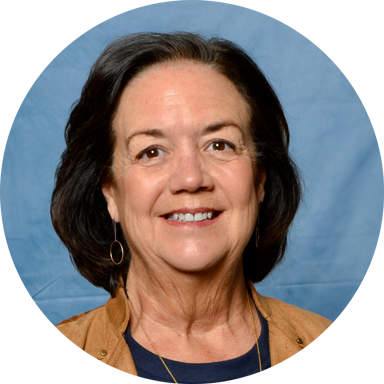
Sally K. Albrecht

Sally K. Albrecht has shaped American choral music for over four decades, building a catalog of more than 600 published works while maintaining active careers as a conductor and clinician. Her particular expertise lies in integrating movement and staging into choral performance, a distinctive focus that has earned her recognition through decades of ASCAP awards and conducting opportunities at major venues including Lincoln Center, Carnegie Hall, and The Kennedy Center. She spent more than thirty years directing choral and vocal publications at Alfred Music and other leading educational publishers, bringing both composer's insight and editorial expertise to her arrangements.

Albrecht holds degrees from Rollins College (B.A. in Music and Theater, 1976), the University of Miami (M.A. in Drama, 1977; M.M. in Accompanying, 1979), and has taught at Oakland University, Jersey City State College, and Meredith College. A native of Cleveland, she has received the Distinguished Alumna Award from both the University of Miami Frost School of Music and Rollins College, where she serves on the Board of Trustees. She lives in North Carolina with her husband, composer and arranger Jay Althouse.

Why we love this

This pairing gives developing choirs two spirituals they know well without the complexity of more advanced arrangements. The partner-song format allows singers to hear familiar melodies interact and complement each other, building confidence and creating musical depth. Optional solos give individual singers a chance to shine while remaining accessible for groups with limited soloist resources.

What to expect

The piece flows with the spiritual's natural storytelling and warmth, anchored by the gently rolling piano part that evokes the image of the harp. The partner-song structure creates moments of layered texture that feel expansive and celebratory without overwhelming younger or less experienced singers.

Who it's for

Developing 2-part choirs, especially middle school and early high school groups building ensemble skill and repertoire confidence. Directors looking for spirituals with genuine musical interest and modest technical demands will find an arrangement that respects both the singers' abilities and the tradition.

How to get the most out of it

  • Balance the two melodies in the partner-song sections by ensuring both parts sing with equal confidence; resist the temptation to let one spiritual dominate over the other.
  • Work the piano accompaniment's harp-like figuration carefully in rehearsal so it becomes a gentle but clear foundation that supports rather than competes with the voices.
  • If incorporating movement or staging (as suggested by the connection to the Danza! DVD), establish those patterns early and separate them from vocal learning; once the music is secure, layer in the physical elements.
  • Take time with optional solo sections during rehearsal to identify singers who can carry these moments and to build their comfort with the accompaniment.

How to use it

Program this as a centerpiece in a spiritual or sacred music concert, where it can stand alongside more straightforward arrangements and offer musical variety through the partner-song concept. It also works well in multicultural or festival programming where familiar titles resonate with audiences and choirs can showcase both musical growth and interpretive choices like movement.

Skills your students will build

  • Singing sustained melodic lines with proper breath support in a 2-part texture
  • Listening to and balancing multiple independent melodies singing simultaneously
  • Responding to and interpreting optional solo passages within an ensemble context
  • Coordinating vocal line with piano accompaniment that uses complex rhythmic figuration
  • Understanding and respecting the African American spiritual tradition through performance

You May Also Like
