

Ezekiel and David: 3-Part Mixed Choral Octavo
Traditional Spirituals / arr. Sally K. Albrecht
Item: 00-PO-0000745
$1.75
Minimum order quantity: 20 copies
Pickup currently not available
Description
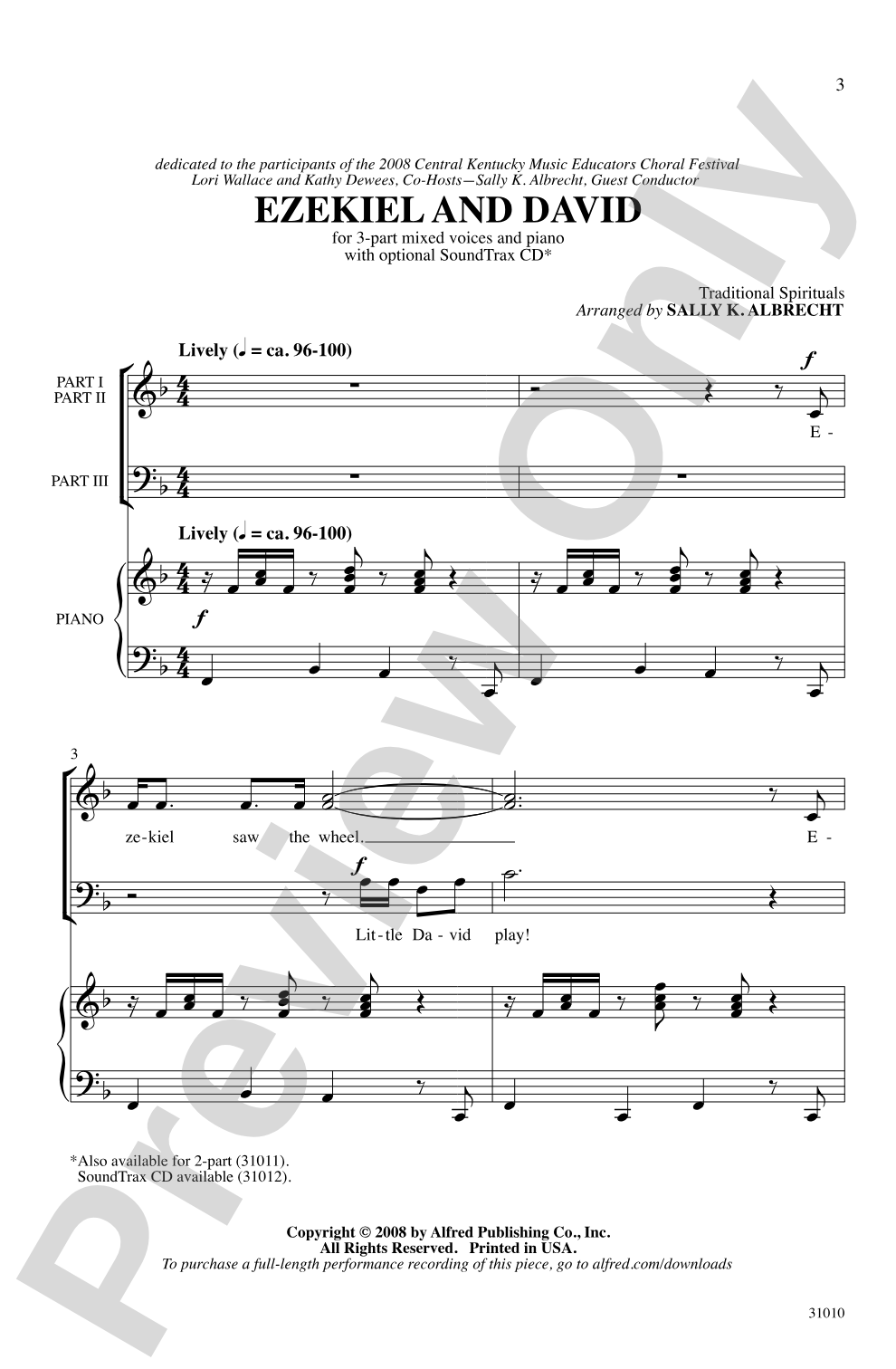
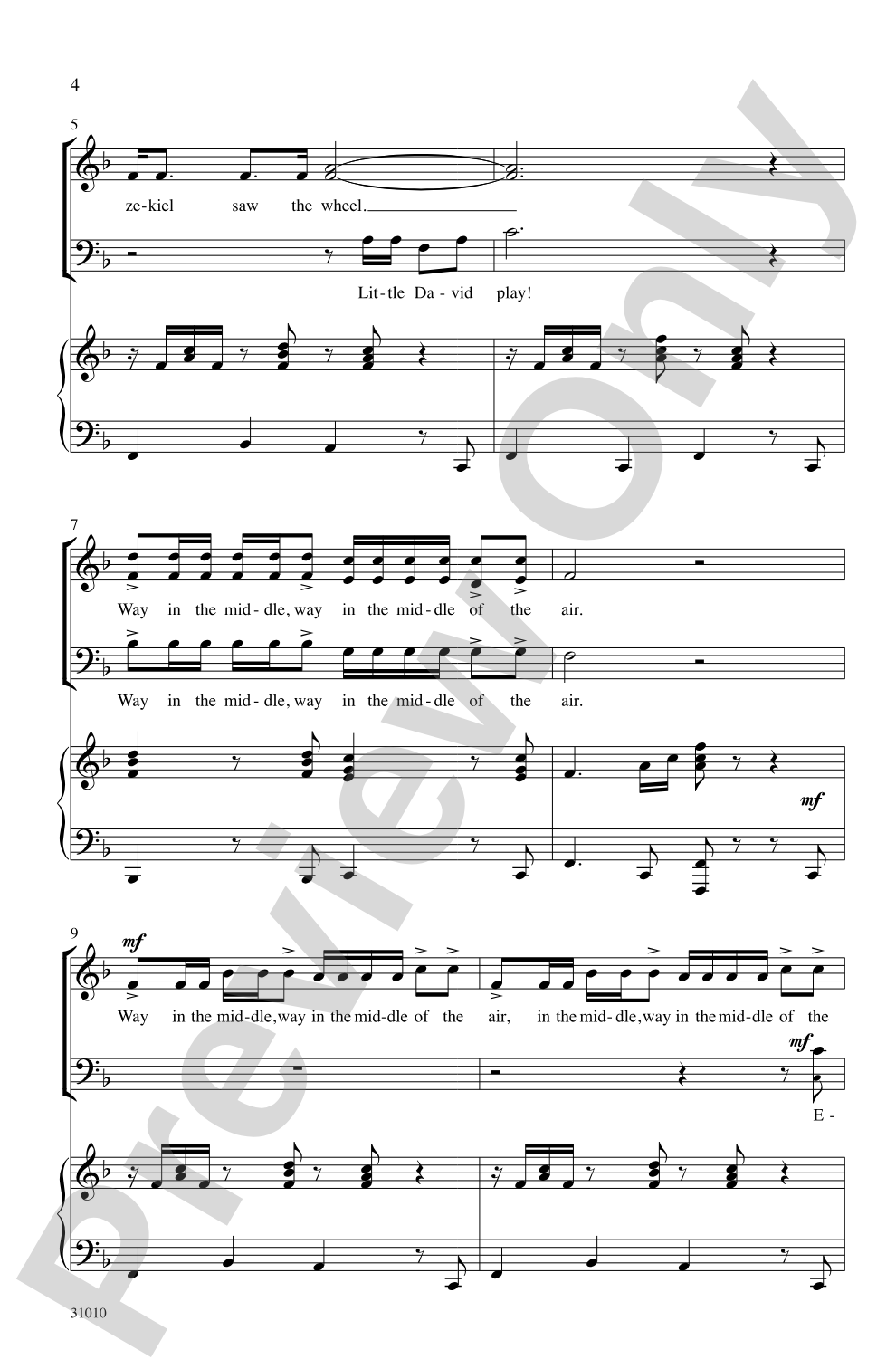
This phenomenal pairing of two favorites spirituals "Ezekiel Saw the Wheel" and "Little David, Play On Your Harp" works perfectly for developing choirs. Optional short solos, a partner-song format, and a harp-like piano accompaniment keep it turning and building to the end. Featured on the Danza! Movement DVD (00-31225).


Ezekiel and David: 3-Part Mixed Choral Octavo isn't in MakeMusic Cloud just yet...but it could be. Let us know you'd like to see it, and you'll help shape what comes next. In the meantime, start a free trial and dive into thousands of interactive titles your students can play along with today.
Request This Title
Tell us you want it.
Start Your Free Trial
Explore everything that's ready to play right now.
Sample Audio
1
Audio File
--:--
0:00
0:00
Sample Video
No sample videos found.
Additional Details
Series:
Alfred Choral Designs
Publisher:
Alfred Music
Page Count:
12
SKU:
00-PO-0000745
More about this title
About the Arranger: Sally K. Albrecht
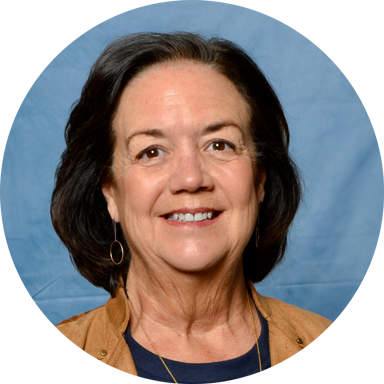
Sally K. Albrecht has shaped American choral music for over three decades, earning annual ASCAP Special Music Awards since 1987 and publishing more than 600 choral works alongside 75 larger musicals and songbooks. Her reputation rests equally on composition and on her innovative integration of movement into choral performance; she has conducted honor choirs at Lincoln Center, Carnegie Hall, and The Kennedy Center, and served for many years as Director of School Choral, Vocal, and Elementary Publications at major educational publishers, including Alfred Music.
Albrecht holds degrees from Rollins College (B.A. in Music and Theater, 1976), the University of Miami (M.A. in Drama, 1977; M.M. in Accompanying, 1979), and has taught in university music departments across the country. A native of Cleveland, she resides in Wake Forest, North Carolina, with her husband, composer and arranger Jay Althouse. In 2021, she received the Distinguished Alumna Award from both the University of Miami Frost School of Music and Rollins College, where she serves on the Board of Trustees.
Why we love this
Albrecht pairs two beloved spirituals in a format that gives developing choirs real musical substance without overwhelming them. The partner-song structure creates the kind of textural richness that makes singers feel the piece grow under their hands, while optional solos let you feature emerging voices without disrupting ensemble integrity.
What to expect
Two spiritual traditions converge in a kind of call and response; one moment the wheel is turning in the first melody, the next David's harp is singing alongside it. The piano underpins everything with a gentle, flowing texture that propels the piece forward without demanding orchestral weight.
Who it's for
This arrangement suits developing SAB choirs looking for repertoire with real musical architecture and cultural depth. It works especially well for choirs ready to handle part independence and optional solo passages without extensive prior experience.
How to get the most out of it
- Balance the two melodies carefully in rehearsal; sing through 'Ezekiel Saw the Wheel' and 'Little David, Play On Your Harp' separately first so each part owns its line before blending them together.
- The harp-like piano accompaniment benefits from clean articulation in the right hand; work with your accompanist to keep those figurations light and transparent so the voices sit forward.
- If you're staging movement (as suggested in the Danza! DVD), establish the choreography early in rehearsal and isolate it from the singing until both are solid; then layer them together gradually.
How to use it
Program this in a spirituals set or a concert that celebrates African American sacred traditions. It also fits well as a bridge piece between hymn and contemporary work, showing your choir's range and your audience the spiritual lineage connecting concert hall and church.
Skills your students will build
- Singing sustained melodic lines while other parts move independently
- Balancing optional solo passages within ensemble texture
- Interpreting spiritual traditions with stylistic authenticity
- Coordinating rhythm and phrasing across multiple voice parts in SAB voicing
- Integrating movement with vocal performance (if using staging)