Do Not Weep Cover Image

Do Not Weep: SSAA Choral Octavo

$1.65 USD
Sale price  $1.65 USD Regular price 
Skip to product information
Do Not Weep Cover Image

Do Not Weep: SSAA Choral Octavo

By Sally K. Albrecht

Item: 00-24070

makemusic Cloud badge

Need it now?

Buy Digital Version
$1.65
Shipped

One moment…

Description
An outstanding concert work with a powerful text for SATB and SSAA choirs. Careful attention is paid to the text with mostly homophonic writing and an A-B-A form. The piano part is not difficult and supports the voices throughout. A strong concert or contest number, and a fine selection for a festival choir.

Don't just read it, hear it, play along with it, and watch your students grow with it. In MakeMusic Cloud, Do Not Weep: SSAA Choral Octavo comes alive with professional accompaniment, adjustable tempo, and built-in practice tools that turn solo practice into real progress.

Sample Pages

Sample Audio
0:00
0:00
Sample Video
Additional Details
Series: Alfred Choral Designs
Publisher: Alfred Music
Page Count: 12
UPC: 038081261782
SKU: 00-24070

More about this title

About the Composer: Sally K. Albrecht
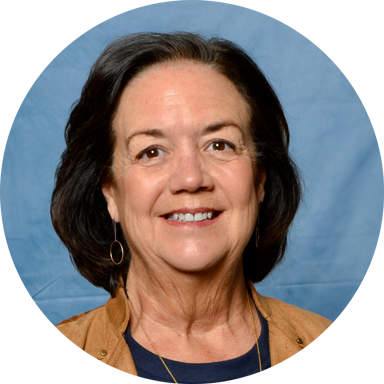
Sally K. Albrecht

Sally K. Albrecht has shaped American choral music for over four decades as a composer, conductor, and clinician with particular expertise in choral movement. Since 1987, she has received annual ASCAP Special Music Awards and maintains more than 600 published choral works in print, along with 75 larger theatrical and songbook titles. She directed school choral, vocal, and elementary publications at Alfred Music and other major educational publishers, and has guest-conducted honor choirs at prestigious venues including Lincoln Center, Carnegie Hall, and The Kennedy Center.

Albrecht earned her B.A. in Music and Theater from Rollins College (1976) and continued her graduate studies at the University of Miami, where she completed an M.A. in Drama (1977) and an M.M. in Accompanying (1979). She has held faculty positions at Oakland University, Jersey City State College, and Meredith College. A native of Cleveland, Albrecht was recognized with the Distinguished Alumna Award from both the University of Miami Frost School of Music and Rollins College in 2021. She lives in North Carolina with her husband, composer and arranger Jay Althouse.

Why we love this

Albrecht's careful text setting paired with accessible homophonic writing makes this a piece that sounds mature without overcomplicating the learning curve. The A-B-A structure provides clear architecture for rehearsal, while the undemanding piano accompaniment lets you focus entirely on building vocal blend and interpretive nuance in your SSAA section.

What to expect

The piece honors its text with restraint and dignity, letting language carry as much weight as melody. The homophonic texture creates a unified, reflective sound that feels contemplative without becoming static; the arc from statement through contrasting center and back creates natural emotional development.

Who it's for

SSAA choirs seeking a substantial concert work that respects text and musicality. This piece works equally well for festival choirs, honor choirs, and regular ensemble performances where musical maturity and clear vocal writing matter.

How to get the most out of it

  • Shape the text through dynamic variation rather than tempo changes; let the piano support guide your phrasing, and rehearse the choir to breathe together at natural speech punctuation points.
  • Use the contrasting B section to explore a different emotional tone, ensuring the return to A feels like a meaningful restatement rather than a repeat.
  • Balance the SSAA voicing by listening for the alto line in particular; often it carries important harmonic movement that needs to be present but not overbalanced.

How to use it

This works beautifully as a concert anchor or closing selection where you need a musically substantial work that audiences will recognize as carefully crafted. Its sacred text and A-B-A clarity make it an excellent choice for festival competitions or commemorative programs alongside other shorter works.

Skills your students will build

  • Text expression and interpretive phrasing in a sacred context
  • SSAA blend and balance, particularly alto independence within homophonic writing
  • Sensitivity to harmonic color changes in the B section
  • Sustained legit singing across full phrases with consistent tone quality

You May Also Like
