
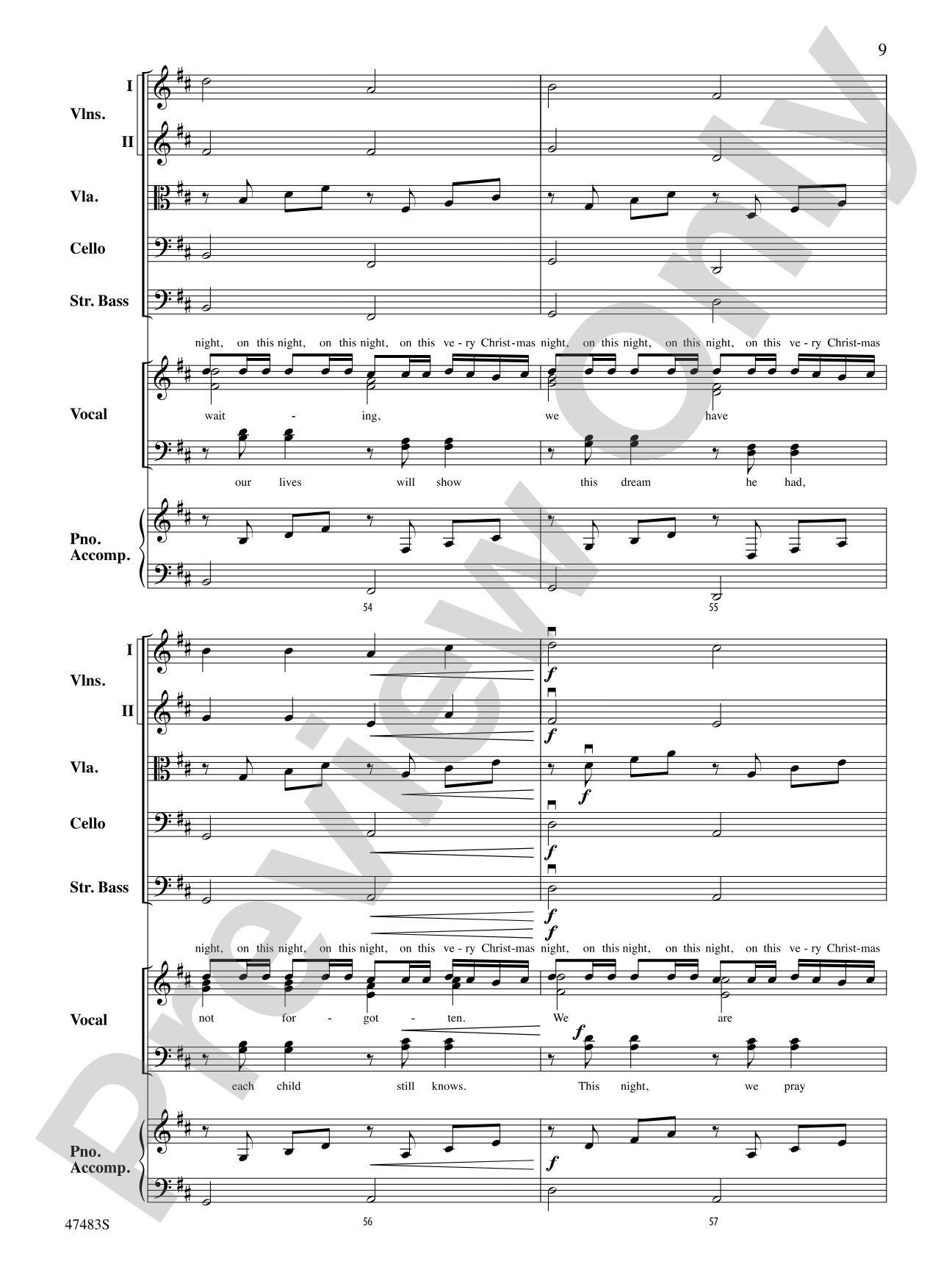
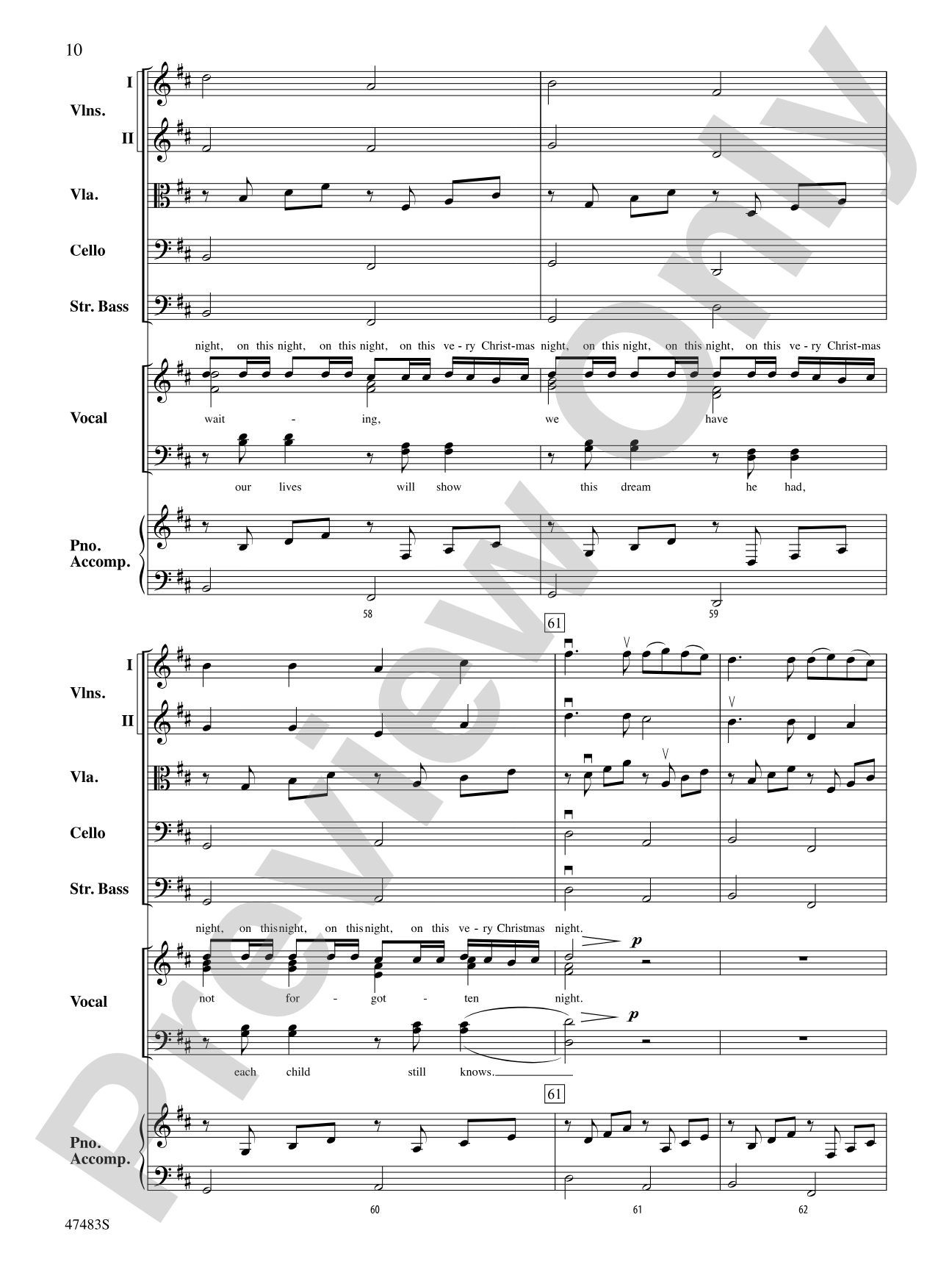
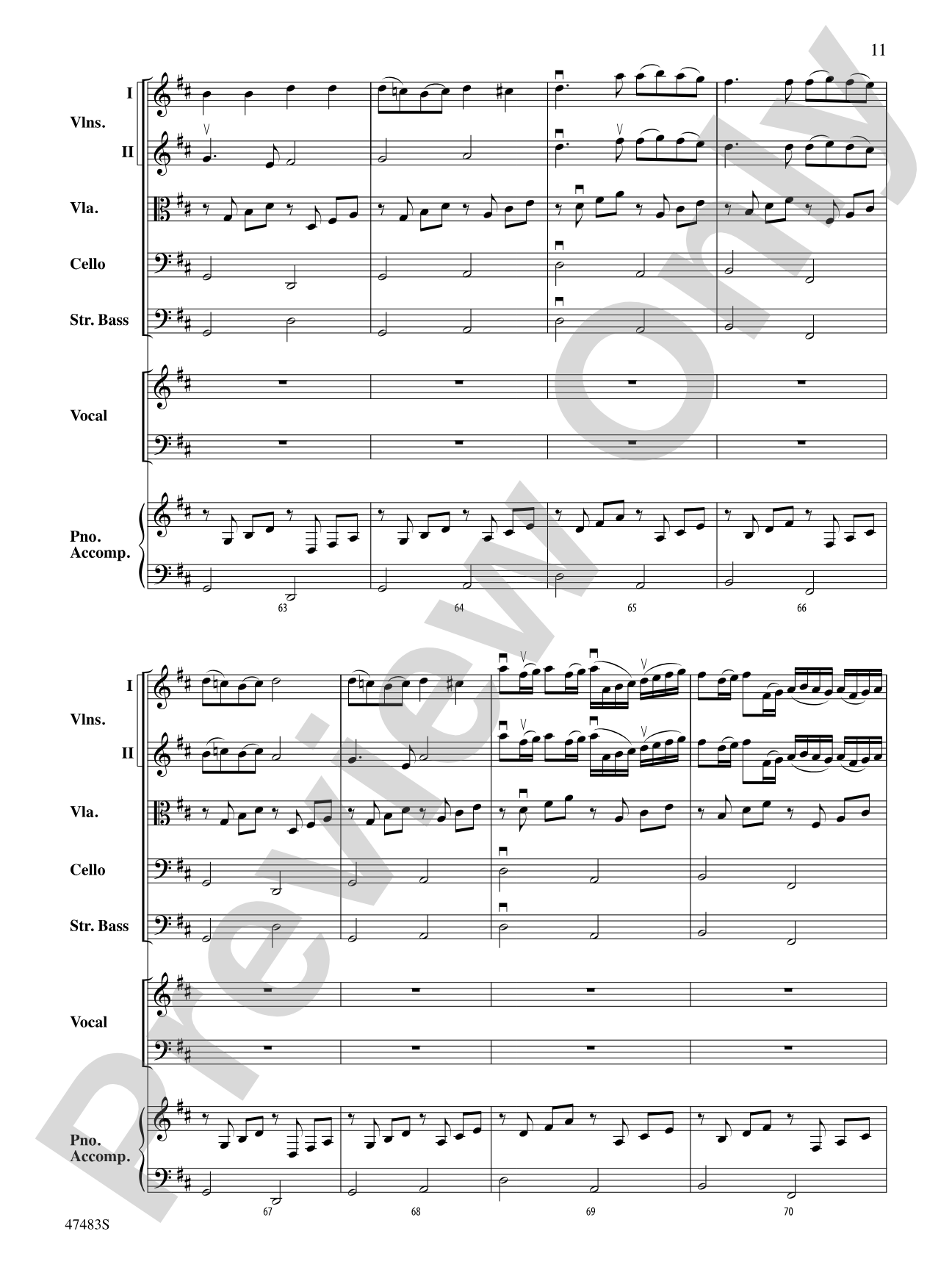
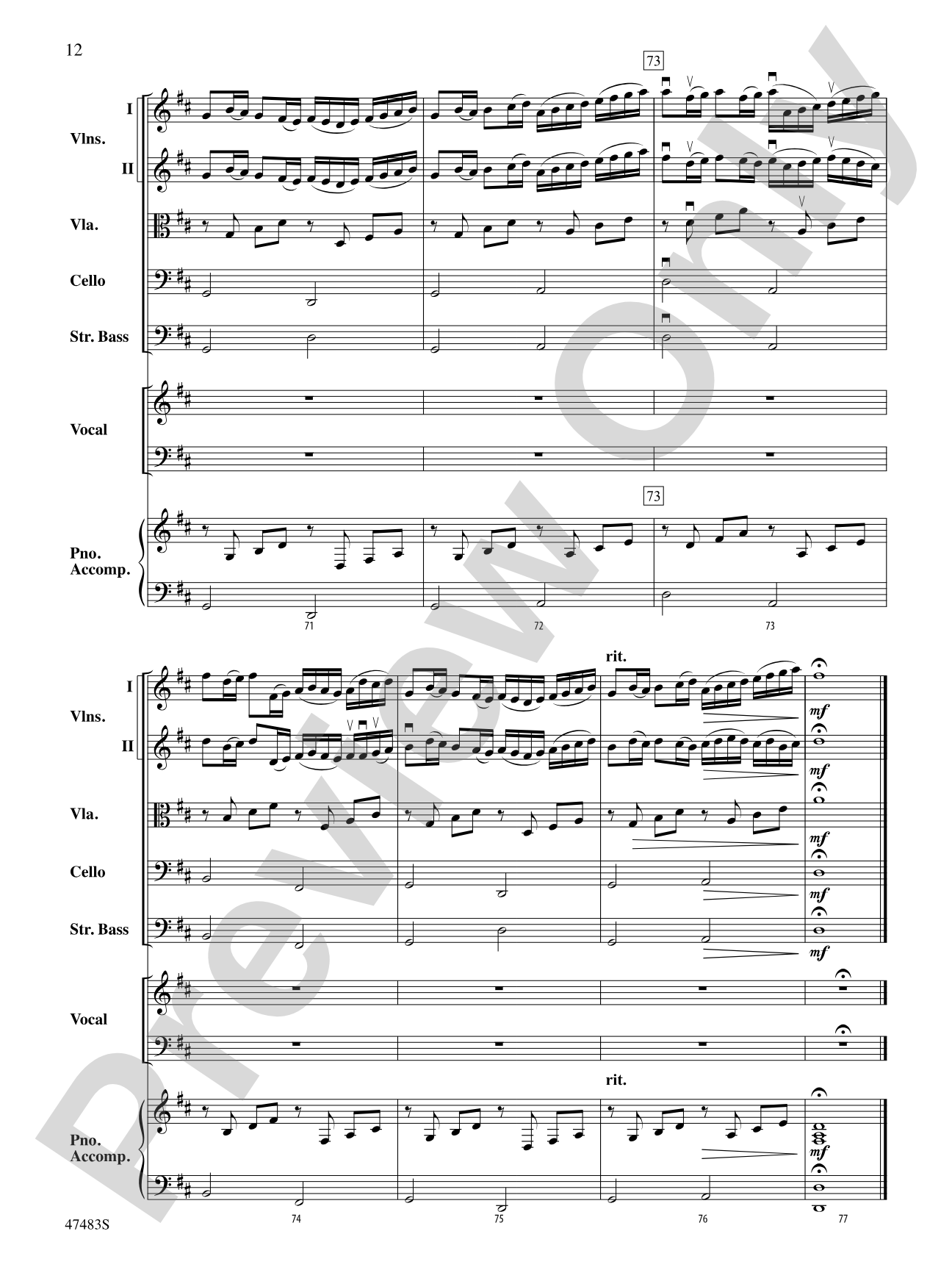

Christmas Canon: String Orchestra Conductor Score & Parts
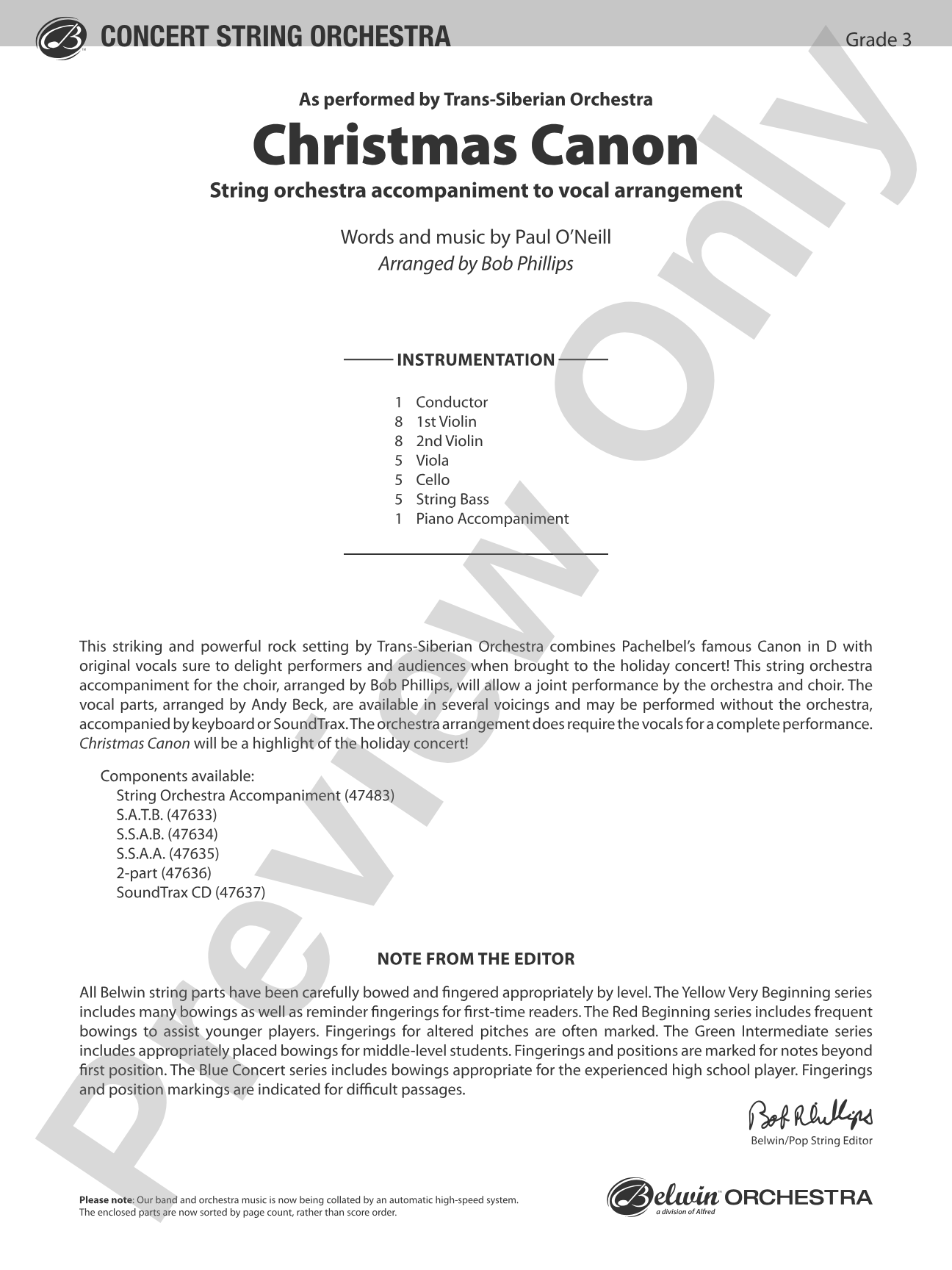
As Performed by Trans-Siberian Orchestra
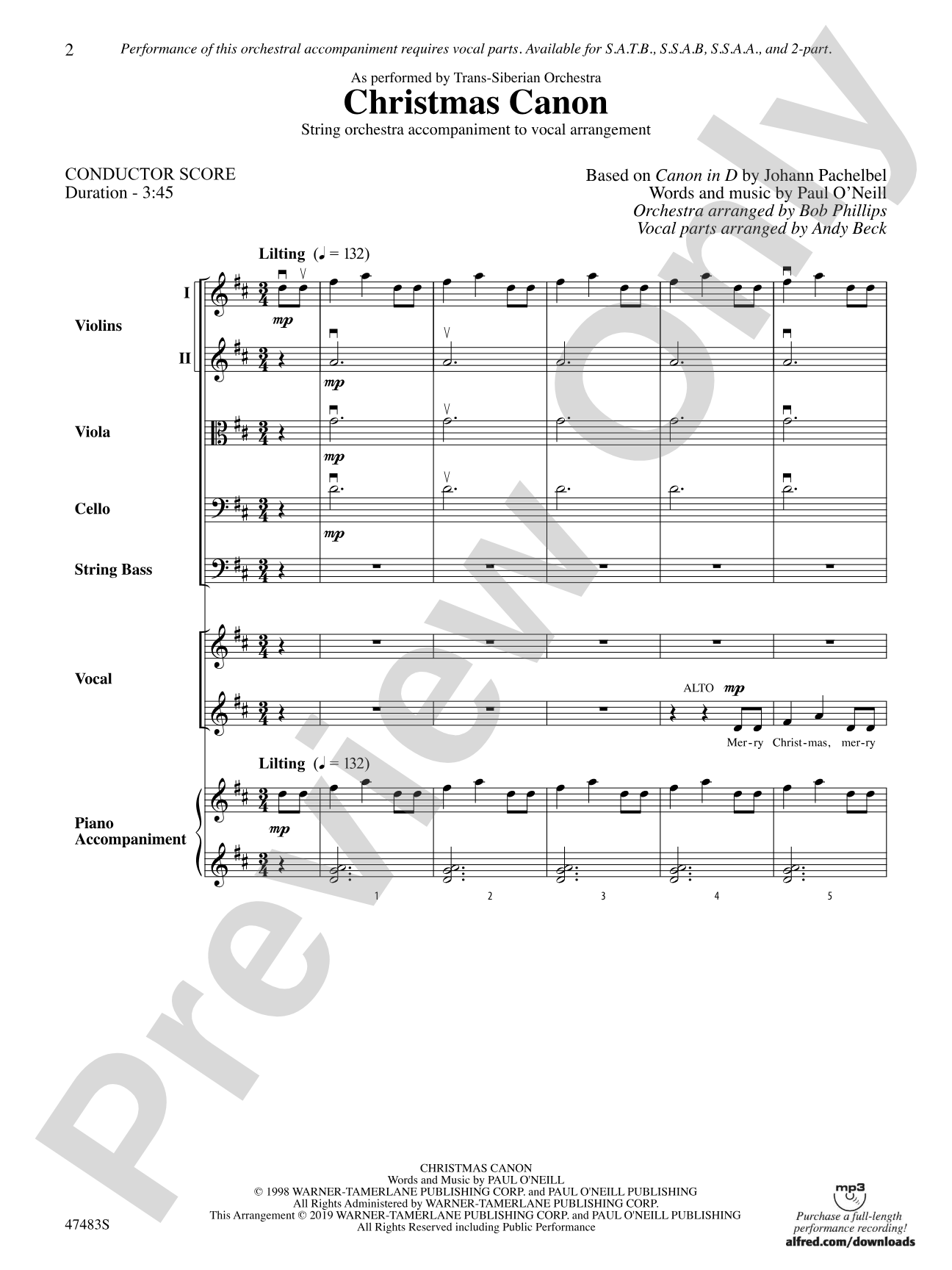
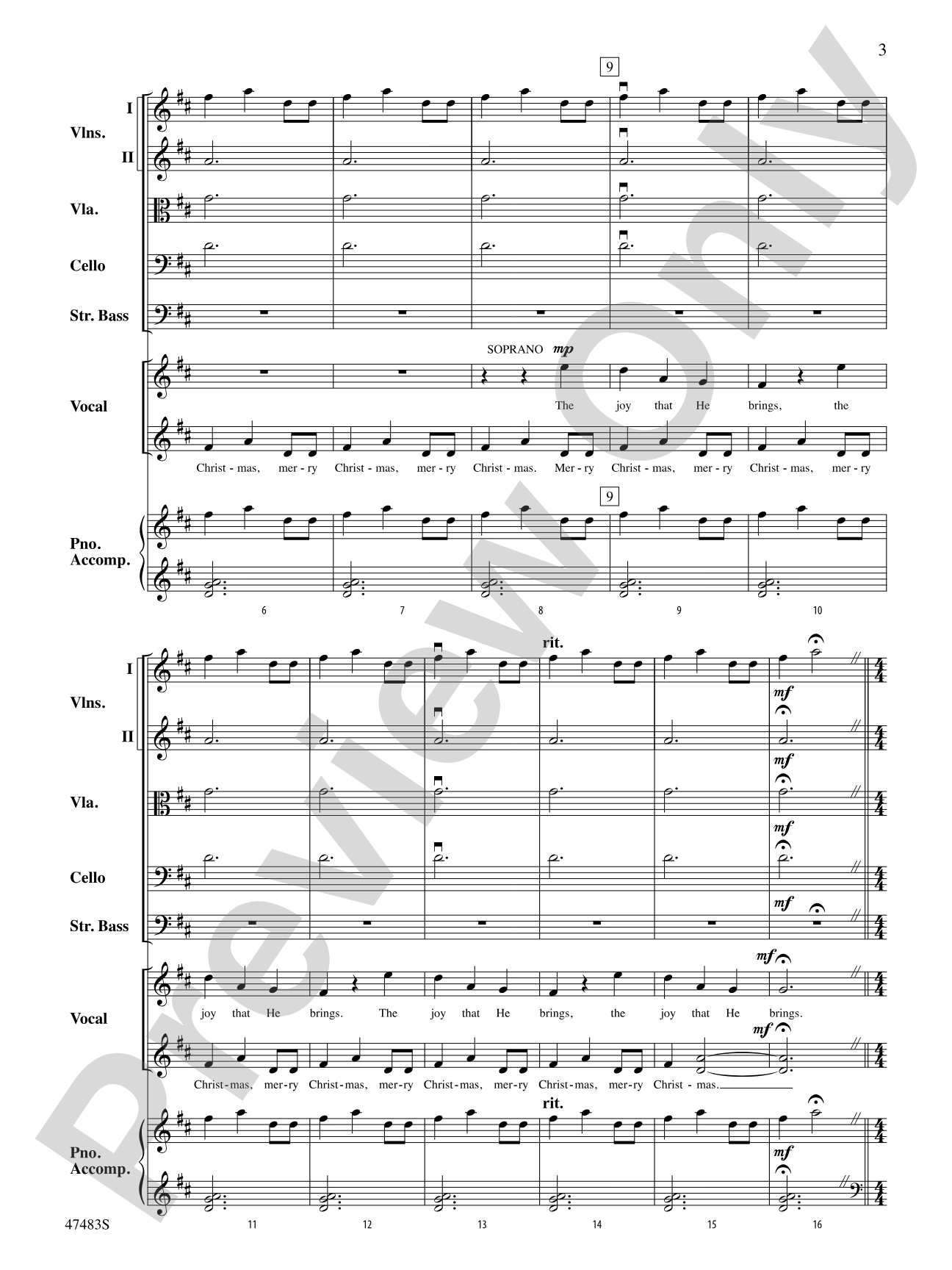
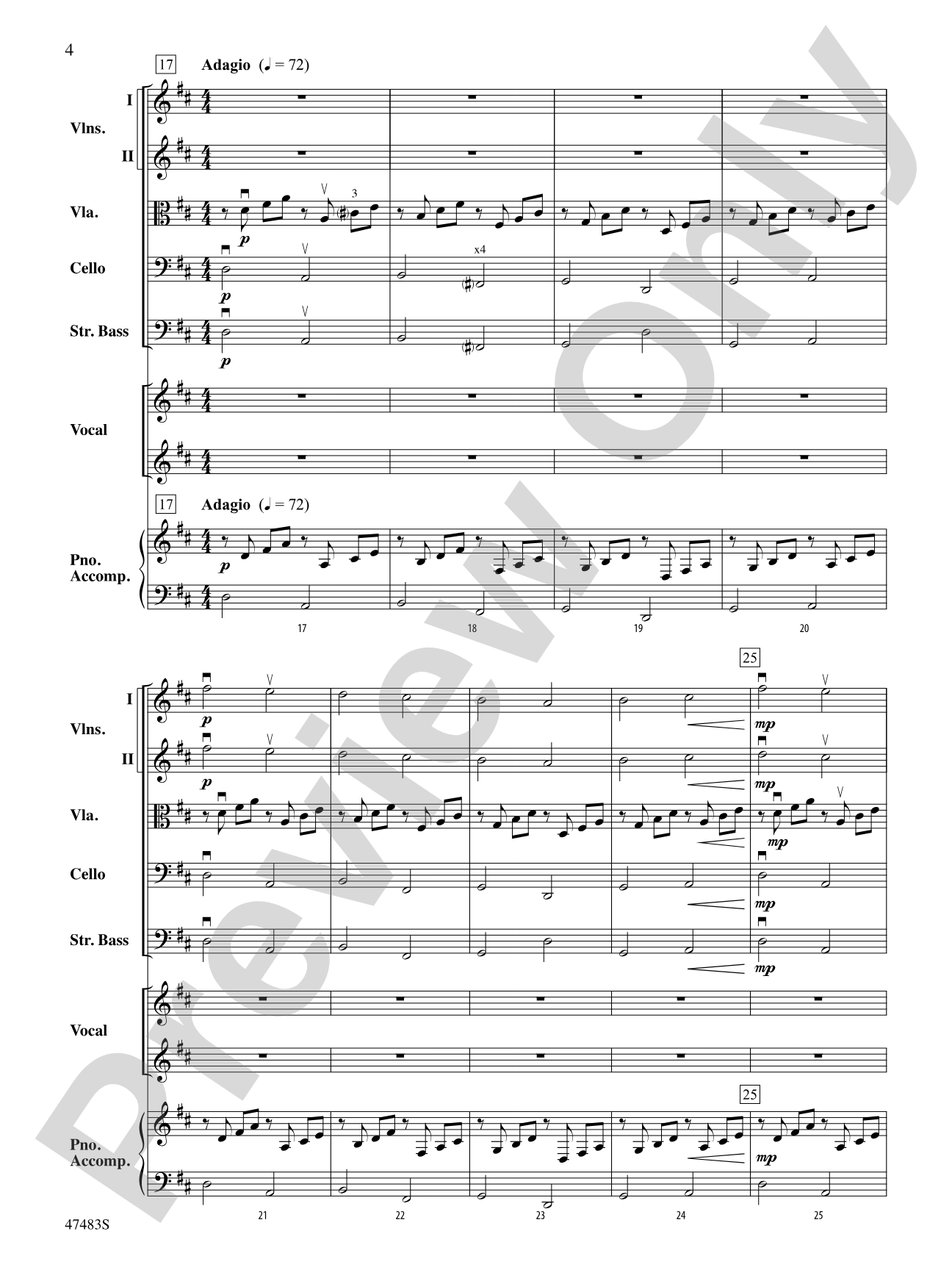
Based on "Canon in D" by Johann Pachelbel, words and music by Paul O'Neill / arr. Bob Phillips and Andy Beck
Grade: 3
Item: 00-PK-0007718

$70.00
One moment…
Related Items
Christmas Canon: SoundTrax Digital Audio Download |
$27.99
|
View | |
Christmas Canon: SATB Choral Octavo |
$2.10
|
View | |
Christmas Canon: SSAB Choral Octavo |
$2.10
|
View | |
Christmas Canon: SSAA Choral Octavo |
$2.10
|
View | |
Christmas Canon: 2-Part Choral Octavo |
$2.10
|
View | |
Christmas Canon: SATB Choral Octavo |
$2.10
|
View | |
Christmas Canon: SSAB Choral Octavo |
$2.10
|
View | |
Christmas Canon: SSAA Choral Octavo |
$2.10
|
View | |
Christmas Canon: 2-Part Choral Octavo |
$2.10
|
View | |
Christmas Canon: Choral Octavo SoundTrax CD |
$27.99
|
View | |
Christmas Canon: String Orchestra Conductor Score & Parts |
$70.00
|
View | |
Christmas Canon: String Orchestra Conductor Score |
$9.00
|
View |
Description
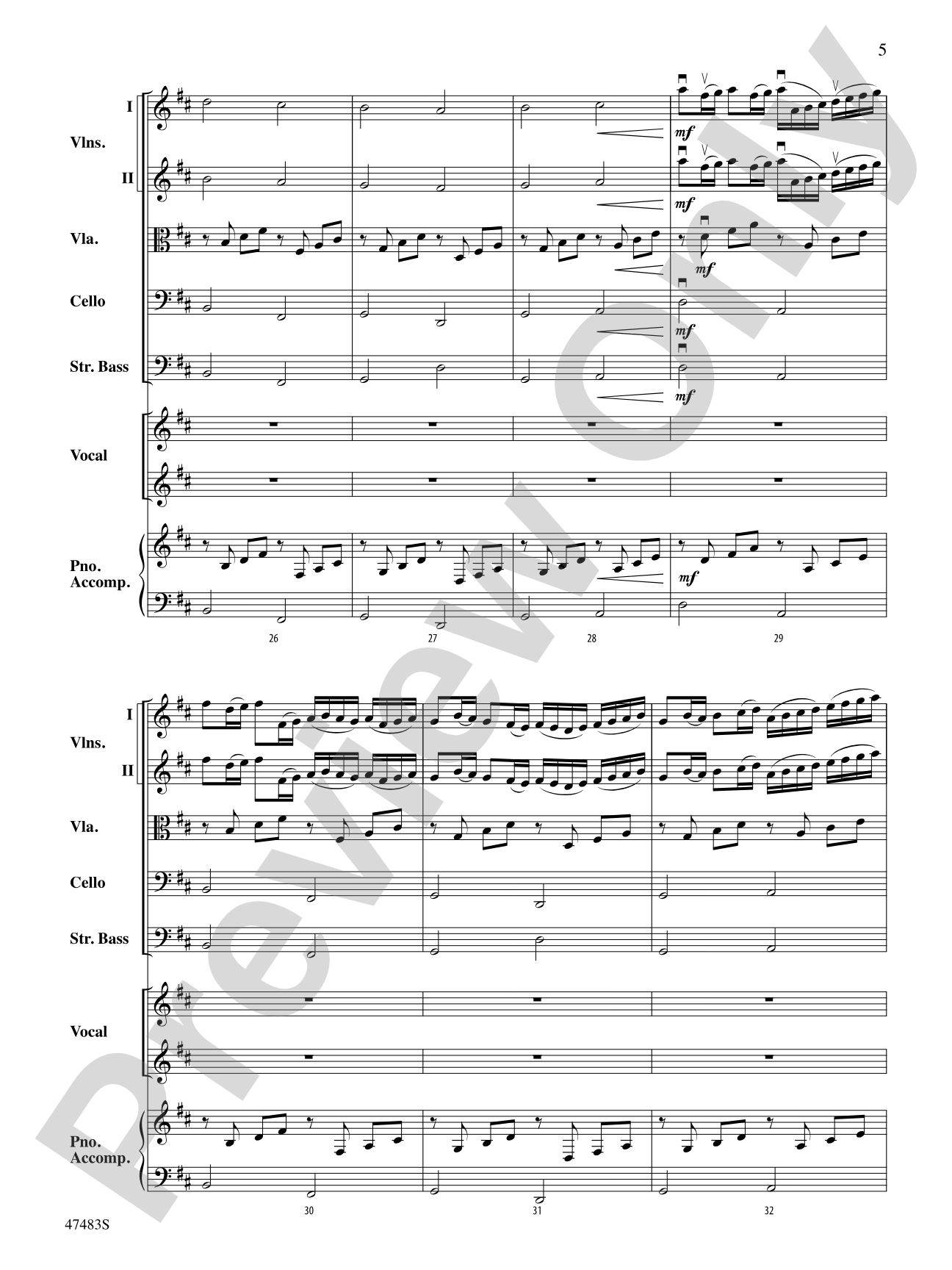
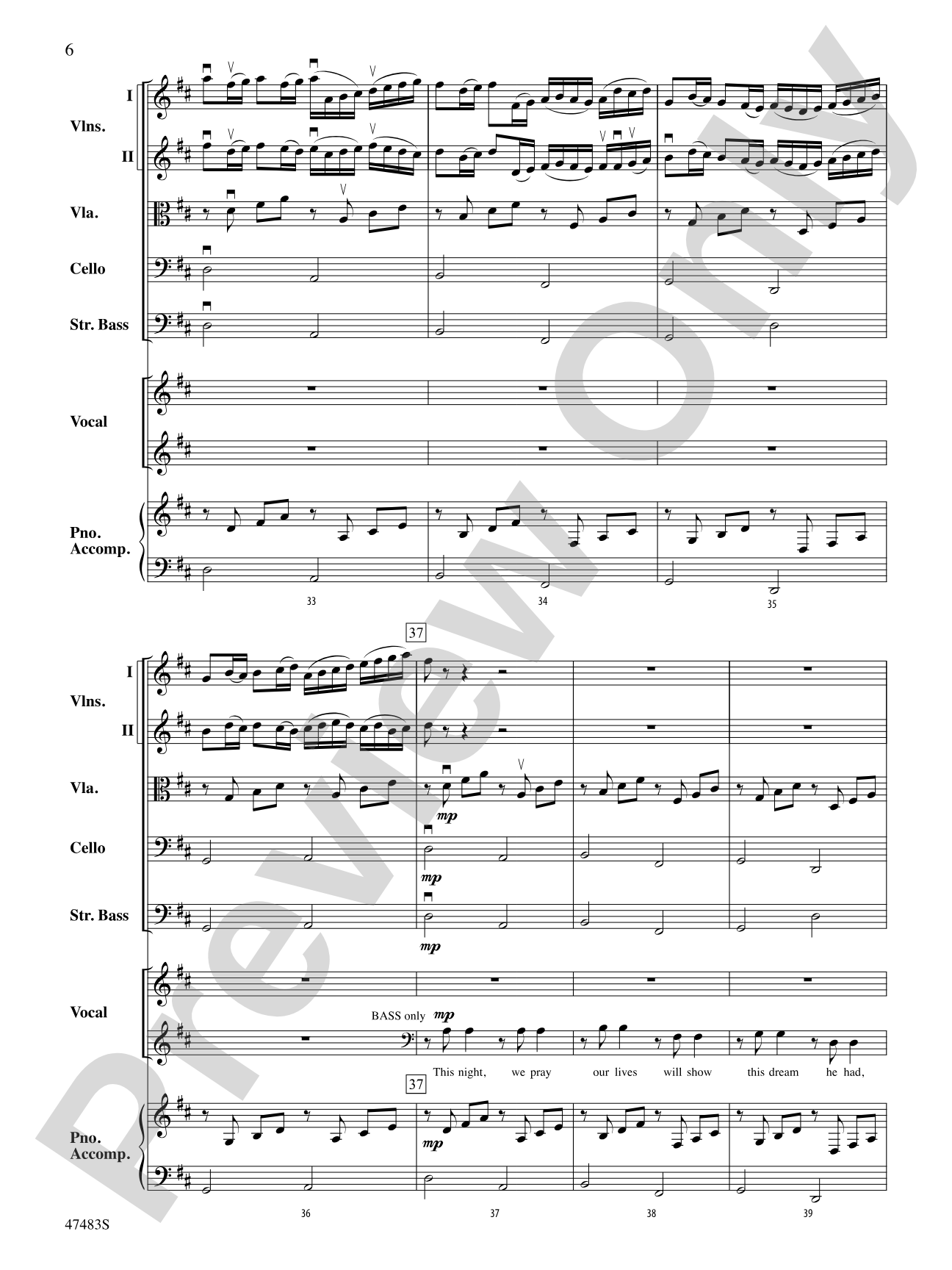
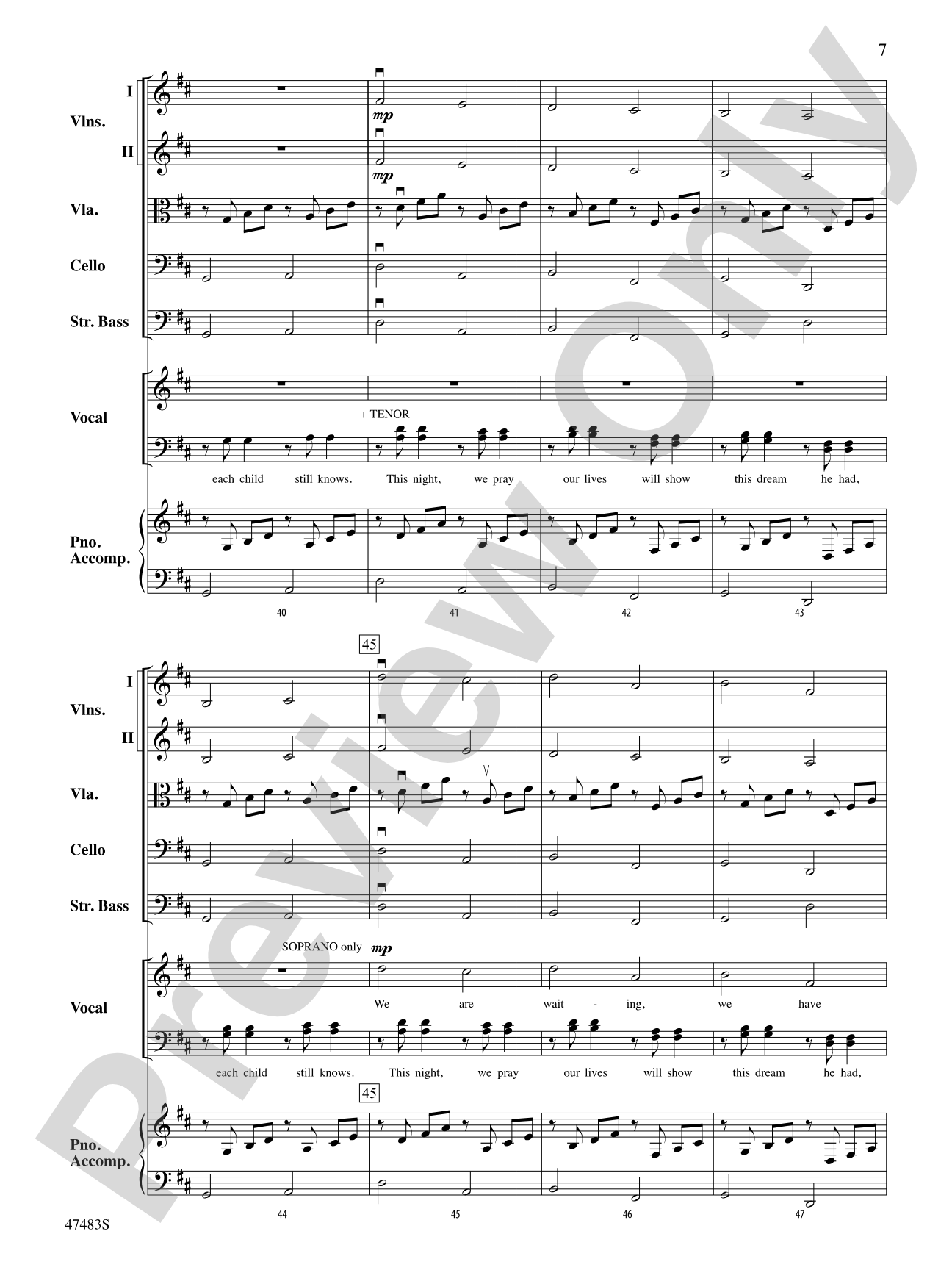
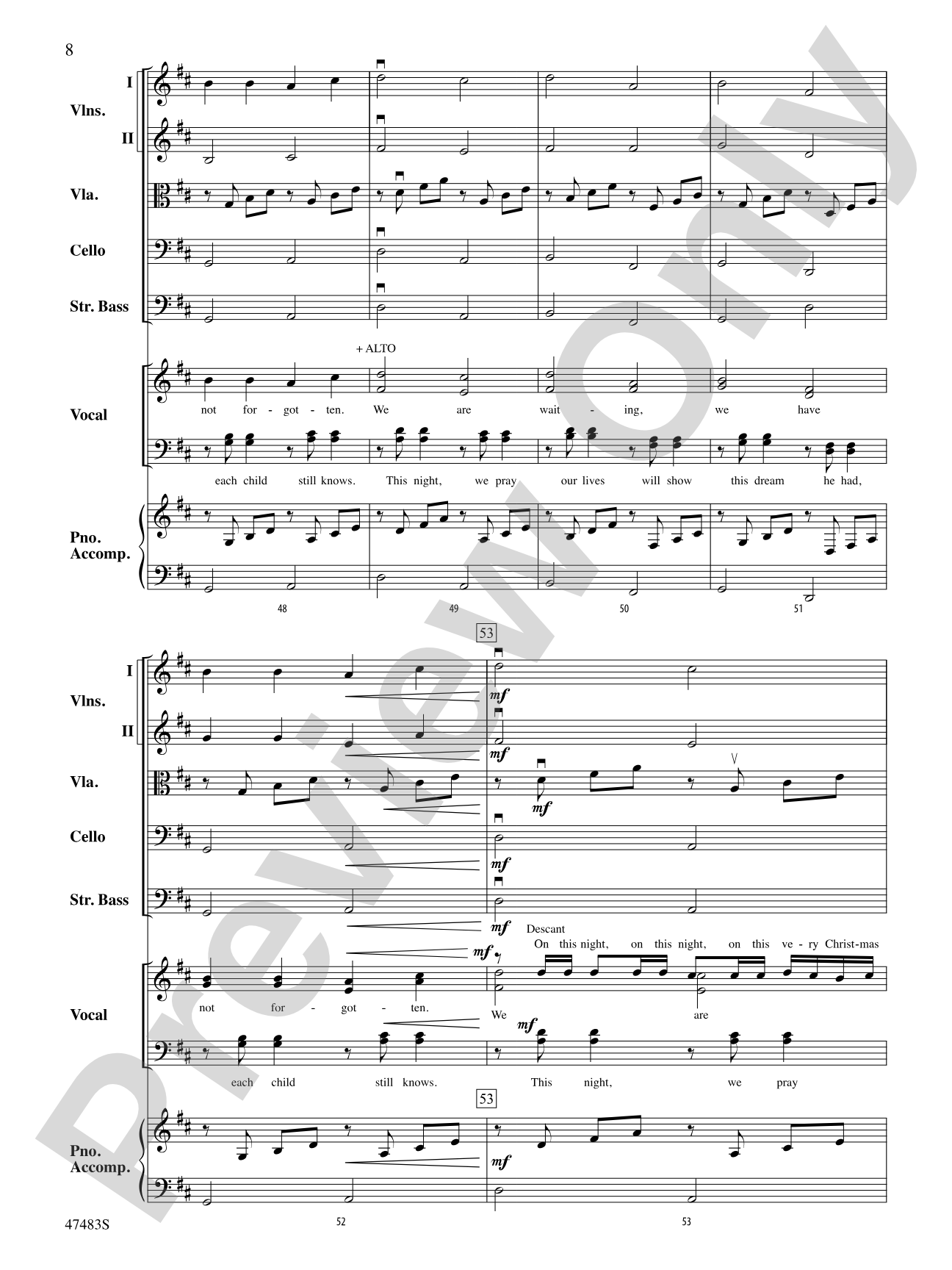
This striking setting by Trans-Siberian Orchestra, combining Pachelbel's famous "Canon in D" with original vocals, is sure to delight performers and audiences alike! This string parts, arranged by Bob Phillips, allow a joint performance by the orchestra and choir. The vocal parts, arranged by Andy Beck, are available in several voicings and may be performed without the orchestra, accompanied by keyboard or an optional SoundTrax CD. The orchestra arrangement does require vocals for a complete performance. Christmas Canon will be a highlight of the holiday concert! Components available: String Orchestra Accompaniment (47483) * SATB (47633) * SSAB (47634) * SSAA (47635) * 2-part (47636) * SoundTrax CD (47637).


Don't just read it, hear it, play along with it, and watch your students grow with it. In MakeMusic Cloud, Christmas Canon: String Orchestra Conductor Score & Parts comes alive with professional accompaniment, adjustable tempo, and built-in practice tools that turn solo practice into real progress.
Open in the Player
Jump straight in and assign it today.
Start Your Free Trial
Open this title and explore the full library in minutes.
Sample Audio
1
Audio File
--:--
0:00
0:00
Sample Video
Additional Details
Series:
Pop Concert String Orchestra
Publisher:
Alfred Music
Page Count:
108
SKU:
00-PK-0007718
More about this title
About the Composer: Paul O'Neill
Paul O'Neill founded the Trans-Siberian Orchestra in 1996 and served as composer and lyricist for the group's ambitious symphonic rock productions. His work blends classical music structures with contemporary songwriting, creating large-scale theatrical pieces that appeal to both classical and popular audiences. O'Neill's Christmas albums became cultural touchstones, introducing millions to reimagined holiday classics through orchestral arrangements and original compositions.
Why we love this
This arrangement gives string orchestras genuine creative agency in a holiday program. Rather than serving as mere accompaniment, the orchestra carries Pachelbel's harmonic foundation while vocalists layer the seasonal melody, creating a collaborative showcase where both ensembles shine. The Grade 3 scoring keeps technical demands reasonable while preserving the piece's emotional and theatrical impact.
What to expect
Familiar yet fresh. Pachelbel's Canon remains instantly recognizable, but the arrangement casts it in contemporary harmonic light, creating a piece that honors tradition while reaching toward something more theatrical. The blend of strings and voices produces an intimate, resonant sound perfect for holiday reflection.
Who it's for
String orchestras seeking meaningful holiday repertoire that pairs with choral programs. This work invites collaboration between instrumental and vocal directors, making it ideal for schools or community ensembles planning a combined winter concert.
How to get the most out of it
- Balance the string lines against the vocal melody; the orchestra's role is supportive foundation rather than foreground, so transparency matters more than volume.
- Coordinate carefully with the choral director during joint rehearsals to establish clear ensemble entry points and phrasing choices, particularly where the organ or keyboard underpins both groups.
- Emphasize the resonant, singing quality of the string parts rather than a bright articulation; Pachelbel's progression benefits from warmth and sustained tone.
How to use it
Schedule this as a finale or near-finale when the full ensemble (orchestra and choir) can perform together, allowing the cumulative effect of combined forces to land with maximum impact. Its Grade 3 accessibility makes it suitable for mid-season rehearsal work, with performance-ready results by November.
Skills your students will build
- Balance and blend within a combined ensemble
- Sustained, lyrical phrasing in fast harmonic progressions
- Coordination between orchestral and vocal sections
- Attention to articulation and tone in familiar melodic material