At the Ragtime Ball Cover Image

At the Ragtime Ball: Concert Band Conductor Score & Parts

$55.00 USD
Sale price  $55.00 USD Regular price 
Skip to product information
At the Ragtime Ball Cover Image

At the Ragtime Ball: Concert Band Conductor Score & Parts

Traditional / arr. Carl Strommen

Grade: 2 (Easy)

Item: 00-35374

makemusic Cloud badge

Need it now?

Buy Digital Version
$55.00
Shipped

One moment…

Description
With its roots in the march genre and African polyrhythms, the resulting syncopations drive the distinctive sound of this rag. Here's Carl Strommen's unique take on this distinctive style in this original concert band work! This title is available in MakeMusic Cloud.

Don't just read it, hear it, play along with it, and watch your students grow with it. In MakeMusic Cloud, At the Ragtime Ball: Concert Band Conductor Score & Parts comes alive with professional accompaniment, adjustable tempo, and built-in practice tools that turn solo practice into real progress.

Sample Pages

Sample Audio
0:00
0:00
Sample Video
Additional Details
Series: Belwin Young Band
Publisher: Alfred Music
Page Count: 238
UPC: 038081417936
SKU: 00-35374

More about this title

About the Arranger: Carl Strommen
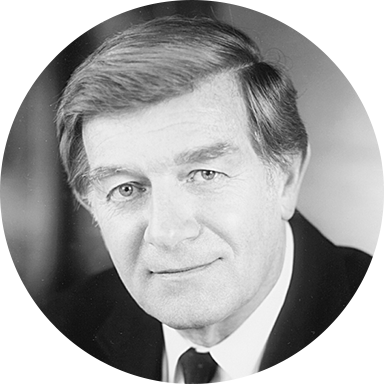
Carl Strommen

Carl Strommen's catalog spans concert band, orchestra, jazz ensemble, and choral music, with performances heard across concert halls, broadcast media, and film soundtracks worldwide. His work consistently earns ASCAP Standard Writers Awards, and he maintains an active schedule as both a clinician and commission composer. A City College of New York graduate, Strommen teaches orchestration and composition as an adjunct faculty member at C.W. Post Campus of Long Island University while maintaining a home base on Long Island.

Why we love this

Strommen captures the syncopated energy of ragtime without overcomplicating it for young ensembles. The Grade 2 scoring respects the style's rhythmic character while keeping parts accessible, making this an ideal choice for bands eager to explore jazz-inflected repertoire early in their development. Programming a piece with such clear historical roots helps students understand how African polyrhythmic traditions shaped American music.

What to expect

The piece swings with infectious joy, rooted in the march tradition but animated by rhythmic surprises and syncopated charm. Strommen's arrangement delivers the sparkle and humor of ragtime while keeping the ensemble grounded in clear harmonic and structural support.

Who it's for

Developing concert bands seeking an accessible entry point into jazz-influenced repertoire and early American music. Directors building programs that celebrate diverse musical traditions while maintaining Grade 2 accessibility will find this work engages both student musicians and audiences.

How to get the most out of it

  • Establish the march foundation first, then layer the syncopations on top. Young musicians often rush the interaction between straight eighths and syncopated figures, so isolate these rhythmic relationships in sectionals before combining them.
  • Treat the syncopation as deliberate stress, not careless accent. Work on consistent articulation so the rag's characteristic bounce emerges from precision rather than chaos.
  • Let the recorded accompaniment lock the groove for your ensemble. This style demands rhythmic confidence, and the track provides a steady reference point while your band builds independence.
  • Highlight the march heritage in your conducting. The undercurrent of military precision gives ragtime its forward drive; don't let the syncopations overshadow the pulse.

How to use it

Pair this with a traditional march and a contemporary light concert piece to create a program that traces American musical idioms across a century. The Grade 2 level makes it suitable for mid-year concerts when ensemble fundamentals are solid but the repertoire can still challenge growth.

Skills your students will build

  • Reading and performing syncopated rhythms against a steady march pulse
  • Understanding the historical connection between march form and ragtime syncopation
  • Maintaining consistent tempo and articulation during rhythmically complex passages
  • Listening to and responding to recorded accompaniment cues

You May Also Like
