

Arise and Clap Your Hands: 2-Part / SSA Choral Octavo
Words and music by Sally K. Albrecht
Item: 00-PO-0001840
$1.85
Minimum order quantity: 20 copies
Pickup currently not available
Description
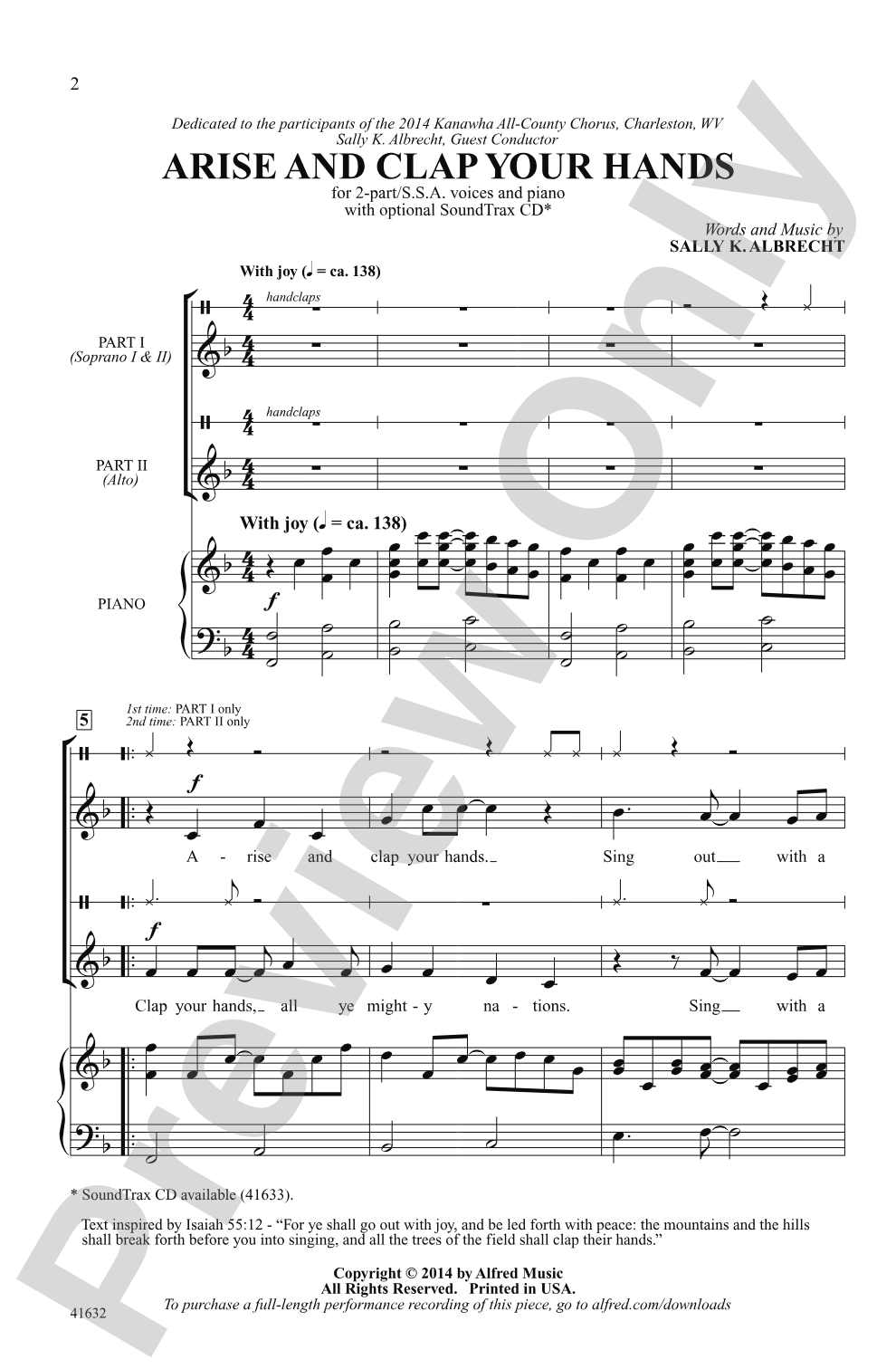
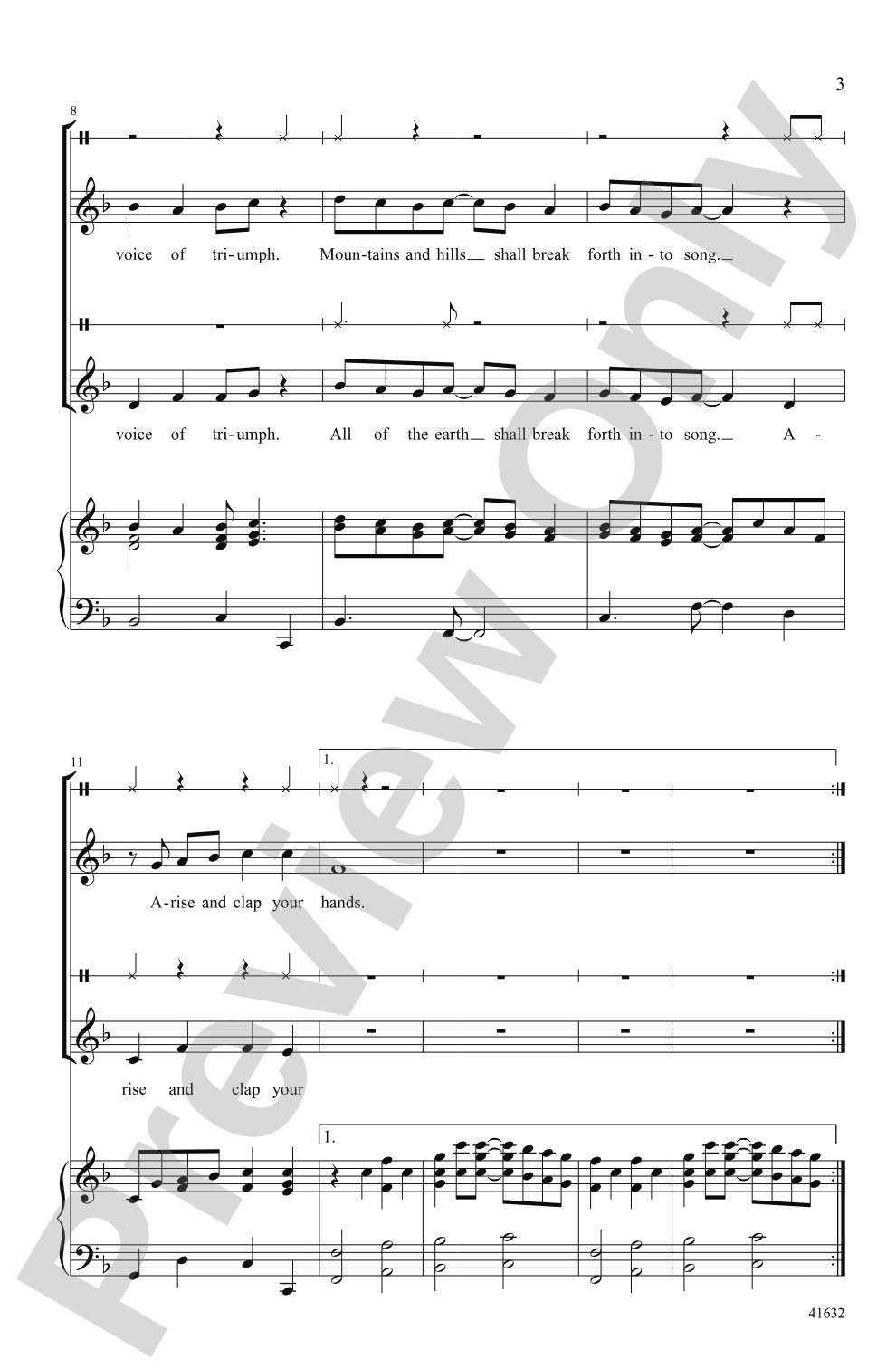
Two independent vocal parts, punctuated by rhythmic handclaps, are introduced individually and later combined in this joyful concert feature. An ostinato add-on section offers the opportunity for accomplishable three-part treble singing. This title is available in Music Prodigy.


Arise and Clap Your Hands: 2-Part / SSA Choral Octavo isn't in MakeMusic Cloud just yet...but it could be. Let us know you'd like to see it, and you'll help shape what comes next. In the meantime, start a free trial and dive into thousands of interactive titles your students can play along with today.
Request This Title
Tell us you want it.
Start Your Free Trial
Explore everything that's ready to play right now.
Sample Audio
1
Audio File
--:--
0:00
0:00
Sample Video
Additional Details
Series:
Alfred Choral Designs
Publisher:
Alfred Music
Page Count:
12
SKU:
00-PO-0001840
More about this title
About the Composer: Sally K. Albrecht
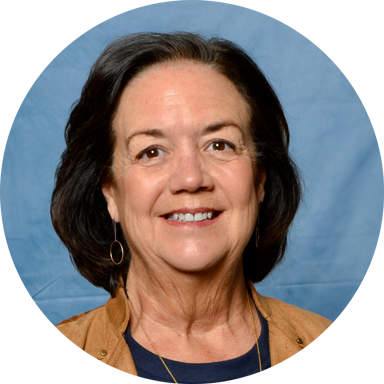
Sally K. Albrecht has shaped American choral music for decades as a composer, conductor, and clinician with a distinctive focus on incorporating movement into vocal performance. Since 1987, she has received the ASCAP Special Music Award annually and maintains over 600 published choral works in print alongside 75 larger theatrical pieces and songbooks. Her conducting has been featured at prestigious venues including Lincoln Center, Carnegie Hall, and The Kennedy Center, where she has led honor choirs and festival ensembles across the country.
Albrecht spent more than 30 years directing choral and vocal publications at major educational music publishers, most notably at Alfred Music, where she developed resources for school and elementary programs. She holds degrees from Rollins College (B.A. in Music and Theater, 1976), the University of Miami (M.A. in Drama, 1977; M.M. in Accompanying, 1979), and has taught at Oakland University, Jersey City State College, and Meredith College. In 2021, she received the Distinguished Alumna Award from both the University of Miami Frost School of Music and Rollins College, where she serves on the Board of Trustees.
Why we love this
Albrecht builds genuine joy into this piece through a structure that lets singers experience success at every stage. The introduction of two independent parts separately before combining them creates natural confidence, while the optional three-part ostinato section gives treble ensembles a real taste of harmony without overwhelming younger or less experienced singers. The rhythmic handclaps ground the piece in physicality, making it as engaging to perform as it is to hear.
What to expect
Bright, percussive, and propulsive. The addition of handclaps creates a contemporary, almost pop-influenced energy that feels more like celebration than concert formality. There is genuine playfulness woven throughout, paired with clean harmonic moments that give singers something substantial to lock onto.
Who it's for
This piece suits treble choirs at the middle or high school level, or any mixed ensemble with a significant treble section looking for accessible yet vibrant concert repertoire. It works equally well for singers with limited reading experience and more advanced ensembles seeking an energetic, movement-forward addition to the program.
How to get the most out of it
- Teach the two vocal lines independently before combining them so singers internalize their own part and develop listening skills for blend.
- Coordinate handclaps carefully during rehearsal; keeping them crisp and synchronized transforms them from a gimmick into a rhythmic anchor that tightens the ensemble.
- When introducing the optional three-part ostinato section, assign singers strategically so the added layer strengthens rather than fragments the overall sound.
- Use the recorded accompaniment to reinforce tempo and harmonic context, especially during the transition between two-part and three-part sections.
How to use it
Program this as an opener or a closing number to reset the energy in a concert; its inherent buoyancy lifts the room. It also sits naturally alongside other contemporary secular works in a concert focused on movement-integrated choral literature or as a contest piece where performers bring full physical engagement to the stage.
Skills your students will build
- Independent part singing in a two-part texture
- Rhythm and synchronization with non-vocal ensemble elements (handclaps)
- Introduction to three-part treble harmony through optional ostinato
- Stage presence and physical awareness during performance
- Listening and blending skills when combining independent vocal lines