Arise and Clap Your Hands Cover Image

Arise and Clap Your Hands: 2-Part / SSA Choral Octavo

$1.85 USD
Sale price  $1.85 USD Regular price 
Skip to product information
Arise and Clap Your Hands Cover Image

Arise and Clap Your Hands: 2-Part / SSA Choral Octavo

Words and music by Sally K. Albrecht

Item: 00-41632

makemusic Cloud badge

Need it now?

Buy Digital Version
$1.85
Shipped

One moment…

Description
Two independent vocal parts, punctuated by rhythmic handclaps, are introduced individually and later combined in this joyful concert feature. An ostinato add-on section offers the opportunity for accomplishable three-part treble singing. This title is available in Music Prodigy.

Don't just read it, hear it, play along with it, and watch your students grow with it. In MakeMusic Cloud, Arise and Clap Your Hands: 2-Part / SSA Choral Octavo comes alive with professional accompaniment, adjustable tempo, and built-in practice tools that turn solo practice into real progress.

Sample Pages

Sample Audio
0:00
0:00
Sample Video
Additional Details
Series: Alfred Choral Designs
Publisher: Alfred Music
Page Count: 12
UPC: 038081467122
SKU: 00-41632

More about this title

About the Composer: Sally K. Albrecht
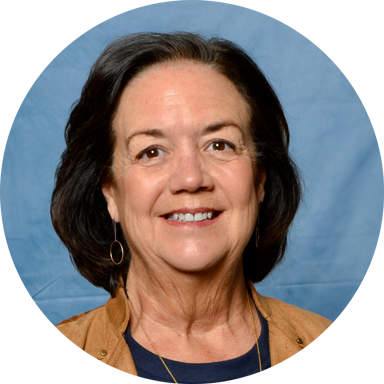
Sally K. Albrecht

Sally K. Albrecht has shaped choral music education for over three decades through her work as a composer, conductor, and clinician. As Director of School Choral, Vocal, and Elementary Publications at Alfred Music, she developed hundreds of pieces now performed in schools and concert halls across the country. Her expertise in movement-based choral writing has made her a sought-after clinician at major festivals including those at Lincoln Center, Carnegie Hall, and The Kennedy Center.

Since 1987, Albrecht has been a consistent recipient of the ASCAP Special Music Award, with more than 600 choral publications and 75 musicals and songbooks to her name. She holds degrees from Rollins College (B.A. in Music and Theater, 1976) and the University of Miami (M.A. in Drama, 1977; M.M. in Accompanying, 1979). In 2021, she received the Distinguished Alumna Award from both institutions. She resides in Wake Forest, North Carolina, with her husband, composer and arranger Jay Althouse.

Why we love this

Albrecht's incorporation of rhythmic handclaps as a structural and textural element turns this into far more than a standard two-part feature. The way she introduces each vocal line independently before combining them gives singers time to own their parts, while the optional three-part ostinato section makes accessibility work without sacrificing musicality. This is the kind of piece that energizes a concert while building genuine ensemble skills.

What to expect

Joyful and rhythmically driving, with the handclaps providing an infectious percussive pulse that ties the whole work together. The staggered introduction of the vocal parts creates forward momentum, and when the layers combine, the piece takes on a celebratory, almost call-and-response energy that feels contemporary and engaging.

Who it's for

This piece works for middle school and high school choirs seeking an energetic concert feature that doesn't demand advanced part-singing skills. The 2-part and SSA voicings make it accessible to newer singers while the optional three-part addition gives advanced ensembles room to grow, and the movement element appeals to directors building choreography into their programs.

How to get the most out of it

  • Establish the handclap pattern as its own rhythmic voice during rehearsals. Have singers clap the pattern separately from singing so they understand its independence and can lock it in without vocal distraction.
  • Introduce the two vocal parts in isolation before combining them. This sequential approach prevents the text and melody from becoming muddled and gives less experienced singers confidence in their individual lines.
  • Consider blocking the movement and staging early in rehearsal. Albrecht's choral movement expertise means the physical vocabulary is integral to the piece's energy, not decorative.
  • If using the recorded accompaniment, rehearse with it frequently enough that singers internalize the harmonic support without becoming dependent on it for their intonation.

How to use it

This works as a high-energy concert opener or a closing number when you need to send the audience out feeling uplifted. Pair it alongside other movement-integrated pieces or position it in a program section celebrating contemporary secular choral writing. The recorded accompaniment option also makes it viable for festivals or contests where backing tracks are permitted.

Skills your students will build

  • Layering independent vocal lines while maintaining rhythmic precision
  • Synchronizing body percussion (handclaps) with sung material
  • Singing in SSA/SSAA voicing with optional ostinato parts
  • Responding to choral movement cues while maintaining vocal focus
  • Building ensemble cohesion through simultaneous multi-part singing

You May Also Like
