A Merry Madrigal Cover Image

A Merry Madrigal: 3-Part Mixed/SAB, <I>a cappella</I> Choral Octavo

$2.25 USD
Sale price  $2.25 USD Regular price 
Skip to product information
A Merry Madrigal Cover Image

A Merry Madrigal: 3-Part Mixed/SAB, a cappella Choral Octavo

For Christmas or General Use

Music by Donald Moore

Item: 00-19250

makemusic Cloud badge
$2.25
Shipped

One moment…

Description
A "fa la la" section in this joyful number makes it appropriate for both Christmas and general use. It's a fine learning piece in the madrigal style, yet the singable melodies make the independent vocal lines easy to learn. Don Moore is a master at creating works that develop choral singing, teach a classic choral style and, most importantly, sound great. Use it in concerts and at festivals and adjudications. This title is available in MakeMusic Cloud.

Don't just read it, hear it, play along with it, and watch your students grow with it. In MakeMusic Cloud, A Merry Madrigal: 3-Part Mixed/SAB, a cappella Choral Octavo comes alive with professional accompaniment, adjustable tempo, and built-in practice tools that turn solo practice into real progress.

Sample Pages

Sample Audio
0:00
0:00
Sample Video
Additional Details
Series: Alfred Archive Edition: Alfred Choral Designs
Publisher: Alfred Music
Page Count: 8
UPC: 038081178950
SKU: 00-19250

More about this title

About the Composer: Donald Moore
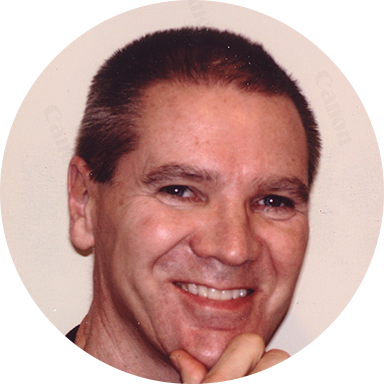
Donald Moore

Donald Moore earned his Bachelor of Music in organ performance and Master of Arts in Teaching from Kent State University. He serves as Organist-Choirmaster at Pilgrim United Church of Christ in Cuyahoga Falls, Ohio, and has composed over 500 works across sacred, secular, educational, and pop styles for choirs, organ, and piano, published by Alfred Music, Hal Leonard, Heritage Music Press, and others.

Moore's compositions appear regularly in state contests and festivals and have been performed at state, regional, national, and international music conventions. He is a seventeen-time winner of the ASCAP Composers Standard Award and was recognized by the American Choral Directors Association as one of 400 elite composers of significance in American choral music history.

Why we love this

Moore builds choral technique into every bar without sacrificing joy. The madrigal idiom gives singers real independent lines to track, while the singable melodies mean your section leaders aren't wrestling with awkward intervals. The "fa la la" refrain does double duty: it's instantly festive, yet it also becomes a rhythmic anchor that unifies three different vocal parts during the more complex passages.

What to expect

Playful and elegant at once. The "fa la la" sections bubble with infectious lightness, while the madrigal passages invite singers into counterpoint that feels natural rather than academic. This is choral writing that respects the style's history without sounding remote or didactic.

Who it's for

Mixed choirs and SAB ensembles looking for repertoire that teaches genuine madrigal craft without demanding advanced sight-reading. This works equally well for high school singers building their first exposure to early choral styles or community choirs seeking concert and festival material that sounds sophisticated but remains accessible.

How to get the most out of it

  • Establish the rhythmic independence of each part during the madrigal sections by having singers tap their own line while others sing, so they trust their voice part even when surrounded by moving parts.
  • Shape the "fa la la" section with forward energy and slight dynamic swell to make the contrast with surrounding material feel intentional rather than relief.
  • Layer parts gradually at early rehearsals: start with soprano alone, add alto, then add baritone. This order lets each singer hear the harmonic support they're building before they're asked to maintain their line independently.
  • Rehearse with vowel uniformity across all three parts on shared syllables, especially in sustained moments, to blend the separate lines into coherent harmony.

How to use it

Program it as a winter concert closer to leave audiences smiling, or anchor a concert segment exploring madrigal and early choral styles. Its brevity and festive character also make it ideal for adjudication or state competition, where it sits comfortably alongside other seasonal fare yet stands out for its musical substance.

Skills your students will build

  • Independent vocal line singing in three-part texture
  • Madrigal style conventions and historical performance practice
  • Ensemble blend across mixed voices
  • Rhythmic confidence in imitative counterpoint
  • Secure unaccompanied (a cappella) intonation

You May Also Like
