A Madrigal Cover Image

A Madrigal: 3-Part Mixed, <i>a cappella</i> Choral Octavo

$1.80 USD
Sale price  $1.80 USD Regular price 
Skip to product information
A Madrigal Cover Image

A Madrigal: 3-Part Mixed, a cappella Choral Octavo

Words and music by Sally K. Albrecht

Item: 00-35645

makemusic Cloud badge

Need it now?

Buy Digital Version
$1.80
Shipped

One moment…

Description
Here's a marvelous music history lesson! This clever a cappella choral features snippets of well-known madrigal texts and music, mixed in with an original contrapuntal theme.

Don't just read it, hear it, play along with it, and watch your students grow with it. In MakeMusic Cloud, A Madrigal: 3-Part Mixed, a cappella Choral Octavo comes alive with professional accompaniment, adjustable tempo, and built-in practice tools that turn solo practice into real progress.

Sample Pages

Sample Audio
0:00
0:00
Sample Video
Additional Details
Series: Alfred Choral Designs
Publisher: Alfred Music
Page Count: 12
UPC: 038081398419
SKU: 00-35645

More about this title

About the Composer: Sally K. Albrecht
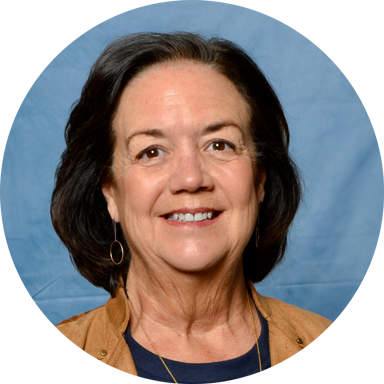
Sally K. Albrecht

Sally K. Albrecht has shaped American choral music through both composition and leadership for over four decades. Since 1987, she has received annual ASCAP Special Music Awards and maintains more than 600 published choral works in print, along with 75 larger-scale musicals and songbooks. Her career spans conducting honor choirs at major venues including Lincoln Center, Carnegie Hall, and The Kennedy Center, and she spent more than thirty years as Director of School Choral, Vocal, and Elementary Publications at Alfred Music.

Albrecht holds degrees from Rollins College (B.A. in Music and Theater, 1976), the University of Miami (M.A. in Drama, 1977; M.M. in Accompanying, 1979), and has taught at Oakland University, Jersey City State College, and Meredith College. She served as Chair of the Board of Trustees for the Omicron Delta Kappa National Leadership Honor Society and received their "Pillar of Leadership" award. In 2021, she was honored with the Distinguished Alumna Award from both the University of Miami Frost School of Music and Rollins College, where she serves on the Board of Trustees. She lives in Wake Forest, North Carolina, with her husband, composer and arranger Jay Althouse.

Why we love this

This piece elegantly weaves together recognizable madrigal excerpts with an original contrapuntal foundation, creating a musical experience that teaches while it sings. The three-part SAB writing makes it accessible for developing choirs without sacrificing the sophisticated harmonic language and textural variety that keeps singers engaged. Programming it opens doors to teaching the madrigal tradition and Renaissance polyphony without requiring your ensemble to tackle a full historical score.

What to expect

The piece sits comfortably between homage and originality, honoring the madrigal tradition while charting its own harmonic path. Listeners hear familiar Renaissance texts and melodies surface and recede within a freshly composed contrapuntal landscape, creating moments of recognition layered with discovery.

Who it's for

This octavo suits intermediate to advanced mixed choirs seeking thoughtful secular repertoire with educational depth. It works well for ensembles interested in exploring Renaissance music history without requiring specialized period expertise.

How to get the most out of it

  • Establish independence in each voice part before attempting the a cappella balance; blend and intonation require secure rhythmic and melodic confidence from every singer.
  • Highlight the moments where madrigal snippets emerge from the original material; making those quotations audible helps audiences understand the compositional design.
  • Work the contrapuntal lines as if they were instrumental voices with individual character; treating each part as a complete musical statement, not merely filler, brings clarity to the texture.

How to use it

Pair this with other madrigals or Renaissance selections to create a thematic concert segment on the history of secular choral music. Alternatively, program it as a concert finale where its clever synthesis of old and new provides intellectual and musical satisfaction without demanding extended preparation time.

Skills your students will build

  • A cappella intonation and blend
  • Part independence in contrapuntal textures
  • Recognition and interpretation of Renaissance text and compositional traditions
  • Ensemble balance across three voice parts

You May Also Like
