
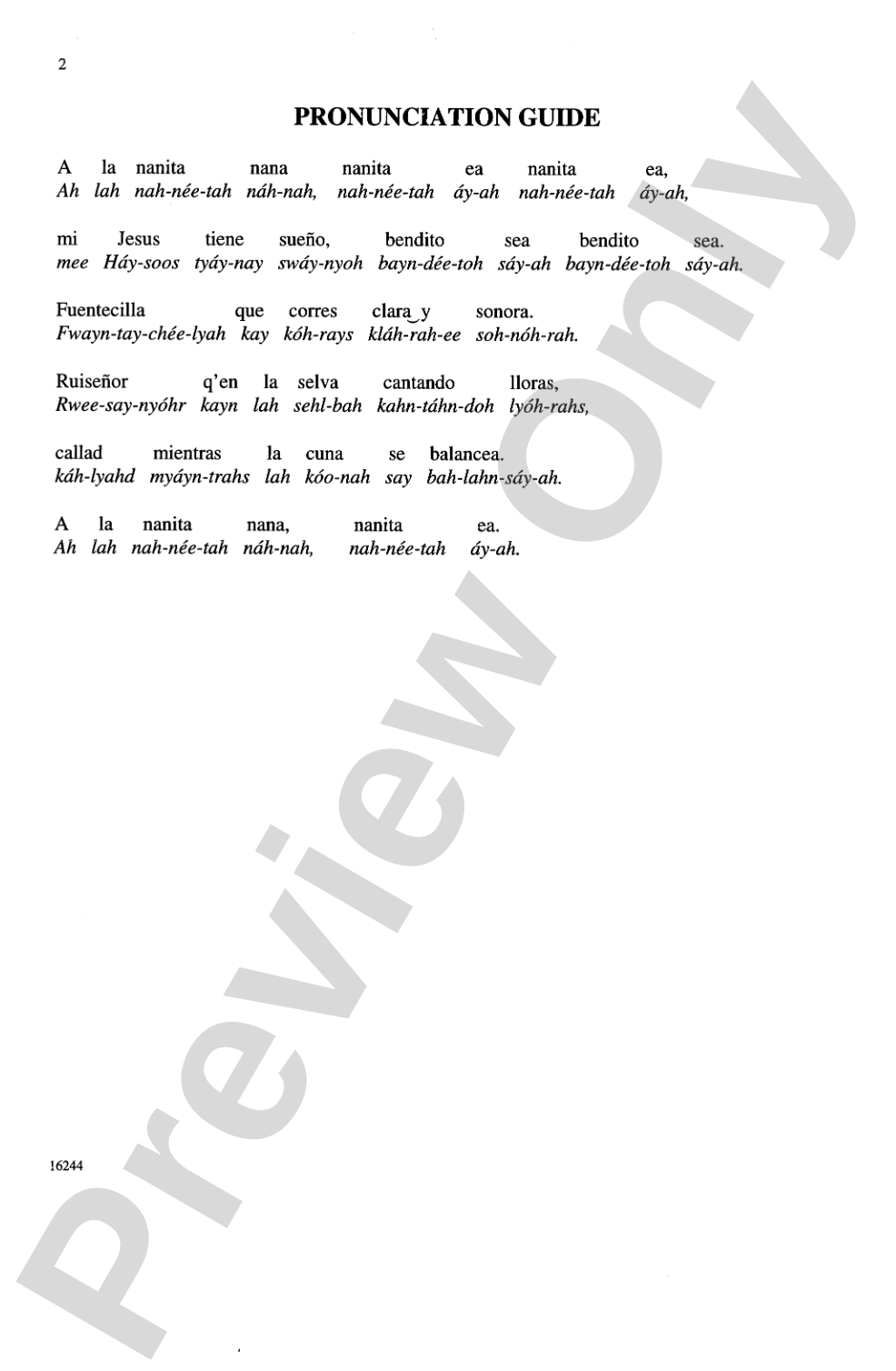
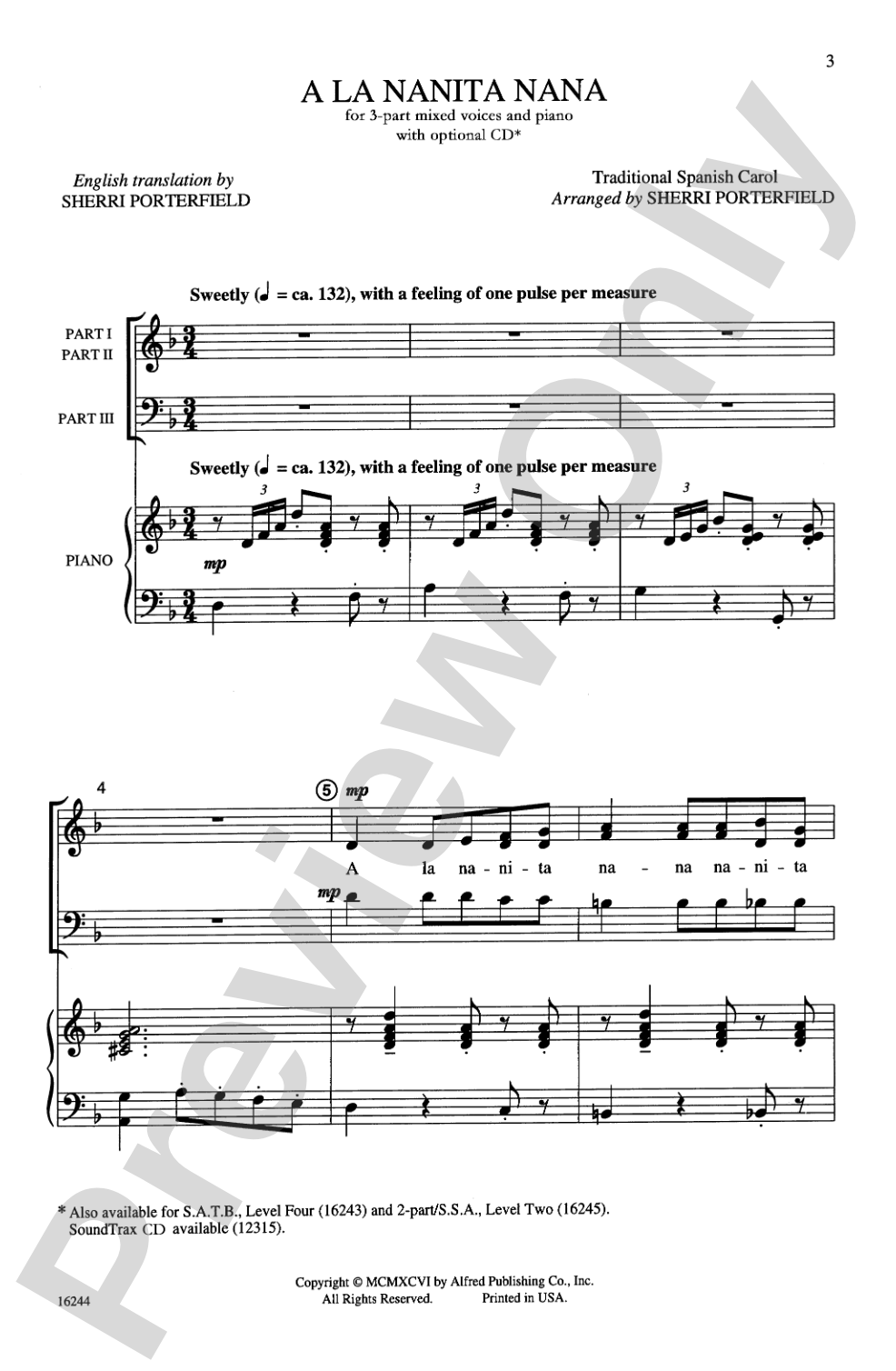

A La Nanita Nana: 3-Part Mixed Choral Octavo
Arr. Sherri Porterfield
Item: 00-PO-0002088
$2.25
Minimum order quantity: 20 copies
Pickup currently not available
Related Items
A La Nanita Nana: SATB Choral Octavo |
$2.25
|
View | |
A La Nanita Nana: 2-Part/SSA Choral Octavo |
$2.25
|
View | |
A La Nanita Nana: Choral Octavo SoundTrax CD |
$27.99
|
View | |
A La Nanita Nana: SATB Choral Octavo |
$2.25
|
View | |
A La Nanita Nana: 3-Part Mixed Choral Octavo |
$2.25
|
View | |
A La Nanita Nana: 2-Part/SSA Choral Octavo |
$2.25
|
View |
Description


A La Nanita Nana: 3-Part Mixed Choral Octavo isn't in MakeMusic Cloud just yet...but it could be. Let us know you'd like to see it, and you'll help shape what comes next. In the meantime, start a free trial and dive into thousands of interactive titles your students can play along with today.
Request This Title
Tell us you want it.
Start Your Free Trial
Explore everything that's ready to play right now.
Sample Audio
No sample audio found.
Sample Video
No sample videos found.
Additional Details
Series:
Alfred Archive Edition: Alfred Choral Designs
Publisher:
Alfred Music
Page Count:
12
SKU:
00-PO-0002088
More about this title
About the Arranger: Sherri Porterfield
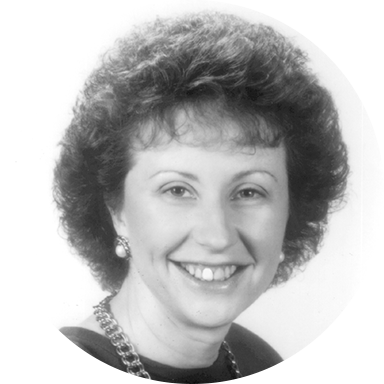
Sherri Porterfield directs choirs at Cedar Park Middle School in Cedar Park, Texas, and has built a reputation for competitive excellence across multiple states. Her choirs have earned numerous first place and sweepstakes awards at competitions and performed at state music educators conventions. She has also taught in Missouri and Kansas, and served as an adjunct assistant professor of music education at the University of Missouri-Kansas City Conservatory of Music.
With over 175 choral compositions in print, Porterfield has established herself as a prolific composer whose work appears in Alfred Music's catalog and many other major publishers. Since 1997, she has received annual ASCAP awards for her compositions. A native of Poplar Bluff, Missouri, she holds a B.S.E. in music education from the University of Memphis and a Master of Music in choral conducting from the University of Missouri-Kansas City. She regularly works as a clinician and guest conductor for honor choirs across the country and has been recognized four times in Who's Who Among America's Teachers.
Why we love this
Porterfield's arrangement honors the gentle, rocking character of this Spanish lullaby while keeping the vocal writing accessible for 3-part mixed ensembles. The piece sits naturally for SAB voicing and delivers warmth without technical complexity, making it ideal for winter programming that celebrates cultural diversity. Her experience writing for student choirs shows in every phrase; the arrangement works because it trusts the singers to find the music's intimate beauty.
What to expect
Gentle and intimate, this lullaby carries the quiet dignity of a parent singing a child to sleep. The harmonies are warm without being heavy, creating a peaceful atmosphere that feels both timeless and immediate.
Who it's for
Middle school and high school choirs looking for repertoire that introduces multicultural material in an approachable vocal setting. This arrangement works equally well for community choirs and church ensembles seeking seasonal literature with cultural authenticity.
How to get the most out of it
- Balance the melody with soft, sustained accompaniment parts; the lullaby's power lies in its simplicity, not volume.
- Shape the Spanish text with natural phrasing rather than strict metric emphasis; let the language guide your interpretation.
- If using the recorded accompaniment, listen as a choir first to understand the tempo and rhythmic feel before rehearsing independently.
- Keep vowel sounds warm and consistent across all three parts to blend the harmonies into a unified texture.
How to use it
Program this as a gentle moment in a winter concert, perhaps paired with other cultural or secular holiday pieces to build thematic diversity. The modest page count and accessible voicing make it an excellent choice for including in a winter concert without overwhelming rehearsal schedules.
Skills your students will build
- Singing in Spanish with accurate pronunciation and natural phrasing
- Blending three-part harmony in SAB voicing
- Sustaining soft dynamics and legit tone in the upper-middle vocal range
- Responding to the recorded accompaniment track and maintaining ensemble unity with external support