Zum Gali Gali Cover Image

Zum Gali Gali: 2-Part Choral Octavo

$2.05 USD
Sale price  $2.05 USD Regular price 
Skip to product information
Zum Gali Gali Cover Image

Zum Gali Gali: 2-Part Choral Octavo

Arr. Dan Schwartz

Item: 00-16314

makemusic Cloud badge

Need it now?

Buy Digital Version
$2.05
Shipped

One moment…

Description
An easy and lively arrangement for 2-part voices of the famous Israeli folk song. Clever scoring gives each part the melody in turn. A great introduction to part singing for a young choir. Very simple piano accompaniment.

Don't just read it, hear it, play along with it, and watch your students grow with it. In MakeMusic Cloud, Zum Gali Gali: 2-Part Choral Octavo comes alive with professional accompaniment, adjustable tempo, and built-in practice tools that turn solo practice into real progress.

Sample Pages

Sample Audio
No sample audio found.
Sample Video
Additional Details
Series: Alfred Choral Designs
Publisher: Alfred Music
Page Count: 8
UPC: 038081136660
SKU: 00-16314

More about this title

About the Arranger: Dan Schwartz
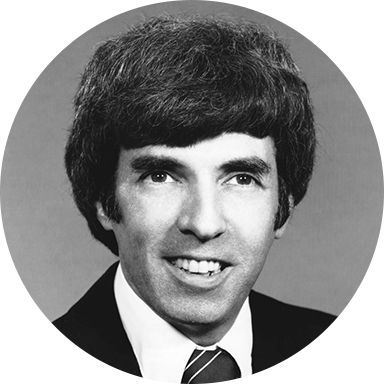
Dan Schwartz

Dan Schwartz has established himself as a prolific choral arranger and composer, with more than 100 published works distributed by Alfred Publishing, Carl Fischer, Hal Leonard, Warner Bros., and other major houses. His professional training includes a diploma from Teachers College at Columbia University, where he also pursued doctoral studies.

With over three decades of experience in music education, Schwartz has worked as a public school teacher, college instructor, clinician, adjudicator, and performing pianist. He founded and directed both the Jersey City State College Jazz/Show Choir and the Manhattan School of Music Jazz Choir, and served as National Chair of the ACDA Jazz/Show Choir Committee from 1983 to 1995. Schwartz has been a frequent contributor to the Choral Journal, leads the Dan Schwartz Trio, and holds membership in the American Federation of Musicians, IAJE, MENC, ACDA, and ASCAP, for which he has received seven Music Awards.

Why we love this

Schwartz's arrangement captures what makes folk music so valuable for young choirs: it builds part independence without overwhelming singers or sacrificing the joy of singing together. The alternating melody treatment means every section gets the tune, which keeps engagement high and solves the common early 2-part challenge of singers feeling like they're stuck on a harmonic line while listening to someone else have all the fun.

What to expect

Buoyant and inclusive, with the ease of a playground round sung with purpose. The melody trades between the parts like friends passing a tune back and forth, and the simple piano support lets the voices sit center stage without harmonic complexity getting in the way of joy.

Who it's for

Young choirs discovering the rewards of part singing, from middle school through early high school. This piece works especially well for singers tackling their first or second 2-part arrangement, where a familiar tune and straightforward harmony remove anxiety and let voices settle into blending.

How to get the most out of it

  • Balance the parts so whichever section carries the melody in a given phrase comes through clearly. This helps the other section understand where they fit and builds confidence in young singers learning to blend rather than blend away.
  • Keep the tempo steady but not sluggish; the "lively" character relies on rhythmic buoyancy. A recorded accompaniment (available separately) can anchor the pulse and free you to listen to voice quality.
  • Encourage singers to connect the Israeli roots with the spirit of the text through clear diction and open sound. The simplicity of the arrangement means musicality lives in how singers shape phrases, not in complex harmonic color.

How to use it

Program this as a cultural bridge, especially in concerts celebrating diversity, Jewish heritage, or world music traditions. It pairs well with other accessible folk arrangements and provides a moment of transparent, unforced happiness that audiences and singers alike remember. Consider it a confidence builder early in the season or before introducing more demanding 2-part literature.

Skills your students will build

  • Singing a steady harmonic line while hearing the melody in another part
  • Maintaining independence in part singing within a transparent texture
  • Part-switching and recognition of melody ownership across voice sections
  • Ensemble blend with minimal harmonic complexity to support focus on tone and intonation
  • Connection to multicultural repertoire and Jewish folk traditions

You May Also Like
