
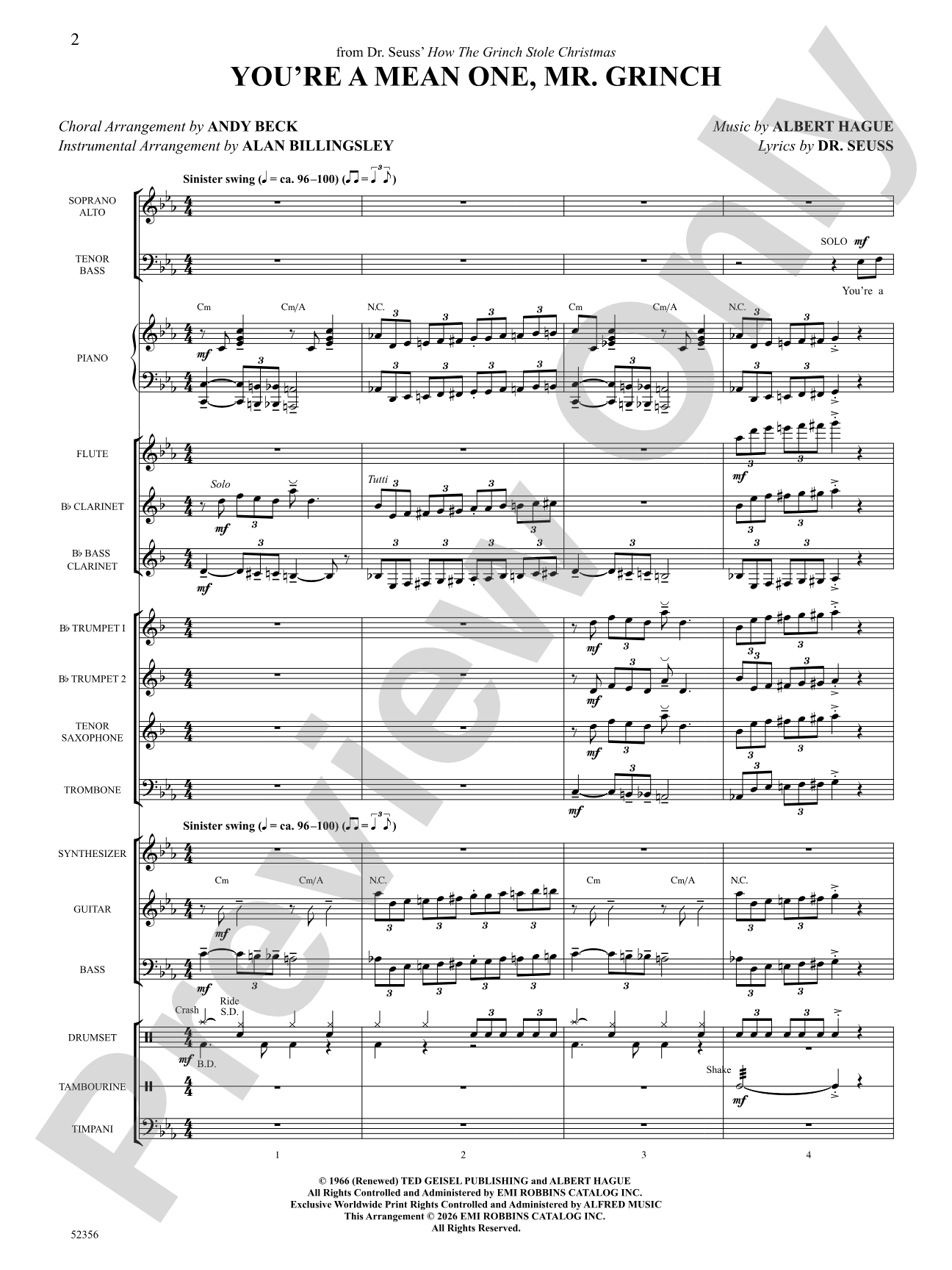
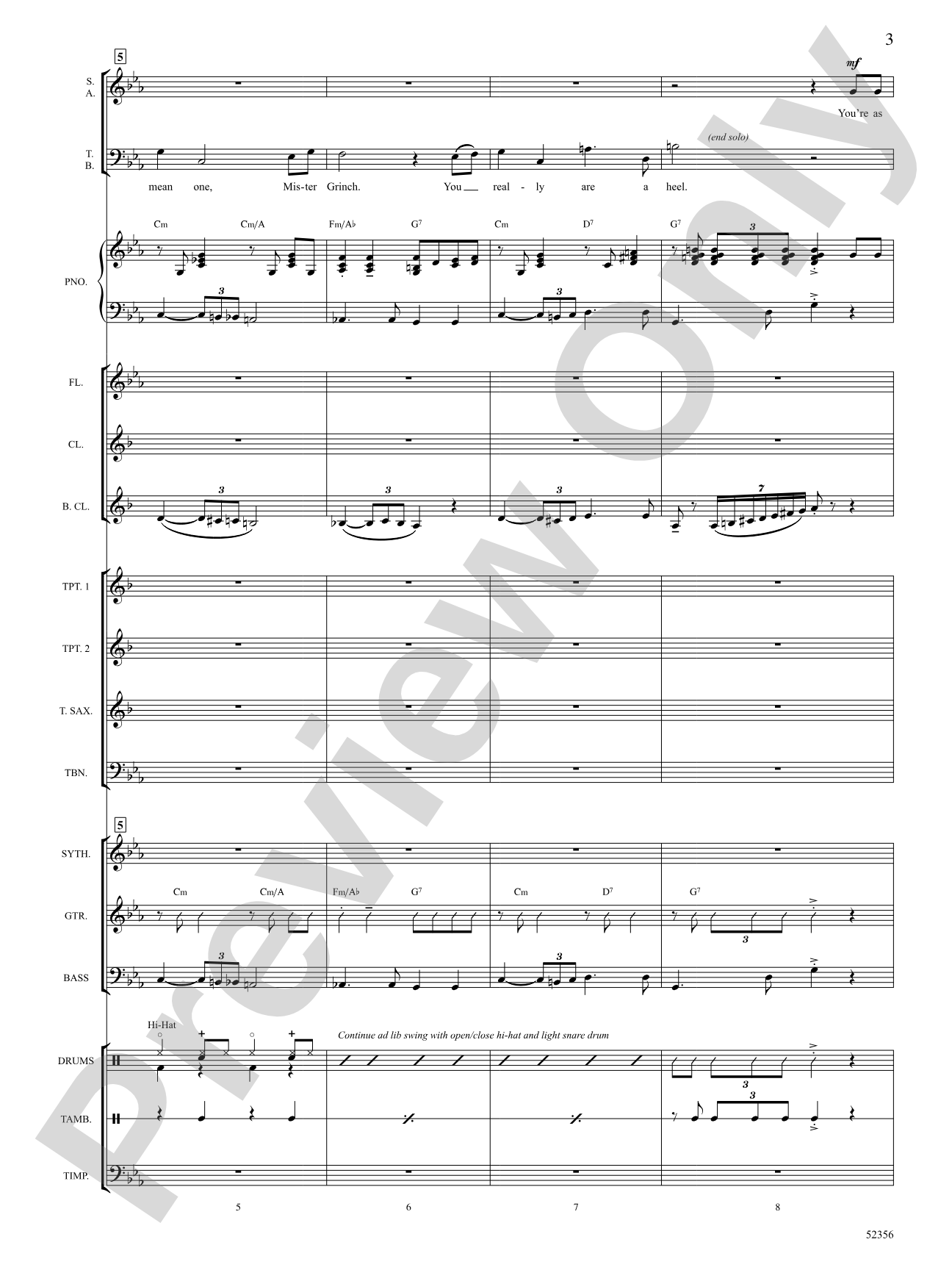
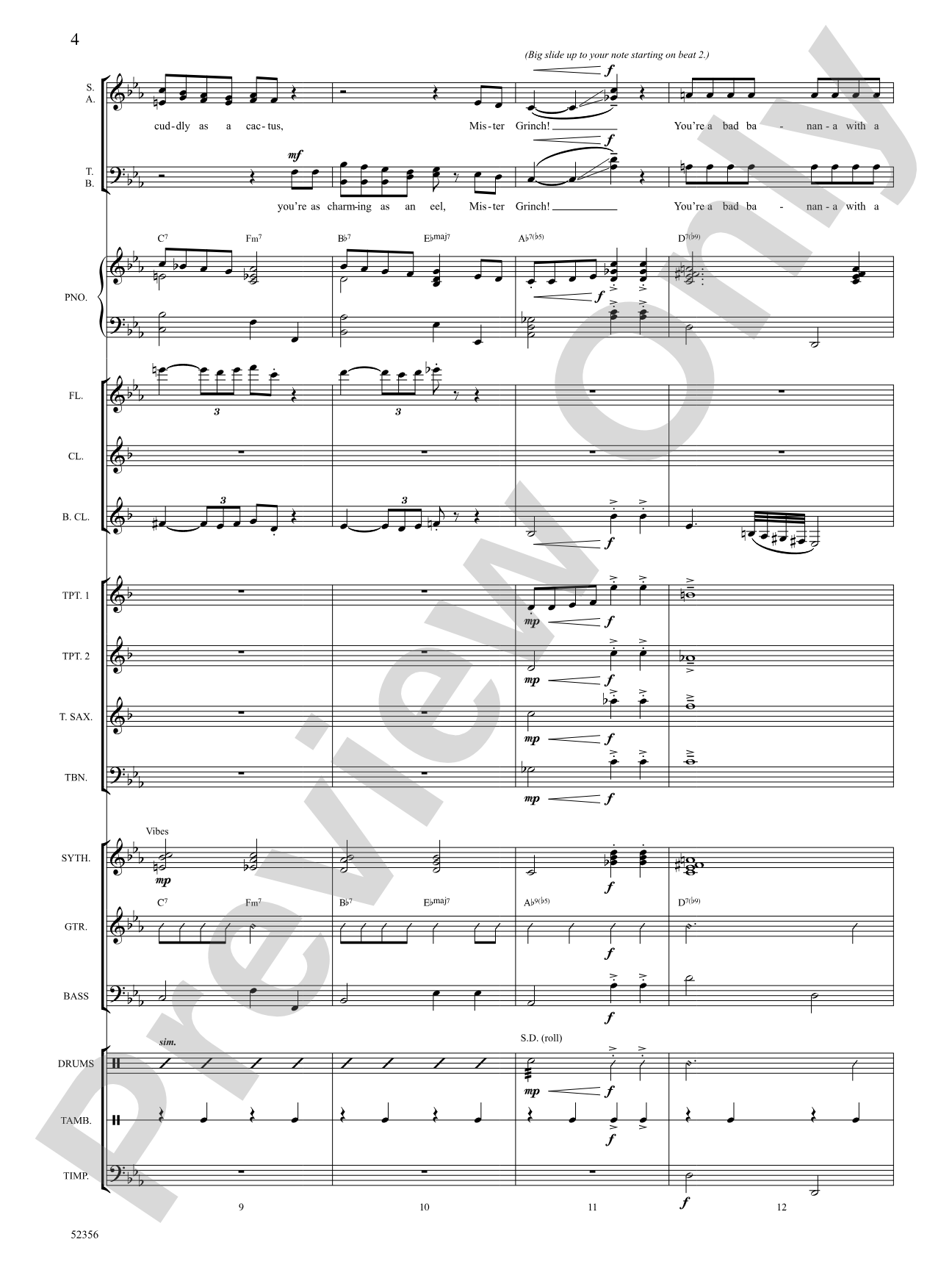
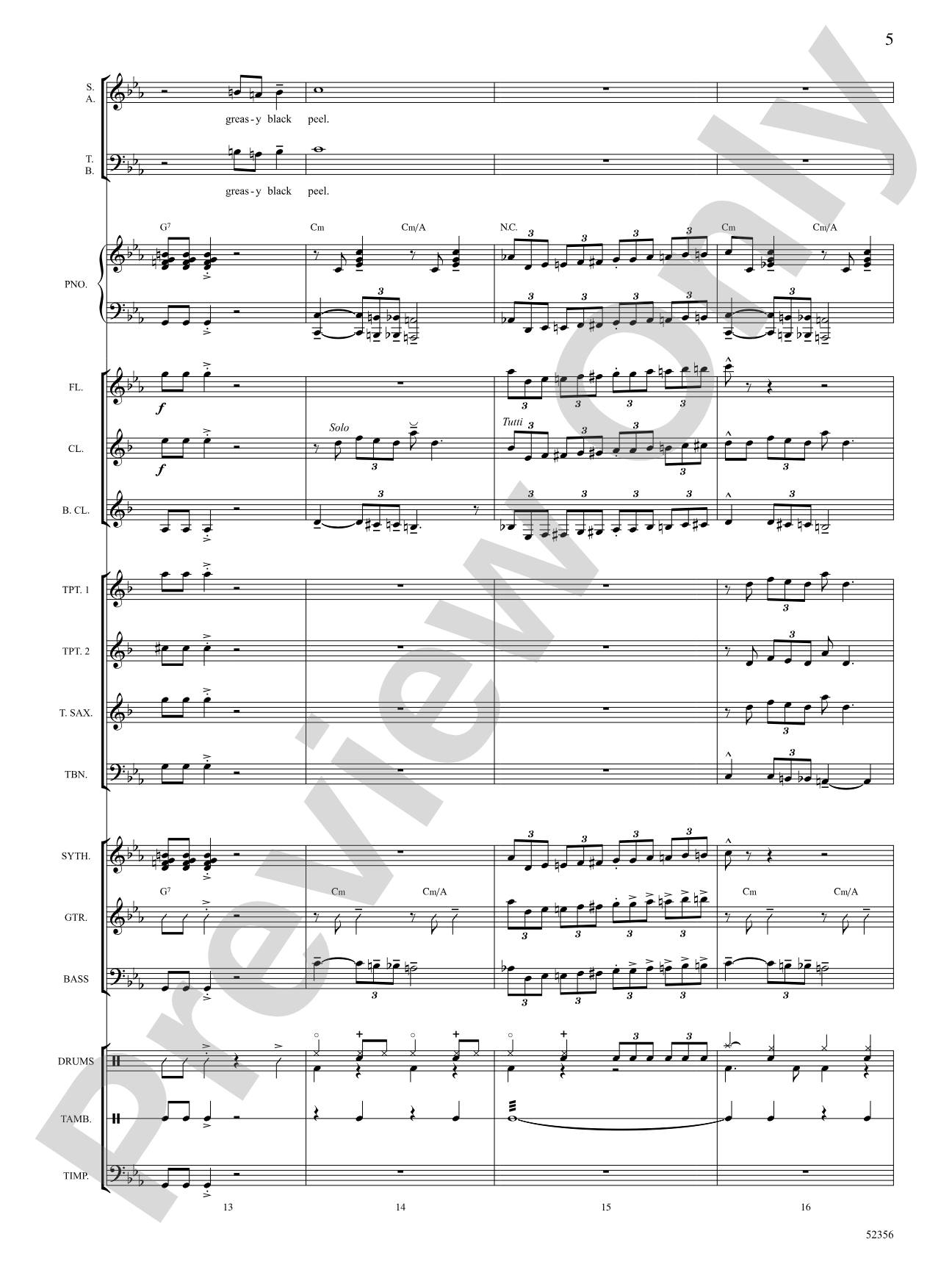

YOU'RE A MEAN ONE MR GRINCH/DIG SPX: Choral SoundPax Digital Download
from Dr. Seuss' How the Grinch Stole Christmas
Lyrics by Dr. Seuss, music by Albert Hague / arr. Andy Beck
Item: 00-PK-0009603
$50.00
One moment…
Related Items
YOU'RE A MEAN ONE MR GRINCH/DIG SPX: Choral SoundPax Digital Download |
$8.00
|
View | |
You're a Mean One, Mr. Grinch: SATB Choral Octavo |
$2.65
|
View | |
You're a Mean One, Mr. Grinch: SAB Choral Octavo |
$2.65
|
View | |
You're a Mean One, Mr. Grinch: TB Choral Octavo |
$2.65
|
View | |
You're a Mean One, Mr. Grinch: 2-Part Choral Octavo |
$2.65
|
View | |
You're a Mean One, Mr. Grinch: SATB Choral Octavo |
$2.65
|
View | |
You're a Mean One, Mr. Grinch: SAB Choral Octavo |
$2.65
|
View | |
You're a Mean One, Mr. Grinch: TB Choral Octavo |
$2.65
|
View | |
You're a Mean One, Mr. Grinch: 2-Part Choral Octavo |
$2.65
|
View | |
You're a Mean One, Mr. Grinch: Choral Octavo SoundTrax CD |
$29.99
|
View |
Description
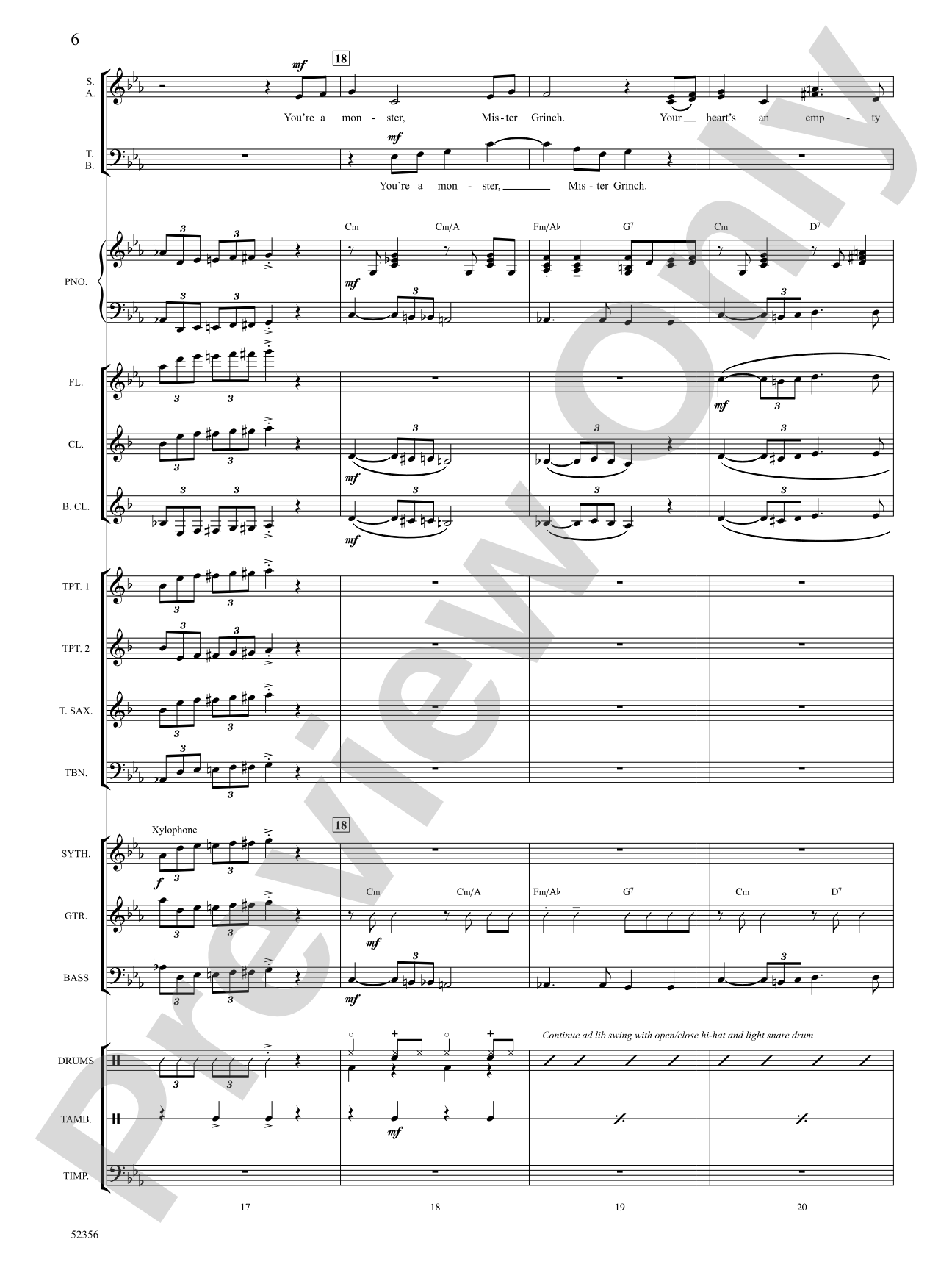
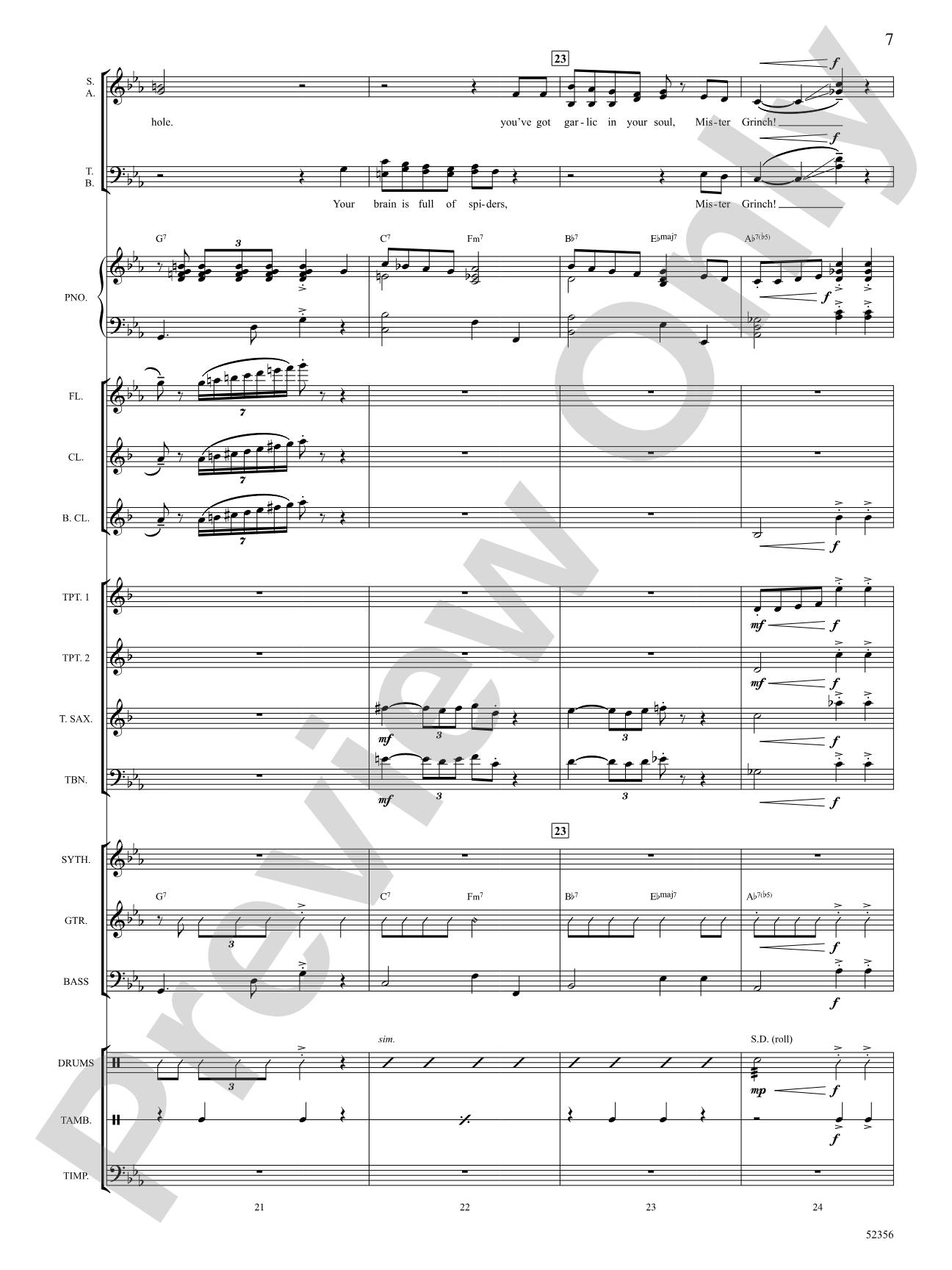
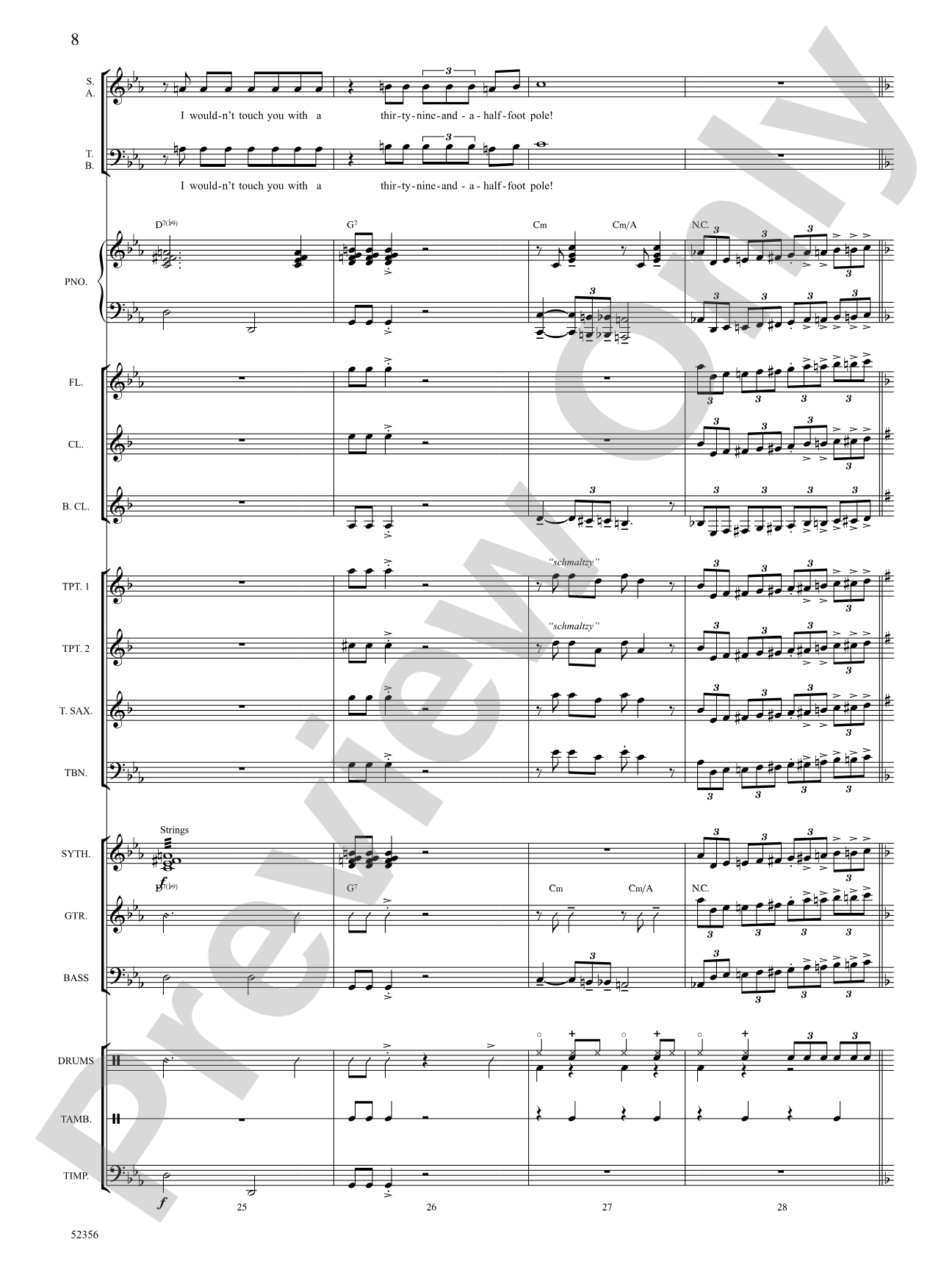
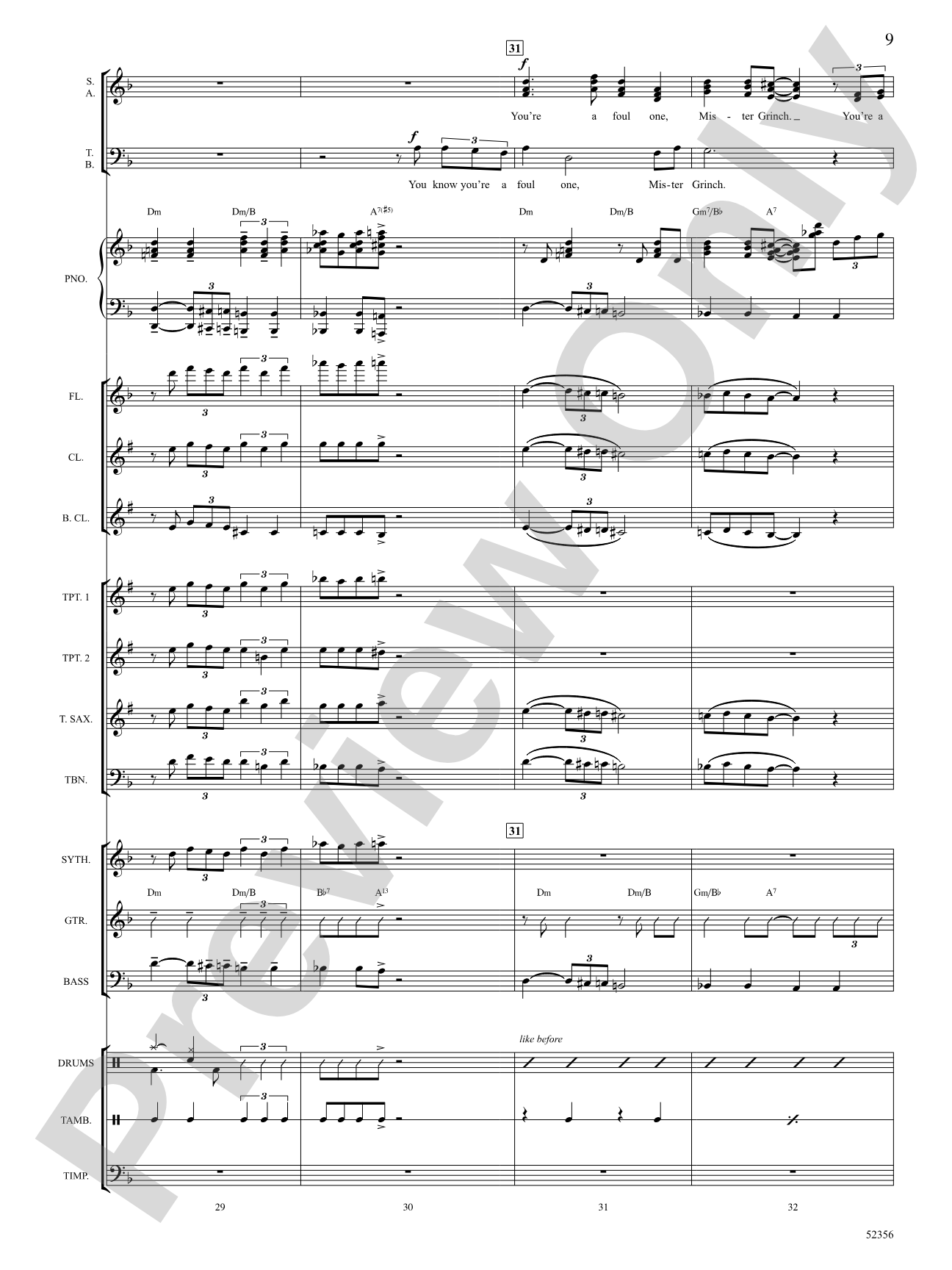
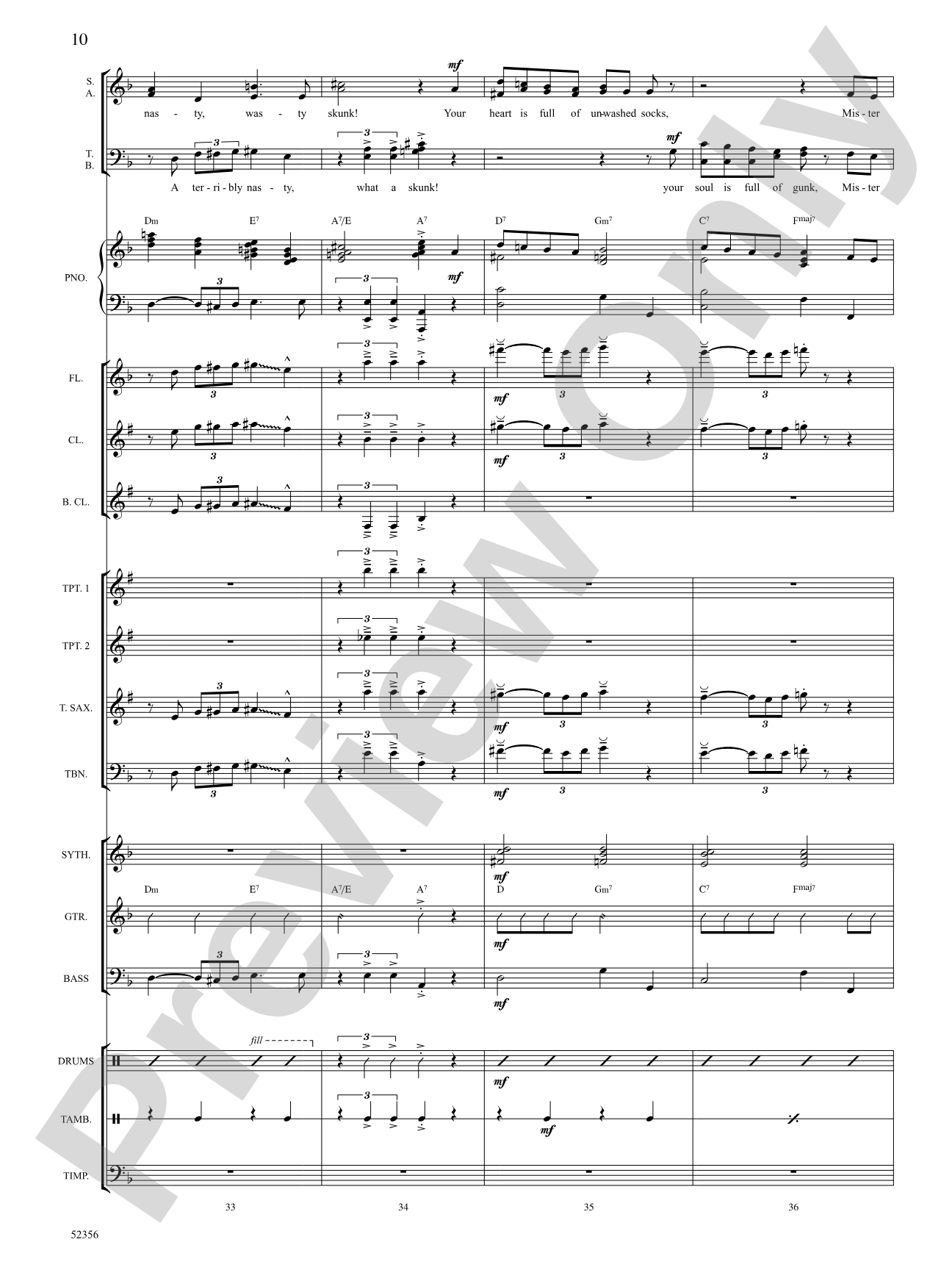
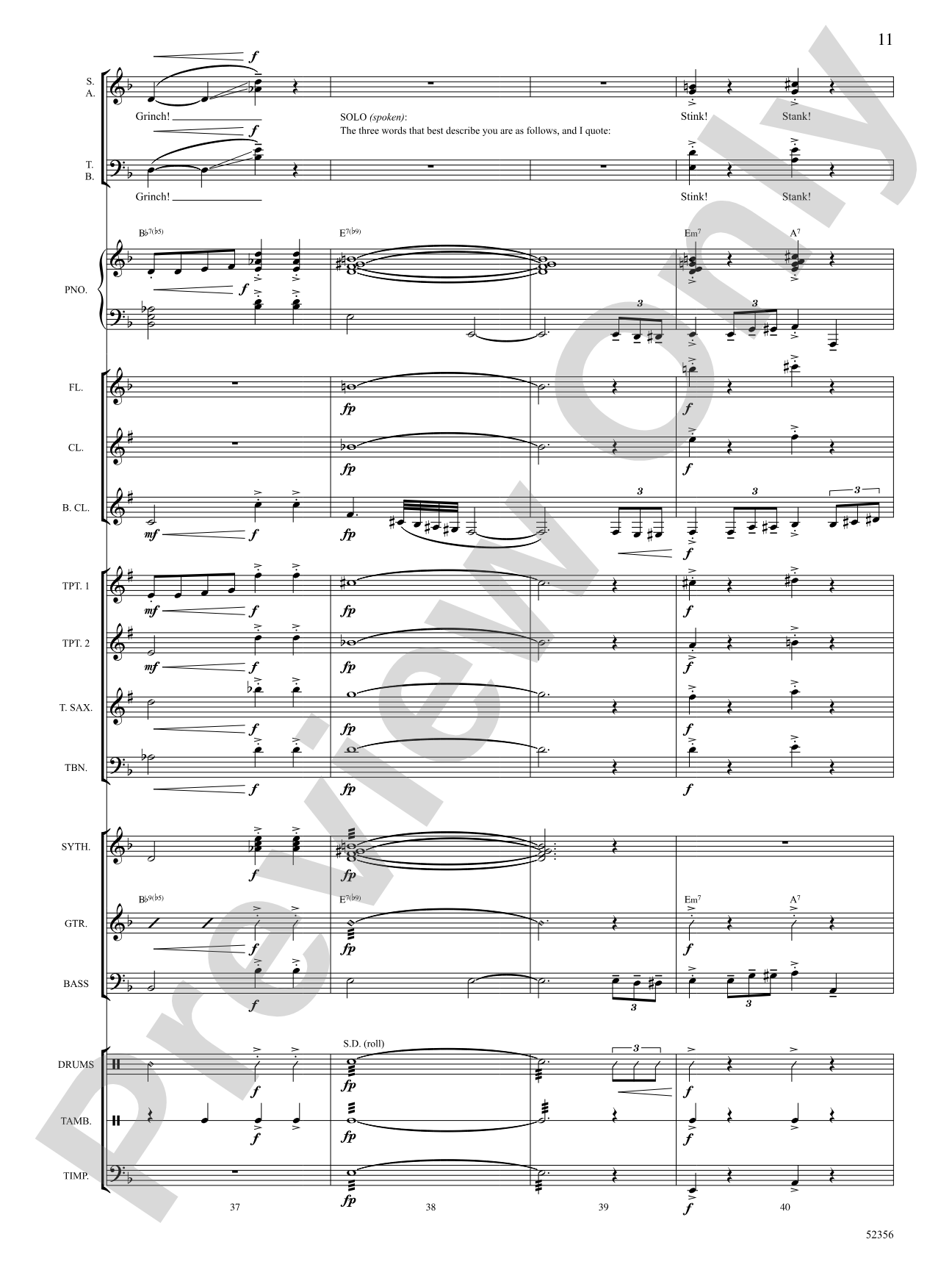
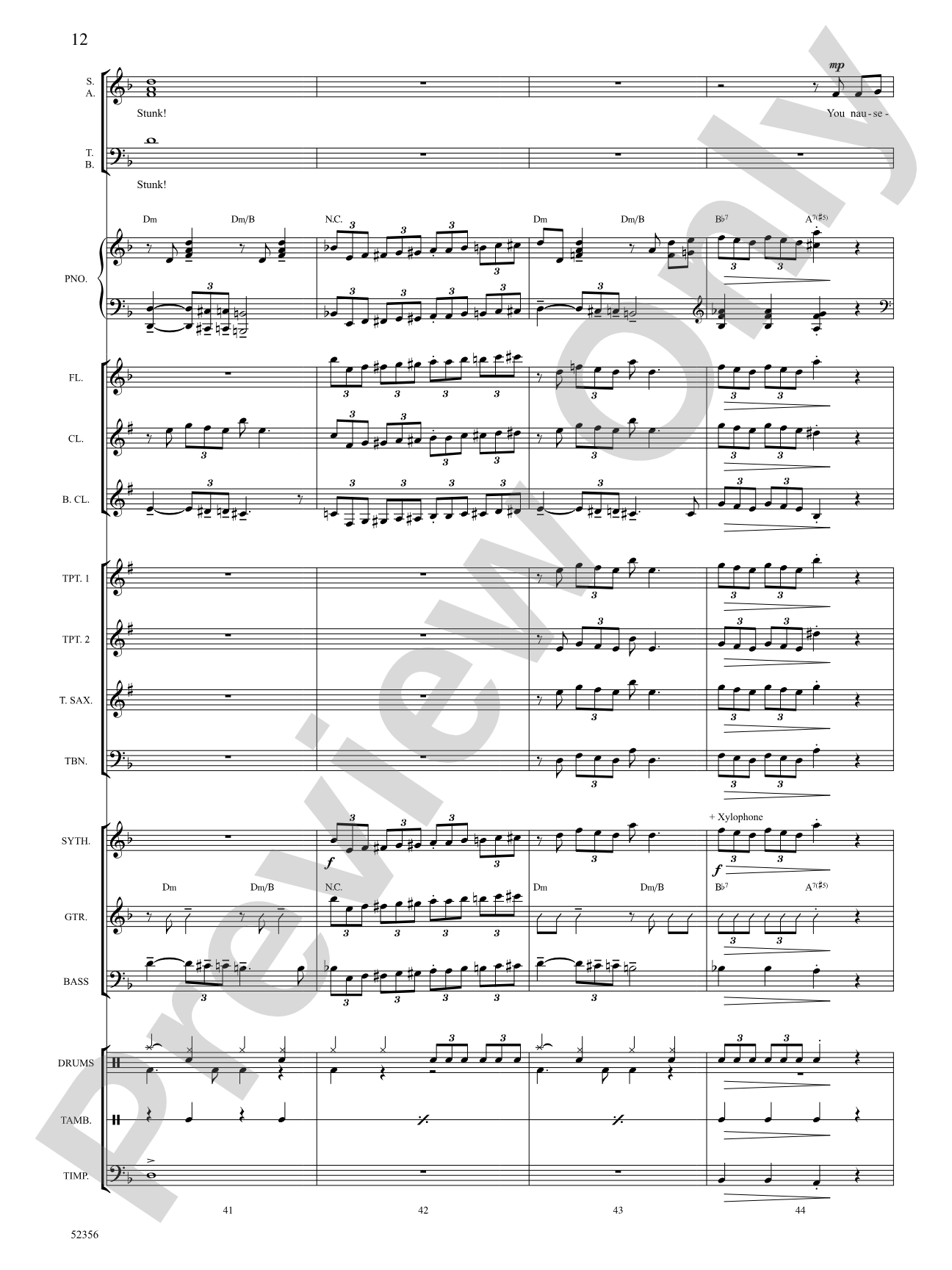
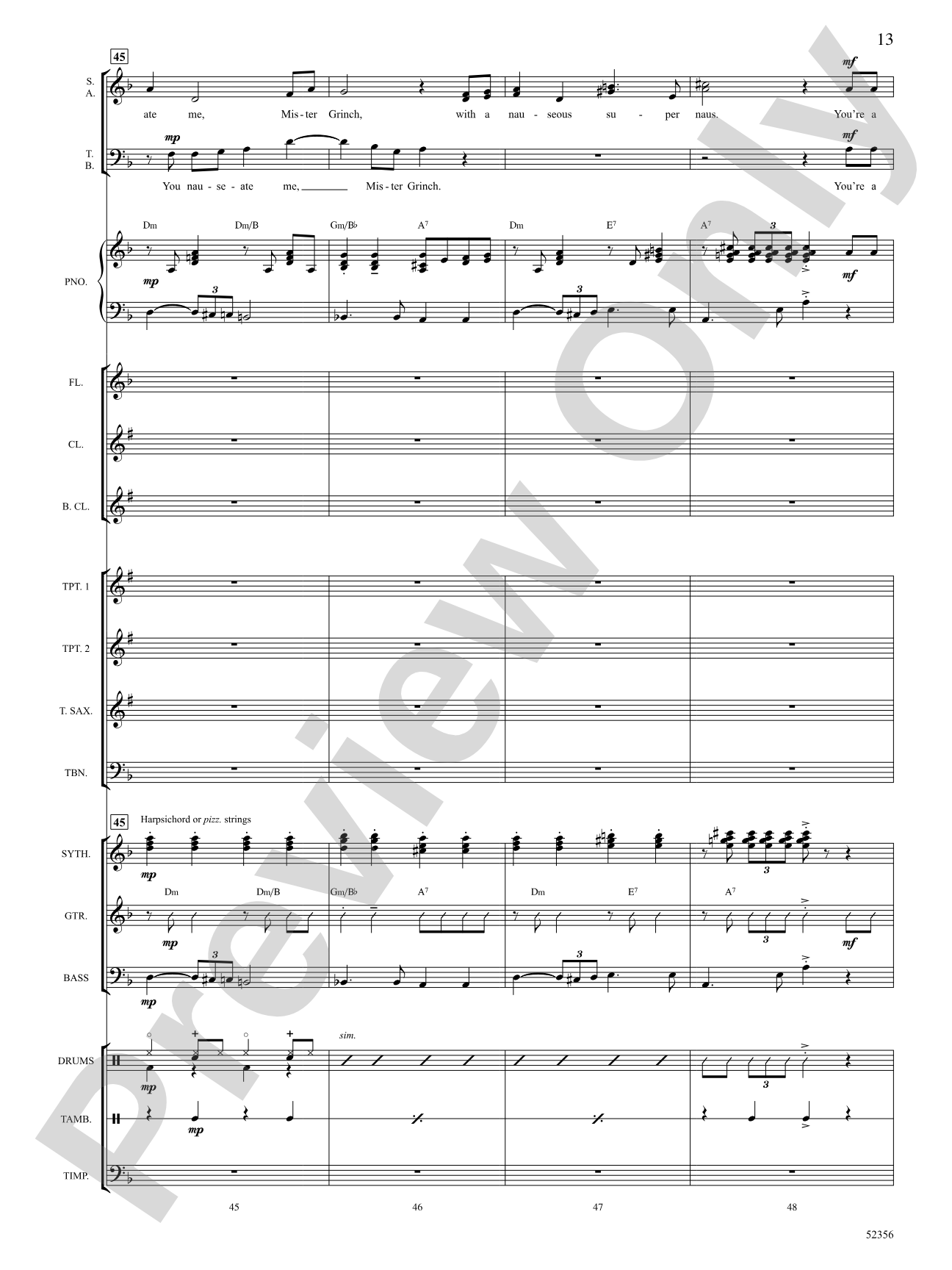
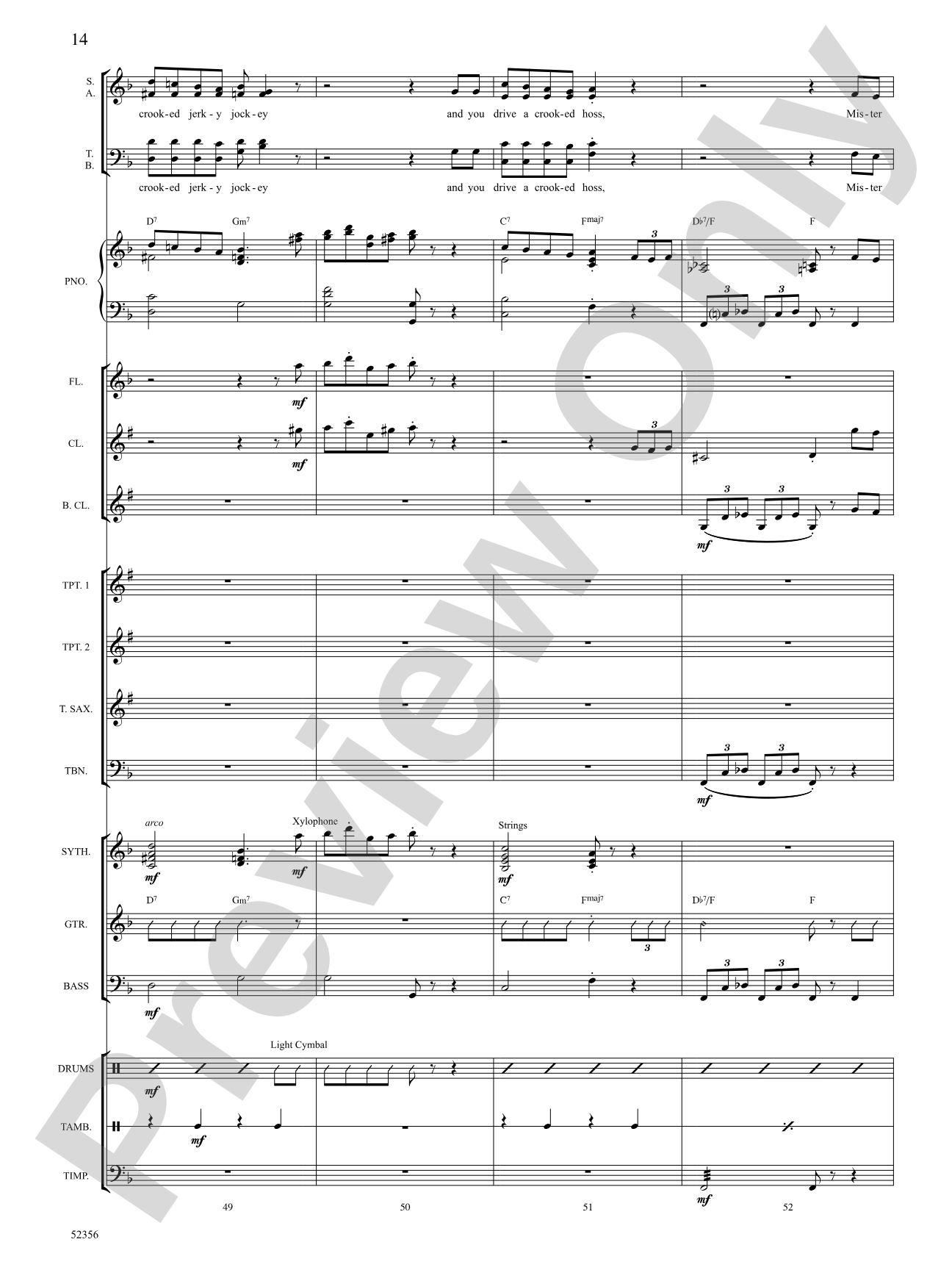
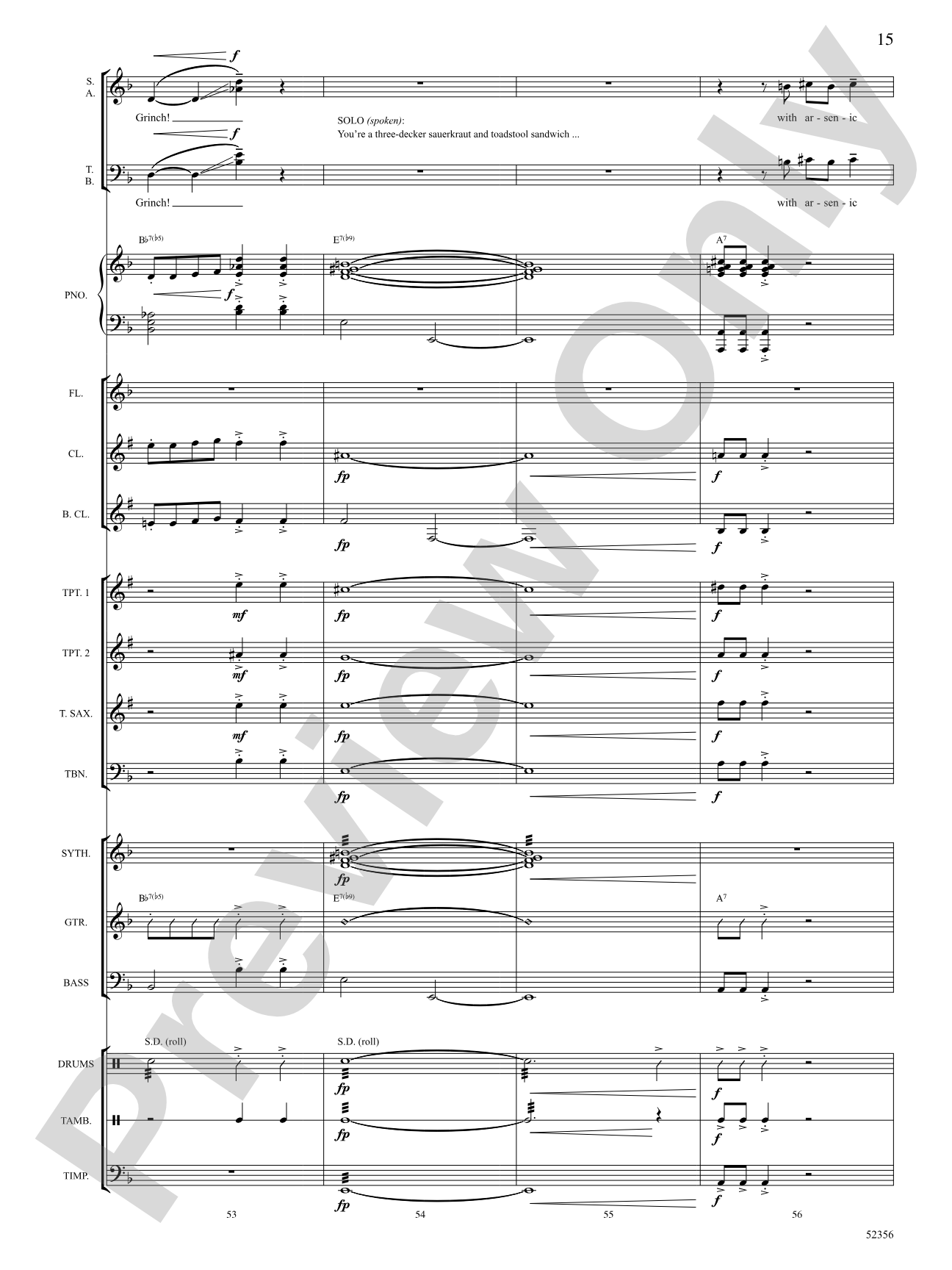
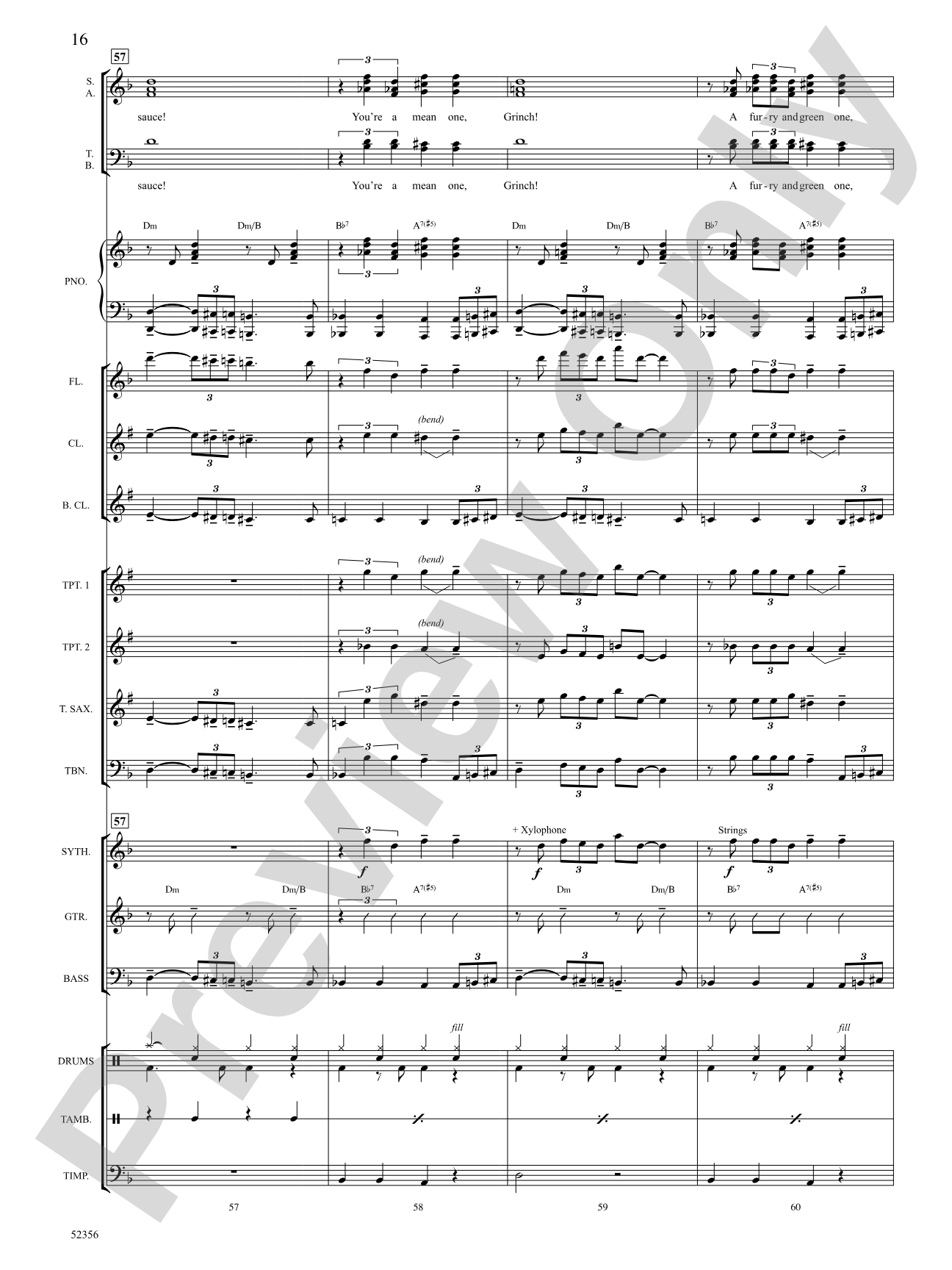
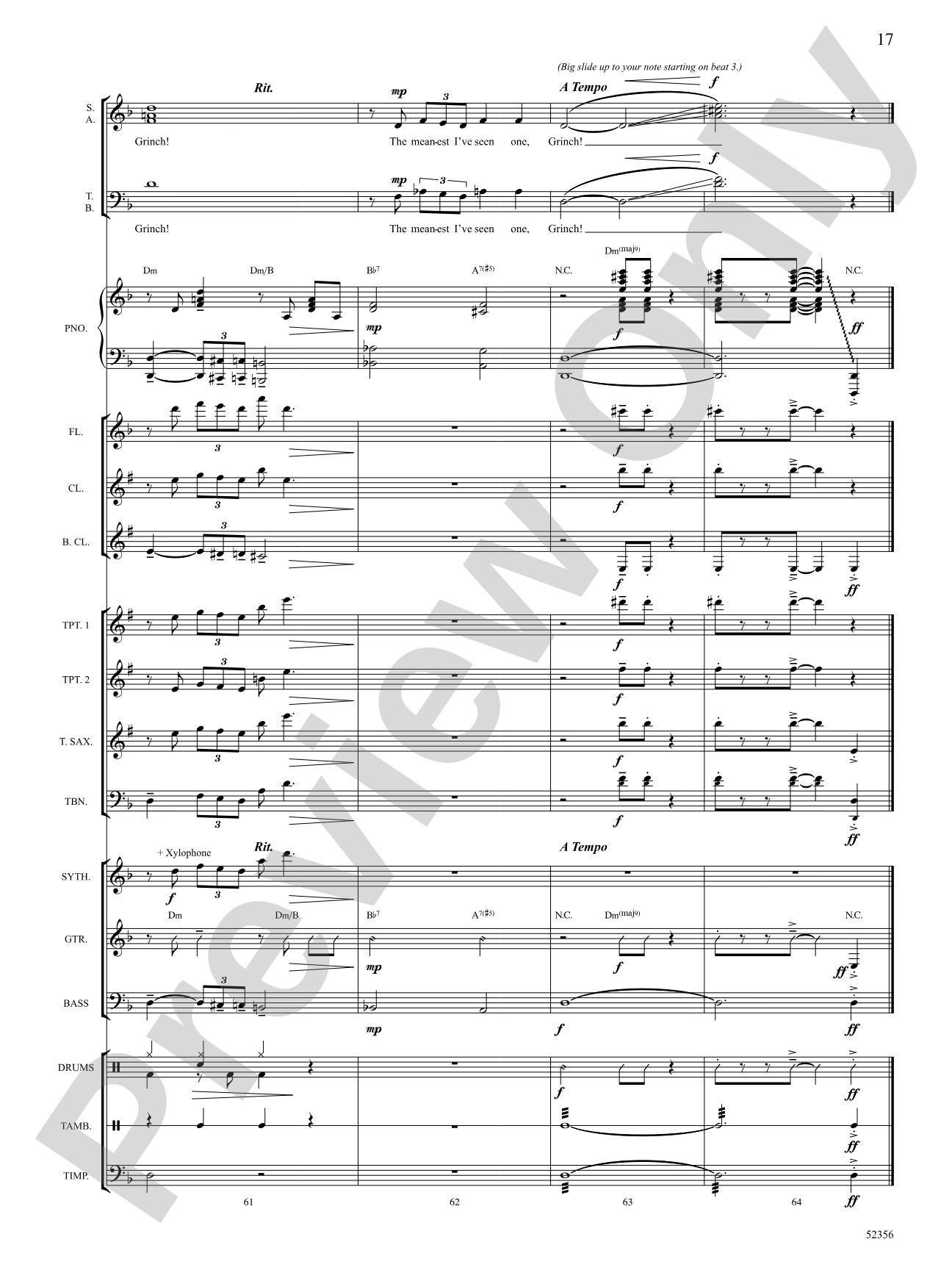
Dr. Seuss's iconic curmudgeon takes center stage in this swinging arrangement from the animated holiday classic. Choirs will love delivering over-the-top lyrics and stylized vocals with showstopping big-band flair. Bring the house down with sung and spoken mini-solos, punchy counterlines, theatrical slides, exaggerated dynamics, and more. It's a true crowd-pleaser delivered with pizzazz!


Discover MakeMusic Cloud: thousands of interactive titles your students can play along with today.
Sample Audio
1
Audio File
--:--
0:00
0:00
Sample Video
No sample videos found.
Additional Details
Series:
Alfred Pop Choral Series
SKU:
00-PK-0009603
More about this title
About the Composer: Albert Hague
Albert Hague composed the score for the 1966 animated television special "How the Grinch Stole Christmas," creating music that has become synonymous with the holiday season for generations of viewers. His ability to craft memorable melodies that capture both whimsy and character depth made him a sought-after composer for family entertainment, and his work on this special remains his most enduring legacy in music education.
Beyond the Grinch, Hague built a career in theater and film scoring, contributing to numerous Broadway productions and television projects. His gift for writing accessible yet sophisticated music made his work invaluable to performers at all levels, and his holiday compositions continue to serve as teaching tools for understanding how character, humor, and musicality intersect.
Why we love this
Andy Beck's arrangement strips away nothing of the original's comedic genius while amplifying the big band swagger and letting your singers sink their teeth into theatrical moments. The balance between ensemble passages and spoken/sung mini-solos gives every voice section opportunity to shine, making this feel like a genuine ensemble achievement rather than a solo showcase. Audiences consistently respond with genuine delight to the personality and energy this arrangement demands.
What to expect
Pure theatrical mischief wrapped in a big band groove. The arrangement bristles with energy; every measure seems designed to provoke grins from both singers and audience. It's the musical equivalent of that delicious moment when the Grinch realizes his elaborate plan to ruin Christmas, complete with exaggerated sullenness and comic timing that singers can milk for all it's worth.
Who it's for
Choirs seeking a holiday programming piece that lands with genuine entertainment value without sacrificing musicianship. This works equally well for high school choirs, community ensembles, and strong middle school groups comfortable with comedic interpretation and stylized vocal technique.
How to get the most out of it
- Nail the rhythmic precision of those punchy counterlines; they're what create the swinging propulsion. Mark difficult entrances in rehearsal by having singers count out loud in sections before adding text.
- Commit fully to the theatrical slides and exaggerated dynamics. This isn't a moment for restraint. The humor lives in the boldness of vocal choices, so encourage singers to lean into the cartoon sensibility.
- Assign spoken passages strategically by vocal timbre or character rather than strict part divisions. A baritone delivering a sarcastic line lands differently than a soprano, and that tonal variety serves the comedy.
- Use the recorded accompaniment in early rehearsals to lock down the groove, then pull it back gradually as your choir internalizes the swing feel. Your pianists and rhythm section will appreciate having freedom to breathe once the ensemble rhythm is secure.
How to use it
Position this as an act-closing number or second-half opener at holiday concerts. It provides the perfect tonal contrast to traditional seasonal repertoire and gives audiences permission to laugh, which sets a warmer tone for any serious pieces that follow. It also serves wonderfully in pops or variety concert contexts where you're building toward an evening of lighter entertainment.
Skills your students will build
- Stylized and exaggerated dynamic control within comedic contexts
- Swing rhythm interpretation and feel
- Theatrical spoken word integration with sung passages
- Part independence within countermelodic textures
- Character-driven vocal interpretation and ensemble storytelling