Yes, We All Have Our Cross to Bear Cover Image

Yes, We All Have Our Cross to Bear: SSAATTBB Choral Octavo

$2.95 USD
Sale price  $2.95 USD Regular price 
Skip to product information
Yes, We All Have Our Cross to Bear Cover Image

Yes, We All Have Our Cross to Bear: SSAATTBB Choral Octavo

Words and music by Dave Brubeck

Item: 00-38618

makemusic Cloud badge

Need it now?

Buy Digital Version
$2.95
Shipped

One moment…

Description

Don't just read it, hear it, play along with it, and watch your students grow with it. In MakeMusic Cloud, Yes, We All Have Our Cross to Bear: SSAATTBB Choral Octavo comes alive with professional accompaniment, adjustable tempo, and built-in practice tools that turn solo practice into real progress.

Sample Pages

Sample Audio
No sample audio found.
Sample Video
Additional Details
Series: Lawson-Gould: The Dave Brubeck Series
Publisher: Alfred Music
Page Count: 16
UPC: 038081427911
SKU: 00-38618

More about this title

About the Composer: Dave Brubeck
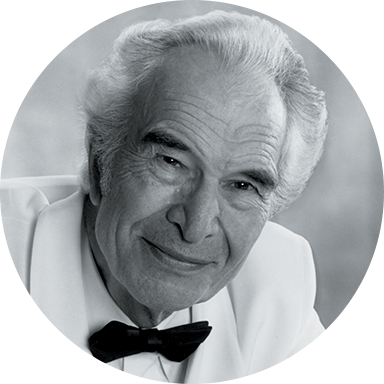
Dave Brubeck

Dave Brubeck stands as one of jazz's most influential figures, a pianist whose improvisational genius shaped the sound of modern jazz. Beyond the recording studio, he composed extensively across multiple genres: choral works, hymns, orchestral pieces, chamber music, ballets, and large-scale works for chorus and orchestra. His album Time Out became the first jazz record to sell over a million copies, and "Take Five" remains an iconic standard. Brubeck studied composition with Darius Milhaud at Mills College following World War II, and Milhaud encouraged him to synthesize the languages of jazz with classical music in his work.

Brubeck's sacred choral music reflects this fusion of idioms. His mass To Hope! has been performed and recorded internationally, including at the National Cathedral in Washington, DC. His oratorios The Voice of the Holy Spirit and Beloved Son, along with Pange Lingua Variations, were recorded by the London Symphony Orchestra and London Voices, cementing his place in the choral repertoire. Throughout his career, Brubeck received the Presidential Medal of the Arts, a Grammy Lifetime Achievement Award, and was elected to the American Classical Music Hall of Fame in 2003.

Why we love this

Brubeck brings the rhythmic sophistication and harmonic language of modern jazz into a sacred choral setting, creating something that feels both timeless and distinctly his own. The piece balances accessibility with musical substance, making it rewarding for singers who want to engage with jazz-inflected harmony and syncopation without excessive technical difficulty. For directors programming mixed repertoire, this offers a contemporary sacred work that breaks from traditional hymn arrangements and appeals to singers drawn to jazz idioms.

What to expect

The piece carries a quiet dignity tinged with the sophisticated harmony of modern jazz. There's a conversational warmth to it, as if Brubeck is reflecting on faith and resilience through a musical language that feels both personal and universal. The eight-part writing creates richness and depth, with moments of close harmonies that resonate with both vulnerability and quiet strength.

Who it's for

This octavo suits choirs with solid musicianship and comfort navigating jazz harmony and rhythmic language. It works equally well in collegiate, adult, church, and advanced high school choirs seeking contemporary sacred repertoire that honors both jazz tradition and choral craft.

How to get the most out of it

  • Emphasize the swing feel in rhythmic passages; this isn't classical precision but rather a loose, conversational jazz pulse. Encourage singers to listen across sections and lock into the groove together.
  • The eight-part texture creates opportunities for sectional balance work. Spend rehearsal time ensuring upper voices sit lightly on top while lower voices anchor the harmonic foundation.
  • Pay attention to vowel unification in sustained passages, especially where the eight-part harmony requires blend across divisi sections. Clear, consistent vowels help the piece breathe as one entity.
  • Work the text as a spiritual statement, not merely as syllables to be sung. The message of bearing one's cross deserves vocal commitment and emotional presence throughout.

How to use it

This works beautifully as a centerpiece in a concert exploring sacred jazz or contemporary spirituality. Pair it with other Brubeck choral works if available, or surround it with traditional hymn-based pieces to create a program that shows the range of sacred choral expression. It's also an excellent choice for a jazz-influenced service or concert in a church setting where the congregation has familiarity with modern idioms.

Skills your students will build

  • Reading and performing jazz harmony and extended tertian chords in a choral context
  • Navigating syncopated rhythms and swing feel as an ensemble
  • Balancing tone and blend in eight-part divisi writing
  • Performing text with spiritual intention and emotional communication
  • Listening across multiple voice parts to create harmonic cohesion

You May Also Like
