
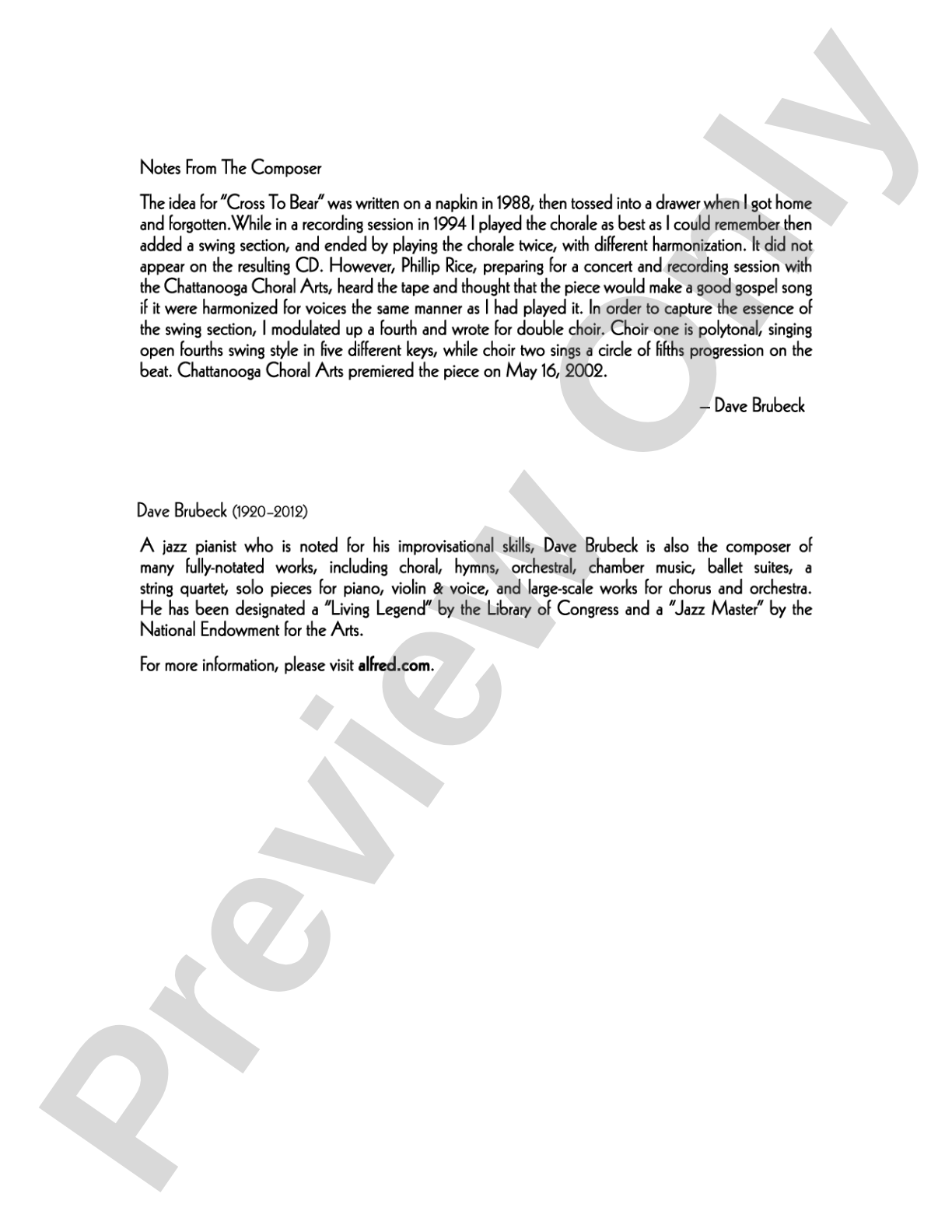
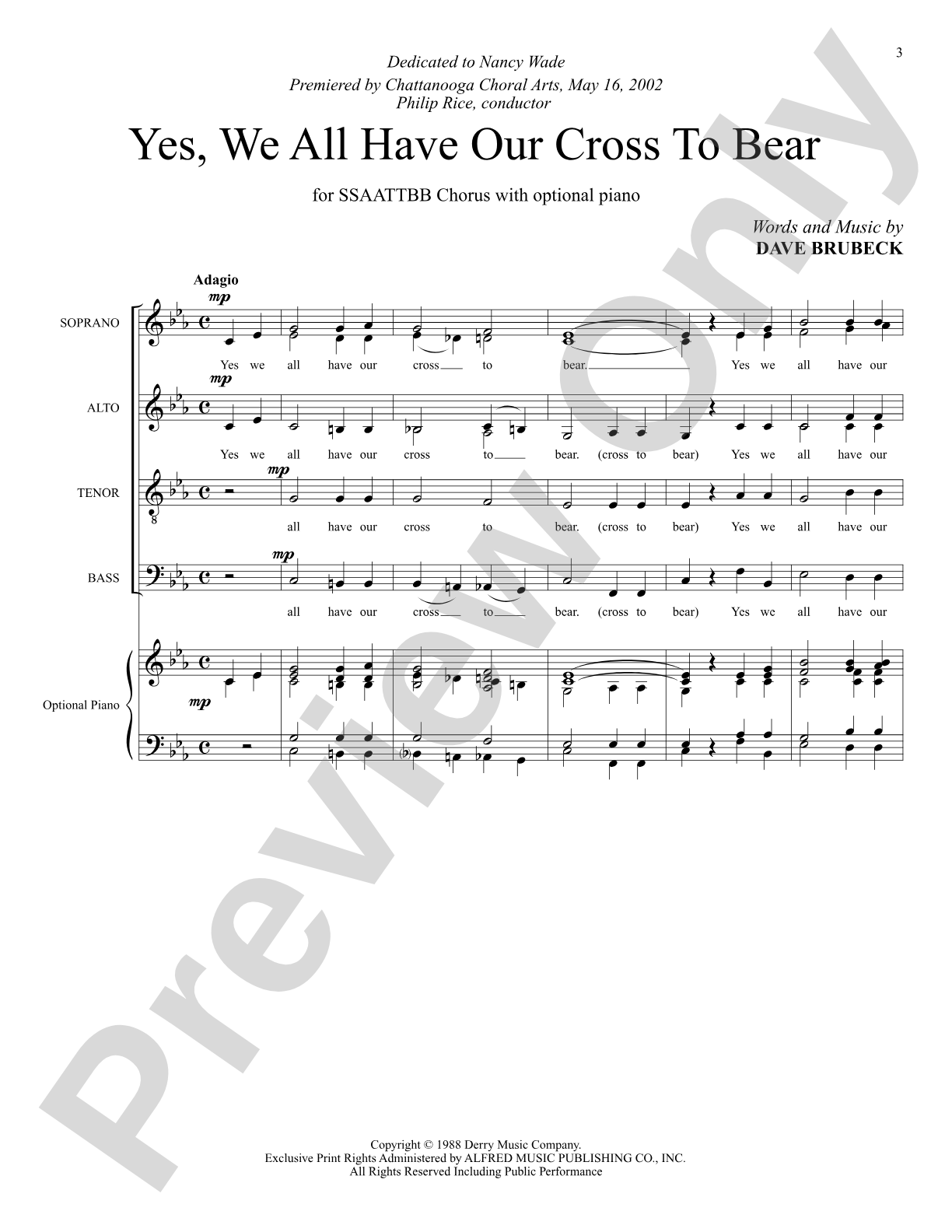
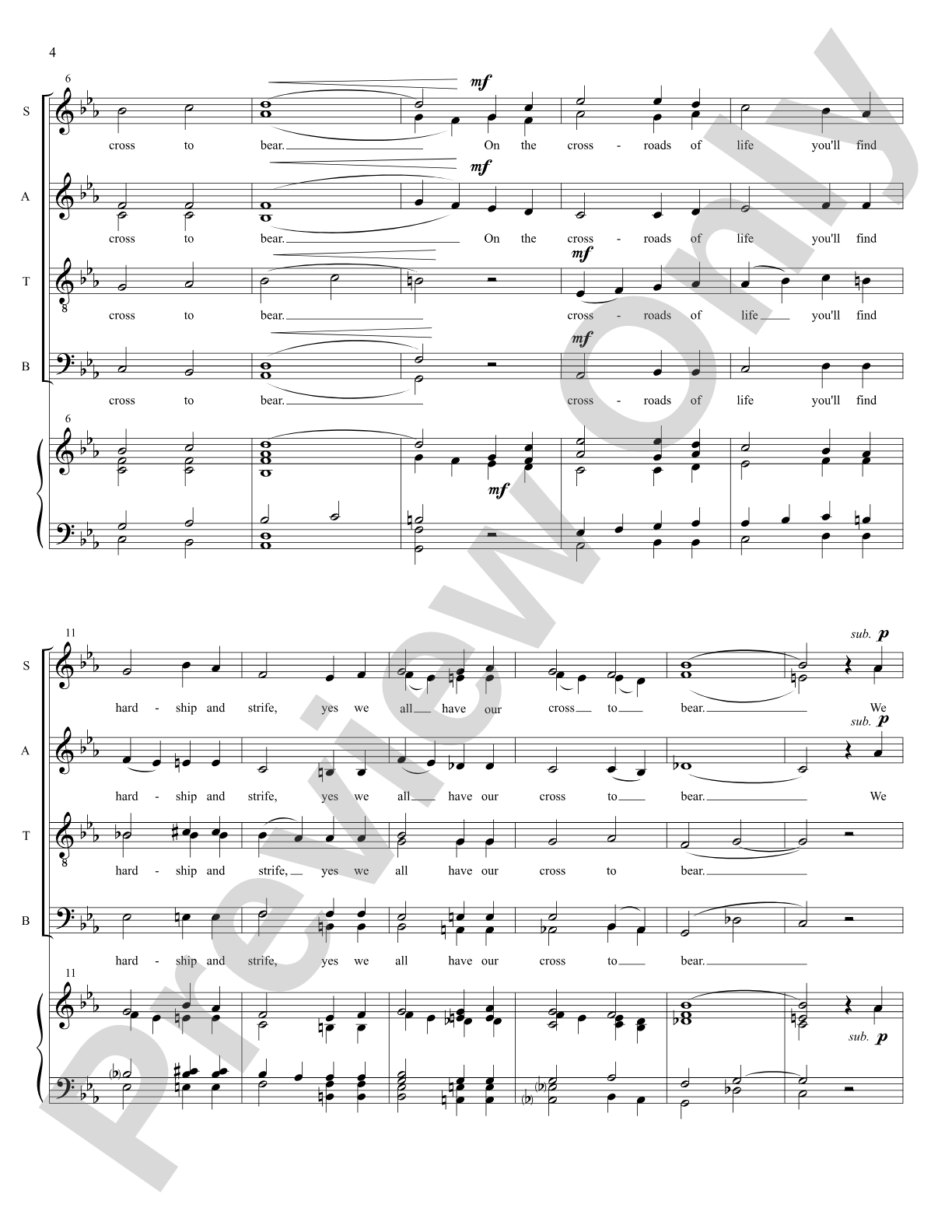

Yes, We All Have Our Cross to Bear: SSAATTBB Choral Octavo
Words and music by Dave Brubeck
Item: 00-PO-0004400
$2.95
Minimum order quantity: 20 copies
Pickup currently not available
Related Items
Yes, We All Have Our Cross to Bear: SSAATTBB Choral Octavo |
$2.95
|
View |
Description


Yes, We All Have Our Cross to Bear: SSAATTBB Choral Octavo isn't in MakeMusic Cloud just yet...but it could be. Let us know you'd like to see it, and you'll help shape what comes next. In the meantime, start a free trial and dive into thousands of interactive titles your students can play along with today.
Request This Title
Tell us you want it.
Start Your Free Trial
Explore everything that's ready to play right now.
Sample Audio
No sample audio found.
Sample Video
No sample videos found.
Additional Details
Series:
Lawson-Gould: The Dave Brubeck Series
Publisher:
Alfred Music
Page Count:
16
SKU:
00-PO-0004400
More about this title
About the Composer: Dave Brubeck
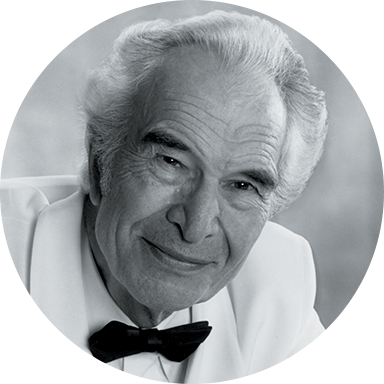
Dave Brubeck built his reputation as a jazz pianist and improviser, but his compositional reach extended far beyond the jazz idiom. He wrote sacred choral works, orchestral pieces, chamber music, ballets, and large-scale compositions for chorus and orchestra, all while maintaining the innovative spirit that defined his jazz career. His 1959 album "Time Out" became the first jazz recording to sell over a million copies, and his composition "Take Five" remains an enduring standard.
Brubeck studied composition with Darius Milhaud at Mills College after World War II, and Milhaud's mentorship encouraged him to synthesize jazz language with classical forms. His sacred works, including the mass "To Hope!" and oratorios such as "The Voice of the Holy Spirit" and "Beloved Son," have been performed and recorded internationally. Beyond music, Brubeck was a civil rights advocate who broke racial barriers in mid-20th-century America. He received the Presidential Medal of the Arts from President Clinton, a Grammy Lifetime Achievement Award, and was elected to the American Classical Music Hall of Fame in 2003.
Why we love this
Brubeck's sacred choral writing bridges jazz sensibility and hymn-like directness, giving singers a piece that feels both contemporary and timeless. The eight-part voicing offers rich harmonic color without requiring soloists, making it accessible for mixed choirs of varying sizes. This is the kind of repertoire that reminds singers why they love ensemble singing.
What to expect
The piece carries a quiet, reflective dignity. Its text about bearing one's cross suggests introspection rather than drama, and Brubeck's harmonic language supports that mood with warmth and gentle complexity. Singing in eight parts creates a full, enveloping sound that feels both personal and communal.
Who it's for
This octavo works well for advanced high school choirs and college/university ensembles that have solid sight-reading skills and experience with extended voicings. Community and church choirs with strong section leaders will find the piece singable and musically rewarding. Directors seeking sacred repertoire that reflects mid-to-late-20th-century American composers will value Brubeck's voice here.
How to get the most out of it
- Balance the upper and lower voices carefully in the fuller passages; the SSAA and TTBB sections should blend rather than compete, allowing the harmonic architecture to emerge clearly.
- Attend to text projection across all eight parts. With multiple voice lines, clarity of diction requires intentional vowel unification within each voice part and precise articulation of consonants.
- Shape phrases with the harmonic rhythm rather than mechanical phrasing. Brubeck's classical training shows in his harmonic movement; let the chords breathe and resolve naturally.
- Use the 16-page format to map structural points and rehearse in smaller vocal units before full ensemble runs. Breaking the piece into SATB + SATB or SSAA + TTBB sections accelerates learning.
How to use it
Place this on a sacred or spirituals-themed concert where it can anchor a set of other American choral works. It pairs naturally with hymn arrangements and other pieces that explore faith and endurance without requiring soloists. The 16-page length makes it substantial enough to merit its own concert slot while remaining manageable for typical rehearsal schedules.
Skills your students will build
- Reading and sustaining independent lines in eight-part voicing
- Blending four separate SATB quartets into unified harmonic color
- Projecting text clearly across complex polyphonic texture
- Understanding how jazz-influenced compositional techniques function in sacred choral music