Wood's Bolero Cover Image

Wood's Bolero: String Orchestra Conductor Score

$10.00 USD
Sale price  $10.00 USD Regular price 
Skip to product information
Wood's Bolero Cover Image

Wood's Bolero: String Orchestra Conductor Score

By Mark Wood

Grade: 2 & 4

Item: 00-49064S

$10.00
Shipped

One moment…

Description
This multi-level piece includes a full set of parts for grade 2 as well as a full set for grade 4 ensembles. Mix and match the parts as you need---perfect for mixed-ability ensembles!

The traditional bolero is a moderately slow dance in triple meter which originated in late 18th century Spain. Since then it has spread to other countries and become transformed in the process. The Cuban bolero became a bit faster in tempo and duple in meter. In the U.S. it became a staple of competitive ballroom dancing, even faster and in 4/4 time. Maurice Ravel's Boléro for orchestra harkens back to the slower Spanish dance in three. Wood's Bolero by Mark Wood, on the other hand, focuses on the American version but maintains elements of the dance's origins and first iterations. For string orchestra with optional rock rhythm section parts. (4:30)

Download Play-Along Track

Wood's Bolero: String Orchestra Conductor Score isn't in MakeMusic Cloud just yet...but it could be. Let us know you'd like to see it, and you'll help shape what comes next. In the meantime, start a free trial and dive into thousands of interactive titles your students can play along with today.

Sample Pages

Sample Audio

Wood's Bolero

0:00
0:00
Sample Video
Additional Details
Series: Mark Wood Series
Publisher: Alfred Music
ISBN10: 1-4706-4785-0
ISBN13: 978-1-4706-4785-8
UPC: 038081567075
SKU: 00-49064S

More about this title

About the Composer: Mark Wood
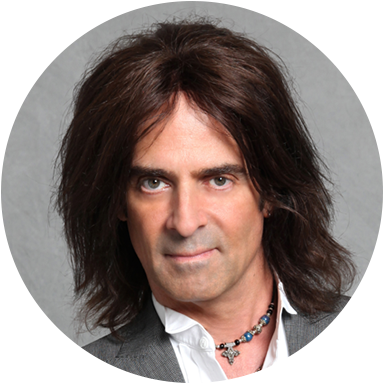
Mark Wood

Mark Wood has spent four decades as a transformative force in the string world, pioneering the electric violin as a legitimate concert and recording instrument. His technical command and stylistic range are legendary—PBS dubbed him the Eddie Van Halen and Jimi Hendrix of the violin world—but his real gift is translating the energy and accessibility of rock music into orchestral contexts without sacrificing musicianship.

As founding member of Trans Siberian Orchestra, Wood helped sell over 10 million records while establishing himself as a solo artist, film and television composer, and music educator. His Emmy Award-winning broadcast work (including The Winter Olympics and The Tour de France), collaborations with artists from Paul McCartney to Lenny Kravitz, and extensive commission work for institutions like Juilliard demonstrate his ability to move fluidly between concert hall and popular music worlds. Through his MWE band, YouTube channel, and educational projects, Wood has made electric strings accessible to student musicians everywhere.

Why we love this

Mark Wood understands how to make orchestral writing exciting without losing sight of what makes strings sing. The dual-level design respects your ensemble's actual capabilities rather than forcing everyone into a single part, and the optional rock rhythm section parts open pathways for collaboration with percussion and guitar players in ways most string orchestra repertoire simply doesn't allow.

What to expect

Wood's Bolero pulls the American ballroom bolero forward into contemporary energy without abandoning the dance's core identity. Propulsive rhythmic drive meets lyrical string writing, creating music that feels both modern and rooted in tradition—the kind of piece that makes young players understand strings as instruments that can lead on a concert stage.

Who it's for

This piece fits conductors managing mixed-ability ensembles or building programs where beginning and intermediate players can perform together meaningfully. It also appeals to directors wanting to introduce electric violin tradition and rock-influenced arranging into their string orchestra repertoire, especially those open to non-traditional instrumentation.

How to get the most out of it

  • Balance the melodic line carefully between the grade 2 and grade 4 players if mixing parts; the grade 4 sections often carry harmonic weight rather than the melody, so awareness of who's playing what affects overall transparency.
  • Lean into the bolero's characteristic rhythmic pulse without letting it become mechanical; the piece draws energy from its repetitive structure, but phrasing and slight dynamic shaping make it breathe.
  • If using the optional rock rhythm section, rehearse the string ensemble separately first to establish their foundation, then layer in percussion and optional guitar parts so the ensemble doesn't lose focus on intonation.
  • The four-and-a-half minute length benefits from one or two structural breaths where energy dips intentionally; mark these in your score so players understand the dramatic shape.

How to use it

Program this alongside classical and contemporary string orchestra repertoire to showcase the breadth of what string orchestras can express; it works particularly well in a pops concert or family concert context where you want to bridge traditional and popular audiences. The optional rock rhythm section also creates an opportunity for cross-curricular collaboration with guitar, percussion, or jazz ensemble students.

Skills your students will build

  • Reading and performing in triple meter at moderate tempo
  • Balancing melody and harmony across mixed-ability ensemble sections
  • Responding to rhythmic precision in repetitive, dance-based structures
  • Ensemble blend across different skill levels within the same piece
  • Understanding bolero form and its evolution across cultural contexts

You May Also Like