Wood's Bolero Cover Image

Wood's Bolero: Sheet Solo

$9.99 USD
Sale price  $9.99 USD Regular price 
Skip to product information
Wood's Bolero Cover Image

Wood's Bolero: Sheet Solo

By Mark Wood and Joseph Baldassare

Grade: 4

Item: 00-50644

$9.99
Shipped

One moment…

Description
The traditional bolero is a moderately slow dance in triple meter which originated in late 18th century Spain. Since then it has spread to other countries and become transformed in the process. The Cuban bolero became a bit faster in tempo and duple in meter. In the U.S. it became a staple of competitive ballroom dancing, even faster and in 4/4 time. Maurice Ravel's Boléro for orchestra harkens back to the slower Spanish dance in three. Wood's Bolero by Mark Wood, on the other hand, focuses on the American version but maintains elements of the dance's origins and first iterations.

Wood's Bolero: Sheet Solo isn't in MakeMusic Cloud just yet...but it could be. Let us know you'd like to see it, and you'll help shape what comes next. In the meantime, start a free trial and dive into thousands of interactive titles your students can play along with today.

Sample Pages

Sample Audio
No sample audio found.
Sample Video
Additional Details
Series: Mark Wood Series
Publisher: Alfred Music
Page Count: 8
ISBN10: 1-4706-5253-6
ISBN13: 978-1-4706-5253-1
UPC: 038081574981
SKU: 00-50644

More about this title

About the Composer: Mark Wood
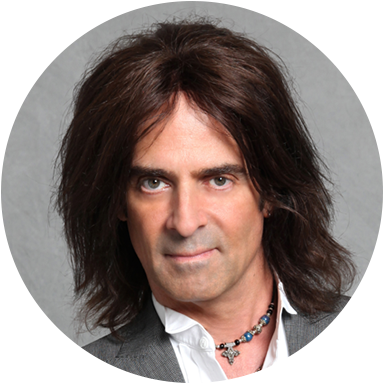
Mark Wood

Mark Wood stands apart as a violinist who speaks the language of rock with the same fluency he commands in classical music. His technical command, aggressive phrasing, and sonic innovation have drawn inevitable comparisons to the greatest electric guitarists, yet his voice remains entirely his own. Over four decades, Wood has fundamentally transformed what the violin can do in contemporary music, earning recognition from PBS as the defining electric violinist of his generation.

As a founding member of Trans Siberian Orchestra, Wood helped build a catalog that sold over 10 million records worldwide. Beyond that platform, he has worked as a solo recording artist, film and television composer (including Emmy Award-winning broadcast music), and collaborator with artists ranging from Celine Dion to Paul McCartney. His educational commitment runs equally deep; Wood has become a vocal advocate for music education and continues to compose and arrange music specifically for student musicians and school ensembles.

Why we love this

Mark Wood brings authentic rock vocabulary into a classical form, making this piece feel fresh and relevant to students who grew up with electric music. The piece honors the bolero's dance tradition while pushing it into contemporary territory, giving young violinists permission to explore energy and attitude in their playing. Wood's arrangement balances technical challenges with musical accessibility, creating a solo that feels genuinely exciting to perform rather than merely accomplished.

What to expect

Wood's Bolero pulses with kinetic energy even at a moderate tempo. The piece holds the sophisticated harmonic and structural vocabulary of the traditional bolero while infusing it with the swagger and drive of American ballroom culture. You'll find yourself dancing through the phrases, caught between the formality of the dance and the urgency of the rhythm.

Who it's for

This solo works well for intermediate violinists (Grade 4) who are ready to tackle contemporary idioms and want to play music that connects to the rock and pop worlds they hear outside the lesson studio. It's equally suited for students exploring the intersection of classical technique and non-classical genres, or for any player looking to build confidence in rock-inflected phrasing and articulation.

How to get the most out of it

  • Lean into the rhythmic groove inherent in the American ballroom version. Lock the pulse in your body so the triple-meter origins don't feel foreign to the dancing energy Wood builds.
  • Let the rock elements shape your tone. This isn't about polished, ethereal vibrato; the character calls for presence and edge without sacrificing intonation.
  • Study the accompaniment carefully (if available) to understand where Wood sets rhythmic breaks or syncopation. Your entries and phrasing land differently when you know exactly what's behind you.
  • The 8-page length rewards structural listening. Identify the sections and their emotional arc so your performance feels purposeful rather than episodic.

How to use it

Program this as a solo feature in a concert that mixes classical and contemporary repertoire, especially one celebrating music across genres or generations. Its rock aesthetic and accessibility make it an excellent bridge between a traditional string orchestra piece and a more experimental or student-composed work, helping audiences hear the violin as a vital voice in multiple musical worlds.

Skills your students will build

  • Executing rhythmic drive and swing feel in a moderate tempo
  • Balancing classical technique with rock-influenced articulation and phrasing
  • Interpreting dance-form structures across different cultural and musical contexts
  • Building confidence with contemporary harmonies and non-traditional melodic shapes

You May Also Like