Why We Sing at Christmas Cover Image

Why We Sing at Christmas: SATB Choral Octavo

$2.25 USD
Sale price  $2.25 USD Regular price 
Skip to product information
Why We Sing at Christmas Cover Image

Why We Sing at Christmas: SATB Choral Octavo

By Dave Brubeck

Item: 00-28889

makemusic Cloud badge

Need it now?

Buy Digital Version
$2.25
Shipped

One moment…

Description

Don't just read it, hear it, play along with it, and watch your students grow with it. In MakeMusic Cloud, Why We Sing at Christmas: SATB Choral Octavo comes alive with professional accompaniment, adjustable tempo, and built-in practice tools that turn solo practice into real progress.

Sample Pages

Sample Audio
No sample audio found.
Sample Video
Additional Details
Series: Lawson-Gould: The Dave Brubeck Series
Publisher: Alfred Music
Page Count: 8
UPC: 038081309538
SKU: 00-28889

More about this title

About the Composer: Dave Brubeck
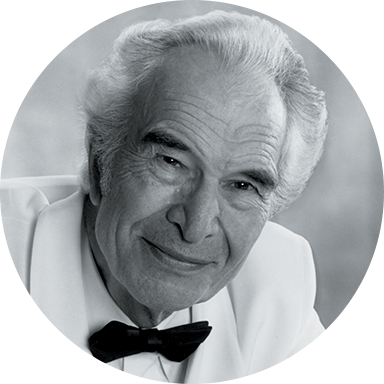
Dave Brubeck

Dave Brubeck earned recognition as both a virtuosic jazz pianist and a serious classical composer whose works span choral music, orchestral suites, chamber pieces, and large-scale vocal works. His groundbreaking 1959 album Time Out became the first jazz recording to sell over a million copies, anchored by the now-legendary "Take Five." Beyond his influence on jazz itself, Brubeck studied composition with Darius Milhaud at Mills College after World War II, and Milhaud's encouragement to blend jazz language with classical forms shaped his compositional voice throughout his career.

Brubeck's choral output includes major works such as To Hope!, which has been performed across Europe and North America, as well as oratorios and sacred pieces recorded by ensembles including the London Symphony Orchestra and London Voices. He was a pioneering figure in breaking racial barriers in mid-20th-century American music and received numerous honors, including the Presidential Medal of the Arts, a Grammy Lifetime Achievement Award, and induction into the American Classical Music Hall of Fame in 2003.

Why we love this

Brubeck brings his jazz-inflected harmonic sensibility into sacred choral writing, giving this Christmas piece a refreshing harmonic sophistication that sits comfortably within SATB ranges. The text choice itself reflects Brubeck's deep engagement with spiritual themes throughout his compositional life, making this an authentic expression of the composer's voice rather than a holiday novelty. Your singers will find the piece both musically substantial and genuinely moving.

What to expect

Contemplative and warm, with harmonic sophistication that elevates the familiar Christmas impulse into something more introspective. The piece carries Brubeck's spiritual depth and serves as a moment of genuine reflection within a holiday service.

Who it's for

Directors programming a Christmas service or concert who want something beyond traditional carols and want to offer their singers a piece grounded in serious composition. This works equally well for established adult choirs and mature high school ensembles with solid harmonic understanding and blend.

How to get the most out of it

  • Balance the harmonic richness carefully across all four voices; Brubeck's jazz-informed chord voicings can muddy if any part is underprojected. Make sure inner voices (alto and tenor) can be heard distinctly.
  • Shape the piece with lyrical phrasing rather than articulating on every syllable; let the text breathe and the harmonic movement speak.
  • Consider how your accompaniment interprets Brubeck's harmonic language. If using piano, the accompanist should lean into the jazz inflections without playing too rhythmically square or overly syncopated.

How to use it

Use this as a reflective anchor in a Christmas program; it pairs beautifully alongside more traditional seasonal repertoire and gives your concert intellectual weight. The text invites programming alongside other sacred or spiritual works, making it ideal for a mixed holiday service where you want to move beyond pure celebration into meaning.

Skills your students will build

  • Singing chromatic voice leading and jazz-influenced harmonic movement
  • Balancing independent melodic lines in a non-traditional harmonic context
  • Interpreting text with lyrical shape rather than syllabic articulation
  • Understanding how jazz compositional language can enrich sacred choral writing

You May Also Like
