Why We Sing at Christmas Sheet Music Preview

Why We Sing at Christmas: SATB Choral Octavo

By Dave Brubeck

Item: 00-PO-0004383

Digital Download
$2.25

Minimum order quantity: 20 copies

Description

Why We Sing at Christmas: SATB Choral Octavo isn't in MakeMusic Cloud just yet...but it could be. Let us know you'd like to see it, and you'll help shape what comes next. In the meantime, start a free trial and dive into thousands of interactive titles your students can play along with today.

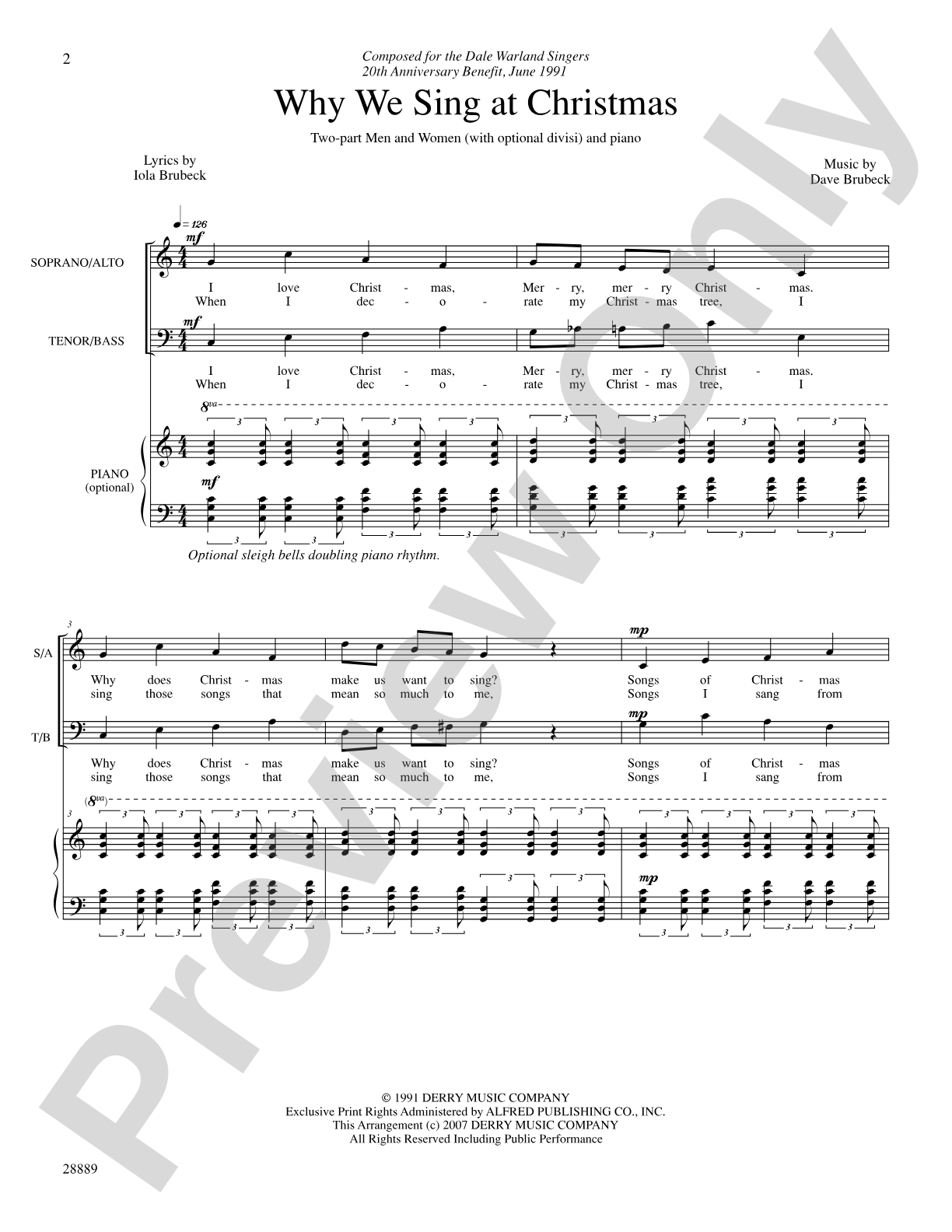
Sample Audio
No sample audio found.
Sample Video
Additional Details
Series: Lawson-Gould: The Dave Brubeck Series
Publisher: Alfred Music
Page Count: 8
SKU: 00-PO-0004383

More about this title

About the Composer: Dave Brubeck

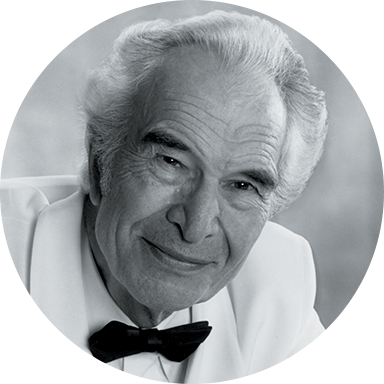
Dave Brubeck

Dave Brubeck built his reputation as a jazz pianist whose improvisational mastery defined mid-century jazz, yet his compositional ambitions extended far beyond the ensemble room. Trained classically at the College of the Pacific and later by French composer Darius Milhaud at Mills College, Brubeck developed a distinctive voice that wove jazz language into fully realized concert works: choral pieces, orchestral scores, ballets, and large-scale works for chorus and orchestra. His landmark album "Time Out" became the first jazz recording to sell over a million copies, but his legacy also encompasses sacred works like the mass "To Hope!" and oratorios that have been performed and recorded internationally.

Brubeck used his prominence to challenge racial divisions during the civil rights era, and his honors reflect both his artistic reach and cultural significance. The London Symphony Orchestra awarded him a lifetime achievement honor in 2007; President Clinton presented him the Presidential Medal of the Arts; and in 2003 he was elected into the American Classical Music Hall of Fame. His choral and orchestral works continue to appear on concert stages worldwide, performed by cathedral choirs, professional vocal ensembles, and orchestras.

Why we love this

Brubeck's choral writing carries the harmonic sophistication and rhythmic inventiveness of a true jazz composer without requiring singers to read complex meters or unconventional notation. This piece captures the warmth of his larger sacred works in an accessible eight-page octavo that sits comfortably for mixed voices, making it genuinely singable during rehearsal season.

What to expect

This piece carries the warmth and introspection of Brubeck's sacred writing, grounded in the harmonic richness that defined his compositional voice across jazz and classical genres. The text and music together create a contemplative yet accessible meditation on Christmas, avoiding sentimentality while maintaining genuine humanity.

Who it's for

Mixed voice choirs seeking sacred Christmas repertoire with genuine artistry and harmonic depth, and singers who respond to music with jazz-inflected harmony and modern sensibility. Directors programming concerts that move beyond traditional carol arrangements will find this a substantial choice that respects both the Christmas season and their singers' musical sophistication.

How to get the most out of it

  • Lean into the Brubeck harmonic language by bringing out the jazz-inflected chords without over-smoothing them; these voicings are intentional and modern.
  • Let the text shape your phrasing rather than forcing metronomic regularity, particularly if the piece contains the rhythmic suppleness typical of Brubeck's compositional style.
  • Balance all four voice parts clearly in rehearsal; SATB octavos by jazz-trained composers often distribute interesting lines across multiple voices rather than spotlighting the melody alone.

How to use it

Place this as a centerpiece for a Christmas concert that mixes sacred and secular traditions, or pair it alongside other substantial choral works to show the depth of your choir's artistry during the holiday season. The eight-page length and SATB voicing make it ideal for a concert where you're highlighting both tradition and contemporary sacred music.

Skills your students will build

  • Reading and balancing jazz-influenced harmony in choral context
  • Maintaining clear voice independence in richly voiced SATB writing
  • Sustaining text clarity across modern harmonic language
  • Interpreting phrasing that blends classical choral technique with jazz sensibility

You May Also Like