
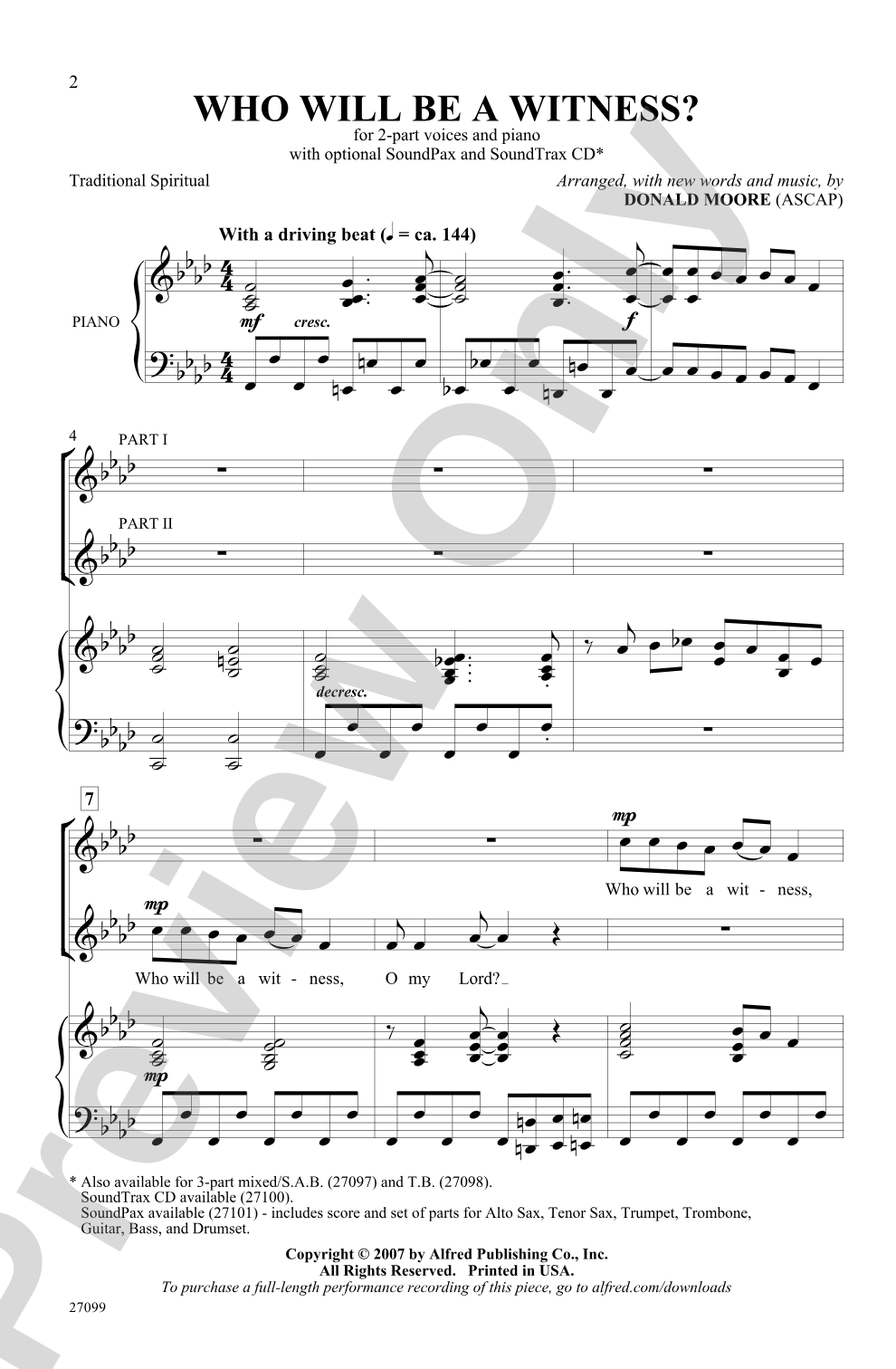
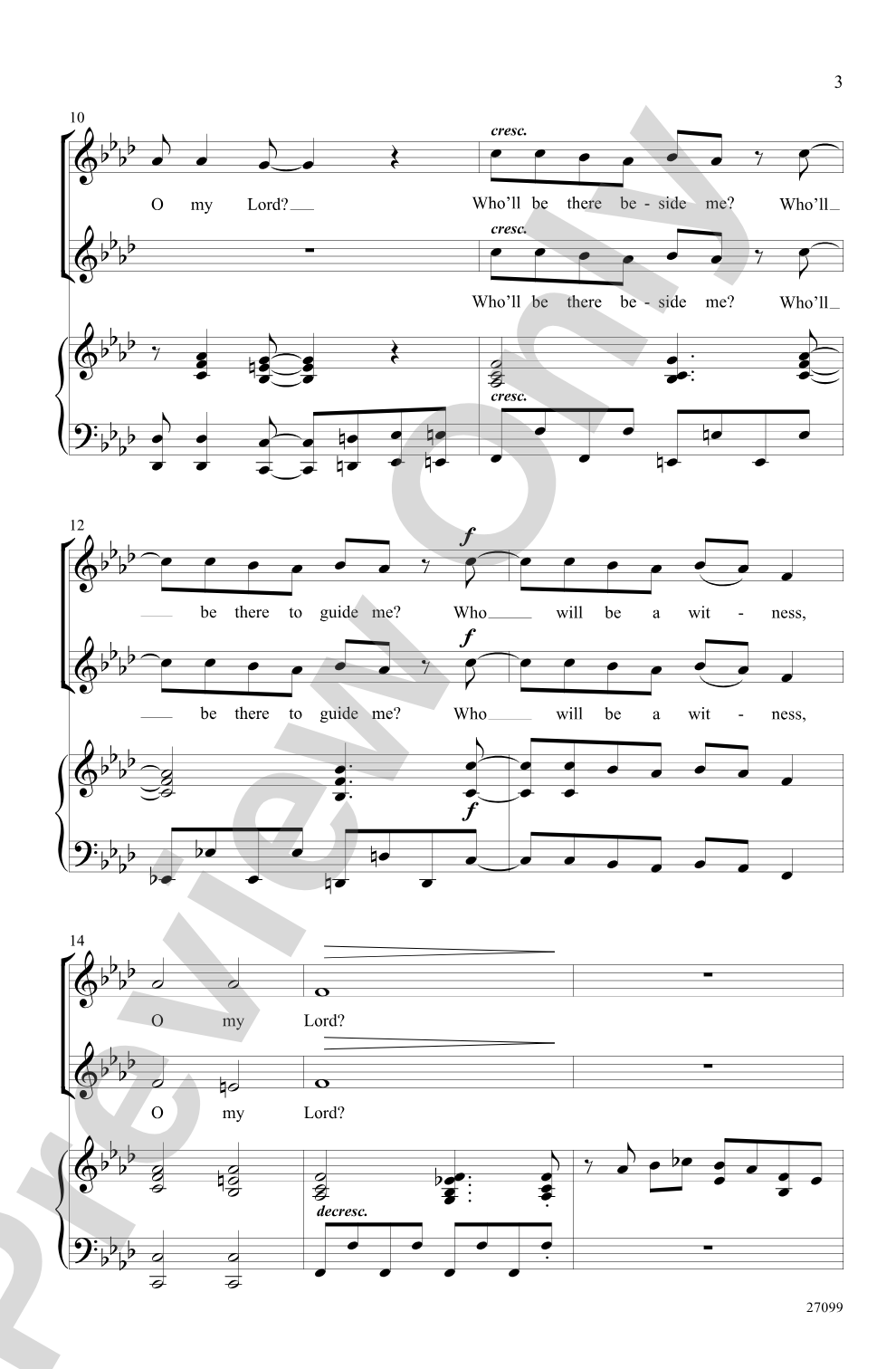

Who Will Be a Witness?: 2-Part Choral Octavo
Traditional Spiritual / arr. with new words and music, by Donald Moore
Item: 00-PO-0000299
$2.25
Minimum order quantity: 20 copies
Pickup currently not available
Related Items
Who Will Be a Witness?: SoundTrax Digital Audio Download |
$27.99
|
View | |
Who Will Be a Witness?: SAB Choral Octavo |
$2.05
|
View | |
Who Will Be a Witness?: TB Choral Octavo |
$2.05
|
View | |
Who Will Be a Witness?: Choral SoundPax |
$25.00
|
View | |
Who Will Be a Witness?: SAB Choral Octavo |
$2.40
|
View | |
Who Will Be a Witness?: TB Choral Octavo |
$2.05
|
View | |
Who Will Be a Witness?: 2-Part Choral Octavo |
$2.25
|
View | |
Who Will Be a Witness?: Choral Octavo SoundTrax CD |
$27.99
|
View | |
Who Will Be a Witness?: Choral SoundPax |
$25.00
|
View |
Description
A solid choice for developing choirs, this Donald Moore spiritual arrangement is right on. Based largely on the original, but adding a few new touches, the final outcome is an energy-filled piece with a driving beat. So fun-to-hear and easy-to-sing, it's a student favorite and crowd pleaser wrapped into one! A rockin' SoundTrax CD and SoundPax parts are available.


Who Will Be a Witness?: 2-Part Choral Octavo isn't in MakeMusic Cloud just yet...but it could be. Let us know you'd like to see it, and you'll help shape what comes next. In the meantime, start a free trial and dive into thousands of interactive titles your students can play along with today.
Request This Title
Tell us you want it.
Start Your Free Trial
Explore everything that's ready to play right now.
Sample Audio
1
Audio File
--:--
0:00
0:00
Sample Video
No sample videos found.
Additional Details
Series:
Alfred Archive Edition: Alfred Choral Designs
Publisher:
Alfred Music
Page Count:
8
SKU:
00-PO-0000299
More about this title
About the Arranger: Donald Moore
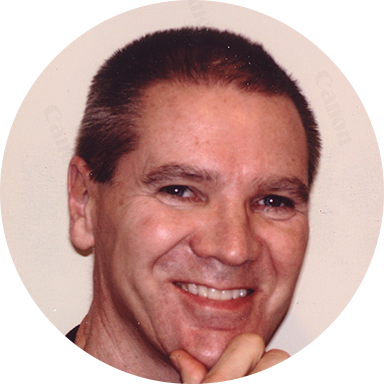
Donald Moore earned his Bachelor of Music in organ performance and Master of Arts in Teaching from Kent State University. He serves as Organist-Choirmaster at Pilgrim United Church of Christ in Cuyahoga Falls, Ohio, and has established himself as one of the most prolific voices in American choral music, with over 500 compositions published across multiple major houses including Alfred Music, Hal Leonard, Heritage Music Press, and others.
Moore's output spans sacred anthems, secular educational works, pop arrangements, organ and piano literature, and instructional books. His compositions are mainstays at state and regional music festivals, and he has been recognized seventeen times with the ASCAP Composers Standard Award. The American Choral Directors Association named him among the 400 most significant composers in the history of American choral music.
Why we love this
Moore takes a traditional spiritual and gives it contemporary energy without losing its roots. The arrangement respects the source material while introducing rhythmic and harmonic touches that make it feel alive and engaging for young singers, transforming a familiar tune into something that generates genuine excitement in the rehearsal room and on stage.
What to expect
Energetic and grounded, with the kind of rhythmic momentum that gets choirs and audiences moving together. The spiritual's inherent spiritual warmth shines through, but Moore's arrangement adds a contemporary beat that speaks to singers who might not immediately connect with traditional hymnal settings.
Who it's for
This octavo is ideal for middle school and early high school choirs building foundational skills in blend, rhythm, and musical expression. It works equally well for adult church choirs seeking accessible sacred repertoire that engages congregations and choir members alike.
How to get the most out of it
- Lean into the driving beat as written; it's the engine of the piece. The groove should feel natural and propulsive, not mechanical.
- Balance the two parts carefully during solo passages so the melody remains clear while the second part provides rhythmic support.
- Use the recorded accompaniment to lock the ensemble's entrances and feel, especially important for building confidence in younger choirs.
- Encourage singers to commit fully to the text and emotional arc; the spiritual tradition demands authenticity, not polish.
How to use it
Program this as a high-energy moment in a concert set, where it can bridge traditional and contemporary styles or energize an audience between more introspective pieces. It's equally at home in a spring concert celebrating American choral traditions or in a worship context where accessibility and congregational appeal matter.
Skills your students will build
- rhythmic precision in ensemble contexts with syncopated accompaniment
- two-part voice independence and balance
- stylistic awareness of spiritual and soul music traditions
- confidence singing with recorded accompaniment
- text expression and emotional communication in arranged spiritual settings