

Where the Sea Meets the Sky: SATB Choral Octavo
Words and music by Sally K. Albrecht
Item: 00-PO-0000544
$1.75
Minimum order quantity: 20 copies
Pickup currently not available
Related Items
Where the Sea Meets the Sky: SAB Choral Octavo |
$1.75
|
View | |
Where the Sea Meets the Sky: SSA Choral Octavo |
$1.75
|
View | |
Where the Sea Meets the Sky: SATB Choral Octavo |
$1.75
|
View | |
Where the Sea Meets the Sky: SAB Choral Octavo |
$1.75
|
View | |
Where the Sea Meets the Sky: SSA Choral Octavo |
$1.75
|
View |
Description
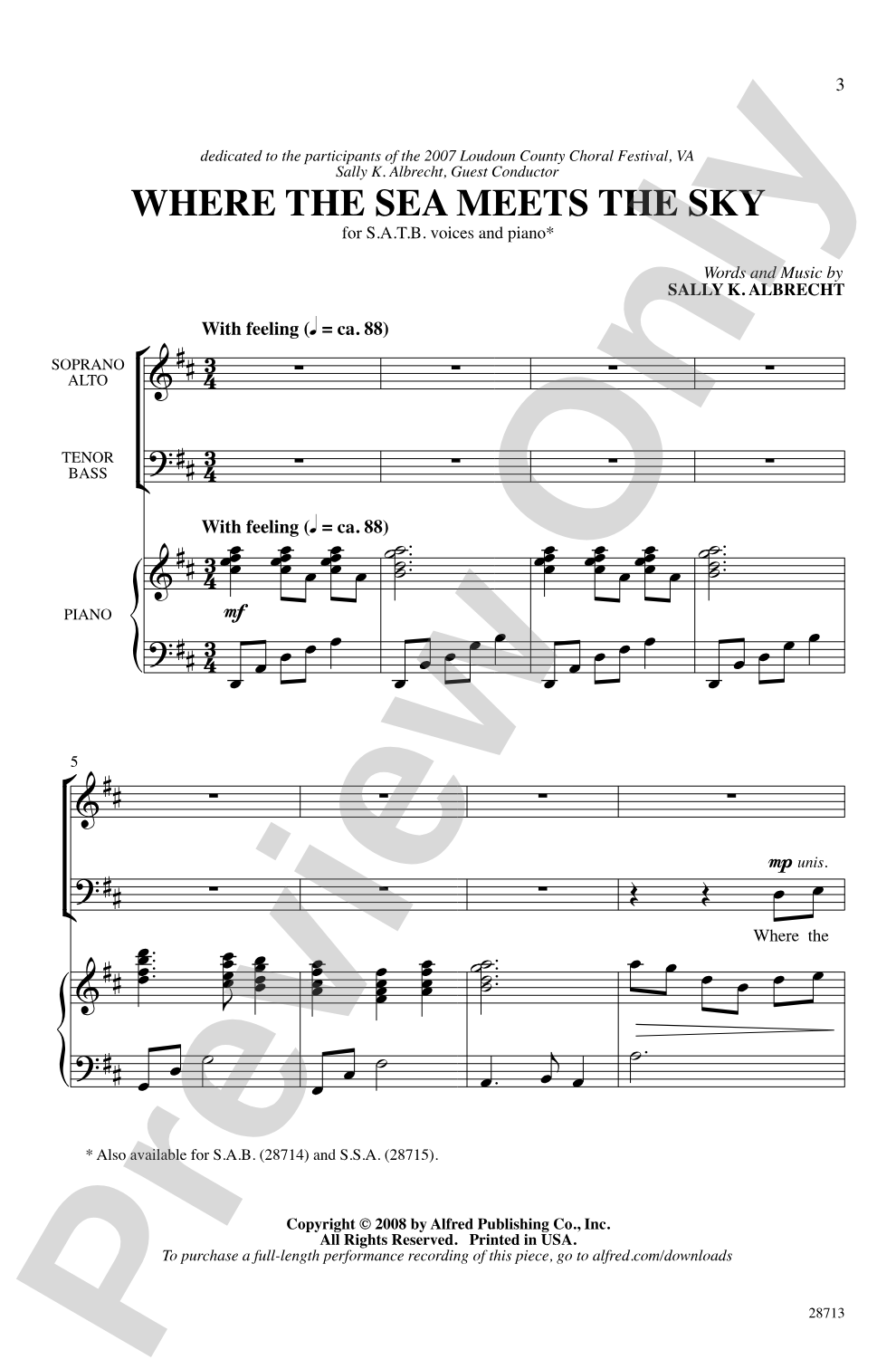
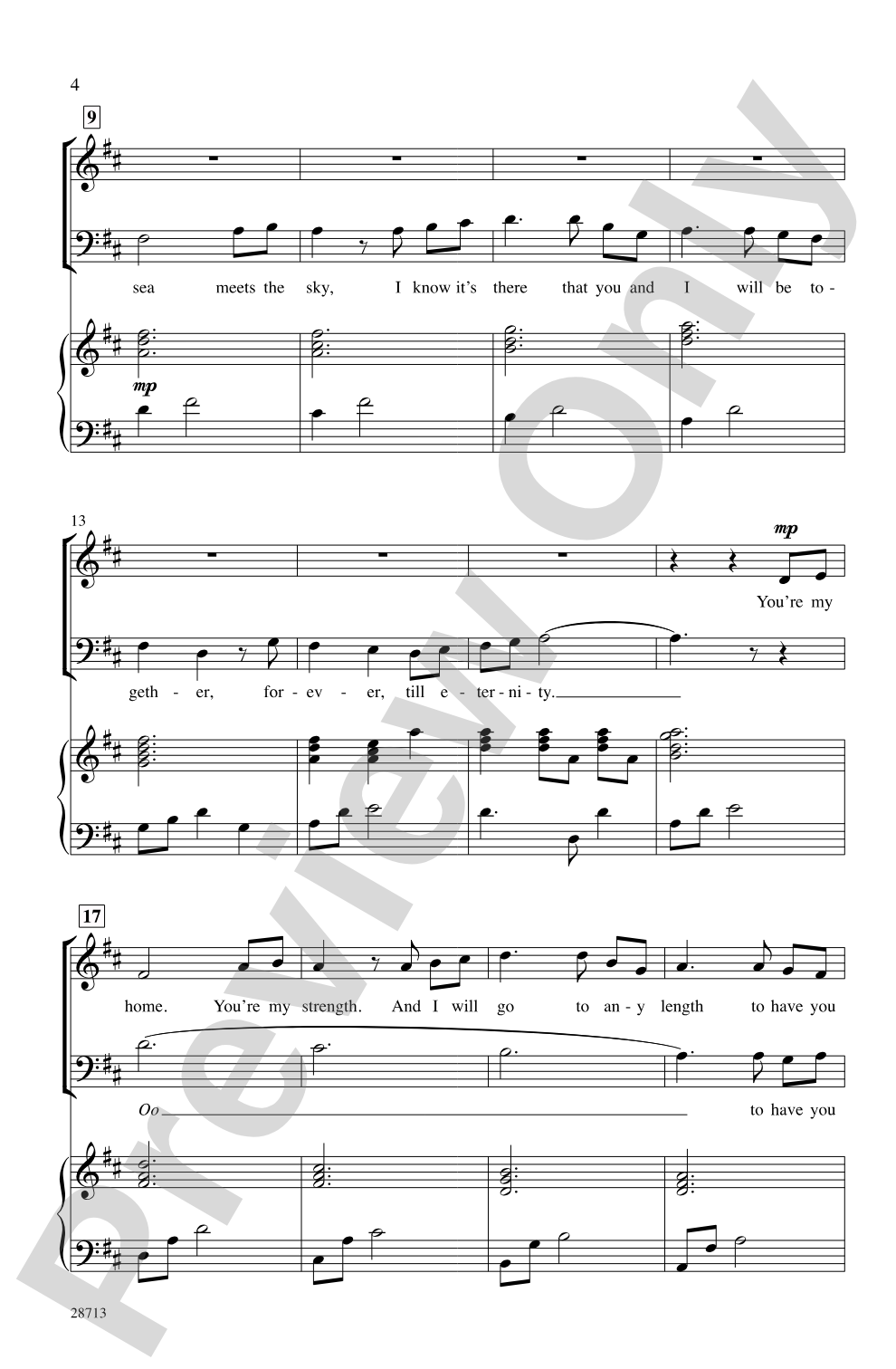
Written in the style of a folk song, this exquisite original choral captures the essence of a tender love that lasts forever. "Where the sea meets the sky, I know it's there that you and I will be together, forever, till eternity." Touching, haunting, captivating.


Where the Sea Meets the Sky: SATB Choral Octavo isn't in MakeMusic Cloud just yet...but it could be. Let us know you'd like to see it, and you'll help shape what comes next. In the meantime, start a free trial and dive into thousands of interactive titles your students can play along with today.
Request This Title
Tell us you want it.
Start Your Free Trial
Explore everything that's ready to play right now.
Sample Audio
1
Audio File
--:--
0:00
0:00
Sample Video
No sample videos found.
Additional Details
Series:
Alfred Choral Designs
Publisher:
Alfred Music
Page Count:
12
SKU:
00-PO-0000544
More about this title
About the Composer: Sally K. Albrecht
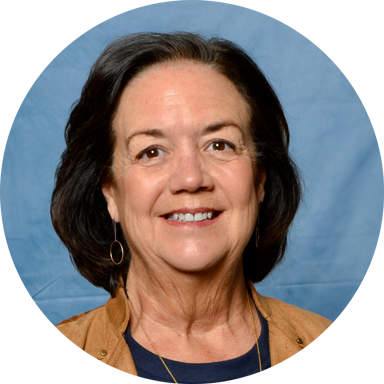
Sally K. Albrecht has shaped American choral music for over three decades as a composer, conductor, and clinician. A continuous recipient of the ASCAP Special Music Award since 1987, she has published more than 600 choral works along with 75 larger songbooks and musicals. Her conducting credits span honor choirs at Lincoln Center, Carnegie Hall, and The Kennedy Center, and she spent most of her career directing school choral and vocal publications for major educational music publishers, including Alfred Music.
Educated at Rollins College (B.A. in Music and Theater, 1976) and the University of Miami (M.A. in Drama, 1977; M.M. in Accompanying, 1979), Albrecht has taught in music departments at Oakland University, Jersey City State College, and Meredith College. She is particularly recognized for her innovative work integrating movement into choral performance. A native of Cleveland, Ohio, she currently resides in Wake Forest, North Carolina. In 2021, she received the Distinguished Alumna Award from both the University of Miami Frost School of Music and Rollins College, where she serves on the Board of Trustees.
Why we love this
Albrecht writes with remarkable emotional clarity and melodic grace. The folk idiom here feels authentic rather than pastiche, and the text, with its simple yet profound imagery, lands differently in each voice part. This is the kind of piece that rehearses easily but performs with depth, earning genuine silence from the audience.
What to expect
There is something quietly spellbinding here: the folk melody carries both simplicity and longing, and the lyric evokes a place that exists outside of ordinary time. The harmony deepens the sense of tenderness without becoming sentimental. You finish singing it feeling like you've been somewhere meaningful.
Who it's for
Directors programming concert or festival sets will find a piece that appeals equally to singers and audiences. It suits choirs with solid blend and musicianship but does not demand virtuosity, making it accessible to singers at multiple experience levels while remaining sophisticated.
How to get the most out of it
- Shape the melody line with subtle phrasing to reveal the vulnerability in the lyric without oversinging. The power comes from restraint.
- Balance the voices so the text remains clear throughout; folk idioms often suffer when the ensemble loses diction under thick harmony.
- Let the accompaniment breathe space around the vocal line rather than driving underneath it. This piece rewards patience.
- Consider how your staging or blocking can reinforce the imagery of meeting at a timeless place. Even stillness can be its own kind of movement.
How to use it
This piece works beautifully as a closer to a concert or festival set, where it can be the emotional anchor of the evening. It pairs well with other original secular works, or it can stand alone as the signature piece in a program exploring love and connection across cultures.
Skills your students will build
- Blending voices within a folk idiom while maintaining clear diction
- Sustaining legato line through changing harmonic contexts
- Interpreting text with emotional authenticity rather than overstatement
- Creating balance between melody and supporting voice parts