Where Go the Boats? Cover Image

Where Go the Boats?: 2-Part Choral Octavo

$1.85 USD
Sale price  $1.85 USD Regular price 
Skip to product information
Where Go the Boats? Cover Image

Where Go the Boats?: 2-Part Choral Octavo

Words by Robert Louis Stevenson, music and additional words by Mary Donnelly and George L. O. Strid

Item: 00-41738

makemusic Cloud badge

Need it now?

Buy Digital Version
$1.85
Shipped

One moment…

Description
The singable tune of this winsome Stevenson setting is frequently traded between voice parts, affording each member of the choir an opportunity to sing both melody and harmony. A great choice for younger voices and a cross-curricular tie-in to A Child's Garden of Verses.

Don't just read it, hear it, play along with it, and watch your students grow with it. In MakeMusic Cloud, Where Go the Boats?: 2-Part Choral Octavo comes alive with professional accompaniment, adjustable tempo, and built-in practice tools that turn solo practice into real progress.

Sample Pages

Sample Audio
0:00
0:00
Sample Video
Additional Details
Series: Alfred Choral Designs
Publisher: Alfred Music
Page Count: 8
UPC: 038081468181
SKU: 00-41738

More about this title

About the Composer: Mary Donnelly
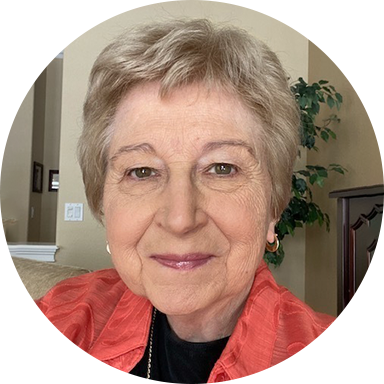
Mary Donnelly

Mary Donnelly grew up in Reno, Nevada, and studied English and French at the University of Nevada before discovering her passion for music education through organizing children's choruses while still an undergraduate. She returned to school to earn her teaching certification, completing a Master's Degree in Education from Lesley College with a focus on integrating the arts across the curriculum. Over thirty years in the Washoe County School District, she taught general music and choir to elementary and middle school students and remains active in ACDA, NEA, and ASCAP.

In 1985, Donnelly began collaborating with George L. O. Strid when their principal asked them to compose a musical for Reading Week. That first project, The Million Dollar Mystery, launched a prolific partnership spanning more than two hundred songs and twenty-five musicals. The team's deep understanding of young singers and classroom needs continues to shape their work.

Why we love this

The way melody passes between parts keeps every singer engaged and valued; no one voice carries the load for long. Set to Robert Louis Stevenson's beloved poem, it bridges music class with literature and gives younger choirs authentic material that feels substantial without technical demands getting in the way.

What to expect

Bright and imaginative, with the playfulness of children setting boats to sail. The melody unfolds naturally across both parts, creating a sense of conversation between voices rather than accompaniment.

Who it's for

This octavo is designed for middle school choirs and younger high school groups, as well as community and children's choruses looking for repertoire that respects developing voices. Singers gain confidence through melodic sharing and benefit from material rooted in literature they may already know or study in English class.

How to get the most out of it

  • Balance the hand-off moments carefully during rehearsal. Mark where each voice picks up the tune so singers watch each other and stay locked in.
  • Emphasize the lyrical quality of Stevenson's text. Even at this level, singers should feel the gentle, imaginative world of the poem.
  • Let younger singers experience singing both parts across the season. Consider rotating voice assignments in repeat performances so everyone gets time on melody.

How to use it

Program this alongside other Stevenson-inspired pieces or as part of a spring concert celebrating children's literature. It pairs well with picture books and works beautifully as a tie-in to Language Arts units on poetry, making it ideal for assemblies or interdisciplinary performances.

Skills your students will build

  • Trading melody and harmony parts between voice lines
  • Singing independently while tracking another voice part
  • Interpreting poetic text with musical sensitivity
  • Building confidence in younger singers through active participation in multiple roles

You May Also Like
