When Words Are Not Enough Cover Image

When Words Are Not Enough: 3-Part Mixed Choral Octavo

$2.20 USD
Sale price  $2.20 USD Regular price 
Skip to product information
When Words Are Not Enough Cover Image

When Words Are Not Enough: 3-Part Mixed Choral Octavo

Words and music by Sally K. Albrecht and Jay Althouse

Item: 00-49837

makemusic Cloud badge

Need it now?

Buy Digital Version
$2.20
Shipped

One moment…

Description
The ultimate music-themed opener/closer for concert and festival programs! A tuneful hook and full choral writing pay tribute to the art of song.

The PerformancePlus+ series is an innovative addition to the ever-expanding MakeMusic Cloud interactive library. These engaging selections are presented with educational resources designed to enrich the rehearsal process and create outstanding performances. Including:
  • Assignment, recording, and assessment tools within MakeMusic Cloud
  • Part-predominant and accompaniment tracks
  • Printable sheet music (with a standard MakeMusic Cloud subscription)
  • Correlated rehearsal guides and performance notes
  • Rights to perform in a live or virtual setting

Don't just read it, hear it, play along with it, and watch your students grow with it. In MakeMusic Cloud, When Words Are Not Enough: 3-Part Mixed Choral Octavo comes alive with professional accompaniment, adjustable tempo, and built-in practice tools that turn solo practice into real progress.

Sample Pages

Sample Audio
0:00
0:00
Sample Video
Additional Details
Series: Alfred Choral Designs
Publisher: Alfred Music
Page Count: 8
UPC: 038081571515
SKU: 00-49837

More about this title

About the Composer: Sally K. Albrecht
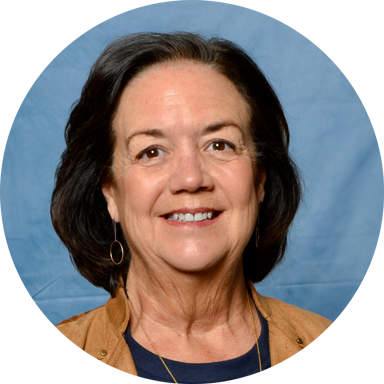
Sally K. Albrecht

Sally K. Albrecht has shaped American choral music for decades as a composer, conductor, and tireless advocate for innovative pedagogy. Since 1987, she has received the ASCAP Special Music Award annually and maintains over 600 published choral works, alongside 75 larger musicals and songbooks. Her conducting has taken her across the country for honor choirs at Lincoln Center, Carnegie Hall, and The Kennedy Center. For more than thirty years, she directed school choral and vocal publications at major educational music houses, including a significant tenure at Alfred Music.

Albrecht holds degrees from Rollins College (B.A. in Music and Theater, 1976) and the University of Miami (M.A. in Drama and M.M. in Accompanying). She has taught at Oakland University, Jersey City State College, and Meredith College. A Cleveland native now based in North Carolina with her husband and collaborator Jay Althouse, Albrecht has been recognized as a Distinguished Alumna by both the University of Miami Frost School of Music and Rollins College, where she serves on the Board of Trustees.

Why we love this

This piece arrives with everything you need to make rehearsal efficient and meaningful. The PerformancePlus+ integration handles the logistical weight (tracks, assessments, guides, sign language resources) so you can focus on the actual music, which is exactly what sets Albrecht and Althouse apart: a genuinely singable melody that sticks, full-voiced harmony that gives everyone something to do, and text that lands with the audience. As an opener or closer, it becomes a statement about why your ensemble exists.

What to expect

The piece sits at that rare intersection of accessibility and artistry. A clear, memorable tune carries the whole ensemble while the three-part writing creates genuine harmonic interest. There's warmth here, and an earnestness about the power of singing together that performers feel in their bodies, not just their voices.

Who it's for

Choirs at the secondary and early collegiate level with mixed voicing, particularly those seeking programming that works equally well as a concert anchor or contest selection. Directors managing time constraints will appreciate the integrated learning tools, while singers enjoy material that's genuinely enjoyable to perform without being condescending.

How to get the most out of it

  • Find the melodic line's natural phrasing by listening to the recorded accompaniment first without singers, then have your sopranos learn it in isolation before adding harmony
  • Balance the parts during initial rehearsals by asking non-soprano sections to sing their lines at dynamic parity; this reveals whether anyone is getting buried and prevents the top voice from monopolizing attention
  • Use the sign language resources as a teaching tool even if you're not performing for a deaf audience; many students find that adding gesture clarifies phrasing and deepens emotional commitment
  • Layer the harmony gradually rather than singing all parts at once from day one; build soprano and alto first, then fold in baritone once upper voices feel secure

How to use it

Open a concert with this to set the tone and establish what your ensemble values. It's equally effective as a finale, sending the audience out moved by both the sentiment and the musicianship on display. The work also transitions smoothly into heavier repertoire, making it an ideal bridge in mixed-genre programs.

Skills your students will build

  • Singing sustained melodic lines with consistent intonation across upper and lower voices
  • Part independence within a three-part texture (SAB arrangement)
  • Phrasing decisions based on text underlay and harmonic movement
  • Ensemble balance and blend when layering different vocal lines
  • Interpretation of text-music relationships in contemporary choral writing

You May Also Like
