Watchin' Over Me Cover Image

Watchin' Over Me: SSATB, <i>a cappella</i> Choral Octavo

$1.80 USD
Sale price  $1.80 USD Regular price 
Skip to product information
Watchin' Over Me Cover Image

Watchin' Over Me: SSATB, a cappella Choral Octavo

Words and music by Sally K. Albrecht and Jay Althouse

Item: 00-38127

makemusic Cloud badge

Need it now?

Buy Digital Version
$1.80
Shipped

One moment…

Description
This a cappella spiritual features solid vocal harmonies to make your choirs sound their best. Listen for touches of "All Night, All Day." Builds to a hand-clapping key change with an independent bass line, then yet another with a soprano descant.

Don't just read it, hear it, play along with it, and watch your students grow with it. In MakeMusic Cloud, Watchin' Over Me: SSATB, a cappella Choral Octavo comes alive with professional accompaniment, adjustable tempo, and built-in practice tools that turn solo practice into real progress.

Sample Pages

Sample Audio
0:00
0:00
Sample Video
Additional Details
Series: Alfred Choral Designs
Publisher: Alfred Music
Page Count: 8
UPC: 038081425993
SKU: 00-38127

More about this title

About the Composer: Sally K. Albrecht
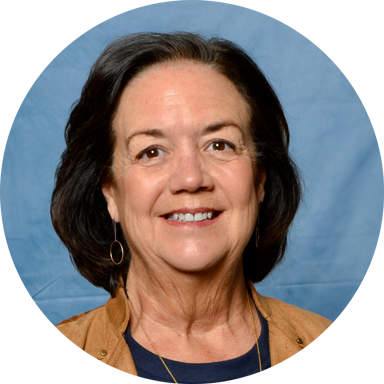
Sally K. Albrecht

Sally K. Albrecht has shaped choral music education for over forty years as a composer, conductor, and clinician with a particular gift for integrating movement into choral performance. Since 1987, she has received the ASCAP Special Music Award annually and maintains more than 600 published choral works alongside 75 full-length songbooks and musicals. She spent three decades leading choral, vocal, and elementary music publications at major educational publishers, most notably Alfred Music, while also conducting honor choirs at prestigious venues including Lincoln Center, Carnegie Hall, and The Kennedy Center.

Albrecht earned her B.A. in Music and Theater from Rollins College (Florida) in 1976, followed by an M.A. in Drama and an M.M. in Accompanying from the University of Miami. She has taught at Oakland University (Michigan), Jersey City State College (New Jersey), and Meredith College (North Carolina). In 2021, she received the Distinguished Alumna Award from both the University of Miami Frost School of Music and Rollins College, where she serves on the Board of Trustees. She resides in Wake Forest, North Carolina, with her husband, composer and arranger Jay Althouse.

Why we love this

The architecture here is what distinguishes this spiritual: you get solid harmonic foundation in the opening sections, then two successive key changes that build genuine momentum without feeling forced. The hand-clapping section and the interplay between an independent bass line and soprano descant in the climax give your singers real work to do while keeping the piece accessible. Albrecht and Althouse know exactly when to intensify and when to let the voices breathe.

What to expect

The piece opens with the reflective intimacy of a spiritual, then gradually reveals its architecture through harmonic movement and textural shifts. Hand-clapping breaks the fourth wall and draws the audience into the sound; by the final key change, with the soprano descant climbing above the choir's foundation, there's genuine uplift and joy.

Who it's for

Choirs at the high school and adult level seeking authentic spiritual repertoire with genuine harmonic substance and room for expressive interpretation. Directors who want their singers engaged through multiple key changes and independent vocal lines without excessive difficulty will find this rewarding.

How to get the most out of it

  • Lock the hand-clapping section into a steady pulse during early rehearsals; use it as an anchor point before layering in the key changes so singers stay confident when the harmonic landscape shifts.
  • Balance the soprano descant carefully in the final key change so it soars without drowning out the harmonic support beneath it; this detail separates a polished performance from a muddled one.
  • Shape the opening phrases to establish a warm, spiritual tone before the energy accelerates; this quiet foundation makes the hand-clapping section land with real impact.

How to use it

Program this as a showcase moment in a concert that mixes sacred literature; its spiritual roots and contemporary energy create natural programming contrast with both traditional hymn arrangements and modern choral works. The hand-clapping element also makes it a strong choice for community-engaged concerts or heritage celebrations where audience connection matters.

Skills your students will build

  • Singing independent lines while hearing harmonic movement in other voices
  • Managing transitions through multiple key changes while maintaining vocal line integrity
  • Rhythmic precision and ensemble cohesion in hand-clapping sections integrated with singing
  • Blending upper voices in a soprano descant without sacrificing harmonic clarity below

You May Also Like
