Upper Manhattan Medical Group Cover Image

Upper Manhattan Medical Group: Jazz Ensemble Conductor Score & Parts

$60.00 USD
Sale price  $60.00 USD Regular price 
Skip to product information
Upper Manhattan Medical Group Cover Image

Upper Manhattan Medical Group: Jazz Ensemble Conductor Score & Parts

By Billy Strayhorn / arr. Mike Kamuf

Grade: 4 (Medium Advanced / Difficult)

Item: 00-43698

$60.00
Shipped

One moment…

Description
A swing chart at 180 BPM and a wonderful melody by the brilliant composer Billy Strayhorn, Mike Kamuf's arrangement of "UMMG" is superb with written solos provided for trumpet, tenor, and trombone. The trumpet 1 range is up to written high D-flat. Section solis, big ensemble sections, and a fine shout chorus all contribute to this fine chart. (5:12)

Upper Manhattan Medical Group: Jazz Ensemble Conductor Score & Parts isn't in MakeMusic Cloud just yet...but it could be. Let us know you'd like to see it, and you'll help shape what comes next. In the meantime, start a free trial and dive into thousands of interactive titles your students can play along with today.

Sample Pages

Sample Audio
0:00
0:00
Sample Video
Additional Details
Series: Premier Jazz Series
Publisher: Alfred Music
Page Count: 78
UPC: 038081501819
SKU: 00-43698

More about this title

About the Composer: Billy Strayhorn
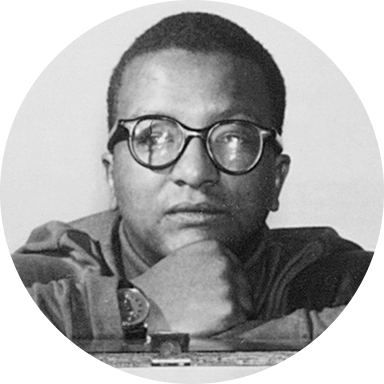
Billy Strayhorn

Billy Strayhorn (1915-1945) stands among America's most consequential jazz composers, though his contributions were often overshadowed during his lifetime. Born in Dayton, Ohio, Strayhorn began his creative partnership with Duke Ellington in 1939, a collaboration that would shape the sound of jazz for generations. His compositions have become standards: "Take the 'A' Train" served as the Duke Ellington Orchestra's theme from the 1940s onward and remains consistently ranked among the greatest songs of the 20th century, while "Lush Life," written when Strayhorn was just sixteen, is now considered the ultimate harmonic and melodic challenge for jazz vocalists.

Strayhorn's fearless openness about his identity as a Black gay musician set him apart in mid-century America, yet his legacy endures through the breadth and depth of his recorded work. The artists who have interpreted his music read like a hall of fame: Ella Fitzgerald, Oscar Peterson, John Coltrane, Sarah Vaughan, Sonny Rollins, and countless others. Historians increasingly recognize Strayhorn not merely as a collaborator but as a compositional voice equal to Ellington himself, whose harmonically sophisticated and emotionally direct writing continues to challenge and inspire musicians across all jazz styles.

Why we love this

Kamuf's arrangement captures Strayhorn's sophisticated harmonic language while delivering exactly what a competitive jazz ensemble needs: written solos that showcase your best players, section soli that keep the band engaged, and a shout chorus that lands with real punch. At 180 BPM, the swing feels natural and driving without demanding superhuman execution, making this a smart choice for groups looking to contest or festival with genuine musical substance.

What to expect

The swing feels propulsive and elegant, propelled by Strayhorn's memorable melody and Kamuf's tasteful voicings that honor the composer's harmonic sophistication. Energy builds through the section work and solos before the shout chorus arrives with genuine impact, creating a performance arc that's both satisfying to play and engaging to hear.

Who it's for

Jazz ensembles operating at the Grade 4 level with capable soloists in trumpet, tenor saxophone, and trombone sections. Directors preparing for contests and festivals will find this chart offers the musical credibility and structural sophistication to compete seriously while remaining achievable for most advanced community and school ensembles.

How to get the most out of it

  • Balance the written trumpet, tenor, and trombone solos by ensuring your section leaders have the harmonic context from rehearsal recordings or a walkthrough with the rhythm section; these aren't simple heads to cut loose on.
  • Lock the section soli with precision through ensemble drill work separate from the full chart; these moments showcase ensemble cohesion and deserve focused attention.
  • Bring clarity to Strayhorn's melody in the opening and closing by having your lead voices sing the shape cleanly, letting the harmony sit underneath rather than competing for prominence.
  • Communicate the swing feel through your rhythm section early; 180 BPM is clean and brisk, so pocket and articulation from piano, bass, and drums establish everything that follows.

How to use it

This works exceptionally well as a centerpiece for a jazz festival set, either early in your program to establish energy or later to showcase your ensemble's range and soloist quality. The five-minute duration and inherent sophistication also position it naturally alongside other Grade 4 standards for concert programming that aims to demonstrate musical literacy and swinging execution.

Skills your students will build

  • Reading and executing swing phrasing and rhythmic anticipation at tempo
  • Balancing individual soloist voice with ensemble support and rhythm section interaction
  • Interpreting Strayhorn's harmonic language and understanding sophisticated jazz voicings
  • Developing section cohesion in written soli passages with controlled dynamics and articulation
  • Managing upper register demands (trumpet to written high D-flat) with tone integrity and intonation

You May Also Like