Upper Manhattan Medical Group Cover Image

Upper Manhattan Medical Group: Jazz Ensemble Conductor Score

$12.00 USD
Sale price  $12.00 USD Regular price 
Skip to product information
Upper Manhattan Medical Group Cover Image

Upper Manhattan Medical Group: Jazz Ensemble Conductor Score

By Billy Strayhorn / arr. Mike Kamuf

Grade: 4 (Medium Advanced / Difficult)

Item: 00-43698S

$12.00
Shipped

One moment…

Description
A swing chart at 180 BPM and a wonderful melody by the brilliant composer Billy Strayhorn, Mike Kamuf's arrangement of "UMMG" is superb with written solos provided for trumpet, tenor, and trombone. The trumpet 1 range is up to written high D-flat. Section solis, big ensemble sections, and a fine shout chorus all contribute to this fine chart. (5:12)

Upper Manhattan Medical Group: Jazz Ensemble Conductor Score isn't in MakeMusic Cloud just yet...but it could be. Let us know you'd like to see it, and you'll help shape what comes next. In the meantime, start a free trial and dive into thousands of interactive titles your students can play along with today.

Sample Pages

Sample Audio
No sample audio found.
Sample Video
Additional Details
Series: Premier Jazz Series
Publisher: Alfred Music
Page Count: 28
UPC: 038081501826
SKU: 00-43698S

More about this title

About the Composer: Billy Strayhorn
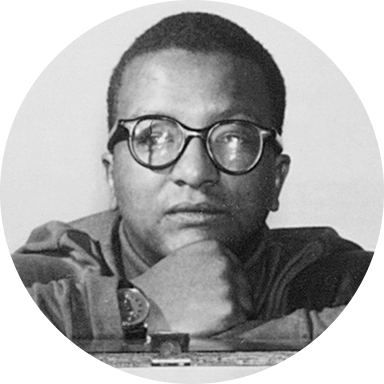
Billy Strayhorn

Billy Strayhorn (1915-1967) stands as one of jazz history's most consequential yet underrecognized composers. Born in Dayton, Ohio, he began his partnership with Duke Ellington in 1939, a collaboration that would span three decades and produce some of the 20th century's most enduring jazz standards. His compositions, including the iconic "Take the 'A' Train" and the harmonically challenging ballad "Lush Life" (written when he was just 16), have been recorded by virtually every major jazz artist from Ella Fitzgerald to John Coltrane to Oscar Peterson.

Strayhorn's influence on jazz harmony and melody remains profound, yet his name often went unrecognized during his lifetime. He chose to live openly as a gay Black man during an era of severe social restriction, a decision that likely contributed to decades of public anonymity despite the fact that his music was everywhere. Today, historians recognize him as a fundamental architect of the jazz standard, and his compositional legacy continues to challenge and inspire musicians across all levels.

Why we love this

Kamuf's arrangement captures Strayhorn's gift for melody and harmonic sophistication while building in genuine ensemble excitement. The written solos for trumpet, tenor saxophone, and trombone give your section leaders a blueprint without locking them into straightjacket changes, and the shout chorus provides that crowd-pleasing moment that reminds audiences why swing still swings after eight decades.

What to expect

The piece swings with the elegance Strayhorn was famous for, balancing sophistication and accessibility. At 180 BPM, it demands rhythmic precision and forward momentum, yet the melody carries the grace and lyricism that made Strayhorn's compositions standards.

Who it's for

This chart is built for Grade 4 ensembles with strong lead players across the front line and soloists ready to interpret written material with musicality and confidence. Jazz programs moving beyond head-and-changes fundamentals will find sophisticated harmonic and melodic content that rewards serious preparation.

How to get the most out of it

  • Establish the pocket at 180 BPM before the first rehearsal. This is quick enough to demand rhythmic precision from the whole ensemble, so lock the rhythm section first and build the horns' groove around that foundation.
  • Give your written solo chairs ownership of their sections. These aren't transcriptions to quote note-for-note; they're compositional frameworks that experienced soloists should internalize and make their own within the harmonic structure.
  • Balance transparency in the section soli passages. Strayhorn wrote these moments to shimmer, not to overpower, so resist the temptation to push volume and let the voicings speak through clear articulation.
  • Shape the shout chorus as the emotional peak. Build the dynamics gradually through the section solis, then hit the big ensemble sections with full commitment and unified energy.

How to use it

Program this as a centerpiece for a jazz festival or concert where you want to showcase both ensemble musicianship and solo talent. Its five-minute length and contest-viable difficulty make it equally at home in competition or in a mixed jazz program pairing it with blues heads and ballads.

Skills your students will build

  • Swinging 16th-note articulation and feel at medium-fast tempos
  • Interpreting written solo frameworks with personal expression
  • Reading and executing section soli voicings with blend and balance
  • Building momentum through ensemble shout sections
  • Understanding Strayhorn's harmonic language and voice leading

You May Also Like