Two Churches Cover Image

Two Churches: SATB Choral Octavo

$2.95 USD
Sale price  $2.95 USD Regular price 
Skip to product information
Two Churches Cover Image

Two Churches: SATB Choral Octavo

By Dave Brubeck

Item: 00-HPC7050

makemusic Cloud badge

Need it now?

Buy Digital Version
$2.95
Shipped

One moment…

Description

Don't just read it, hear it, play along with it, and watch your students grow with it. In MakeMusic Cloud, Two Churches: SATB Choral Octavo comes alive with professional accompaniment, adjustable tempo, and built-in practice tools that turn solo practice into real progress.

Sample Pages

Sample Audio
No sample audio found.
Sample Video
Additional Details
Series: Lawson-Gould: The Dave Brubeck Series
Publisher: Alfred Music
Page Count: 16
UPC: 038081306773
SKU: 00-HPC7050

More about this title

About the Composer: Dave Brubeck
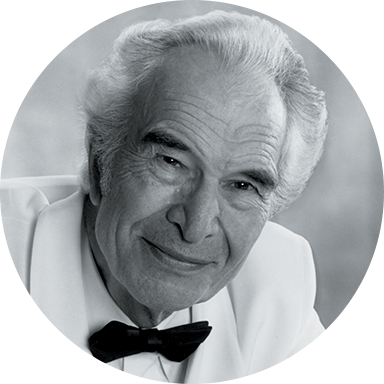
Dave Brubeck

Dave Brubeck built his reputation as a jazz pianist and improviser while simultaneously establishing himself as a serious classical composer. His output spans choral works, hymns, orchestral pieces, chamber music, and large-scale compositions for chorus and orchestra. His groundbreaking album "Time Out" became the first jazz record to sell over a million copies, and the iconic "Take Five" remains a touchstone of modern jazz.

Beyond his musical innovations, Brubeck was a trailblazer in breaking racial barriers during the mid-20th century. His sacred works, including the masses "To Hope!" and "Pange Lingua Variations," have circulated internationally and been recorded by major orchestras and choral ensembles. Brubeck studied composition with Darius Milhaud at Mills College after World War II service, an influence that shaped his distinctive voice blending jazz vernacular with classical forms. His lifetime of achievement earned him the Presidential Medal of the Arts, Grammy Lifetime Achievement Award, and induction into the American Classical Music Hall of Fame.

Why we love this

Brubeck's choral writing commands attention because it refuses to separate his jazz sensibility from rigorous compositional craft. This octavo demonstrates how a master improviser approaches harmonic complexity and rhythmic independence, creating music that engages singers without requiring specialized jazz training. Directors gain access to a significant voice in American sacred music whose works have been championed by world-class choral organizations.

What to expect

The music carries a contemplative yet forward-looking character, blending spiritual reverence with the harmonic sophistication Brubeck brought to all his work. Singers encounter voicings that feel modern without sacrificing warmth, creating an immediate sense of artistic purpose.

Who it's for

This piece suits choirs with solid sight-reading skills and experience navigating contemporary harmonic idioms. Directors seeking to expand their sacred repertoire beyond traditional hymnody will find a work of substance that challenges singers while remaining accessible at the SATB level.

How to get the most out of it

  • Attend carefully to the harmonic language in rehearsal; Brubeck's jazz-influenced voicings may feel unfamiliar at first, but singing through them slowly rewards the ear with unexpected beauty.
  • Balance the four voice parts evenly so no single line overwhelms the others; the independence of voices is central to Brubeck's compositional intention.
  • Consider the text and emotional arc as you shape phrases; allow the music to breathe in ways that reflect both the sacred subject matter and the composer's modernist sensibility.

How to use it

Position this octavo in a concert exploring American sacred music from the 20th century onward, or program it alongside other Brubeck choral works to highlight his contributions beyond jazz. The piece also fits well in services or concerts dedicated to interfaith or universalist themes.

Skills your students will build

  • Singing jazz-influenced harmonic movement while maintaining clear voice independence
  • Interpreting contemporary sacred music with historical awareness and stylistic maturity
  • Balancing rhythmic precision with expressive, lyrical singing in a modernist context

You May Also Like
