
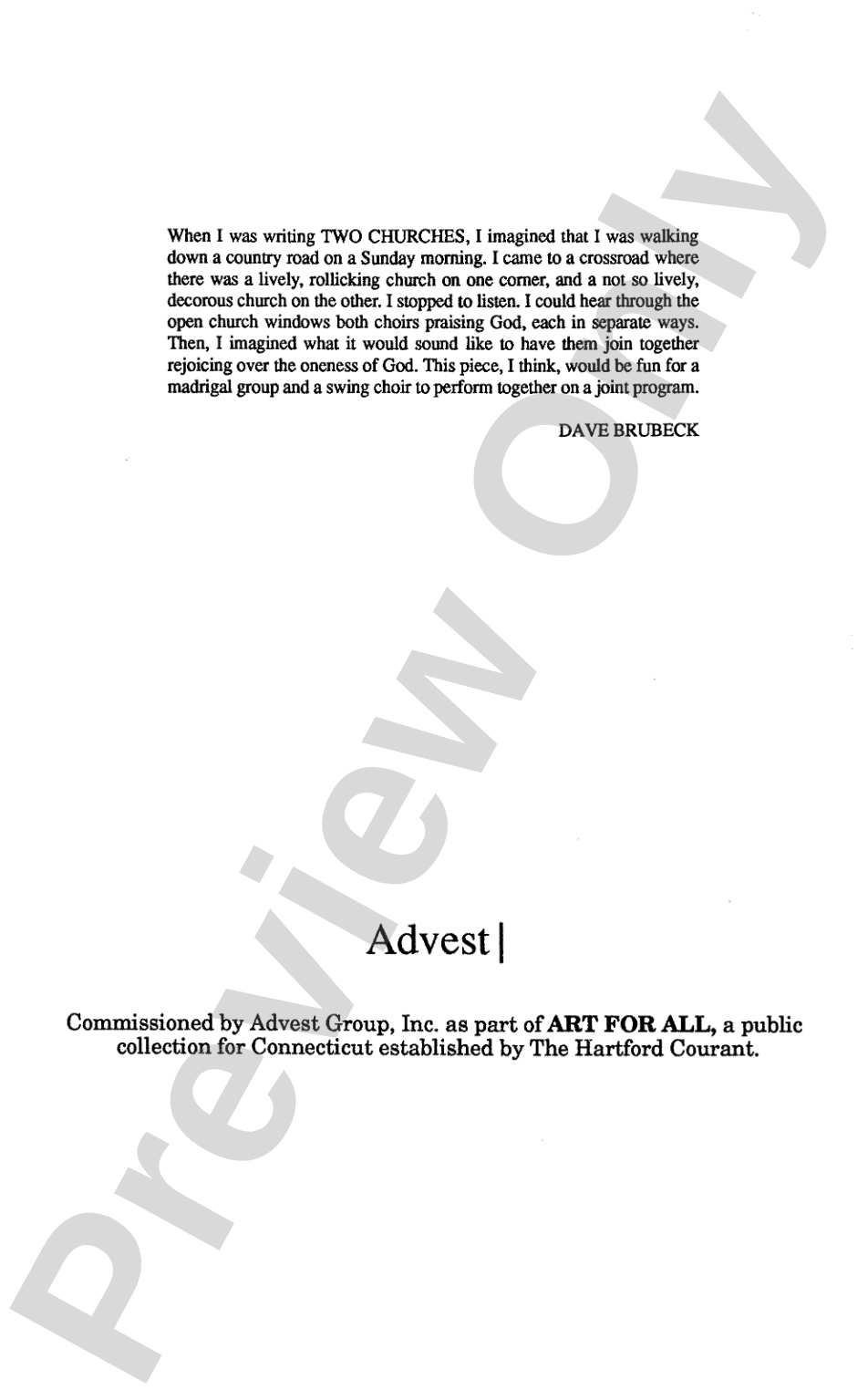
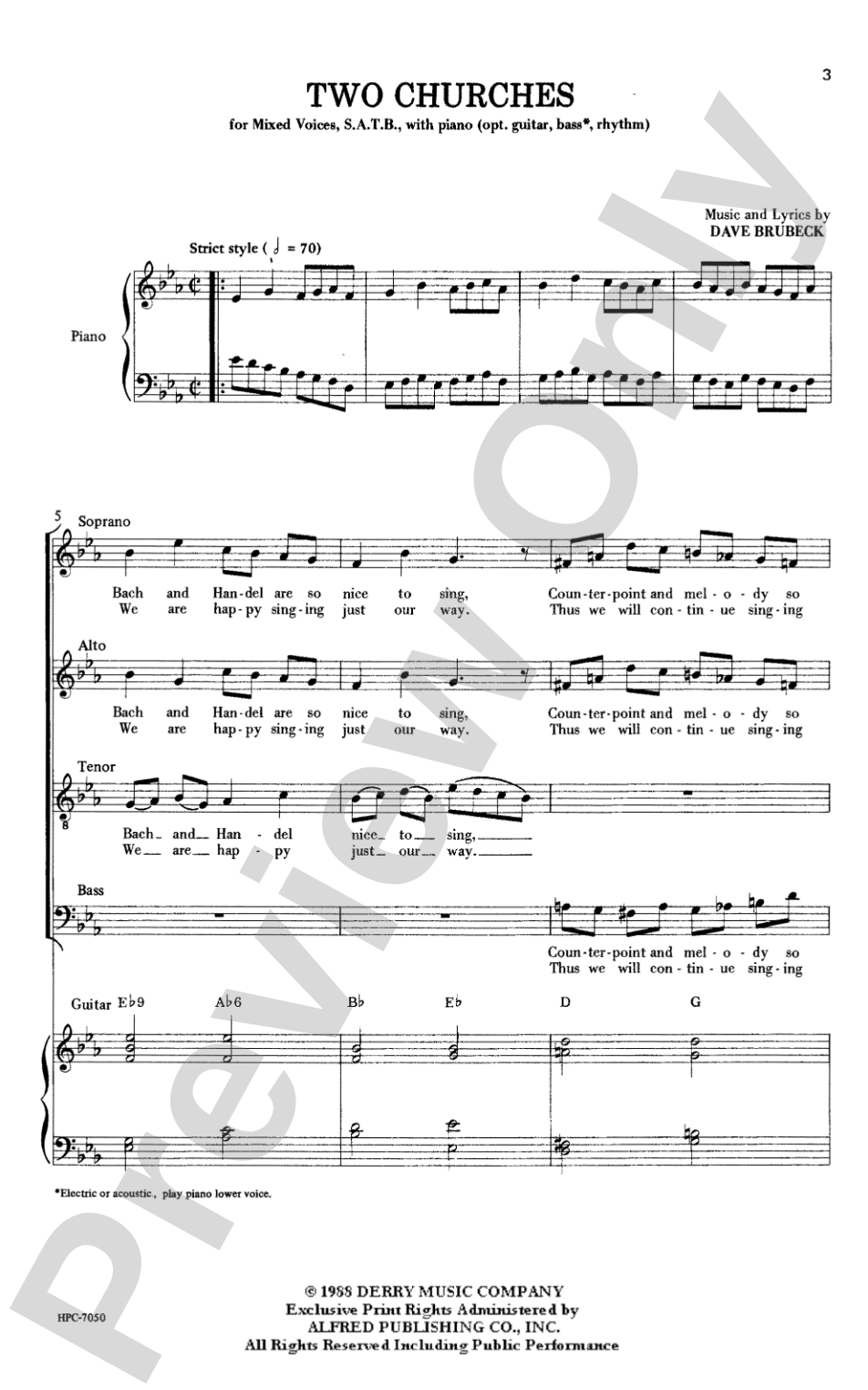
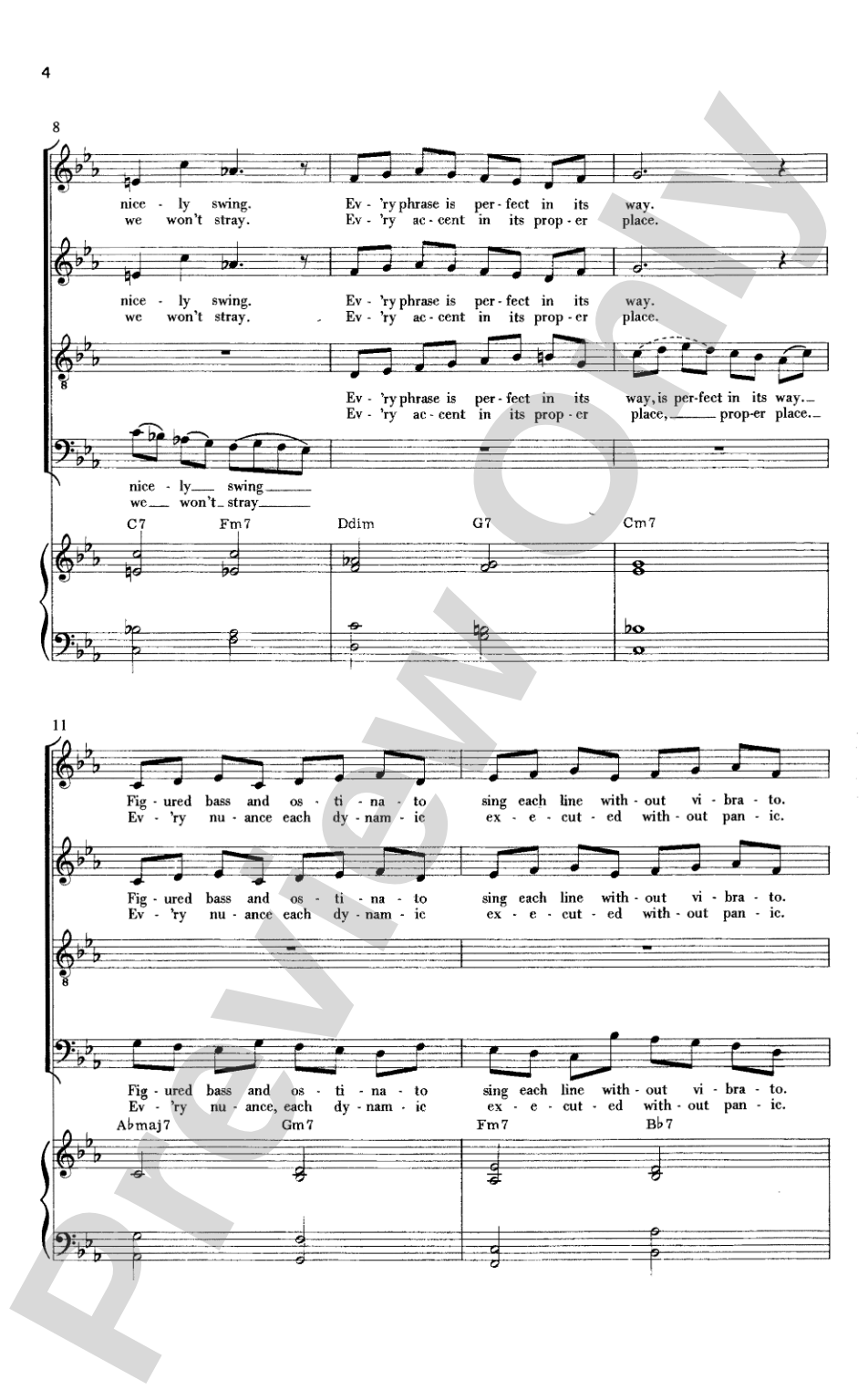

Two Churches: SATB Choral Octavo
By Dave Brubeck
Item: 00-PO-0004919
$2.95
Minimum order quantity: 20 copies
Pickup currently not available
Related Items
Two Churches: SATB Choral Octavo |
$2.95
|
View |
Description


Two Churches: SATB Choral Octavo isn't in MakeMusic Cloud just yet...but it could be. Let us know you'd like to see it, and you'll help shape what comes next. In the meantime, start a free trial and dive into thousands of interactive titles your students can play along with today.
Request This Title
Tell us you want it.
Start Your Free Trial
Explore everything that's ready to play right now.
Sample Audio
No sample audio found.
Sample Video
No sample videos found.
Additional Details
Series:
Lawson-Gould: The Dave Brubeck Series
Publisher:
Alfred Music
Page Count:
16
SKU:
00-PO-0004919
More about this title
About the Composer: Dave Brubeck
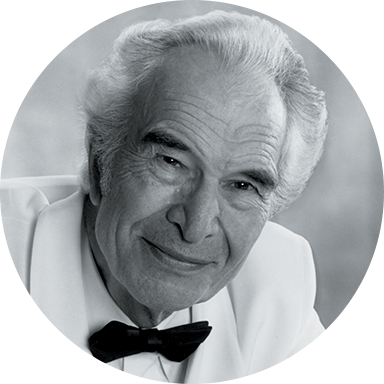
Dave Brubeck built a legacy that stretched across two musical worlds. A jazz pianist celebrated for his improvisational brilliance, he equally commanded classical composition, writing choral works, hymns, orchestral pieces, chamber music, and large-scale works for chorus and orchestra. His education under Darius Milhaud at Mills College shaped his distinctive voice: a seamless blend of jazz language and classical structure. Brubeck's influence extended beyond music into social change; he was instrumental in breaking racial barriers in mid-twentieth-century America.
His catalog of choral and orchestral works has reached international audiences. Major compositions like To Hope! have been performed across Europe and North America, while works such as Pange Lingua Variations and the oratorios The Voice of the Holy Spirit and Beloved Son were recorded by the London Symphony Orchestra and London Voices. His achievements earned him the Grammy Lifetime Achievement Award for jazz, the Presidential Medal of the Arts from President Clinton, induction into the American Classical Music Hall of Fame in 2003, and a lifetime achievement award from the London Symphony Orchestra in 2007.
Why we love this
Brubeck's choral writing carries the rhythmic sophistication and harmonic richness that define his broader compositional voice, yet remains singable and rewarding for committed high school and college choirs. The sacred context gives this piece weight without requiring a specialized vocal ensemble, making it accessible for programs seeking repertoire that sounds substantial but isn't prohibitively difficult. Programming a Brubeck choral work signals to your audience that you're drawing from a composer whose impact spans both jazz history and serious classical composition.
What to expect
Two Churches inhabits a space between reverence and introspection, drawing on Brubeck's ability to marry classical structure with the subtle rhythmic sophistication of jazz. The harmonic language is modern yet warm, never austere; the piece unfolds with the deliberate pacing of a sacred conversation. You hear the pianist's hand throughout: clear voice leading, unexpected harmonic turns, and moments where rhythm carries as much spiritual weight as melody.
Who it's for
Advanced high school choirs and college/university choirs with strong sight-reading skills and comfort with contemporary harmonic language. Directors seeking sacred repertoire that reflects serious compositional craft while remaining performable within a typical rehearsal schedule will find this an excellent fit. The SATB voicing makes it accessible to traditional four-part ensembles without requiring divisi or specialized vocal ranges.
How to get the most out of it
- Balance the independence of each voice part carefully; Brubeck's textures often feature distinct melodic lines in multiple voices simultaneously, so avoid letting any one part overwhelm the others.
- Pay attention to rhythmic precision in syncopated passages. The jazz-inflected rhythms that give this piece character require tight ensemble timing, especially in moments where parts move against each other.
- Shape phrases with long-line awareness. Brubeck's sacred pieces often unfold across full phrases rather than breaking into small gestures, so encourage singers to think in arcs rather than measure-by-measure.
- Consider the text setting as a guide to phrasing and dynamics. Let the words guide how you approach the harmonic language; Brubeck typically aligns emotional peaks in the text with musical high points.
How to use it
This works beautifully as a centerpiece in a concert exploring twentieth-century American sacred music, paired alongside texts by Copland, Barber, or Lauridsen. The piece also functions effectively in interfaith or all-school concerts where you want to program something that feels substantive and contemporary without being experimental. Given Brubeck's stature as both a jazz and classical figure, it opens conversations about genre boundaries that enrich music education beyond the piece itself.
Skills your students will build
- Reading contemporary harmonic language and chromatic voice leading
- Rhythmic independence, especially syncopation across multiple voices
- Ensemble blend in texturally complex passages where each part has distinct material
- Sustaining long musical phrases with consistent support and legit singing
- Understanding the relationship between jazz-influenced compositional techniques and classical choral writing